
Last updated November 17, 2026
 Raised-panel steel
 Carriage house
 Modern flush
 Full-view glass
 LiftMaster openers
 Chamberlain openers
Full 25-point door and opener safety check with every visit - springs, cables, rollers, tracks, and your LiftMaster or Chamberlain opener included
You get a price before we start. It does not change when the pro arrives.
Get your free estimateGarage Door Opener Repair & Installation Maintenance Schedule: What to Do and When
We see more opener failures in October than in any other month, and it’s not October’s fault. It’s the August nobody spent. Mesquite summers run weeks above 110°F, and the heat quietly cooks the lubricant, dries out the backup battery, and stretches the chain on every opener in town. By the time the first cool weekend arrives, the damage is already done, and folks reach for the remote expecting the door to rise. This guide lays out a four-season maintenance schedule built around Mesquite’s real weather, not a generic once-a-year checklist, so you catch the warning signs before a busy morning catches you.
Quick Answer
Maintain your garage door opener on a four-season schedule rather than an annual one: clear and lubricate the tracks and chain in spring, run the monthly safety-reverse test and swap the backup battery before summer heat peaks, re-lubricate and check balance after the summer, and inspect chain tension and lubrication viscosity as the cold settles in. The single most overlooked task in Mesquite is the monthly auto-reverse test, which takes under two minutes and no tools. Skipping the pre-summer battery check is why so many openers fail on the first 115°F day.
Styles & brands we work with
- Raised-panel steel
- Carriage house
- Modern flush
- Full-view glass
- LiftMaster openers
- Chamberlain openers
Table of Contents
- Why a Schedule Beats a Checklist
- Spring: The Prep Pass Before the Heat
- Summer: Safety Tests and the Heat Check
- Battery Backup: Why 18 Months, Not Three Years
- Fall: The Post-Summer Rebuild
- Winter: Cold, Viscosity, and Chain Tension
- Lubricants That Survive 110°F (and the Ones That Don’t)
- What to Log After Each Pass
Why a Schedule Beats a Checklist
A once-a-year tune-up made sense in a mild climate. In Mesquite, the seasons do very different things to an opener, so a single annual pass misses the whole point. The heat of a Mojave summer attacks the lubricant and the battery; the sharp cool-downs of winter change how thick that lubricant is and how tight the chain sits. Doing the spring prep in November is nearly as bad as not doing it at all, because you’re fixing problems after the damage, not before.
Think about what your opener actually goes through in a year. Every open and close rides two torsion springs, a chain or belt, rollers, and a logic board that sits in a garage that can hit 130°F on a bad afternoon. We count spring cycles the way you count tire miles, and heat shortens the life of every moving part it touches. A seasonal schedule keeps you ahead of that wear instead of reacting to it.
We’ve seen doors in the Sun City and Highland Hills neighborhoods where the opener itself was fine, but a gummy track and a dried-out chain made it strain like it was dying. If the opener is straining, the problem is almost never the opener. That’s the exact reason the schedule below separates the cheap five-minute checks from the ones worth a call.
The payoff is simple: fewer emergency calls, longer opener life, and a written maintenance trail any technician can read. If your opener does need real work, Garage Door Opener Repair & Installation in Mesquite covers the full range of brands and fixes.
Spring: The Prep Pass Before the Heat
Spring in Mesquite is short and warm, which makes it the last easy window before the oven turns on. This is the pass where you clean and re-lubricate everything so the summer heat starts from a clean baseline. Grime left on a track in May bakes into a hard film by July.
- Wipe down both tracks with a dry cloth to remove grit and old lubricant. Never grease the tracks themselves – that attracts dust and causes drag.
- Apply a thin coat of lubricant to the chain, the torsion springs, the hinges, and the roller bearings. A small amount is plenty; excess collects dust.
- Test the door balance: pull the release so the door runs by hand, lift it halfway, and let go. A balanced door stays put. One that slams or creeps tells you something’s off before summer makes it worse.
- Check the photo-eye sensors at the bottom of the tracks. Wipe the lenses and confirm the indicator lights are steady, not flickering. Dust storms and blowing sand foul these more than people realize.
Label everything good or flagged. If the balance test fails or the door won’t stay put, that’s a signal to stop and call. A door is 200 pounds riding on two springs, and springs under tension are not a weekend project. That’s a job for someone who does it daily.
Summer: Safety Tests and the Heat Check
The monthly auto-reverse test is the single most skipped safety check in a garage, and it takes under two minutes with zero tools. The safety standard behind every modern opener (UL 325) requires the door to reverse when it meets an obstruction on closing and to stop or reverse when the sensors see something in the path. Testing it monthly is what tells you the safety side still works.
- Lay a piece of 2×4 flat on the floor in the middle of the opening.
- Close the door using the wall button or remote and let it press on the board.
- The door should reverse within a couple of seconds of contact. If it presses down and stops, the force setting is too high and needs adjusting.
- Separately, wave an object through the sensor beam while the door is closing. It should reverse immediately.
In Mesquite’s summer, do this test early morning or after the sun drops. A garage that’s been closed up all afternoon is a brutal place to be, and heat makes people rush a test that deserves a clear head. The force limit should be set just high enough to close the door and no higher; a common mistake is cranking it up to compensate for a sticky track instead of fixing the track.
While you’re out there, listen. A groan or a grind on the way up points to rollers or springs, not the motor. If you’re hearing it and the door is getting sluggish, that’s the point to get eyes on it rather than waiting for the October surprise.
Battery Backup: Why 18 Months, Not Three Years
If your opener was built after 2007, it has a battery backup, and in desert heat that battery ages faster than the manual’s three-year guidance assumes. Heat is the enemy of every lead-acid and lithium cell, and a garage that sits above 110°F for months shortens that life. In our experience, plan on replacing it every 18 months in Mesquite, not three years.
Here’s why it matters beyond convenience. The backup battery is what lets the door open when the grid drops, and in the middle of summer, outages happen. If the cell is already weak from heat, it won’t carry the door when you actually need it. A $30 battery and a five-minute swap beats a sealed-in vehicle and a call at nine at night.
Test it twice a year: unplug the opener (not the battery), open and close the door a couple of times on backup power, then plug it back in. If it barely moves or the opener beeps a low-battery warning, replace the cell. Brands like Chamberlain and LiftMaster use a range of backup types, so match the exact battery to your model. When you’re not sure, call and we’ll tell you what yours takes.
Fall: The Post-Summer Rebuild
Fall is the corrective pass. This is where you fix what summer wore out, before the cold arrives and changes the rules. We’re back to that October failure pattern: the doors that die in fall usually had a warning sign in August that went unread.
- Re-check balance. Heat and use can shift things. A door that stayed put in spring may creep now.
- Re-lubricate. Six months of desert summer dries out lubricant faster than a mild climate would. A fresh thin coat on chain, springs, and hinges restores smooth travel.
- Inspect the chain or belt. Look for slack or fraying. A belt can crack; a chain can stretch. If the door hesitates or jerks, note it.
- Repeat the reverse test. Don’t assume summer’s pass still holds after months of use.
If a Clopay or Amarr door feels heavier than it did in spring, springs may be relaxing, and that’s a pro call. The one thing you never do is tighten a torsion spring yourself. Respect it and hand it to someone trained for it.
Winter: Cold, Viscosity, and Chain Tension
Mesquite winters aren’t brutal, but the nights drop enough that cold does two things to your opener: it thickens lubricant and it changes chain tension. A lubricant that flowed fine at 90°F can get stiff at 40°F, which adds drag the motor has to fight on every cycle. That’s why winter is the pass to check what you’re using and how tight the chain sits.
Cold also shrinks metal slightly, so a chain that was snug in summer can feel loose in winter and start slapping or skipping. A chain should have a little slack, roughly a half-inch of play at the midpoint, but not so much it sags onto the rail. Adjusting it is a small job, but over-tightening wears the motor and gears faster. If you’re not sure what “just right” feels like on your model, that’s worth a quick look.
Use a cold-friendly lubricant here, not a heavy grease that turns to paste. If you switched to a thicker product for summer, thin it back out. And keep testing the safety reverse monthly through the winter too; cold can make a door reverse a little slow, and you want to catch that early.
Lubricants That Survive 110°F (and the Ones That Don’t)
The right lubricant depends on the season, and the wrong one does more harm than none. In a Mesquite summer, a light grease or a purpose-made garage door lubricant (often a silicone or lithium-based spray) holds up well above 110°F. What goes gummy in the heat are the heavier petroleum greases and anything with a thick petroleum base; they soften, collect dust, and turn into a sticky film that causes more drag than dry metal. If your track is grabbing and the rollers squeal, the fix is usually cleaning off the old product and starting fresh, not adding more.
For winter, a lighter lubricant that stays fluid in the cold beats a heavy grease that stiffens overnight. The simple rule: summer favors something that resists thinning at heat, winter favors something that resists thickening at cold, and the same middle-ground product rarely does both perfectly. Keep a spray can of each and swap with the seasons.
A word on tracks: never lubricate the tracks. The rollers ride them, and lubricant on the track just attracts sand and dust and gums up the works. Clean the tracks, lube the moving parts. If you have a Craftsman or Wayne Dalton opener with a screw-drive or belt system, check the manual for the recommended lubricant, because those drives are pickier than a standard chain.
What to Log After Each Pass
The single habit that separates a well-maintained door from a mystery is a simple log. After each seasonal pass, jot down the date, what you checked, what you adjusted, and anything that felt off. When you finally call a technician, you can hand over a pattern instead of saying “it’s been acting weird.” That pattern often tells us exactly what to look at first.
- Date of the pass and which season it was
- Reverse test result – passed, slow, or failed
- Balance test result – stayed put or crept
- Battery test result and the replacement date
- Any noise, hesitation, or jerking and when it happens
If you’re tracking a new door or opener, this log is also the best record for warranty conversations. Need the install done right the first time? Garage Door Installation in Mesquite covers new doors and openers, and a written maintenance log pairs well with that work. If you’re in the middle of a repair, Garage Door Repair in Mesquite is the place to start.
Common Mistakes to Avoid
- Skipping the summer prep. The most common failure we see is doing nothing until something breaks, usually in the fall, after the heat has already done its damage. Catch the warning signs before the busy season does.
- Lubricating the tracks. This is the number-one DIY error in Mesquite garages. It attracts dust and sand, which makes the door drag, and drag is what people misread as a failing opener.
- Cranking up the force setting. Raising the force to compensate for a sticky track or a heavy door masks the real problem and speeds up wear. Fix the cause, not the symptom.
- Trusting the three-year battery guidance. In desert heat, plan on 18 months. Waiting for the low-battery beep means you may find out during a power outage instead.
- Touching the torsion springs. A door is 200 pounds riding on two springs. Never adjust, tighten, or remove a spring yourself; that’s a trained professional’s job and a serious injury risk.
- Skipping the reverse test. It’s two minutes with no tools, and it’s the check that keeps the door from coming down on a kid or a pet. Test it monthly.
- Ignoring the noise. A groan that appears in one season and returns the next is a signal, not a quirk. Log it and get it looked at before it becomes a stuck door.
See the difference
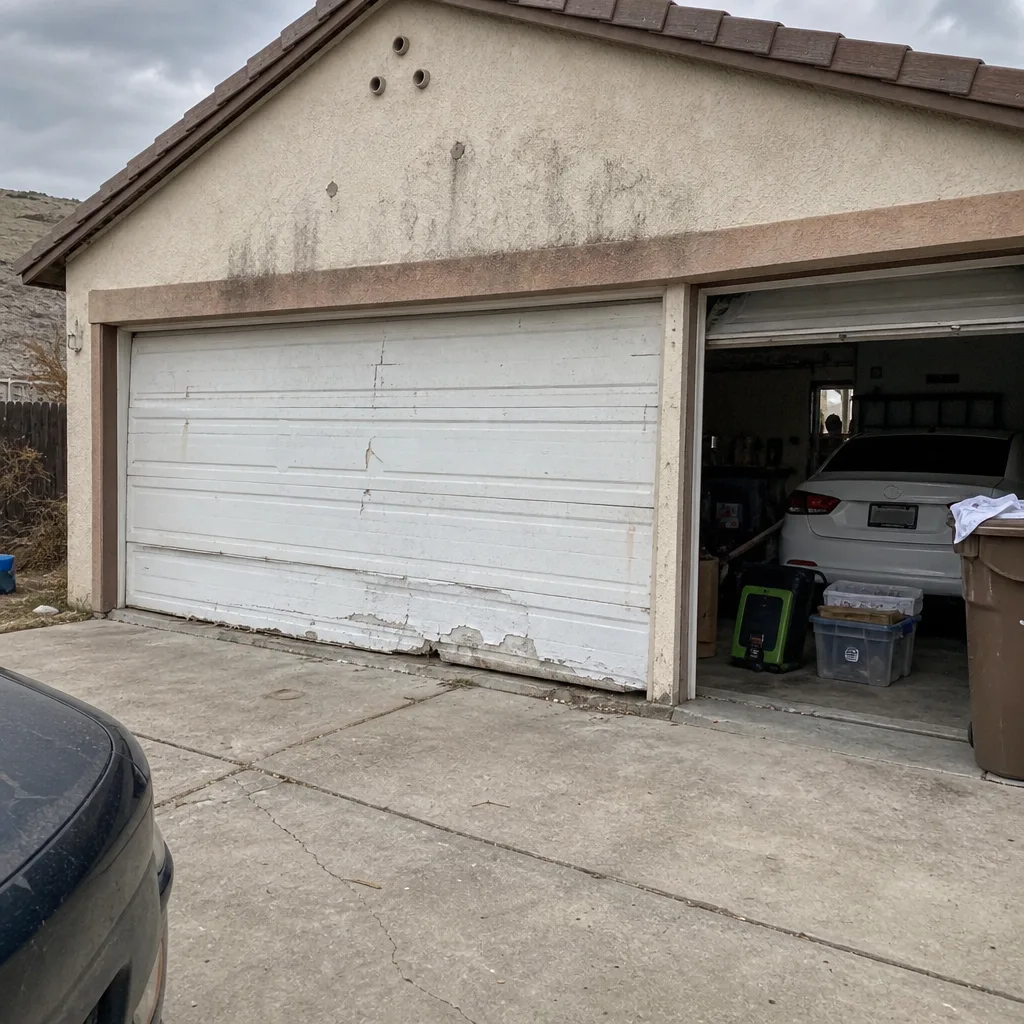 Before
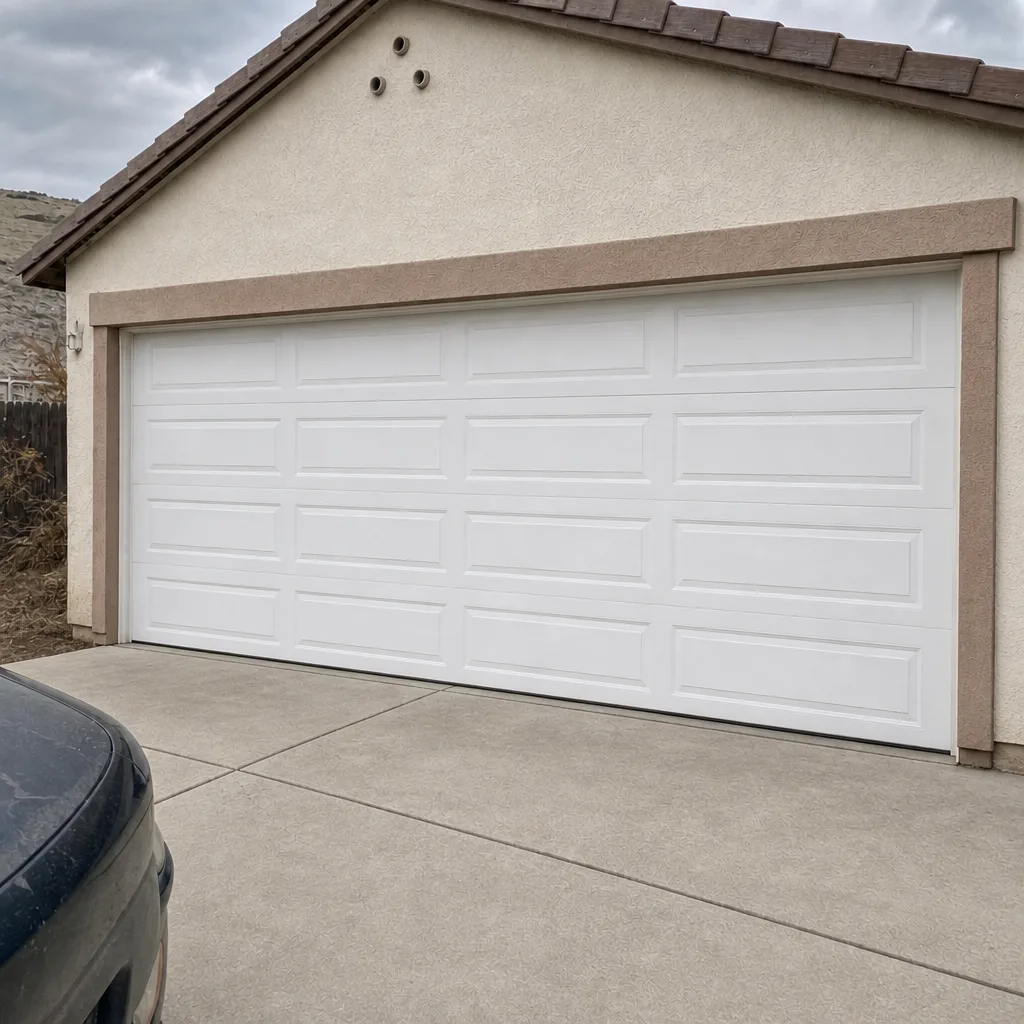 After
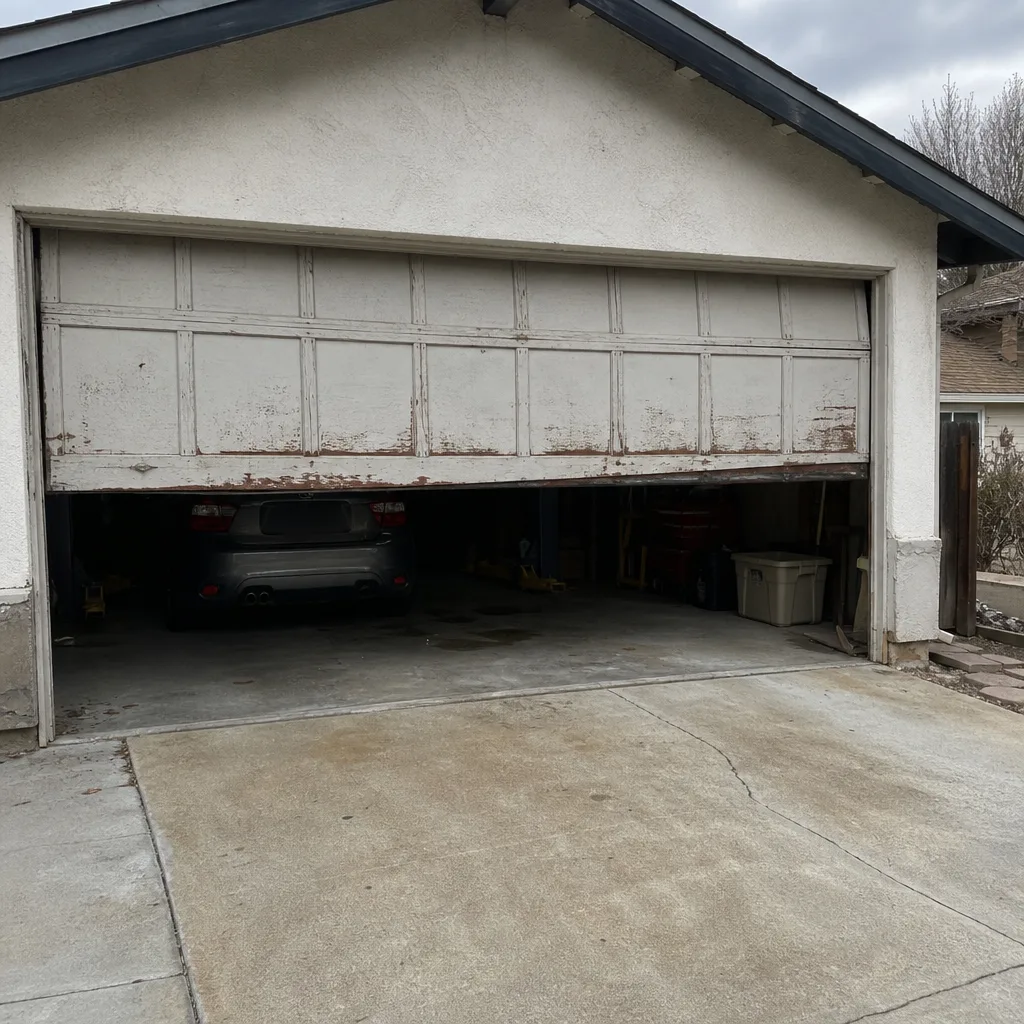 Before
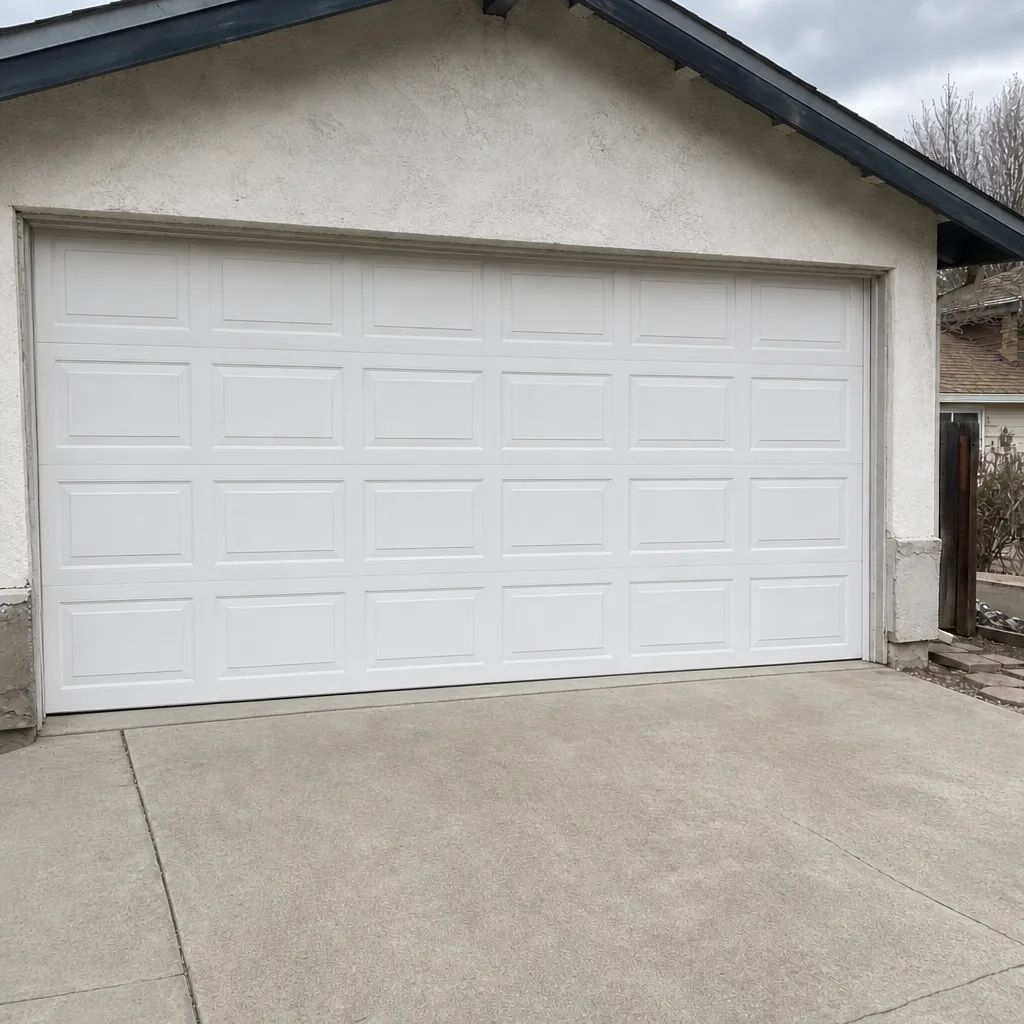 After
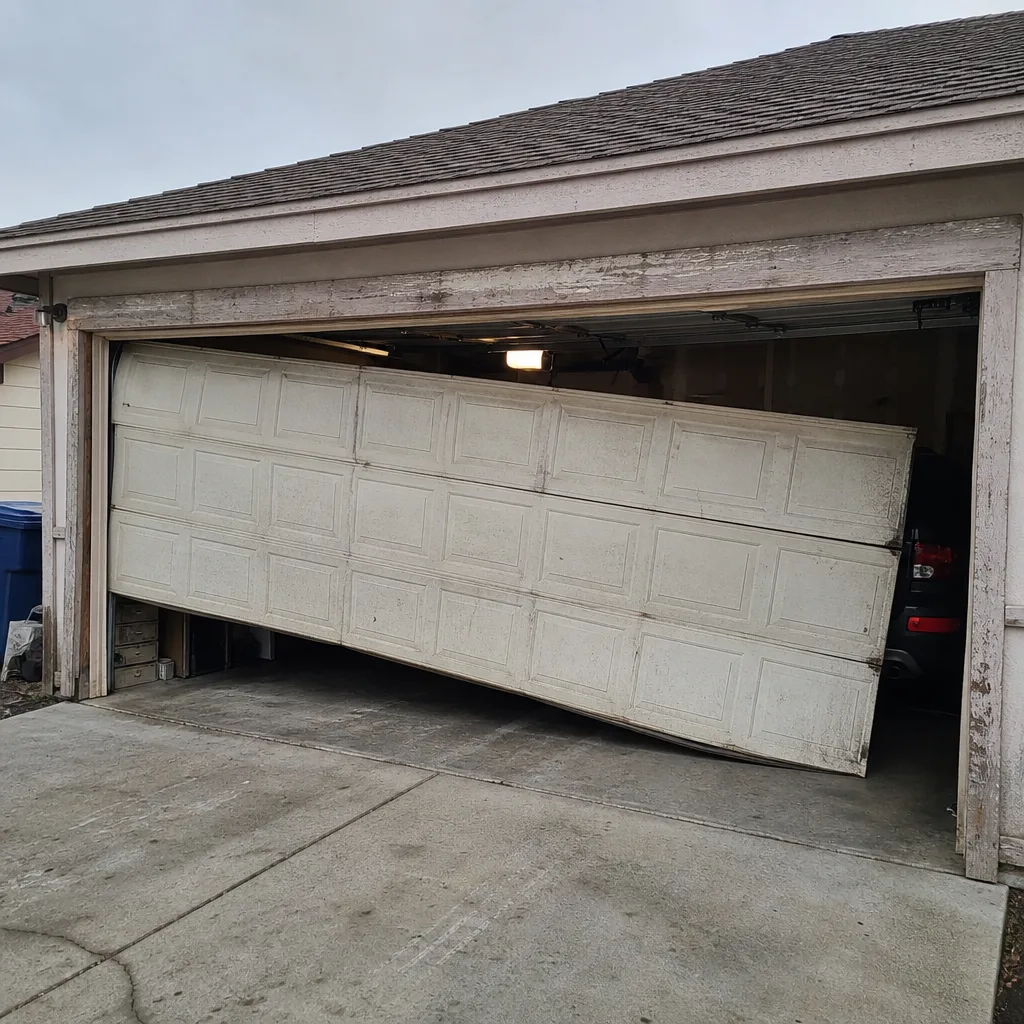 Before
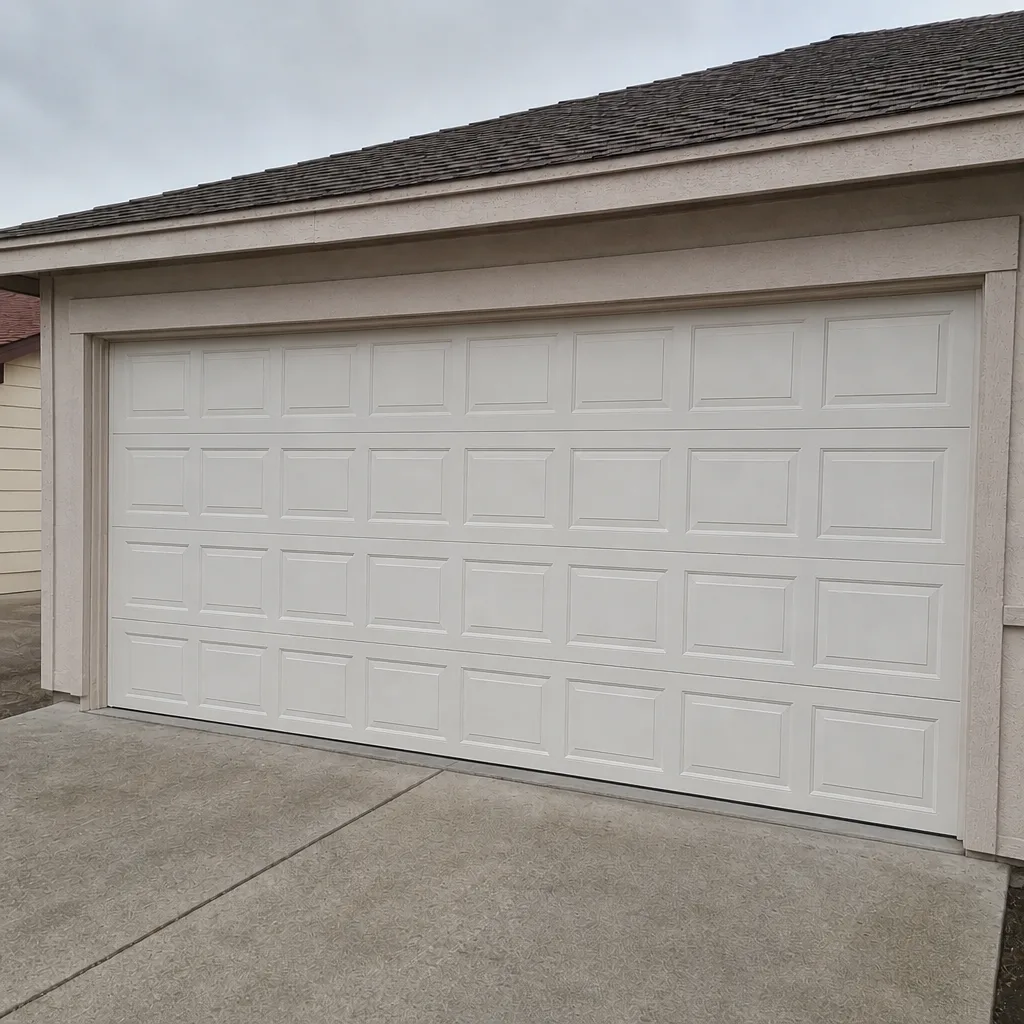 After
When to Call a Professional
Some jobs are a five-minute check; some aren’t. Call us when the door balance test fails, when the springs look relaxed or the door feels suddenly heavy, or when the reverse test won’t pass no matter how you set it. Call when the chain or belt is cracking, when the motor hums but the door doesn’t move, or when you smell burning from the opener. And always call for anything involving springs, cables, or the electronics inside the opener. Otto’s Garage Door Mesquite offers free estimates in Mesquite – call (844) 320-6569. We answer the phone live, quote the job on the call, and hold the number when we get there, backed by the 90-Day Done Right Promise in writing on every job.
Frequently Asked Questions
Do a short maintenance pass four times a year, timed to the seasons, plus a monthly auto-reverse safety test. The monthly test takes two minutes and no tools; the seasonal pass covers lubrication, balance, and battery checks that heat and cold change over the year.
Heat is the reason. A garage that sits above 110°F for weeks at a time shortens the life of every battery cell, so plan on replacing it every 18 months instead of the three years the manual may suggest. Test it twice a year by unplugging the opener and running the door on backup power.
A purpose-made garage door lubricant, often silicone or lithium-based, holds up best above 110°F. Heavy petroleum greases soften and collect dust in the heat, which causes more drag than dry metal. Never put lubricant on the tracks themselves.
No. Torsion springs and cables are under heavy tension, and a door is 200 pounds riding on two springs. Adjusting, tightening, or removing them yourself is a serious injury risk. Call us at (844) 320-6569 and we’ll handle it safely – estimates are free.
A hum with no movement usually points to a stripped gear, a binding trolley, or a failed capacitor, not a dead motor. Turn it off and call before it gets worse. We can quote the repair on the call, and on most problems we can be there same-day.
No. We quote the job on the call and hold that number when we get there, and you approve it before any work starts. Nobody should be hit with a bigger invoice than the quote, and we don’t do that.
For a schedule you can trust or a door that needs a hand, reach out to Otto’s Garage Door Mesquite home.
The Bottom Line
Opener maintenance in Mesquite works best as four seasonal passes, not one annual checklist. Prep the tracks and chain in spring, run the monthly reverse test and swap the battery before the summer peak, re-lubricate and check balance after the heat, and tune chain tension and lubricant viscosity for the cold. Keep a simple log after each pass. The five-minute checks catch most trouble early, and the dangerous parts – springs and cables – are always a call away. Do the cheap checks yourself and hand the heavy lifting to someone trained for it; that’s how a door lasts and a summer outage stays a minor inconvenience instead of a stuck car.
Call Otto’s Garage Door Mesquite at (844) 320-6569 for a free estimate on any maintenance, repair, or opener work. Live person, real quote, and the 90-Day Done Right Promise in writing.
Written by the team at Otto’s Garage Door Mesquite.