
Last updated November 17, 2026
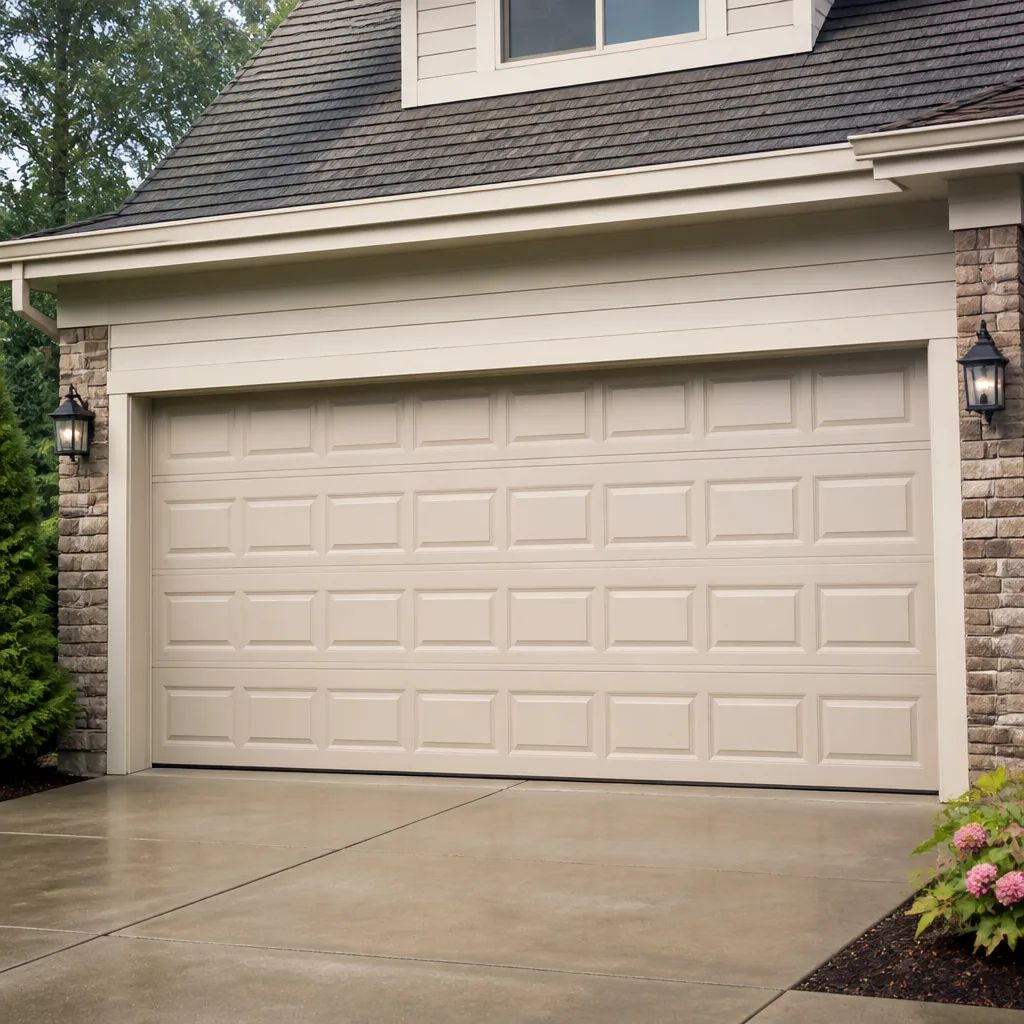 Raised-panel steel
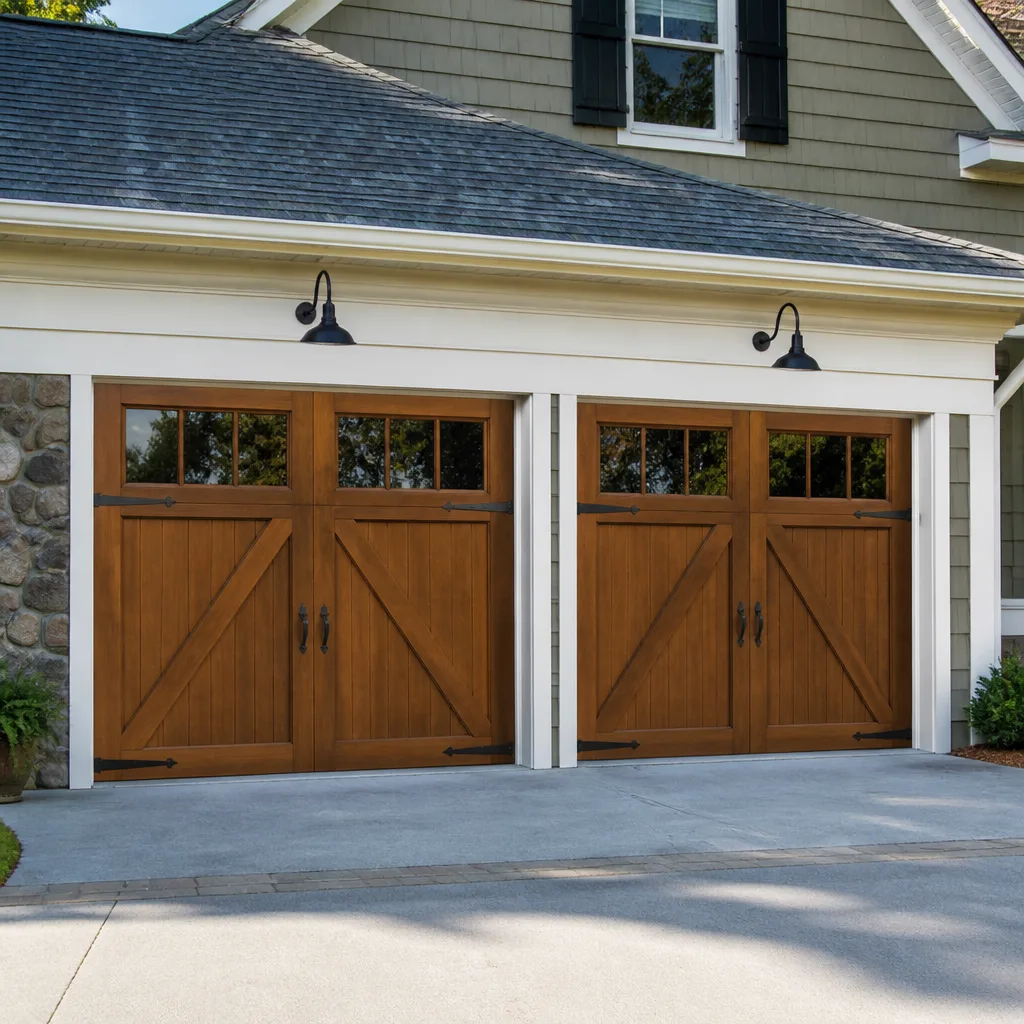 Carriage house
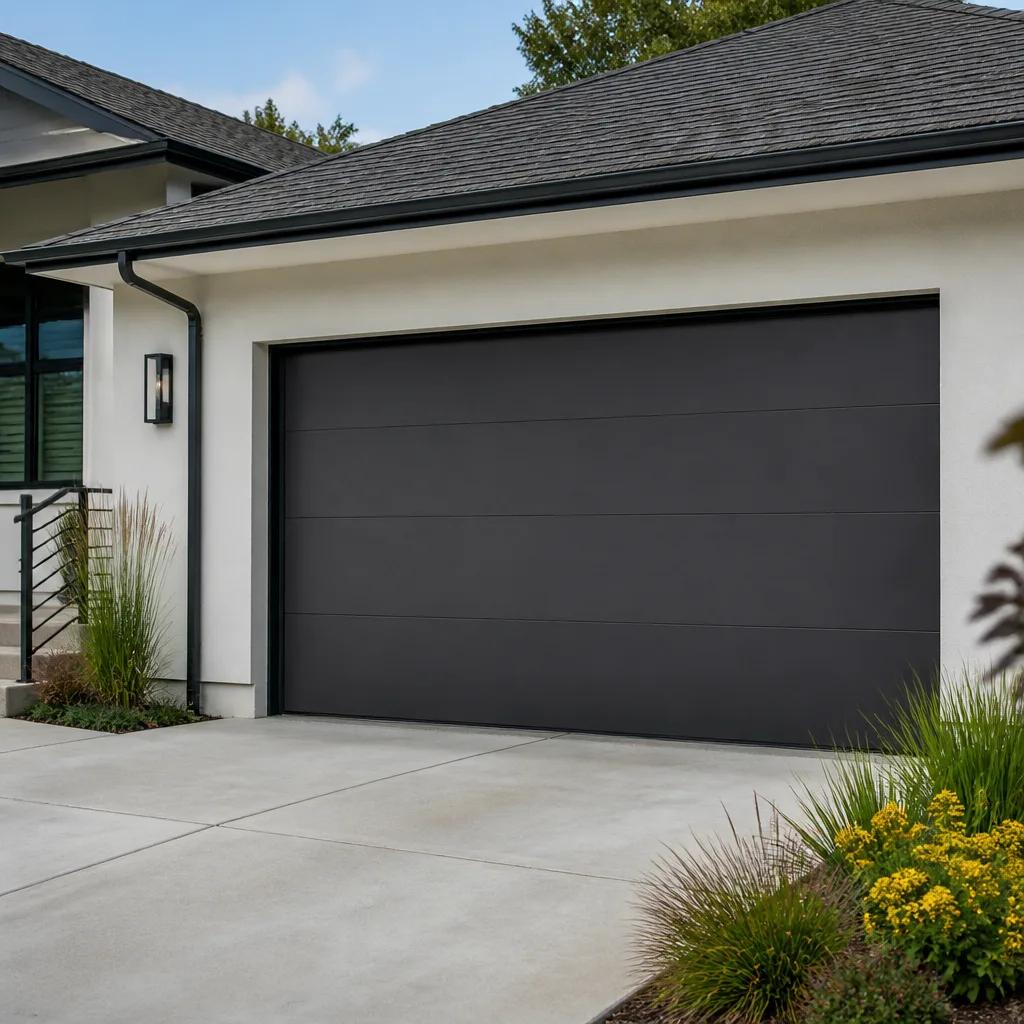 Modern flush
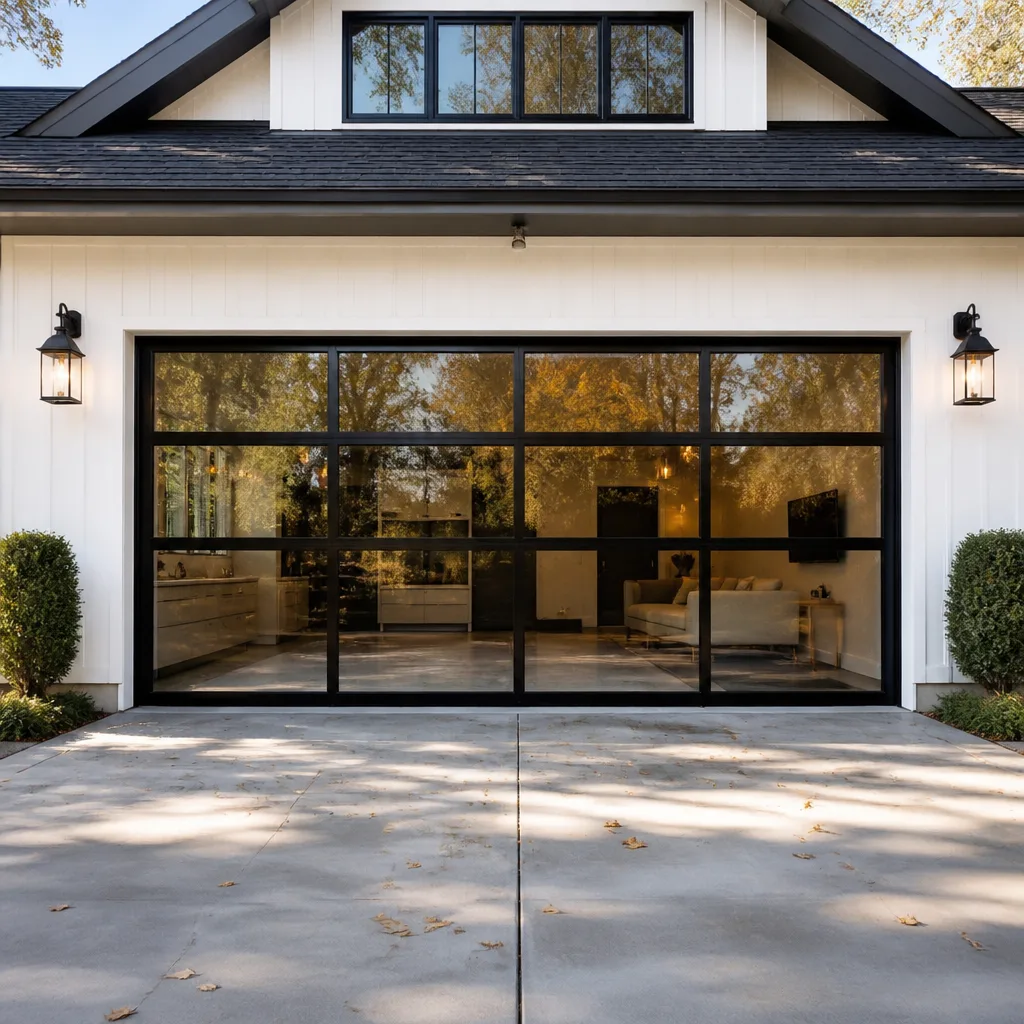 Full-view glass
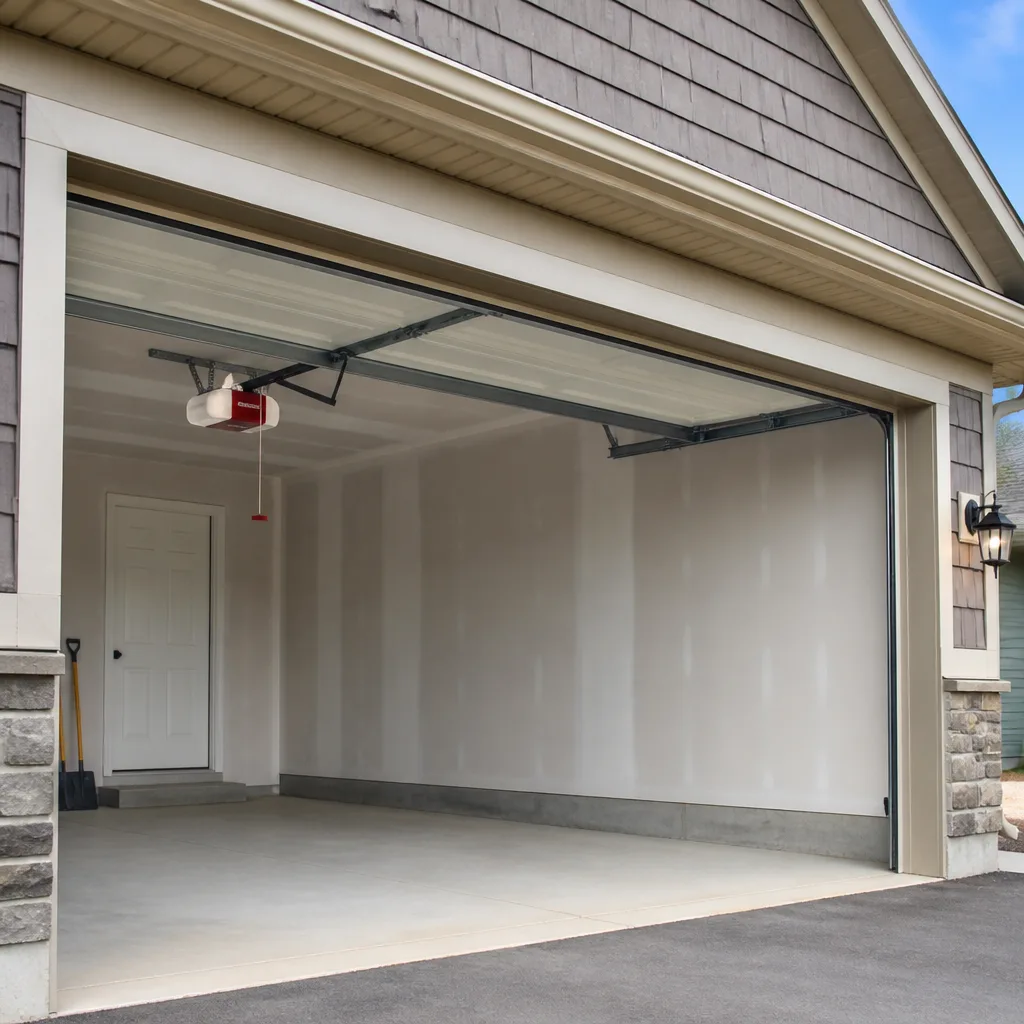 LiftMaster openers
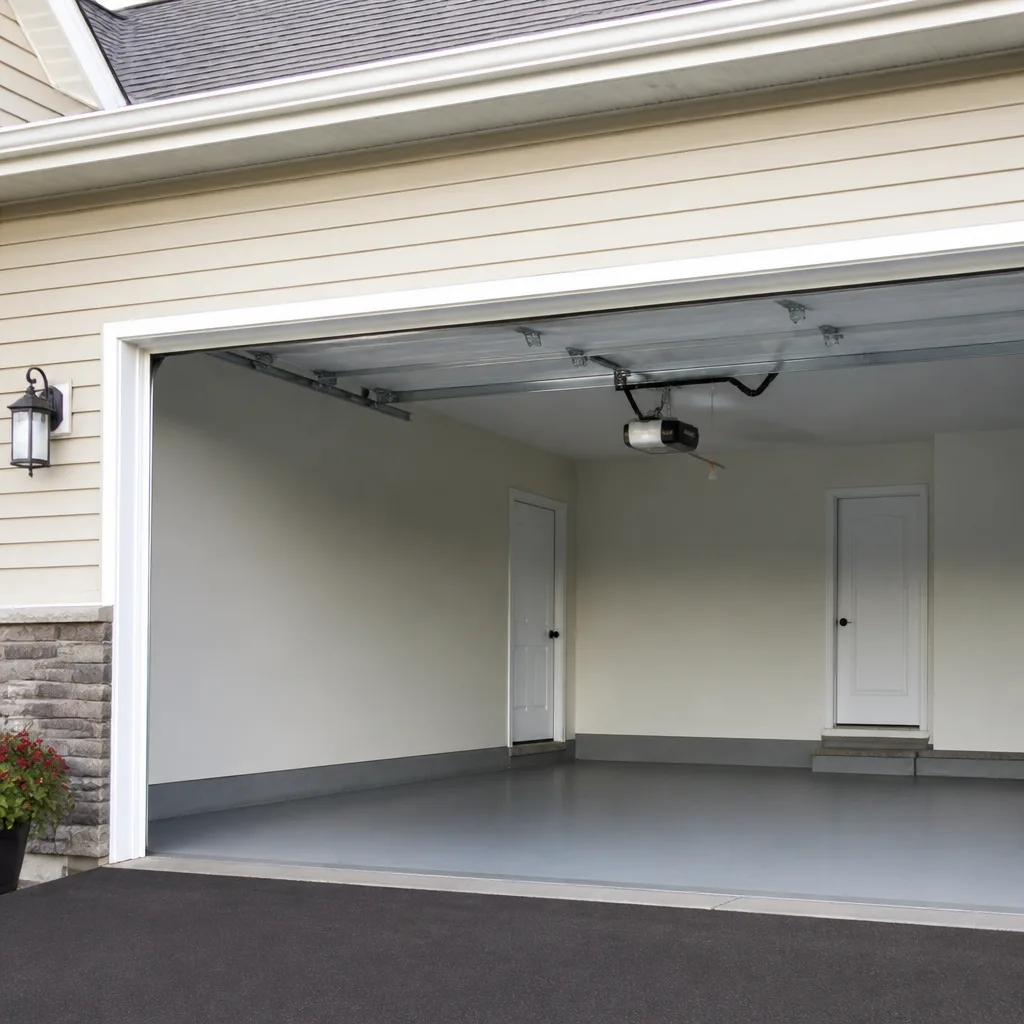 Chamberlain openers
Full 25-point door and opener safety check with every visit - springs, cables, rollers, tracks, and your LiftMaster or Chamberlain opener included
You get a price before we start. It does not change when the pro arrives.
Get your free estimateGarage Door Opener Repair & Installation Warning Signs Every Homeowner Should Know
Your opener is talking to you. Most homeowners just aren’t listening. Here’s the rule we live by: if your opener is making a noise it didn’t make six months ago, that noise is a bill that’s growing. The folks who catch it early pay for a gear kit or a drive belt. The folks who wait pay for an emergency call, a ruined opener, and sometimes a replaced door panel on top. You get a two-to-four-week warning before most openers quit completely. This guide teaches you what to listen for, what to look at, and what the machine is already telling you through its own blink codes. A little Mesquite-specific knowledge up front saves real money on the back end.
Quick Answer
The main warning signs of a failing garage door opener are new or worsening noises (grinding, clicking, humming without movement, or a whine that comes and goes), a remote that’s lost range or needs two or three presses, a door that reverses for no visible reason, and a unit that runs noticeably longer than it used to. Catch any one of these two to four weeks early and you’re usually looking at a small part instead of a new opener. Ignore them and the failure happens on its own schedule, usually at 9 p.m. with your car sealed inside.
Styles & brands we work with
- Raised-panel steel
- Carriage house
- Modern flush
- Full-view glass
- LiftMaster openers
- Chamberlain openers
Table of Contents
- What Each Sound Tells You About What’s Failing
- The Behavioral Signs That Aren’t Sounds
- Why Vibration Warnings Matter More in Mesquite Heat
- Reading Your Opener’s Blink Codes
- When “It Still Works” Is the Worst Answer
- When a Warning Means Repair, and When It Means Replacement
- Common Mistakes to Avoid
- When to Call a Professional
What Each Sound Tells You About What’s Failing
Sound is your first and cheapest diagnostic. An opener that runs smoothly is nearly silent under a half horsepower. Any new noise is friction, wear, or a part that’s about to let go. Here’s how we read them.
- Grinding, low and gritty: Usually a worn gear in the opener head, or a chain that’s lost its lubrication and is chewing the sprocket. A gear kit is a small fix. A chewed sprocket that strips under load is a bigger one.
- Rapid clicking near the unit: Often the travel-limit switch or the logic board struggling to find its position. If clicking comes with the door not moving, the motor is trying and being stopped. That’s a small electronic part today and a dead unit in a few weeks.
- Humming with no movement: The motor is getting power but the mechanical drive isn’t turning. The drive gear or the drive coupler is stripped. This is the classic pre-failure sign, and it’s the one homeowners ignore because the unit “sounds like it’s trying.”
- Intermittent whining that comes and goes: A failing capacitor or a motor working harder than it should against a binding door. Sometimes the real problem isn’t the opener at all: the door is out of balance and the opener is fighting it.
Here’s the thing worth repeating: if the opener is straining, the problem is almost never the opener. The opener’s job is to lift a balanced door, not lift a heavy one. A door that needs a push to start, or drops the last foot on its own, is telling you the springs are losing tension. That raises the whole conversation, so it’s the first thing we check on any Mesquite call.
The Behavioral Signs That Aren’t Sounds
Not every failing opener announces itself. Plenty go quiet and just start acting different. Watch for these.
- The two-press door. If you used to tap the button once and now you’re tapping twice or holding it in, the remote battery may be dying, or the opener’s receiver or logic board is weak. Replace the battery first. If the two-press habit stays, the unit’s electronics are getting tired.
- Shrinking remote range. You used to click from the end of the driveway. Now you’re clicking from three feet away. That’s usually a failing receiver in the opener, not the remote, and it gets worse every month.
- The unexplained reverse. If the door reverses while closing for no visible reason, the safety sensors or the opener’s force setting are sending a stop signal. This one is a safety matter, not a nuisance. We’ll come back to it.
- Running longer than it used to. If the door takes an extra second or two to complete the same cycle, the opener is working harder. That could be the drive belt, the rollers, or the door’s balance. All three are cheaper to fix at the first sign than after a motor burns out.
- The wall unit that lights up but won’t respond. If the wall control works but the remote doesn’t, or vice versa, it’s a signal problem inside the unit, not the door. That’s a repair of the opener’s electronics, and it’s worth catching before the whole board goes.
None of these are reasons to buy a new opener on their own. Each is a reason to have the door looked at while it’s still a part-level fix. That’s the whole game here.
Why Vibration Warnings Matter More in Mesquite Heat
Mesquite summers hit triple digits with regularity, and the desert swing between a cool night and a hot afternoon can move hardware. A loose bolt that would just rattle harmlessly in a mild climate can shear or back out here, because every thermal cycle adds a little more stress to the same joint. We feel this on Mesquite calls far more than you’d think.
The vibration signs to watch for are easy to check:
- Rattling at the start or stop of the cycle. Usually loose hangers or a rail that’s worked itself loose. Tighten it before the rail flexes and the door drags.
- A shudder across the door as it moves. Worn rollers or a track that’s out of line. In heat, a warped track drags the door and forces the opener to strain.
- A hum that grows over the summer. If your opener sounds louder in July than in March, the drive is working against more friction, and the extra load is shortening the unit’s life.
We also see sun-cooked remotes and wall units fail faster in Mesquite garages than in shaded ones. Keep a spare battery handy. It’s a sixty-cent fix that prevents a lot of two-press mornings.
Reading Your Opener’s Blink Codes
Every modern opener, from a Chamberlain to a Genie, is a little computer. When something’s wrong, it tells you by flashing a light on the back panel or the safety sensor. Most homeowners never look. Here’s how to read them.
- Find the diagnostic LED. On most units it’s a small light on the motor housing, near the learn button. On Chamberlain and similar brands it flashes a number of times, pauses, and repeats.
- Count the flashes. A steady pattern (say, five flashes, pause, five flashes) is a code. Each number maps to a specific fault: sensor obstruction, force adjustment, travel limit, or a motor fault.
- Check the sensor LED too. The safety sensors at the bottom of the track should glow steady. If one flickers or is dark, the door won’t close on command, and the opener’s light is telling you why.
- Look up the code. Most codes translate to one of four causes: obstruction, sensor misalignment, a force setting that’s been tripped, or a motor that’s giving up. Two of those are cheap to fix. Two are the early warning of a unit on its way out.
When a code points at the motor, the honest answer is that the unit is telling you it’s tired. Catching the code early is how a homeowner in Mesquite goes from a $400 opener replacement to a small repair or a sensor realignment. We’ll cover that in more detail on our Garage Door Opener Repair & Installation in Mesquite page.
When “It Still Works” Is the Worst Answer
Here’s the failure mode that scares us most, because it gives zero performance warning before it hurts someone. The opener and the door’s springs carry a lot of stored energy. A door is roughly 200 pounds riding on two springs, and when the system’s safety features fail, the failure can happen without any earlier performance clue.
A few specific safety failure modes:
- Safety sensors that are misaligned or blocked. The door should reverse when it meets an obstruction. If the sensors are out of line and one is misfiring, the door can close on a child or a pet. Test it monthly by placing a box in the door’s path and watching for the reverse.
- Force settings turned up to compensate for a binding door. If someone cranked the force adjustment to get a drag-heavy door to close, the door can push through an obstruction instead of reversing. That’s a serious safety problem disguised as a working door.
- Springs that are near the end of their cycle life. A spring doesn’t warn you with a noise. It just breaks. We count spring cycles the way you count tire miles, and we’ll tell you what’s left on yours during any service call.
We won’t walk you through testing the spring system yourself. That’s a job for a trained professional, and a door is not a place to learn by trial. What you can do is test the reverse function monthly, keep the sensor lenses clean, and call the moment the door reverses for no visible reason.
When a Warning Means Repair, and When It Means Replacement
Not every warning is a new-opener conversation. Here’s the simple split we use.
- Fix the part: a stripped gear, a failed capacitor, a worn drive belt, a dead wall control, a loose sensor, or a stripped drive coupler. These are small repairs and worth doing while the unit still has life in it.
- Replace the unit: a motor that’s failing under load, a logic board that keeps tripping force limits after the door is properly balanced, or a unit that’s simply past its service life and repeating the same faults. Also replace when the opener can’t be adjusted to safely reverse.
- Fix the door, not the opener: an unbalanced door, a binding track, or a worn roller set. The best opener in the world can’t lift a door that’s dragging. The right fix is the door’s mechanics, then the opener gets to do its job again.
If your door is older and has been patched together more than once, a fresh door and a matching opener is often the better money. We talk honestly through that on our Garage Door Installation in Mesquite page, and we’ll tell you straight if the door isn’t worth saving. For a same-day repair on an opener that’s already failed, Garage Door Repair in Mesquite covers the emergency side.
Common Mistakes to Avoid
- Turning up the force setting to make a dragging door close. That’s masking a problem and disabling a safety feature at the same time. Fix the door instead. In Mesquite heat, the drag only gets worse.
- Replacing the opener when the door is the problem. If the door isn’t balanced, a new opener will fail too. We always check the door first, and you should too.
- Ignoring a hum that doesn’t move the door. That’s the stripped-gear sign. Waiting for it to “start working again” is how a small repair turns into a full replacement, usually at 9 p.m.
- Skipping the monthly reverse test. It takes thirty seconds. It’s the one check that can prevent a serious injury. Do it the first of every month.
- Buying the biggest opener you can find. A 3/4-horsepower unit on a light door is wasted money. Match the unit to the door, not to the label.
- Never cleaning the safety sensor lenses. Mesquite dust and insect activity can blind the sensors. Wipe them down once a month and watch your two-press mornings disappear.
- Not keeping the owner’s manual and blink-code chart. The manual is your literal instruction sheet for what the flashes mean. File it, or the model number is on the sticker on the back of the unit.
See the difference
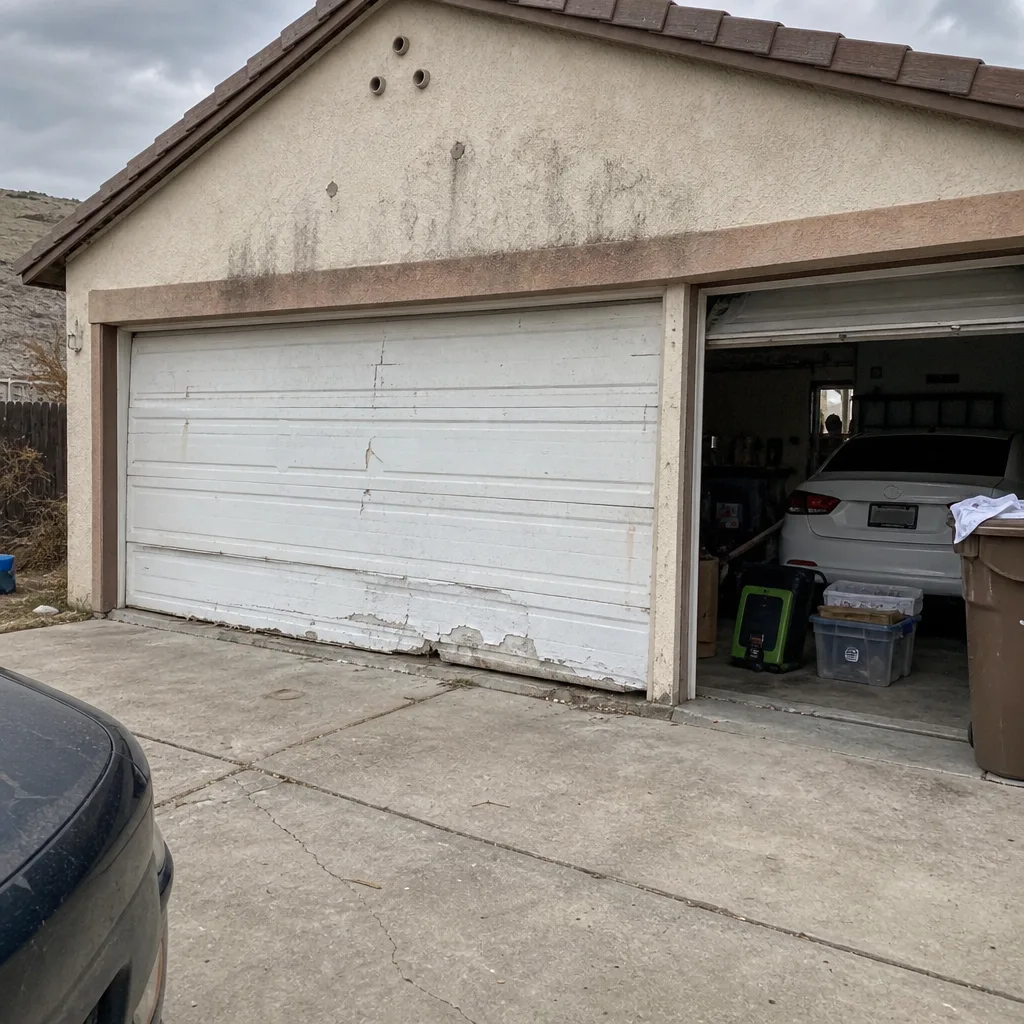 Before
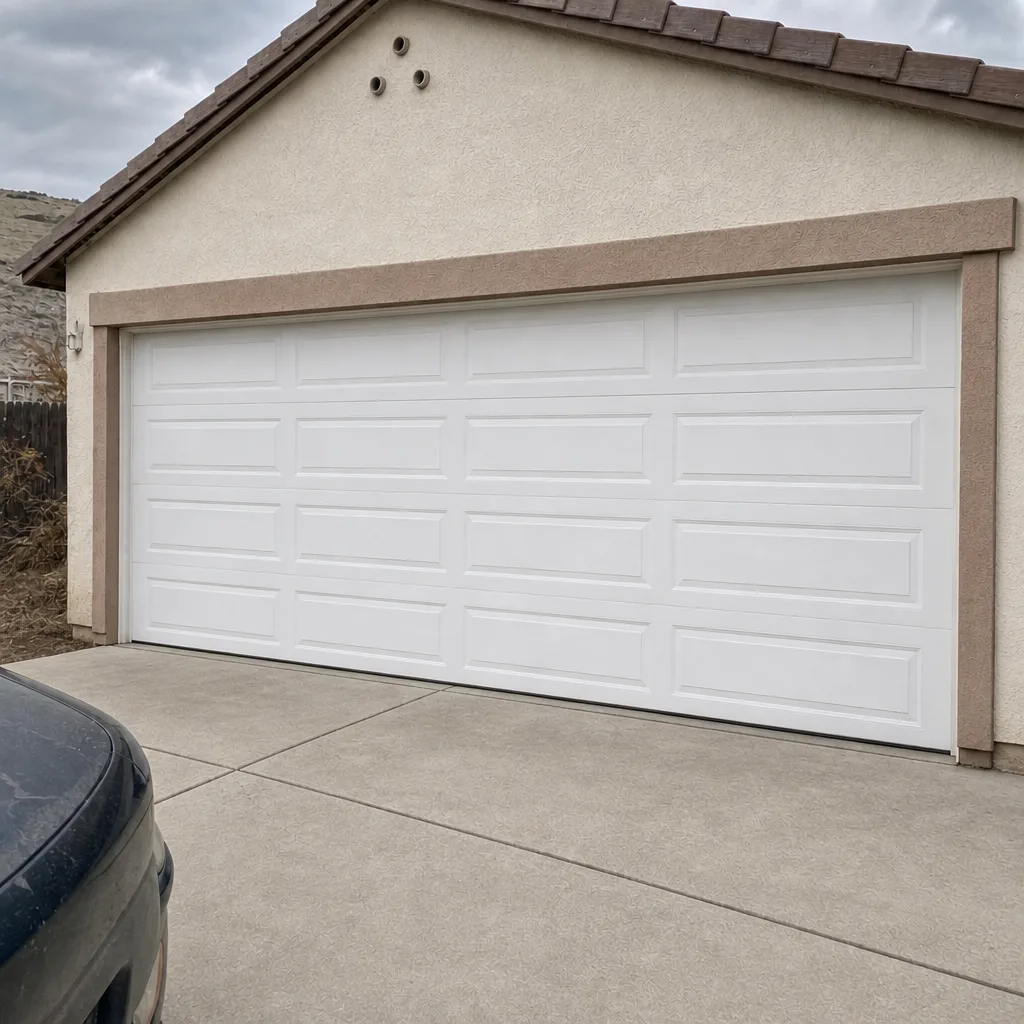 After
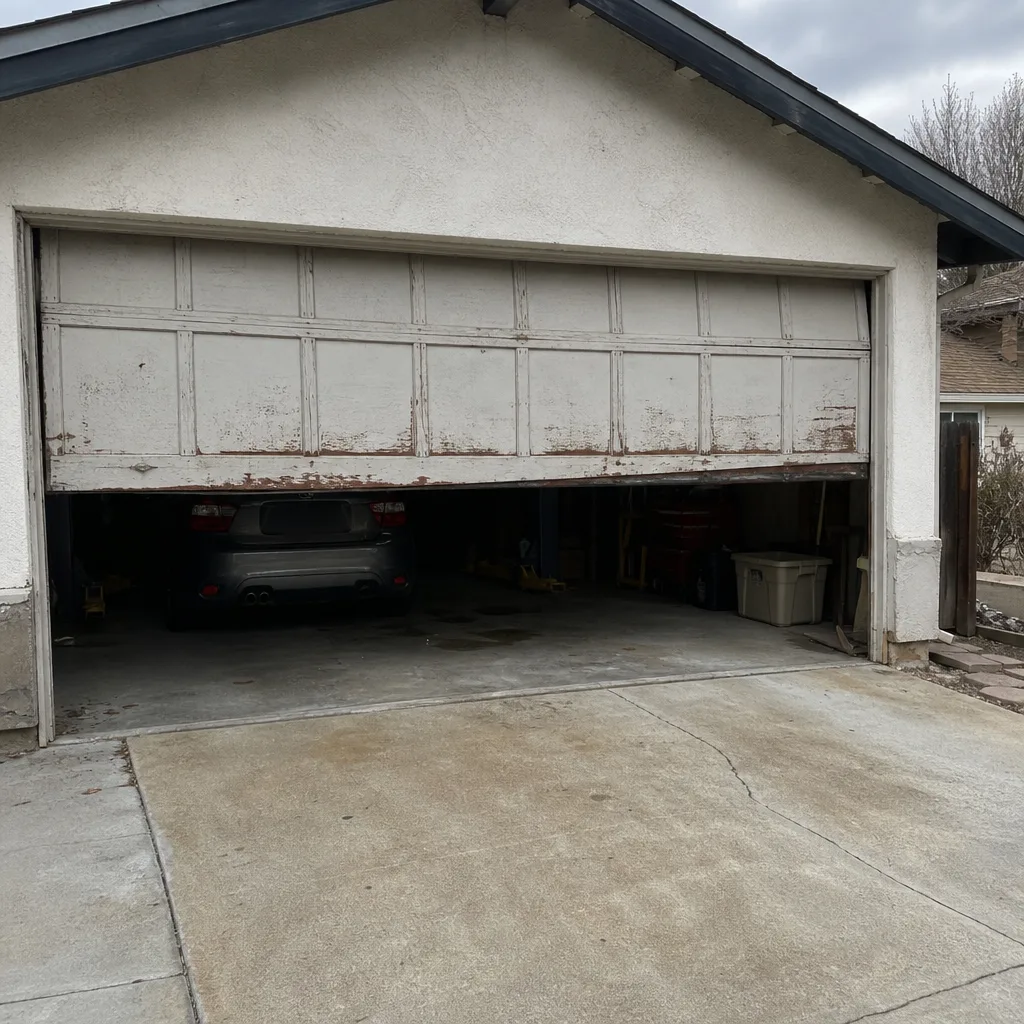 Before
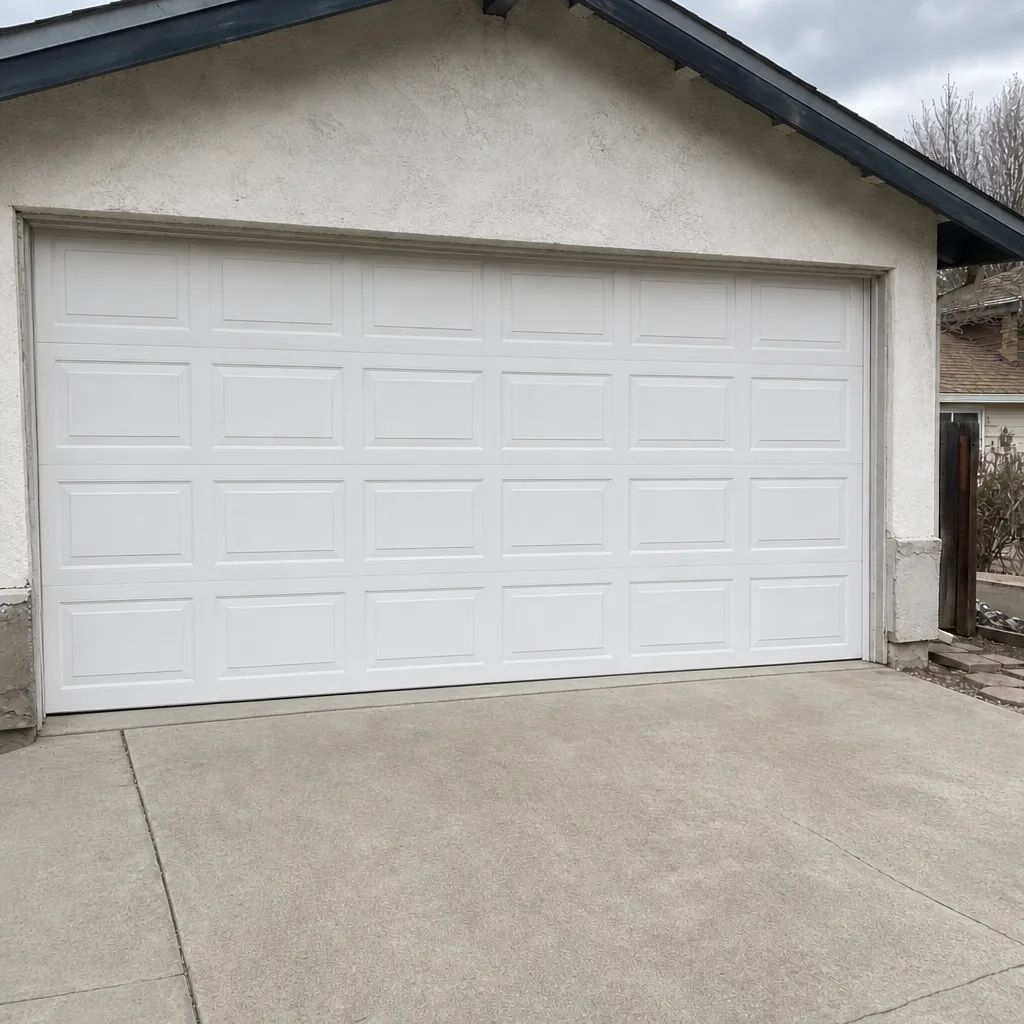 After
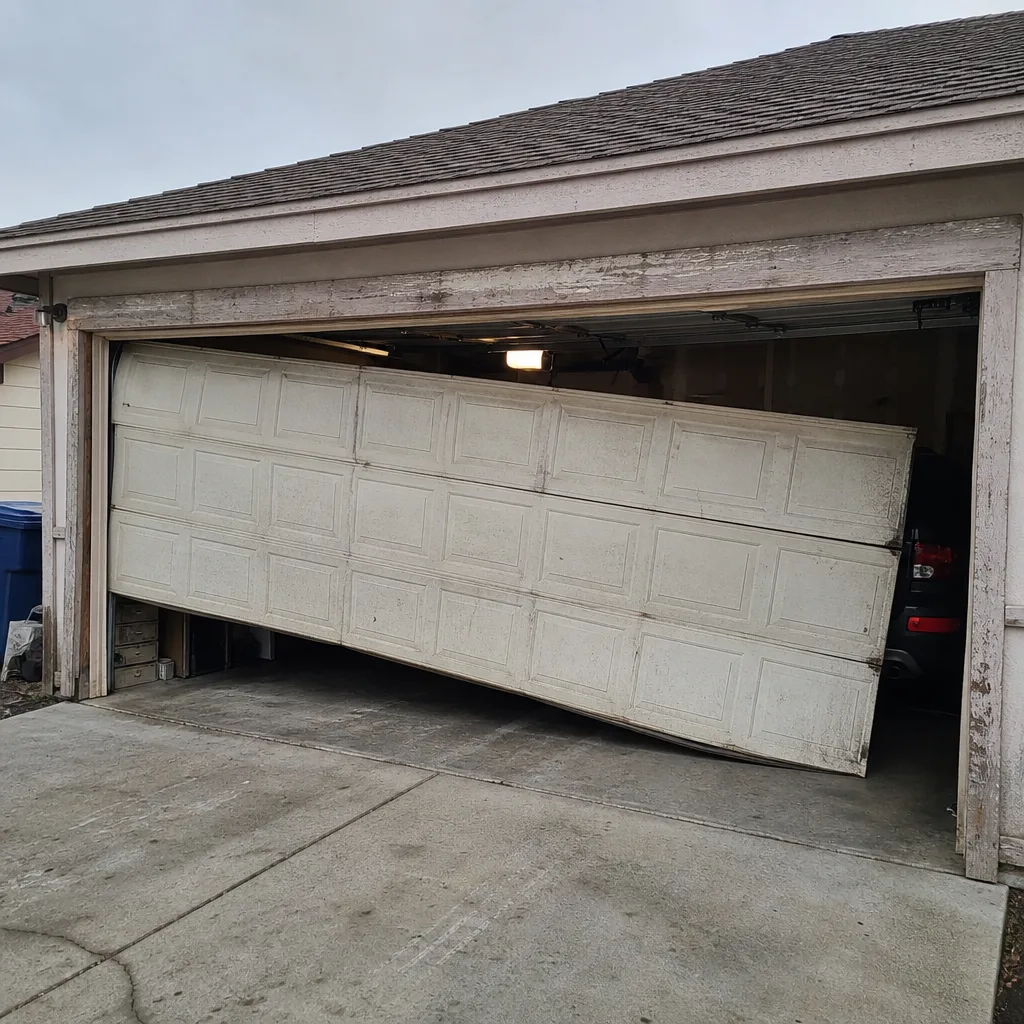 Before
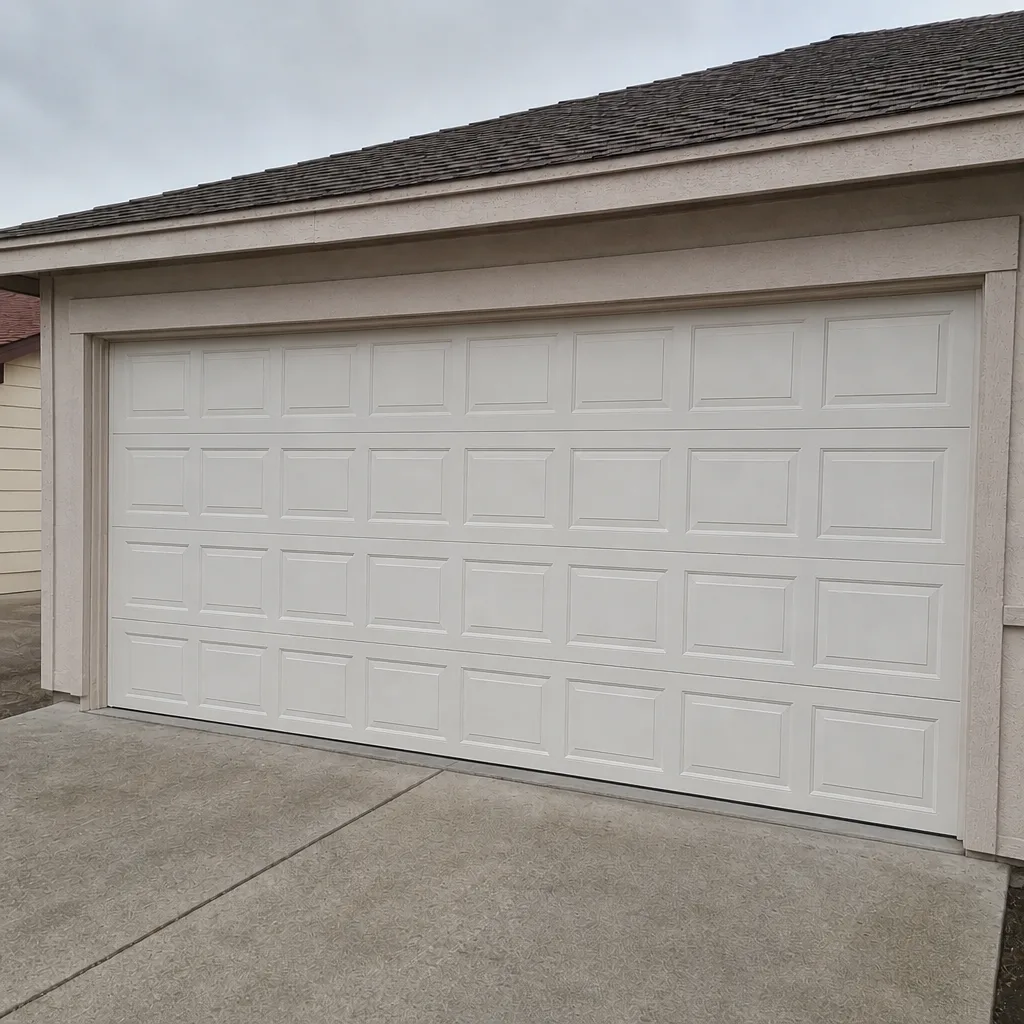 After
When to Call a Professional
Call a pro when you’ve heard or seen any of the warning signs on this page and the door isn’t reliably completing a cycle. Call sooner if the door reverses for no visible reason, if the safety sensors act up, or if the opener hums without moving the door. Those last three are the ones that turn into emergencies. The other signs can wait a few days, but not weeks. A trained eye will balance the door first, then read the opener, then tell you what the repair actually costs. That’s the order. Doing it any other way spends your money on the wrong part. At Otto’s Garage Door Mesquite, we offer free estimates in Mesquite, and we will never quote you one price on the phone and another at the door. Call (844) 320-6569 and we’ll take a look.
Frequently Asked Questions
The single most common sign is a new grinding or humming noise that wasn’t there six months ago. Grinding usually points to a worn gear or a dry chain; humming with no movement points to a stripped drive gear or coupler. Both are catchable early. Call (844) 320-6569 and we’ll tell you what the sound is telling us, no charge for the estimate.
Most opener problems are repairable if caught early. A stripped gear, a worn drive belt, a failed capacitor, or a dead wall control is a small repair, not a replacement. A failing motor under load or a board that keeps tripping is the point where a new unit makes more sense. We diagnose the door first, then the opener, so you’re never paying to replace a part that was fine. Call (844) 320-6569 for a free estimate.
That hum is the motor getting power while the drive gear or coupler has stripped. It’s the classic pre-failure sign, and it’s the one homeowners ignore longest because the unit “sounds like it’s trying.” Catching it in the first day or two usually saves the opener. Call (844) 320-6569 and we’ll sort out whether it’s a gear kit or a unit.
Test it once a month, every month. Put a box in the door’s path and press close. If it doesn’t reverse, or the sensors don’t respond, stop using the door and call us. In our heat, a sensor that worked in March can drift off line by July. A fresh test takes thirty seconds and prevents the one failure that actually hurts people. Call (844) 320-6569 if the reverse test fails.
Blink codes are the opener’s own diagnostic: a pattern of flashes, pause, and repeat, each number mapping to a specific fault like sensor obstruction, force limit, or travel limit. Two of those are cheap fixes. Two point at a tired motor. The model number on the back of the unit plus the manual tells you which. We read these on every call, and we’ll walk you through it. Call (844) 320-6569.
No. We quote on the call and hold that price at the door. If we get out there and find something materially different from what you described, we’ll show you the problem and price the fix before we touch a tool. You’ll never get a surprise invoice from us. Call (844) 320-6569 and we’ll quote the job before we ever roll.
The Bottom Line
Your opener gives you a two-to-four-week warning before it dies, and the warning is free. A new noise, a shrinking remote range, a two-press door, a blink code you never looked at, a reverse that comes out of nowhere: each one is a small part today and a big bill in a few weeks. In Mesquite’s heat, vibration and thermal cycles make loose hardware and tired drives fail faster than they would in a mild climate, so the warning window is real but it’s short. Listen, look, test the reverse monthly. Catch it early and you’ll be paying for a gear kit, not a new opener. And if you’re not sure what the noise means, call and we’ll tell you straight.
Get a Straight Answer Before the Noise Gets Worse
If your opener is making a sound it didn’t make six months ago, or the door does something it didn’t used to, call (844) 320-6569. We’ll quote the job on the call and hold that number at the door. A live person answers around the clock, including that nine-at-night call when a spring lets go and your vehicle is sealed inside. Proudly serving local communities for over 29 years, locally owned and owner-operated, with a published address and license number any homeowner can verify before the truck arrives. Free estimates, a free second opinion on any written estimate, no trip charge inside the county, and a standing 10% discount for seniors and veterans. Start at our Otto’s Garage Door Mesquite home page, and let’s get that door running quiet again.
Written by the team at Otto’s Garage Door Mesquite.