
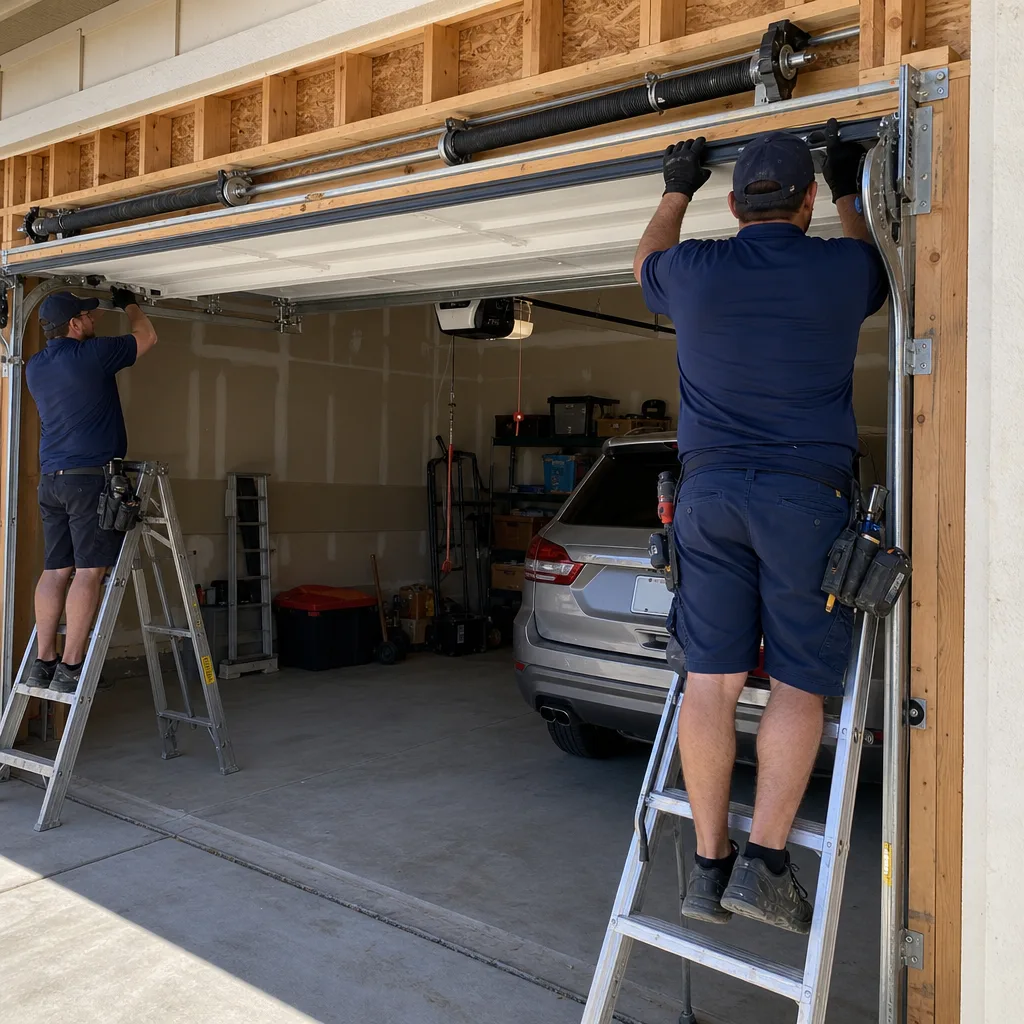
Last updated November 17, 2026
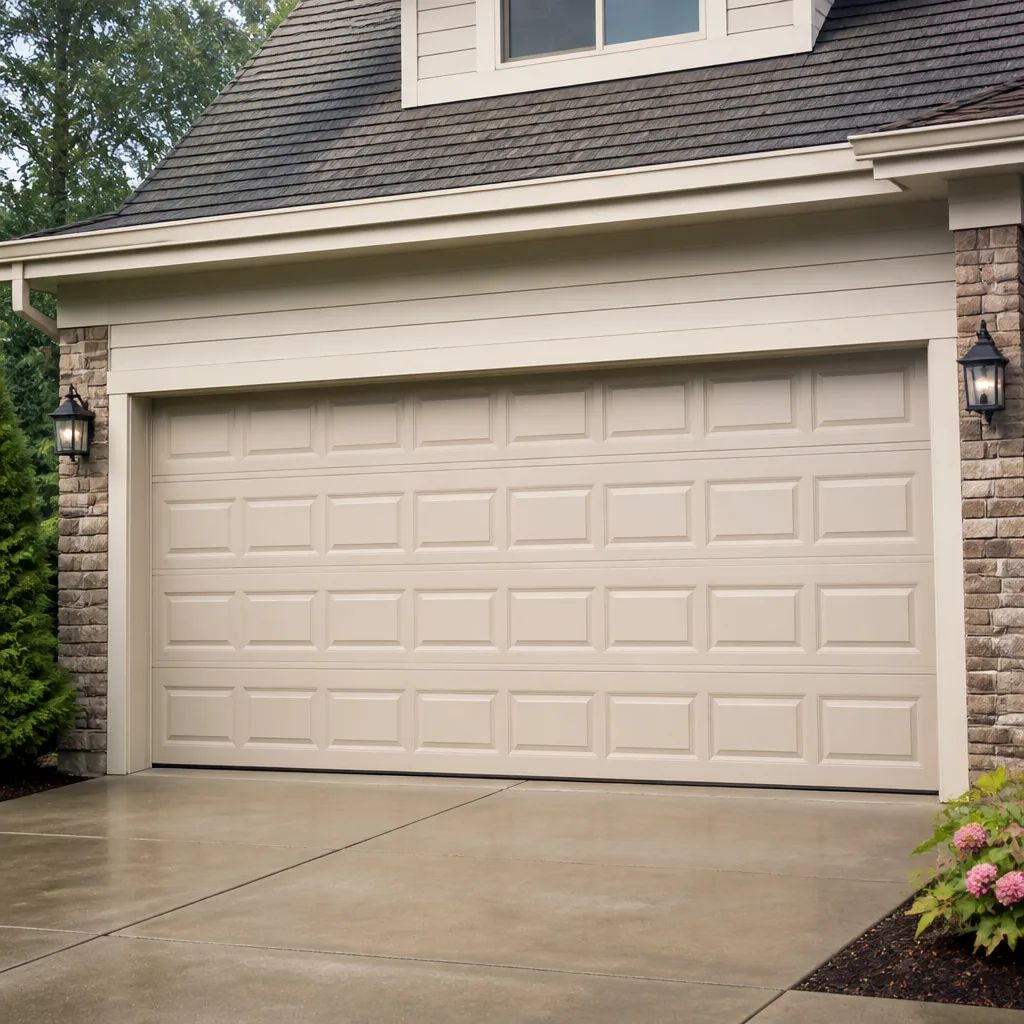 Raised-panel steel
 Carriage house
 Modern flush
 Full-view glass
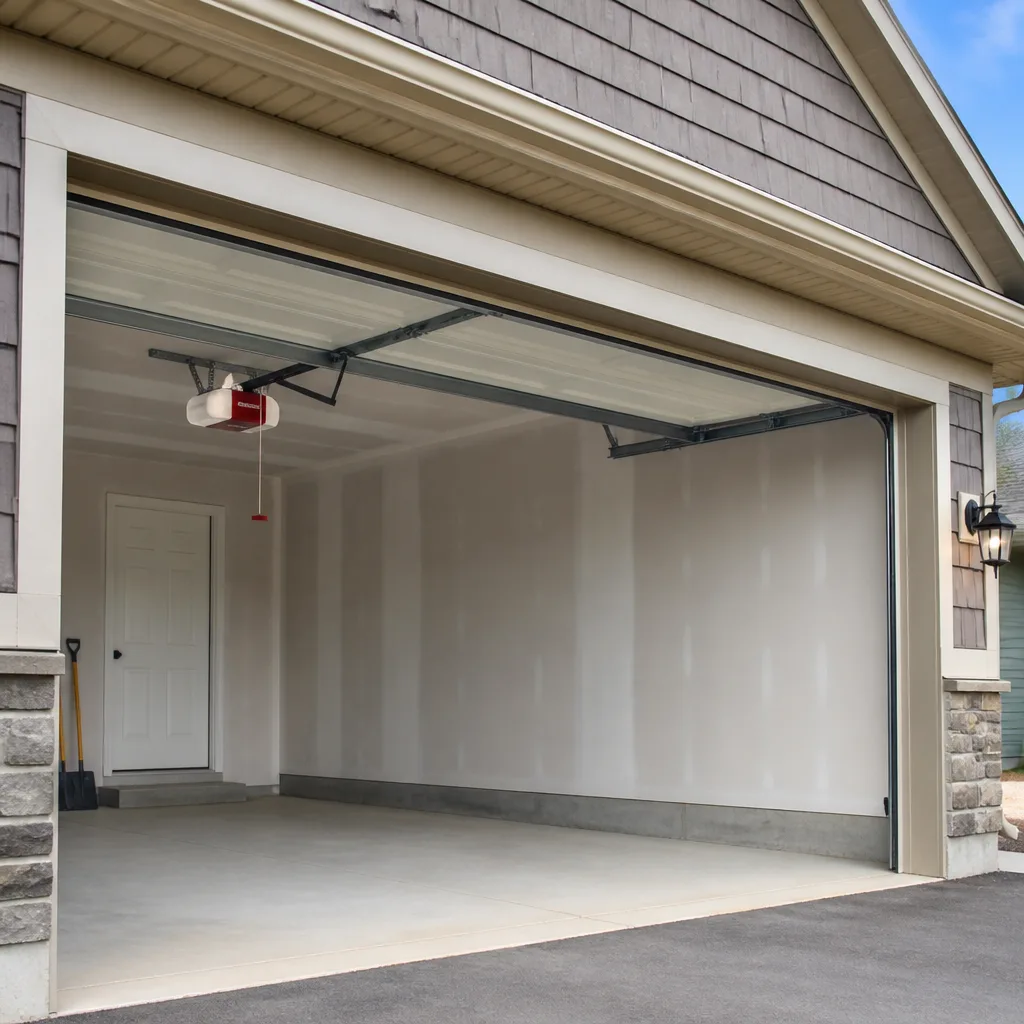 LiftMaster openers
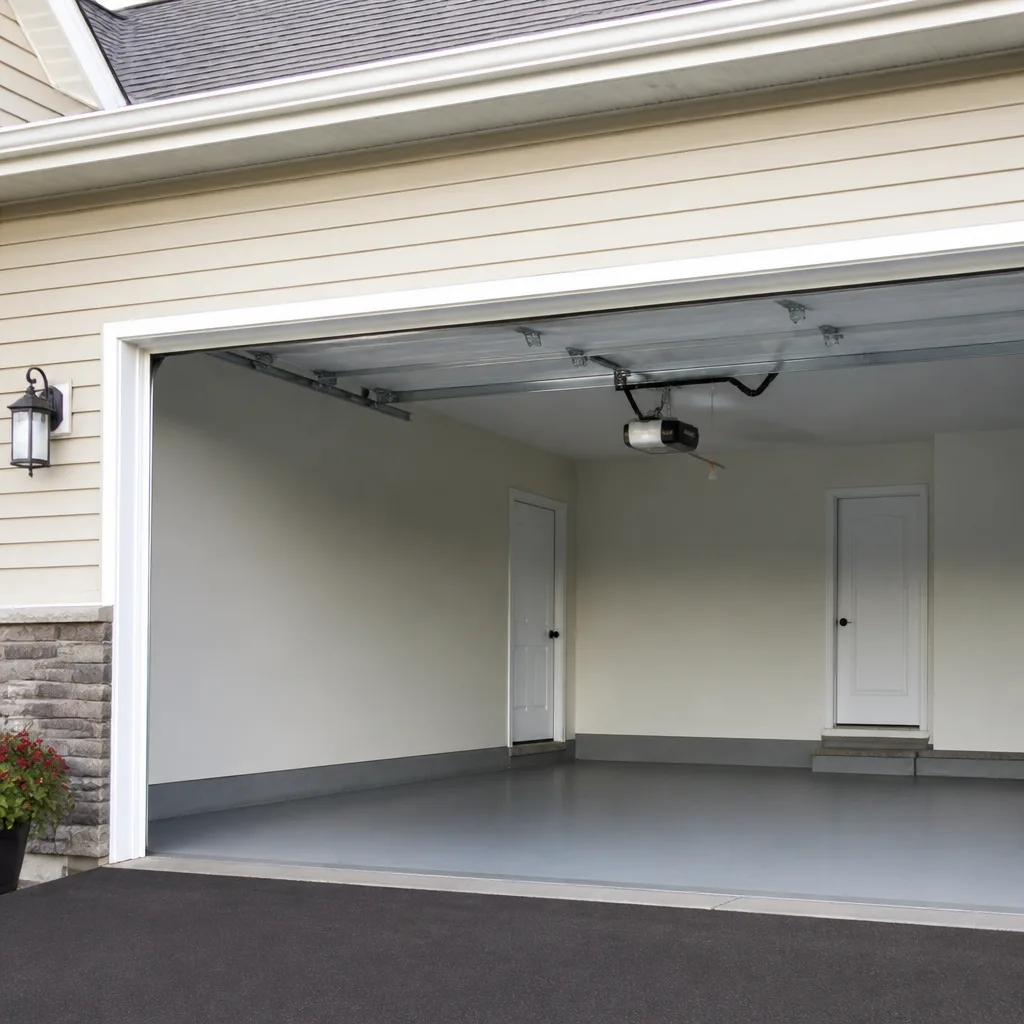 Chamberlain openers
Full 25-point door and opener safety check with every visit - springs, cables, rollers, tracks, and your LiftMaster or Chamberlain opener included
You get a price before we start. It does not change when the pro arrives.
Get your free estimateGarage Door Parts Maintenance Schedule: What to Do and When
Nevada desert heat can cook the grease out of a roller bearing in one summer. That’s not a scare tactic, that’s just what 110°F does to petroleum-based lubricants. The same dry air that cracks your driveway seals shrinks your weather seal and hardens spring coils, and the dust that blows through the Mesquite Valley settles into every hinge and track. Every generic maintenance schedule you’ll find online is written for a mild four-season climate. That’s not us. This guide lays out a month-by-month schedule for Mesquite’s heat, dust, and hard water, names the parts most homeowners forget, and shows you how to spot a failing part before it turns into a $400 emergency.
Quick Answer
A garage door needs lubrication every 3 to 4 months, a balance and safety-reverse test every month, a full visual and hardware inspection twice a year, and a professional spring and cable inspection once a year. In Mesquite, move your heaviest maintenance to March and early April, before the summer heat sets in, and again in October after monsoon dust season. Lubricate the torsion bar end bearings and top roller brackets that most homeowners skip, and never spray WD-40 on a moving garage door part – it’s a solvent, not a lubricant.
Styles & brands we work with
- Raised-panel steel
- Carriage house
- Modern flush
- Full-view glass
- LiftMaster openers
- Chamberlain openers
Table of Contents
- Why Mesquite Heat and Dust Wreck Parts Faster
- The Month-by-Month Maintenance Calendar
- What to Lubricate, What to Use, and What to Avoid
- The Parts Homeowners Almost Always Skip
- The 5-Minute Visual Inspection Checklist
- Monthly Safety Tests You Can Do Yourself
- How Long Parts Last in Southern Nevada
- When to Call a Professional
Why Mesquite Heat and Dust Wreck Parts Faster
A garage door in a mild climate can go years with nothing but an occasional oiling. A door in Mesquite ages on a different curve. National averages for lubricant service life assume an ambient temperature that hovers in the 60s and 70s most of the year. Our garages sit above 100°F for months. Grease that’s rated for a standard interval thins, migrates off the bearing, and leaves metal riding on metal. By the time the door starts to groan, the bearing is already worn.
Dust is the second factor. Spring winds and monsoon season carry fine desert silt that settles into the roller races and hinge pins. Mixed with whatever lubricant is left, that grit turns into a mild abrasive paste that grinds away the tolerance in a roller faster than friction alone ever would. Weather seal is the third victim. The dry air pulls the plasticizers out of the bottom seal, so it stiffens, cracks, and stops sealing. That lets more dust in and lets the conditioned air out of the house.
That’s why a Mesquite maintenance schedule has to be tighter than the national advice. If you want the parts behind a stiff or noisy operation diagnosed properly, our Garage Door Repair in Mesquite page covers how we isolate the failing component rather than selling you a whole door. In our experience, doors kept on the schedule below get noticeably more life out of a set of rollers and a weather seal than doors that get oiled only when they start to squeal.
The Month-by-Month Maintenance Calendar
Forget the generic “quarterly” label. Here’s what to actually do, tied to what’s happening in Mesquite’s climate across the year.
January and February: Cold-Weather Check
Desert nights still dip near freezing. Cold makes the metal contract slightly and makes stiff weather seal more brittle. Test the balance of the door (lift it halfway by hand with the opener disconnected; it should hold there). Listen for a sharp pop on opening, which is often a spring telling you it’s on its way out. Check the bottom seal for cracks.
March and Early April: The Big Pre-Summer Service
This is the most important window of the year. Lubricate every moving part, tighten all hinges and roller brackets, and inspect springs and cables closely before the heat arrives. Get your annual professional inspection done now, not in July. A spring that’s already fatigued will fail faster once the garage runs above 100°F.
May Through August: Monthly Watch
Peak heat. Do the monthly safety-reverse test, keep an ear open for changed noise, and check the opener for strain. Don’t skip lubrication in July just because you did it in March – the heat burns it off faster than the calendar suggests.
September and October: Post-Monsoon Cleanup
Monsoon winds deposit a season’s worth of dust and grit. Blow out or wipe the tracks, clean debris off the photo-eye lenses, and lubricate again. Check the weather seal for sand damage along the bottom edge and inspect the roller brackets for grit buildup.
November and December: Winter Prep
Clear the tracks of hardened debris, re-test the safety reverse, and confirm the outdoor keypad and remote batteries are fresh. Any part you noticed acting up during the summer is worth fixing now before the cold stresses it further.
What to Lubricate, What to Use, and What to Avoid
This is where most people go wrong, usually out of good intentions. WD-40 is not a lubricant; it’s a solvent. It displaces moisture and cleans metal, and that’s fine for breaking loose a rusty bolt. Sprayed into a hinge or bearing, it strips the actual grease out and leaves the part running dry. Want to shorten a part’s life in Mesquite? WD-40 is the efficient way to do it.
Use These
- White lithium grease for the heavily loaded, slow-moving parts – the torsion bar, spring coils, and hinge pivot points. It stays put under heat better than thinner options.
- Silicone spray for the tracks, the rollers, and the weather seal (some silicone products will say seal-safe). It’s the best choice for anything in contact with the seal, since oils can break down the rubber.
- Bearing grease for the torsion bar end bearings and roller bearings, applied sparingly.
Avoid These
- WD-40 or any solvent spray on moving parts.
- Everyday motor oil – too thin, attracts dust, and runs off in the heat.
- Heavy axle grease – thick enough to hold grit on the tracks and trap sand.
- Anything labeled “penetrating oil” for a part you want to keep lubricated.
A good application is a light coat, not a coating an inch thick. Excess lubricant just becomes a dust magnet in this climate. If you’re not sure what a professional should be doing versus what you should handle, our Garage Door Opener Repair & Installation in Mesquite guide covers the opener side of that split.
The Parts Homeowners Almost Always Skip
We see a lot of home-maintenance lists and a lot of half-maintained doors. These two areas get missed on almost every one of them:
- The top roller brackets. Everyone oils the rollers that slide up and down. Almost nobody reaches the top roller brackets mounted at the very top of the track, because they’re high and awkward. Those brackets carry the change in direction at the top of every cycle and are the ones that seize first. If they dry out they can snap under load.
- The torsion bar end bearings. These are the bearings at each end of the horizontal torsion bar above the door. They’re tucked behind the wall plates, easy to overlook, and they’re what actually supports the twisting load of the springs. When they run dry, the door gets tight and the springs work harder than they should. That’s often the invisible cause of premature spring failure in Mesquite.
There’s also the photo-eye and the safety edge, which get dirty and skipped. Cleaning the little lenses under the door once a month (a wipe with a dry cloth) prevents false stops that used to be real reliability. And nobody thinks about the weather seal until it’s cracked through. Once you know the reasons, doing these little tasks is easy. Skipping them just moves the cost to a bigger repair.
The 5-Minute Visual Inspection Checklist
You can catch nearly every emergency before it happens with a walk-around that takes five minutes. Keep it simple. Do it once a month, more in summer.
- Look up at the springs. A gap or a stretched coil, a spot of discoloration, or a visible break line on a torsion spring means stop and call. Don’t operate the door.
- Check the cables. Look for fraying, a kink, or a strand that’s popped. A cable under tension that’s failing is a genuine safety issue, not a maintenance item to defer.
- Scan the tracks. Both sides need to be straight, clean, and free of debris. A bend that wasn’t there before means the door has been hit or the hardware has loosened.
- Run the door and listen. A rattle, a squeak, or a grind that wasn’t there last month tells you which part has changed.
- Look at the bottom seal. Cracks, a hard brittle edge, or daylight showing through when closed means it’s time to replace it.
For the on-the-ground repair work behind anything you find, the team pages behind Garage Door Installation in Mesquite explain how a new door’s hardware is set up and adjusted correctly from the start, which is half the maintenance battle.
Monthly Safety Tests You Can Do Yourself
The safety reverse is the one test every homeowner can and should run. Lay a 2×4 flat on the ground under the middle of the door and close it. The door should reverse on contact and open back up. If it grinds down and stops, the opener needs adjustment. The second test: with the door fully open, the photo-eye lenses should stop the door mid-travel when you break the beam with your hand. Both tests take two minutes.
There’s a firm safety line here. You can test the safety reverse, lubricate the parts, and clean the tracks. You should not adjust a torsion spring. A door is 200 pounds riding on two springs, and a spring under tension can release with enough force to cause serious injury. Adjusting cables or springs by hand is a job for someone who knows the danger and has the right winding bars. This is the one part of garage door work that genuinely shouldn’t be DIY. Know what to check, not how to do it yourself.
How Long Parts Last in Southern Nevada
National equipment charts assume a standard cycle count and a mild climate. Local conditions move the numbers. In our experience servicing doors across Mesquite, here’s a realistic read:
- Torsion springs: often 8,000 to 12,000 cycles under average use, but heat fatigue shortens that. A door cycled four times a day in a hot garage may not see ten years, and a spring that’s run dry from a skipped bearing can fail in half that.
- Rollers: nylon rollers often last several years if kept clean and dry, but grit and dust accelerate wear. Steel rollers last longer but get louder faster in this climate.
- Weather seal: the dry desert air hardens it faster than the national average. We often see seals needing replacement years before the charts would suggest.
- Photo-eyes and hardware: generally durable, but dust and heat still take a toll. Regular cleaning and lubrication is what keeps them inside their design life.
Which brand you have matters less than the schedule you keep. Clopay, Amarr, Wayne Dalton, and Craftsman hardware all age the same way when a part runs dry in 110°F heat. Good maintenance beats a premium brand every time.
Common Mistakes to Avoid
- Spraying WD-40 on hinges and bearings. It feels like oiling, but it’s a solvent that strips the lubricant and leaves metal dry. In Mesquite’s heat that mistake shows up in a few weeks.
- Greasin the tracks. Tracks should stay clean and dry, not greasy. Lubricant on the track collects dust and turns into a grinding paste, which wears the rollers faster.
- Ignoring the top roller brackets and end bearings. These get skipped because they’re high and awkward. They’re the parts that fail first.
- Doing the “big service” in midsummer. Pre-summer in March and early April is the season that matters here. Waiting until July’s heat has already weakened the springs means you’re fixing instead of preventing.
- Assuming a squeak is the opener. If the opener is straining, the problem is almost never the opener. It’s a binding door. Lubricate and inspect first, then test the opener.
- Adjusting a spring on your own. A spring under tension is dangerous. If you see a gap, discoloration, or a stretched coil, stop and let someone with the tools and the training handle it.
- Letting a stiff weather seal ride. A hardened seal that no longer seals lets dust in and steals your cooling efficiency. In this climate, that’s a two-part bill.
See the difference
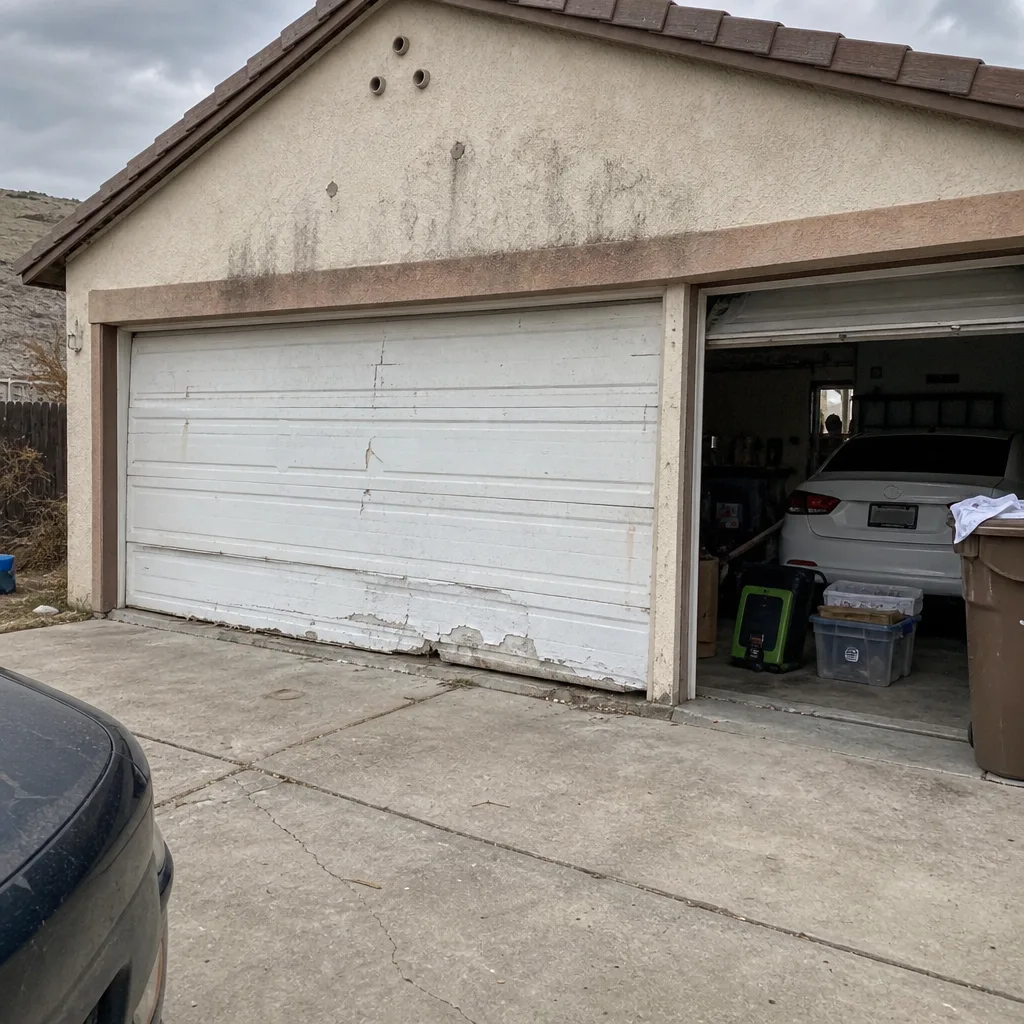 Before
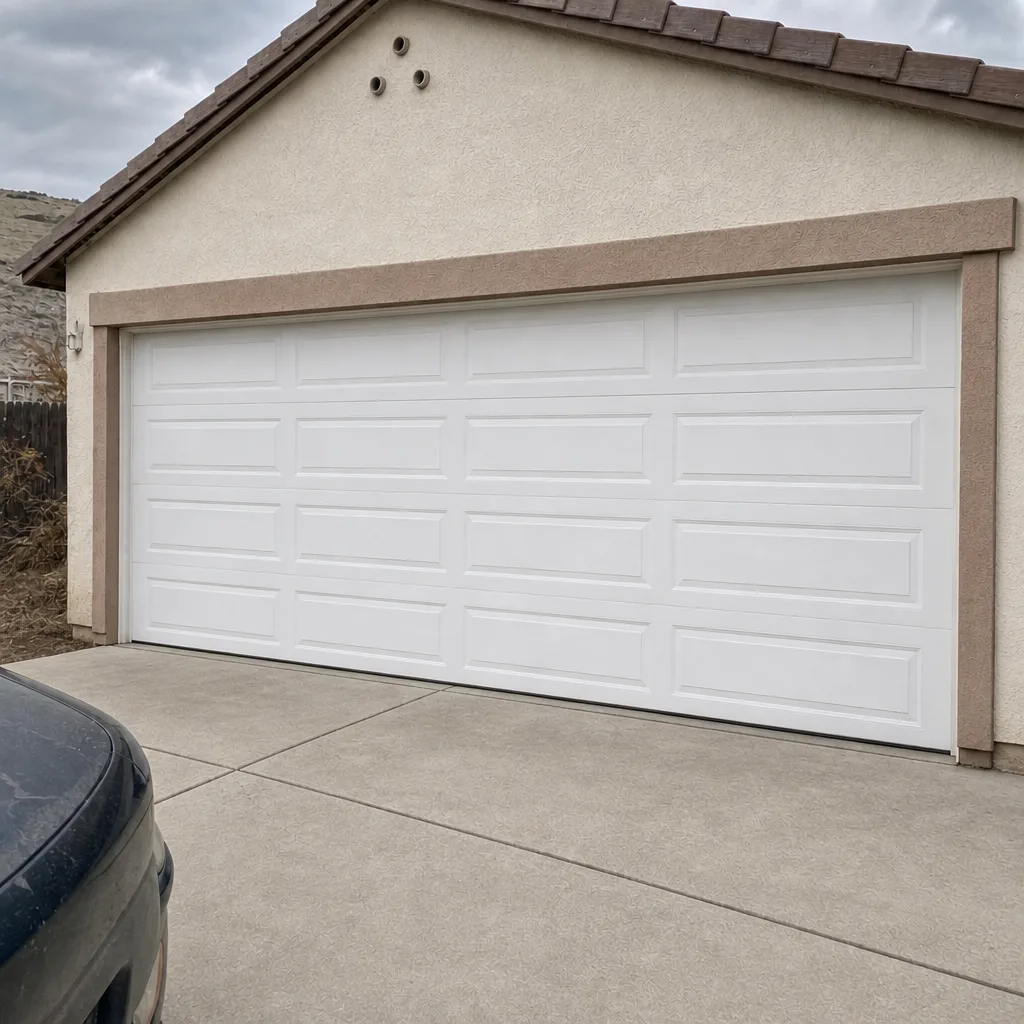 After
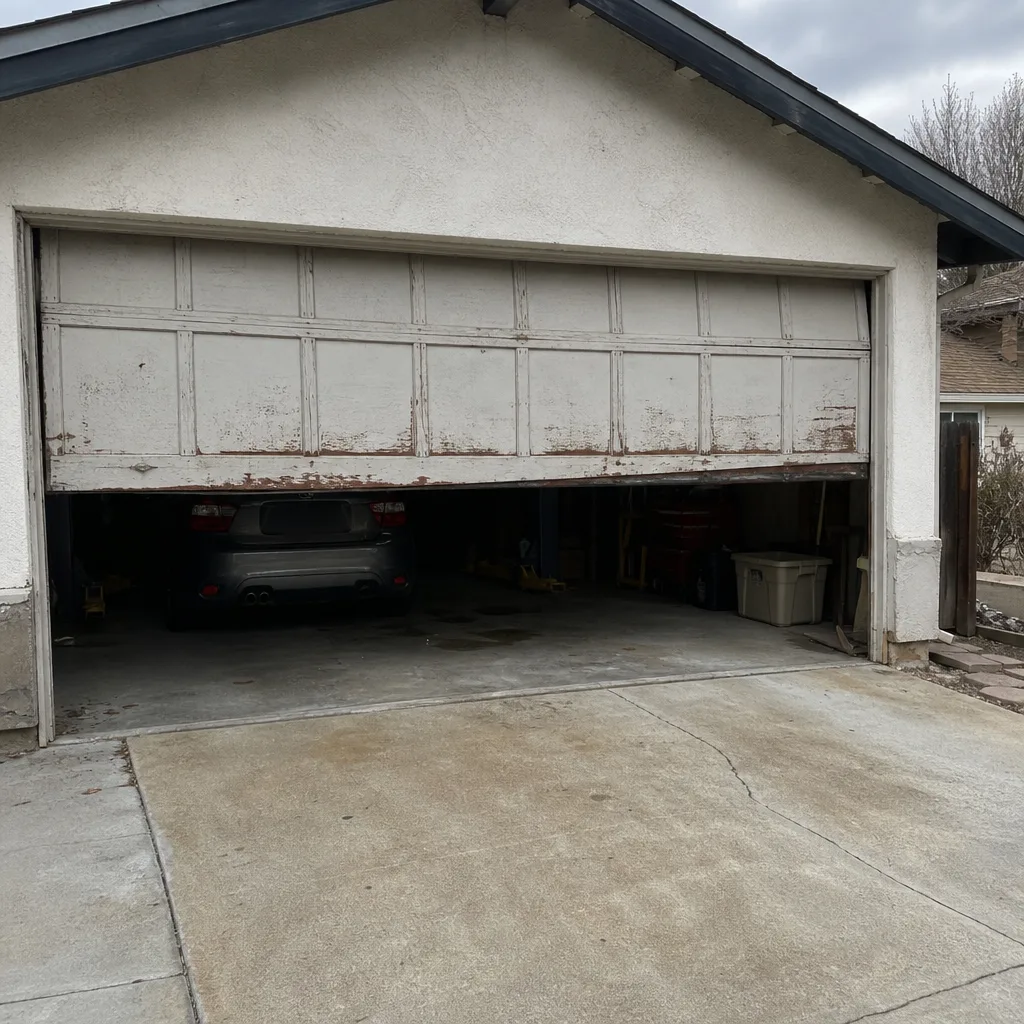 Before
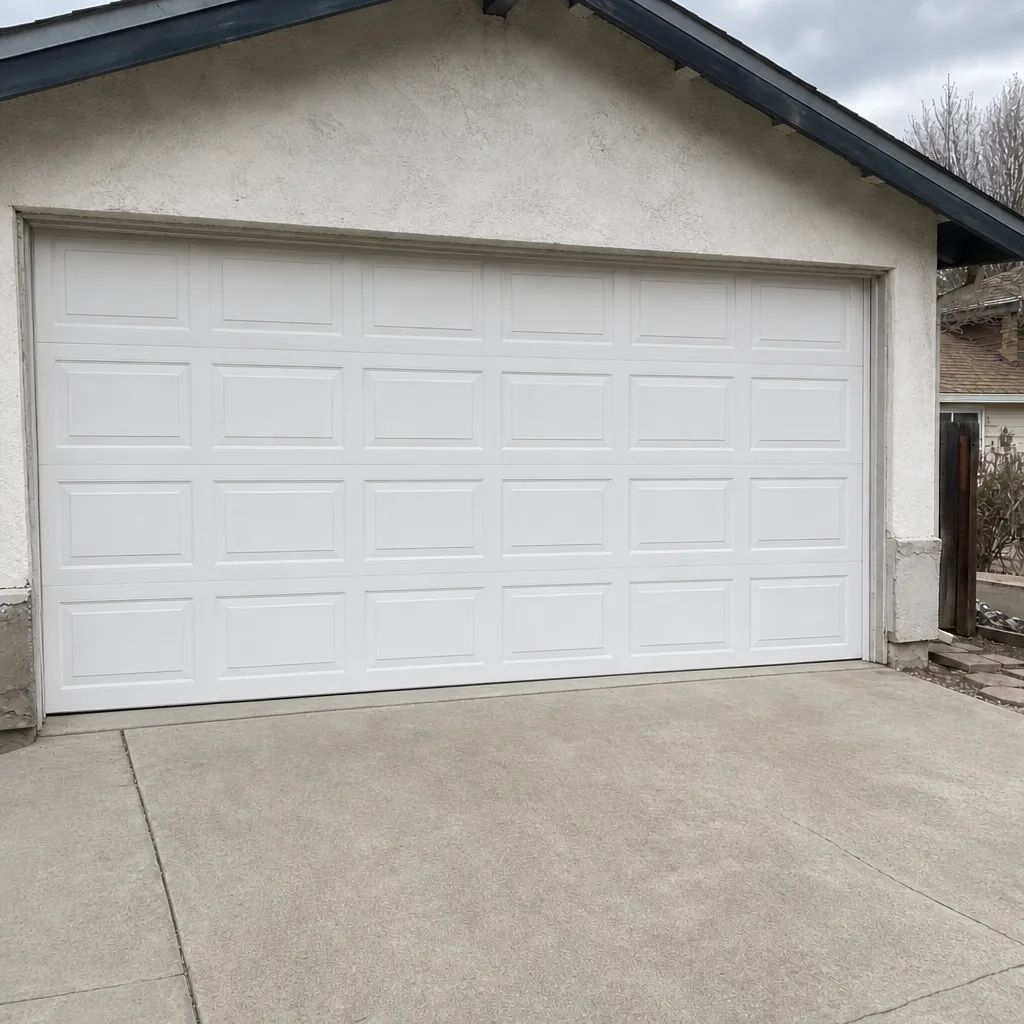 After
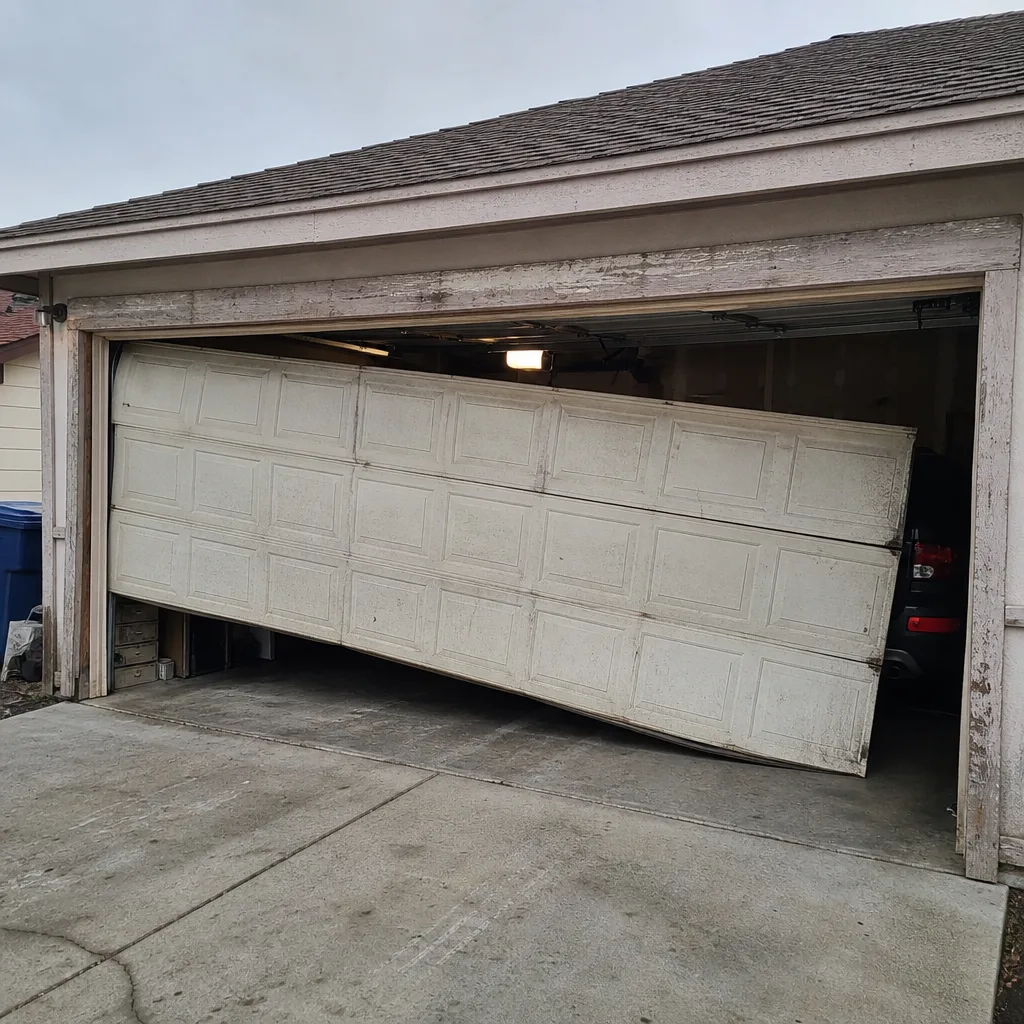 Before
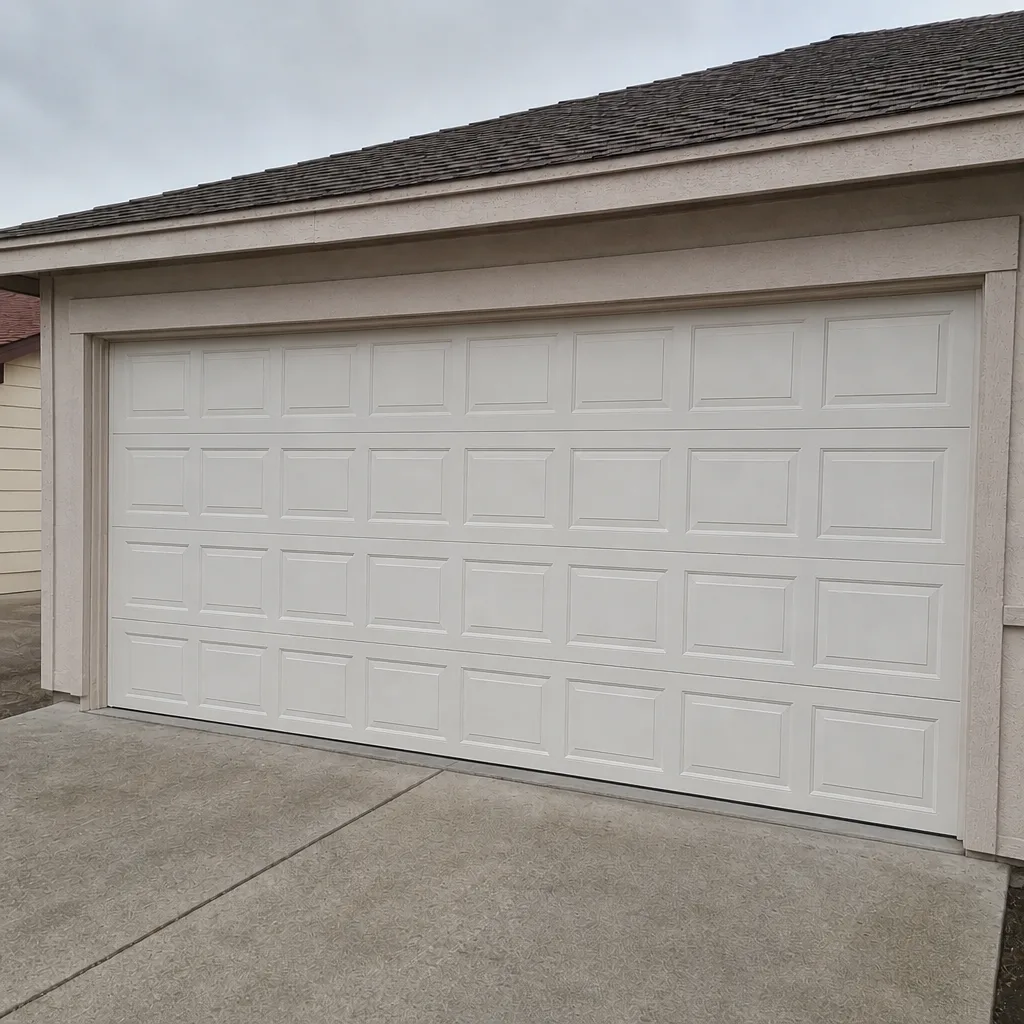 After
When to Call a Professional
Call us when the door starts moving unevenly, when you hear a sharp pop at the start of a cycle, when a cable looks frayed or kinked, or when the opener strains to lift the door. Those often point to a spring or cable problem that shouldn’t wait. Also call if your door is more than a couple years old and has never had a professional inspection. A trained eye will catch a fatigued spring or a worn roller before it fails. Our technicians have up to 22 years of experience, and every job comes with the 90-Day Done Right Promise in writing. If you’re in Mesquite, we offer free estimates – call (844) 320-6569.
Frequently Asked Questions
Every 3 to 4 months, and more often in the summer heat. In this climate, the grease on a bearing burns off faster than in a mild climate, so a March lubrication often needs a July touch-up, especially on the torsion bar end bearings and the top roller brackets. Use white lithium grease for the loaded parts and silicone spray for tracks, rollers, and the weather seal. For an exact quote on a proper service, call (844) 320-6569 – estimates are free.
No – WD-40 is a solvent, not a lubricant. It cleans and displaces moisture, but it strips the grease out of bearings and hinges and leaves the metal dry. Here in Mesquite’s heat, that mistake shows up quickly. Use white lithium grease or silicone spray instead.
The heat, dust, and dry air all work against the parts. Temperatures above 100°F thin and burn off lubricant, dust gets into rollers and bearing races and acts like an abrasive, and the dry air cracks the weather seal and hardens the springs sooner. A tighter maintenance schedule in Mesquite offsets most of that extra wear.
In many cases, yes – we try to get a spring repair handled the same day when you call early, since a broken spring can leave your vehicle trapped inside. Call (844) 320-6569 and we’ll give you the number on the phone. Just know that a spring is a genuinely dangerous part – don’t try to run the door or adjust it yourself.
Yes – once a year, and now is a good time to do it. A trained technician can see a fatigued spring or a worn bearing before it fails. Those small issues are cheap to fix and expensive to ignore, especially once the summer heat arrives. Call (844) 320-6569 for a free estimate.
Lubrication. A can of white lithium grease and a can of silicone spray will handle a full door. The trick is to use them on the right parts – the top roller brackets and the torsion bar end bearings most homeowners skip – and to do it before the heat cooks off what’s already in place.
The Bottom Line
A Mesquite garage door lives in a harsher climate than the national maintenance advice assumes. Heat burns off lubricant, dust grinds away tolerance, and dry air hardens the weather seal. The plan: heavy service in March and early April before the summer, a post-monsoon cleanup in October, monthly visual and safety-reverse tests, and lubrication every 3 to 4 months on the parts most people forget – the top roller brackets and torsion bar end bearings. Use the right lubricant, never WD-40, and leave the springs to a professional. Do that, and your door lasts years longer.
If anything on your door is acting up, or it’s simply time for a check, we’re local and we’ll give you a straight answer. Call (844) 320-6569 for a free estimate. The name on the invoice is the name on the license, and the guarantee is in writing. You can also start at our Otto’s Garage Door Mesquite home page.
Written by the team at Otto’s Garage Door Mesquite.