
Last updated November 17, 2026
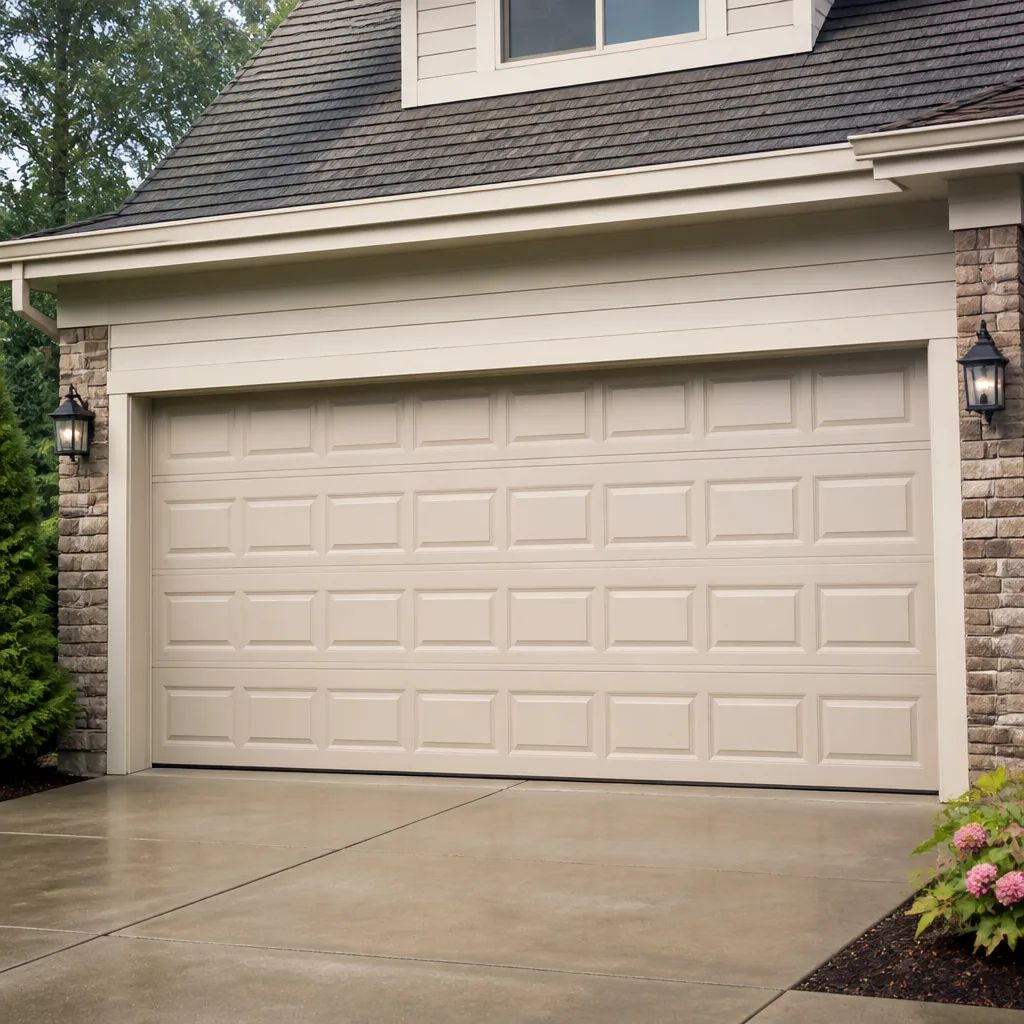 Raised-panel steel
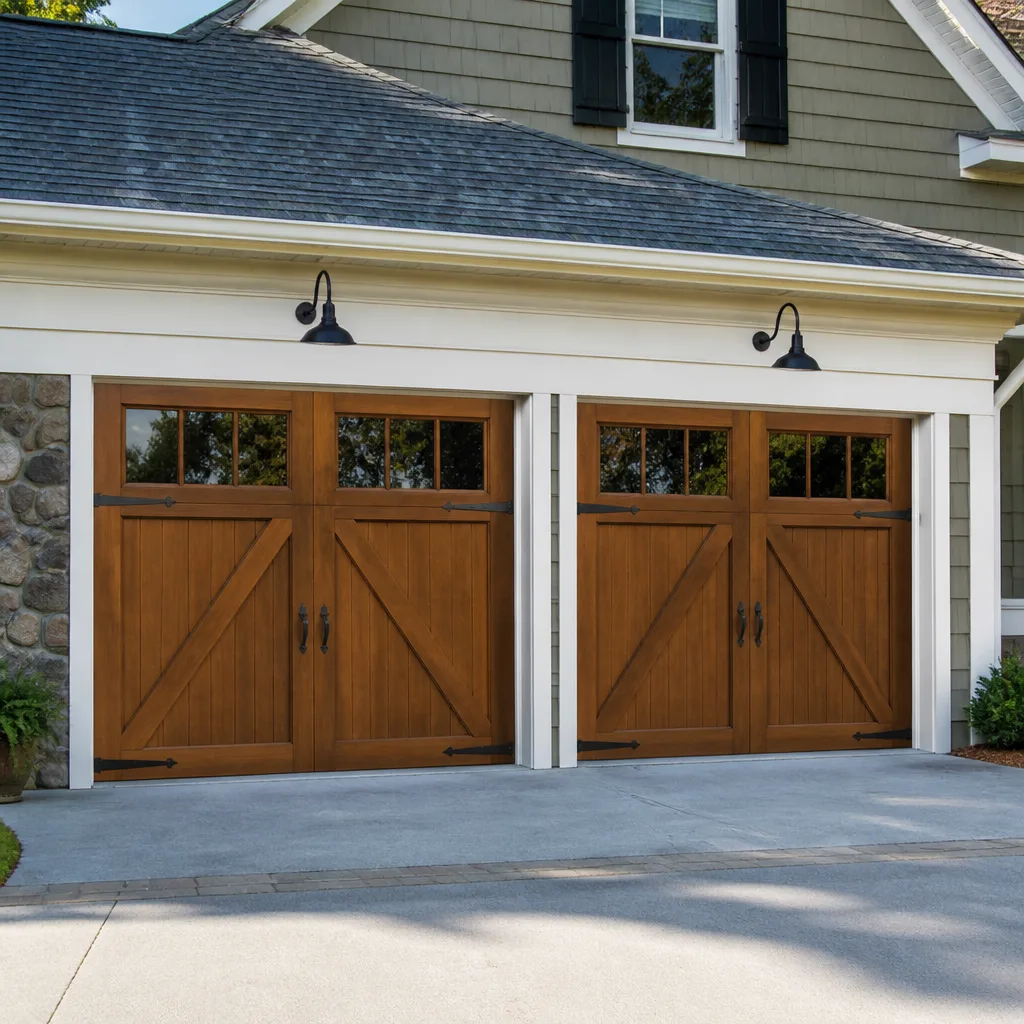 Carriage house
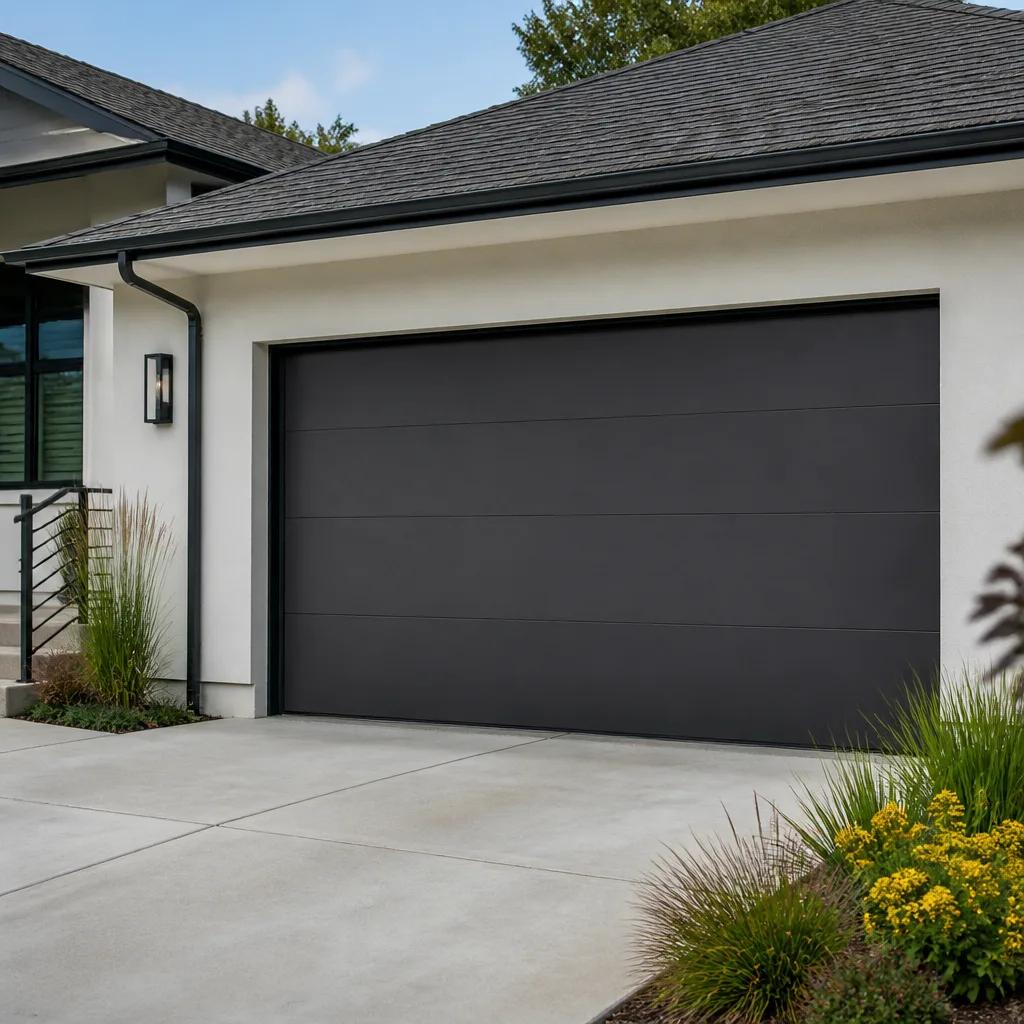 Modern flush
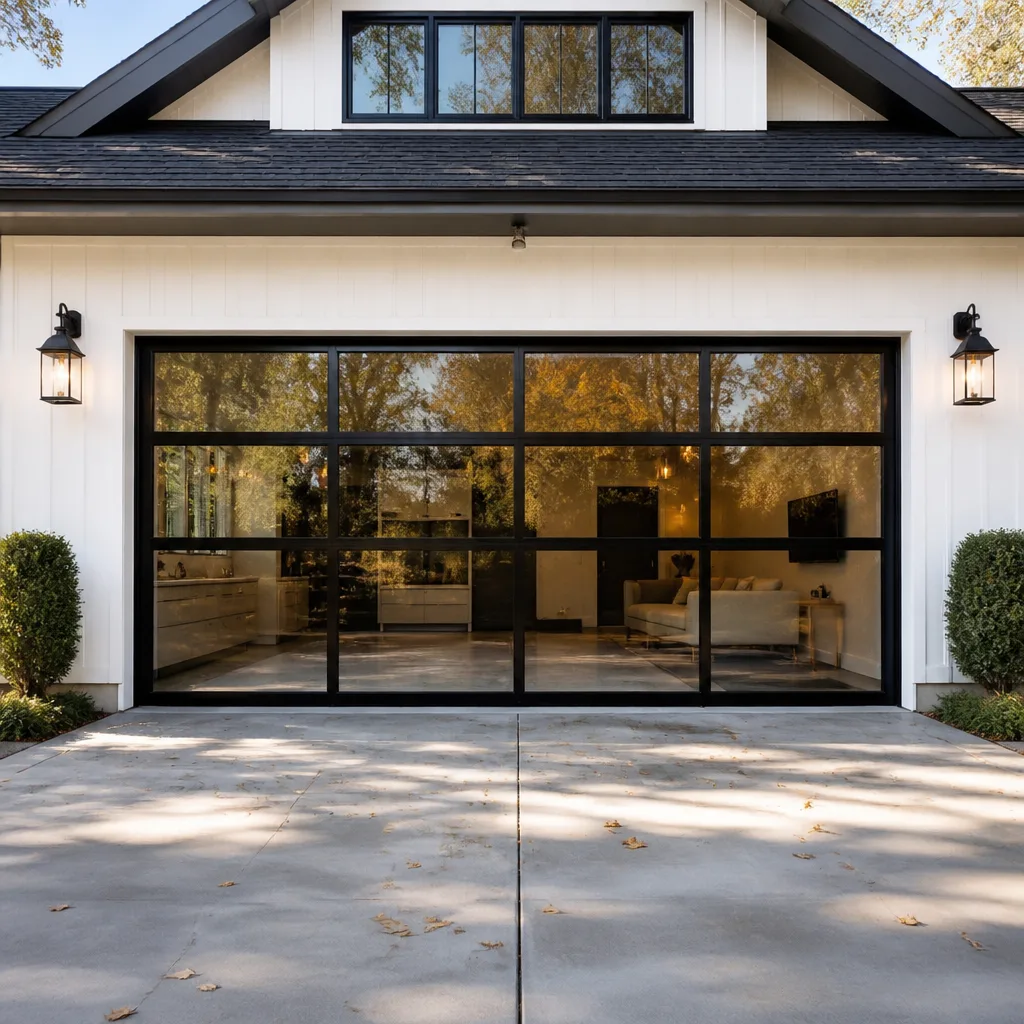 Full-view glass
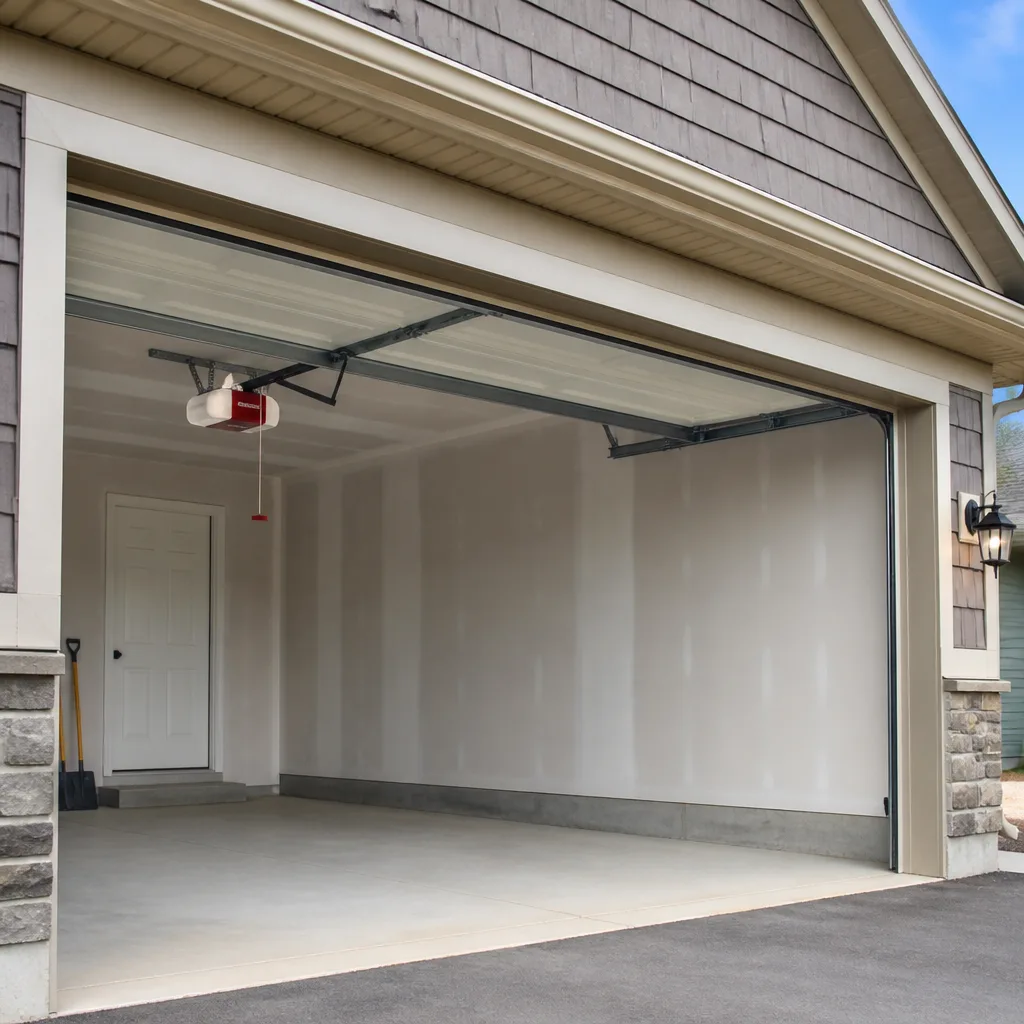 LiftMaster openers
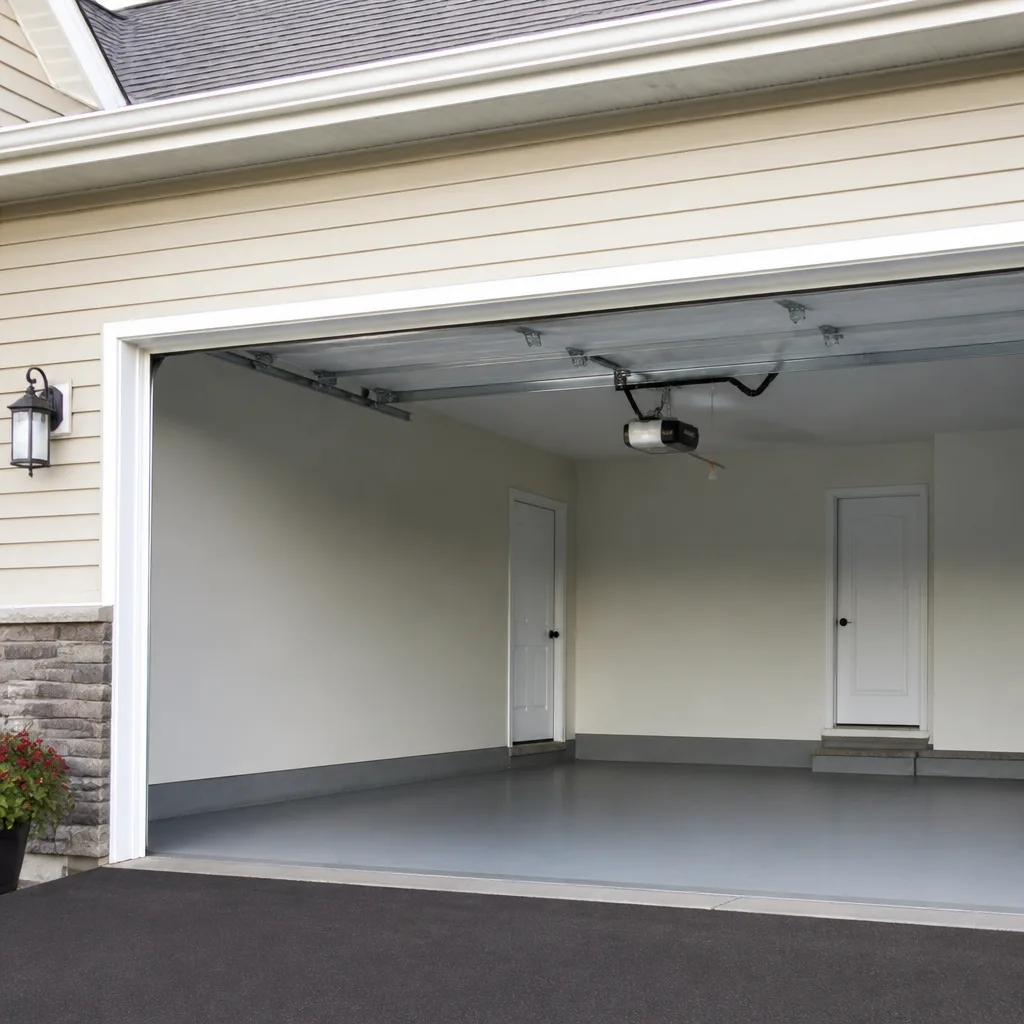 Chamberlain openers
Full 25-point door and opener safety check with every visit - springs, cables, rollers, tracks, and your LiftMaster or Chamberlain opener included
You get a price before we start. It does not change when the pro arrives.
Get your free estimateGarage Door Opener Repair & Installation Troubleshooting: Common Problems and How to Fix Them
The number one reason we get called out for an “opener that won’t work” is a photo-eye that got bumped by a broom handle. Number two is a dead battery in the wall button’s backup. Neither one costs you a service fee if you know to look there first. We’ve answered enough of these calls in Mesquite to know that nine out of ten opener service visits could have been sorted at the kitchen counter in under ten minutes. This guide gives you the exact order to check things, from the wall button outward, so you can fix the easy stuff yourself and know the moment it’s genuinely time to put the phone down and call someone.
Quick Answer
Most garage door opener problems come down to one of six things: lost power, a logic board fault, misaligned photo-eyes, travel limits that drifted, force settings gone off after a weather change, or a remote transmitting on a frequency the opener isn’t listening for. Work the checklist in that order, starting at the wall button, and you’ll usually find the culprit before you’ve finished your coffee. A door that reverses on its own or a motor that hums without moving the door is a different story, and that’s covered below.
Styles & brands we work with
- Raised-panel steel
- Carriage house
- Modern flush
- Full-view glass
- LiftMaster openers
- Chamberlain openers
Table of Contents
- The Decision Tree: Start at the Wall Button and Work Outward
- Power and the Logic Board: Where Every Diagnosis Begins
- Photo-Eyes: The Most Common Culprit in Mesquite
- Travel Limits and Force Settings
- When the Door Reverses Unexpectedly: Force, Obstruction, or Trolley Carriage
- Humming, Starting and Stopping, or Running Without Moving the Door
- What the Error Code Blink Patterns Actually Mean
- Two Repairs That Look Simple but Create Serious Liability
The Decision Tree: Start at the Wall Button and Work Outward
Here’s the sequence we walk every homeowner through on the phone. It runs from the simplest, most likely cause to the least likely and most expensive, in this exact order: wall button, power, logic board, photo-eyes, travel limits, force settings, remote frequency. Do not skip ahead. If you start by reprogramming the remote, you’ll spend twenty minutes on the wrong end of the problem.
- Press the wall-mounted button inside the garage. If the door moves, the opener and the motor are fine and your problem is the remote or the wall button itself. If nothing happens, keep going.
- Check the power. Look for a tripped breaker, a switch that got flipped during a cleaning spree, or a GFCI outlet that tripped. If the opener is plugged into a switched outlet, make sure the switch is on.
- Look at the logic board. Open the light lens or motor housing cover as your manual directs. A burnt smell, visible scorch marks, or a board that won’t light up at all means the board has failed.
- Inspect the photo-eyes. Both units at the bottom of the tracks should have a steady light. If one is blinking, misaligned, or dark, the opener is refusing to close the door on purpose.
- Test the travel limits. If the door stops short going up or down, the open or close limit has drifted. More on that below.
- Check the force settings. If the door reverses the moment it meets any resistance, the force calibration is off.
- Reprogram the remote last. If everything above checks out, then and only then re-pair the remote or replace its battery.
We run this same sequence in the field across Mesquite and the surrounding valley, and the pattern holds whether the opener is a LiftMaster, a Chamberlain, a Genie, or an older unit someone inherited with the house.
Power and the Logic Board: Where Every Diagnosis Begins
Before you touch anything, confirm the opener is actually getting power. It sounds obvious, and it’s still the second-most common reason we’re called out. A breaker that tripped during a monsoon-season power flicker, a GFCI that let go, or a plug that worked its way loose behind the motor will all look exactly like a dead opener.
If the outlet has power and the opener still won’t respond, look at the logic board. This is the circuit board that runs everything, and it’s the single most expensive component short of the motor itself. Signs it has failed:
- A burnt electronics smell coming from the motor housing.
- Visible scorch marks, bulging capacitors, or dark spots on the board.
- No status light at all when the unit is powered.
- A light that comes on but no response to the wall button, remote, or safety reverse test.
Mesquite homes take a beating on opener electronics. Late-summer heat cycling inside an uninsulated garage can push temperatures past 110 degrees, and that’s hard on capacitors and solder joints. We see more board failures in homes with west-facing garage doors than any other orientation because the afternoon sun sits on that wall for hours. If your opener lives on that wall, a surge protector and a little garage ventilation go a long way. When the board is gone, it’s a replacement, not a repair. Call us for a free estimate rather than guessing at the wrong board for your model.
Photo-Eyes: The Most Common Culprit in Mesquite
The photo-eye safety system is two small sensors mounted about six inches off the floor, one on each side of the door. One sends an invisible beam, the other receives it. If anything breaks that beam, the opener will refuse to close the door. That’s a safety feature, not a fault, and it’s working exactly as designed when it stops the door.
Here’s what to check:
- Alignment. Both sensors should face each other squarely. A broom handle, a rolling trash bin, or a bicycle tire can knock one out of line by a fraction of an inch and stop the door cold.
- Indicator lights. The sending unit usually has a steady green or amber light. The receiving unit should have a steady light too. If the receiving light blinks or is dark, the beam isn’t getting through.
- Obstructions. Cobwebs, dust, and in Mesquite, windblown desert grit coating the lens will block the beam. A soft cloth and a quick wipe fixes most of these.
- Sunlight. A west-facing garage door can have its photo-eye blinded by direct low-angle sun at certain times of year. If the door only fails in the late afternoon, this is likely your cause.
- Wiring. The thin low-voltage wires running from the sensors to the opener can be nicked by a weed trimmer or chewed by a rodent. If the light on one sensor stays dark no matter what, inspect the wire run.
Our techs have up to 22 years of experience with this exact call, and it’s the one we most often resolve without a repair at all. If a homeowner can realign the sensors themselves, we tell them so. That’s what Garage Door Opener Repair & Installation in Mesquite is supposed to look like: honest about the small stuff.
Travel Limits and Force Settings
Travel limits tell the opener how far to raise and lower the door. Force settings tell it how hard to push before it gives up and reverses. Both are adjustable, both drift over time, and both are the source of a lot of the “door stops halfway up” and “door reverses right after it touches the floor” complaints we hear.
When the door stops short going up, the open travel limit has moved. When it stops short going down, it’s the close limit. Most openers have adjustment screws or a digital menu on the motor head, and the procedure to nudge these differs by brand. On a LiftMaster or Chamberlain, the adjustment screws are labeled and turn with a screwdriver. On a Genie, the limits are usually set with a programming sequence on the wall console.
Force settings are the ones to handle with care. A door that reverses the second it touches the floor may have its force set too low, which is safe but annoying. A door that pushes through an obstruction because the force is set too high is a genuine hazard, especially if a child or a pet is under it. Never increase the force setting to solve a door that’s binding or dragging. That’s a symptom of a mechanical problem, not a calibration one.
In our experience across Mesquite, force and limit adjustments are the point where a DIY fix can make things worse. If you’re pressing a screwdriver against something you don’t fully understand on a 200-pound door, that’s the moment to call. For scheduled work, we offer a free measure and a written price before we touch anything.
When the Door Reverses Unexpectedly: Force, Obstruction, or Trolley Carriage
An opener that reverses partway through a cycle has three common causes, and the trick is telling them apart. Here’s how:
- Force calibration problem. The door reverses at a consistent point every time, with nothing in the way, and there’s no visible binding. The opener is sensing resistance that isn’t really there, usually because the force setting drifted after a temperature swing.
- Physical obstruction. The door reverses at different points, sometimes reverses and sometimes doesn’t, and there may be a scraping sound. Check the tracks for debris, a bent section of track, a roller that’s popped out, or something under the door’s path.
- Failing trolley carriage. The carriage is the piece that rides the rail and pulls the door. When it wears, it can slip, and the opener senses the slip as an obstruction and reverses. You’ll sometimes hear a grind or a clunk from the rail as the carriage engages.
The diagnostic step is simple: disconnect the door from the opener using the manual release cord, then move the door by hand. If the door moves freely, the problem is in the opener side, likely force calibration or the carriage. If the door binds or drags, the problem is mechanical, likely tracks, rollers, cables, or springs, and the opener is correctly trying to stop before it breaks something. That distinction matters because a binding door with a cranked-up force setting is how people end up with a snapped cable or a bent panel.
If you’re in Mesquite and the door binds when you move it by hand, stop there. That’s a mechanical problem our Garage Door Repair in Mesquite crew handles as a matter of course.
Humming, Starting and Stopping, or Running Without Moving the Door
The sound the opener makes narrows the diagnosis faster than anything else. There are three patterns, and each points to a different culprit:
- The motor hums but won’t move the door. That’s almost always a failed capacitor. The capacitor gives the motor the jolt it needs to start turning, and when it fails, the motor hums but has no torque. It’s a cheap part for the right person to replace.
- The motor starts and stops repeatedly, or shuts down after a minute of running. That’s overheating. The thermal protection circuit is tripping because the motor is working too hard, which usually traces back to force settings too high, a binding door, or a motor that’s simply at the end of its life. Running the opener repeatedly to test it makes this worse. Give it time to cool before testing again.
- The motor runs and the chain or belt moves, but the door doesn’t. That’s a stripped gear kit inside the opener. The gears that transfer the motor’s rotation to the rail wear out over years of cycles.
Of those three, the capacitor is the repair we see most often in Mesquite homes that are 10 to 15 years old, and the gear kit is the most common on older units. We count spring cycles the way you count tire miles, and the opener’s cycles add up the same way. If your opener is at the end of its practical life, the honest recommendation may be replacement rather than another repair, and we’ll tell you that to your face. Get a free written estimate on new door or opener installation before you sink money into a motor that’s already given you its best years.
What the Error Code Blink Patterns Actually Mean
Every major opener brand uses a blink sequence on the motor head’s LED to report faults, and the manuals bury the code table in an appendix most people never read. Here’s a plain-English guide to the patterns you’ll actually see on the brands we work with most in Nevada.
LiftMaster and Chamberlain (the same parent company, similar codes):
- 5 blinks, pause, repeat: the safety sensors are misaligned or blocked.
- 6 blinks: the wall control is shorted or has a stuck button.
- 1 blink, then 1 to 6 blinks: a diagnostic code from the board, often related to travel limits or motor overheating.
- Rapid blinking: the opener is in lock mode from the wall console.
Genie:
- One blink: normal operating mode, nothing wrong.
- Two to five blinks: the door did not complete its last cycle. This code often clears after a manual open-close.
- Rapid flashing: a safety reversal, likely the photo-eyes.
Photograph the blink pattern with your phone before you call. Getting the exact number of blinks cuts diagnostic time to almost nothing. When you call us at (844) 320-6569, we can often tell you over the phone which system you’re looking at and what it means for the repair cost. Blink codes are the single most useful thing a homeowner can bring to that call.
Two Repairs That Look Simple but Create Serious Liability
Most opener work is safe for a careful homeowner. Two repairs are not, and they’re the ones we see people attempt anyway.
1. Adjusting springs to compensate for opener force settings. High-tension springs and cables are under hundreds of pounds of load, and a spring that lets go can break an arm or worse. When a door needs more force to lift, the instinct is to tighten the springs. That’s backwards. The force setting is a symptom, and the spring tension is a safety limit the manufacturer set for a reason. Only a trained technician with the right winding bars should touch spring tension, and we recommend you don’t stand underneath a door with worn springs while you think about it. A door is 200 pounds riding on two springs. Respect it.
2. Re-engaging the manual release cable after a power outage. Pull the release and you’re operating the door by hand. The re-engagement step looks easy, but done wrong it leaves the trolley carriage not fully seated in the rail. The opener then runs without pulling the door, and the door can drop when the release isn’t fully re-engaged. This is how people get hurt in the weeks after an outage, and it’s how a lot of “my opener stopped working” calls actually start. If your power went out and you pulled the release cord, the safest move is to call us and have the carriage re-engaged correctly.
Neither of these is a place to learn from a video. If either one is your problem, put the phone down and pick it back up to call a trained professional.
Common Mistakes to Avoid
- Reprogramming the remote first. It’s the last thing on the checklist, not the first. Spending twenty minutes on pairing when the photo-eye is knocked sideways wastes your afternoon.
- Cranking up the force setting to solve a binding door. A binding door is a mechanical warning. Raising the force masks it until a cable snaps or a panel buckles.
- Ignoring a humming motor. A humming motor is burning out its windings while it strains against a dead capacitor. Every minute it hums, the repair cost goes up.
- Using a generic replacement board off the internet. Mesquite homes tend to have older openers, and the wrong board for your model number can fry the motor or leave the safety reverse inoperative.
- Leaving the manual release pulled after a power outage. The door runs free, drops fast, and the trolley may not re-engage properly. This is the cause of too many weekend ER visits.
- Assuming the opener is the problem. In our experience, most opener service calls end with a mechanical repair, not an electrical one. The opener is straining because the door is binding.
- Trusting a phone quote from a multi-state operation. If the quote changes when the truck arrives in your driveway, it was never your quote. Get it in writing.
See the difference
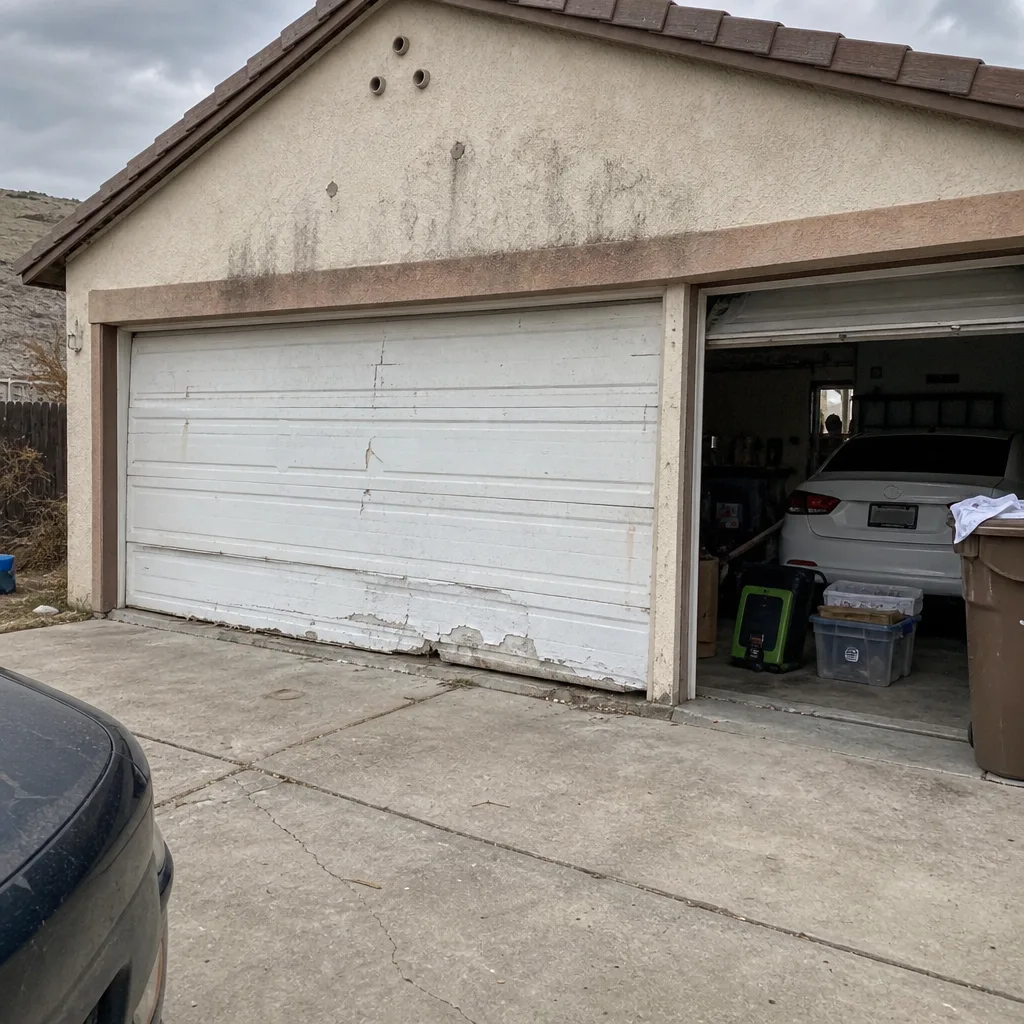 Before
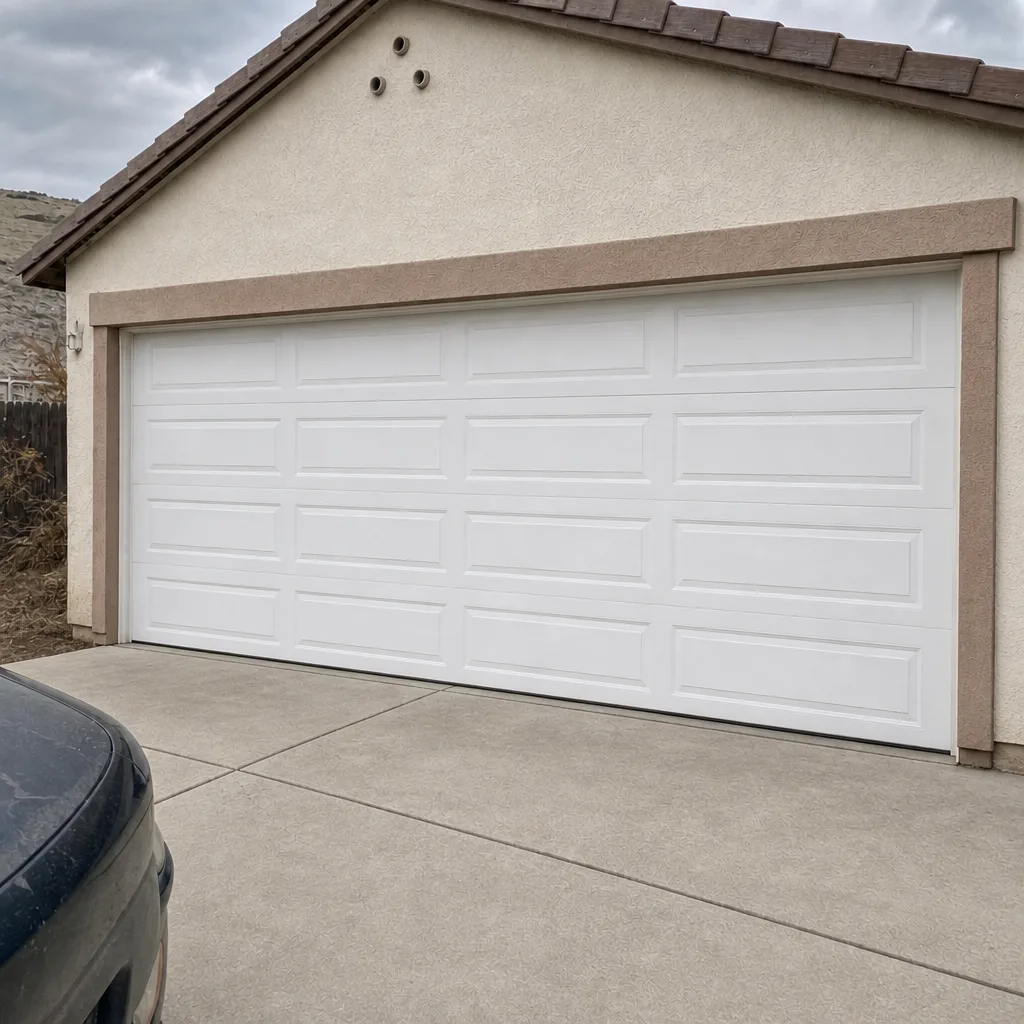 After
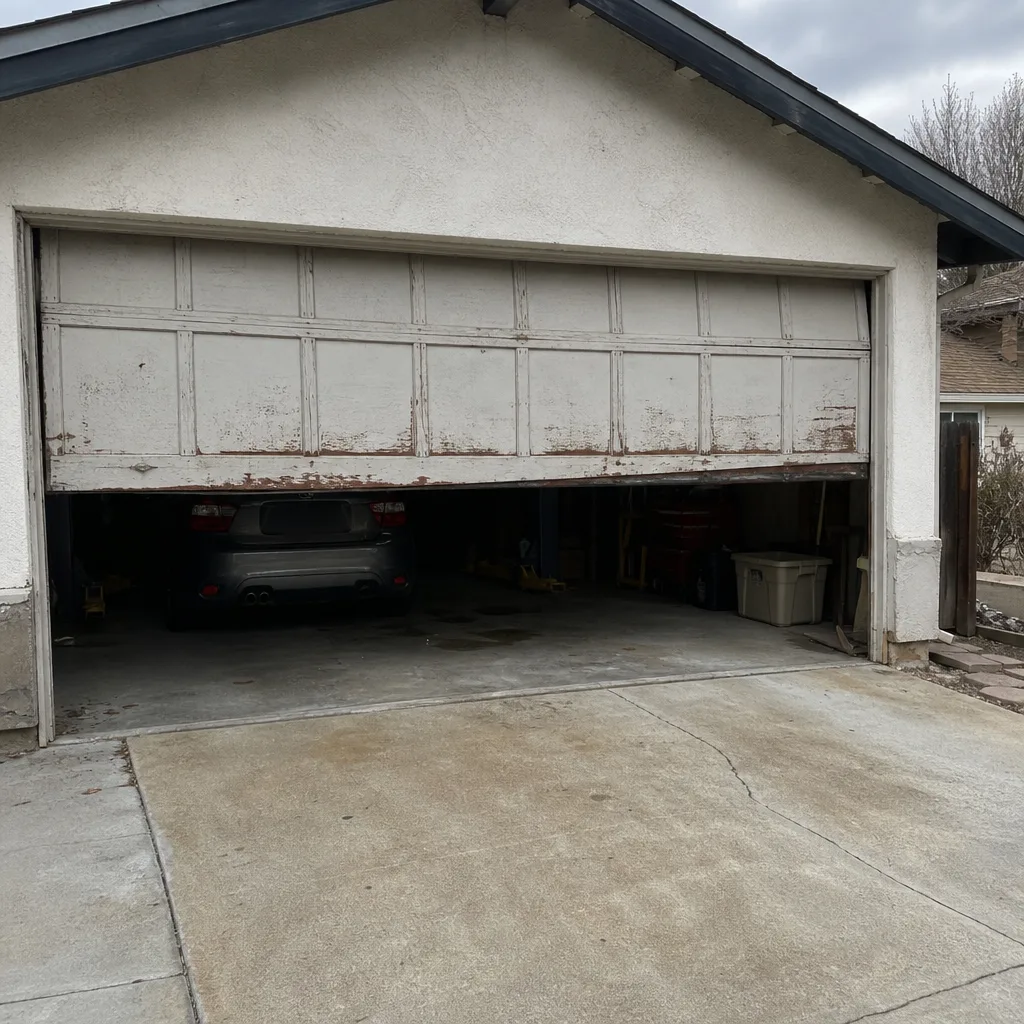 Before
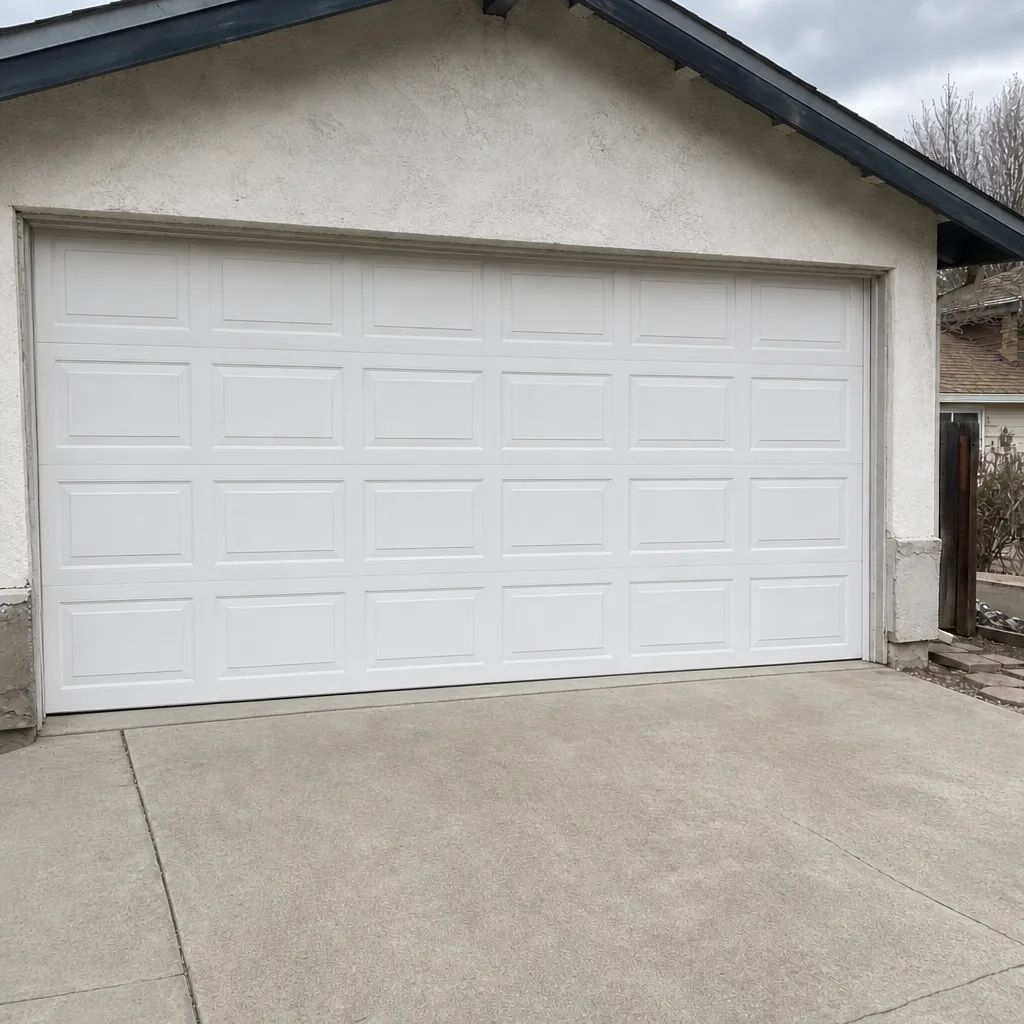 After
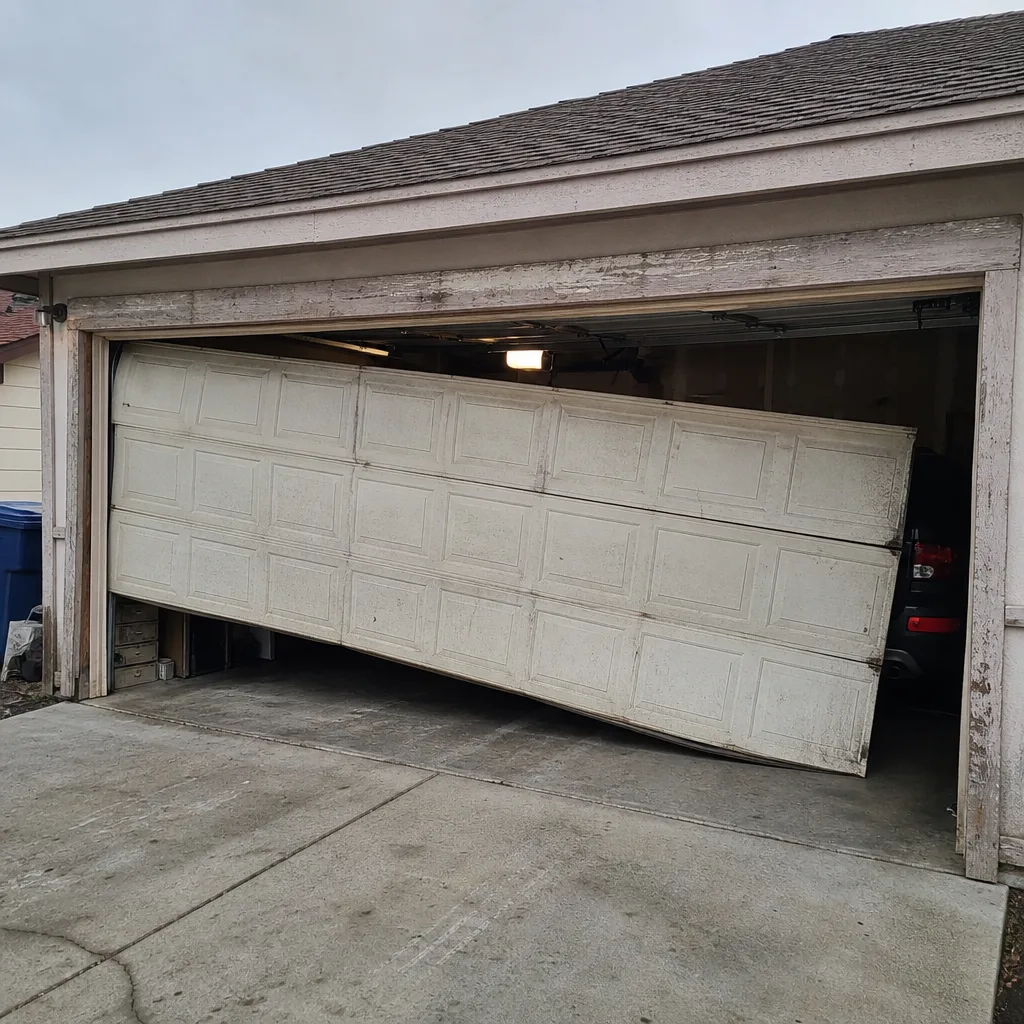 Before
 After
When to Call a Professional
Call us the moment the situation involves a spring, a cable, a binding door, or a manual release you can’t confidently re-engage. Call us if the motor is humming, if the opener trips its thermal protection, if the board shows scorching, or if the door reverses with nothing in the way at a consistent point every cycle. Call us if your blink codes don’t match anything in this guide, or if they point to a board fault. And call us if you simply want a second opinion on a written estimate someone else handed you. Otto’s Garage Door Mesquite offers free estimates in Mesquite, call (844) 320-6569, and the price quoted on that call is the price on the invoice. For a new opener or door replacement, we’ll schedule a measure and put a written number in your hand before any work starts.
Frequently Asked Questions
Most opener repairs in Mesquite fall in the $150 to $350 range for a service call plus parts, and simple fixes like photo-eye alignment or limit adjustments often come in lower. Capacitor replacement and travel limit tuning land at the bottom of that range, while gear kit replacement and logic board work land at the top. We quote the price before the visit and hold it at the door. Call (844) 320-6569 and we’ll tell you what your specific symptom usually costs.
Yes. We answer the phone around the clock and can often get to a Mesquite home the same day for a repair call. If your door is stuck open with the garage exposed, or sealed shut with your vehicle inside, that moves to the front of the line. Call (844) 320-6569 and stay on the line so we can quote the job on the call.
No. The number you hear on the phone is the number on the invoice, and we confirm it with you before any work starts. If we find something additional during the visit, we stop and get your approval before proceeding, and the price doesn’t move unless you say yes to a bigger scope. That’s the whole point of quoting on the call. Call (844) 320-6569 for a free second opinion on any written estimate you already have.
A humming motor that won’t turn the door is almost always a failed start capacitor, which gives the motor its initial torque. The part is inexpensive and the repair is usually quick, but every minute you let it hum, the motor windings take more strain and the potential repair cost goes up. If your opener is humming in Mesquite, call (844) 320-6569 and we can tell you what to expect.
Yes, and our background-checked, uniformed technicians have up to 22 years of experience and are trained on LiftMaster, Chamberlain, Genie, Clopay, Amarr, Wayne Dalton, Craftsman, and Raynor equipment. The name on the license is the name on the invoice and the name on the guarantee. Call (844) 320-6569 to schedule a free estimate or ask about the license number.
Misaligned or blocked photo-eyes are the most common reason a door refuses to close, and it’s almost always the sensors at the bottom of the tracks rather than anything inside the opener. A broom handle, a bicycle tire, or windblown dust on the lens is enough to break the beam. If realignment doesn’t fix it, the wire run or the sensor itself may be bad. Call (844) 320-6569 if the door still won’t close after realigning the sensors.
The Bottom Line
Most “opener problems” aren’t opener problems at all. They’re photo-eyes knocked out of line, force settings that drifted, or a door that’s binding against worn tracks and springs. Start at the wall button, work outward through the seven-step sequence, and let the blink codes tell you what the motor already knows. Humming points to the capacitor, starting and stopping points to overheating, and running without pulling the door points to the gear kit. When the door binds by hand, when the springs are involved, or when the release cord gets pulled after an outage, that’s the moment to call. The Otto’s Garage Door Mesquite home team has handled thousands of these repair calls, quoted on the call and held at the door. Guess less, call more, and if you’re not sure where you fall on this list, (844) 320-6569 gets a live person around the clock for a free estimate and an upfront written price before anything gets touched.
Written by the team at Otto’s Garage Door Mesquite.