
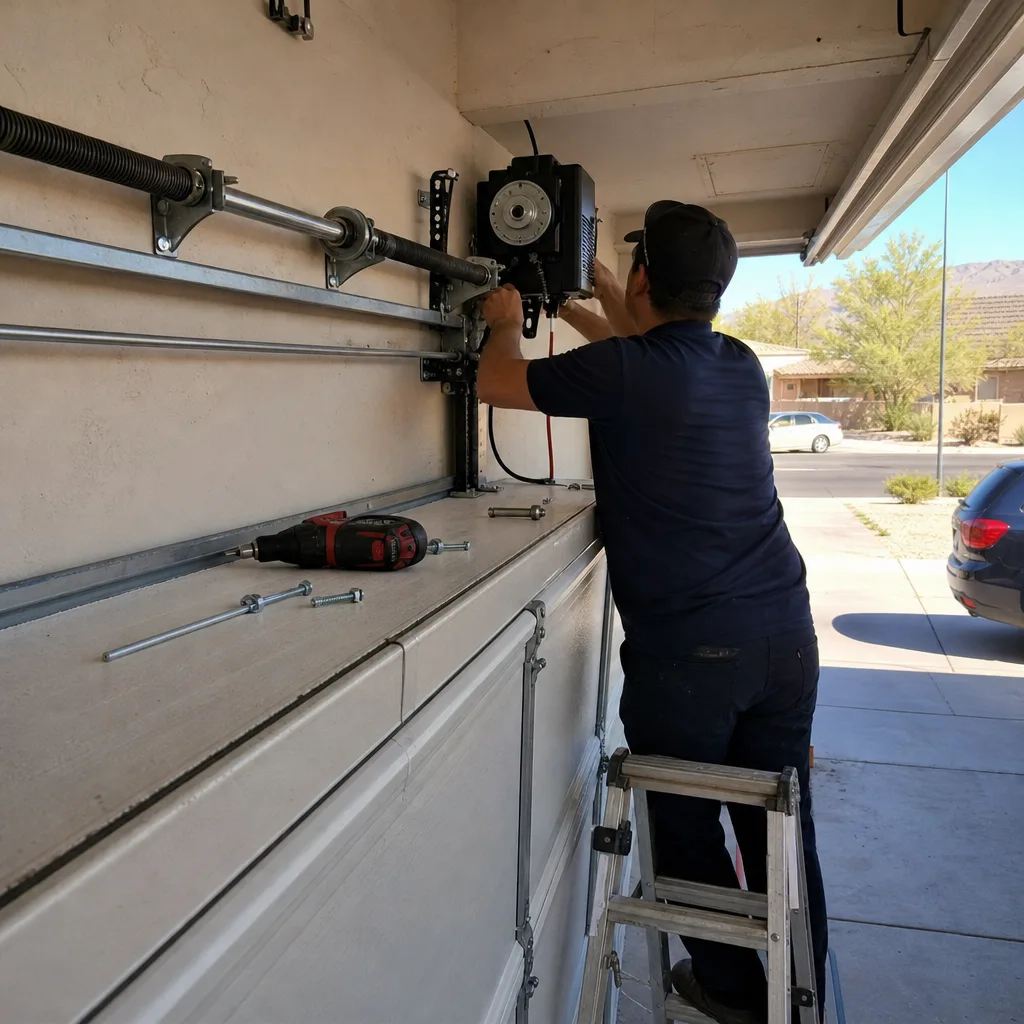
Last updated November 17, 2026
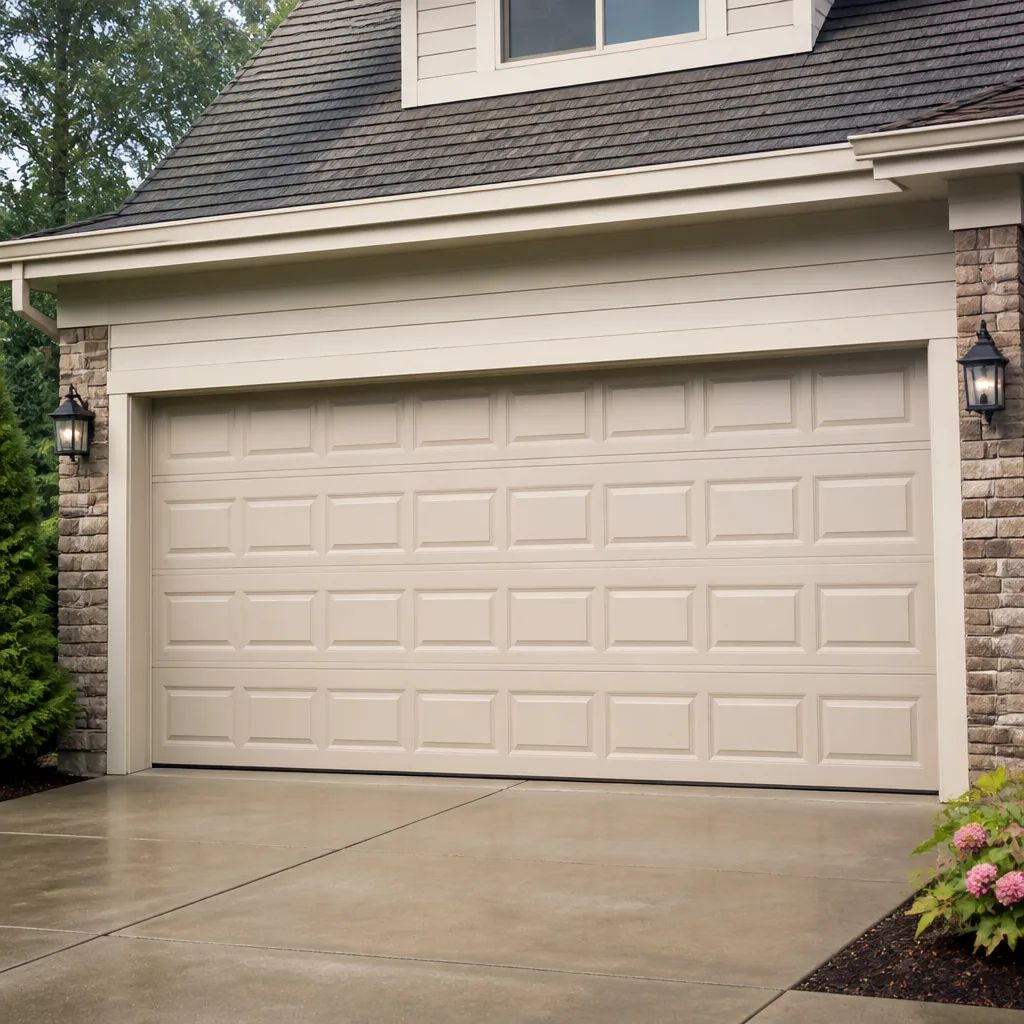 Raised-panel steel
 Carriage house
 Modern flush
 Full-view glass
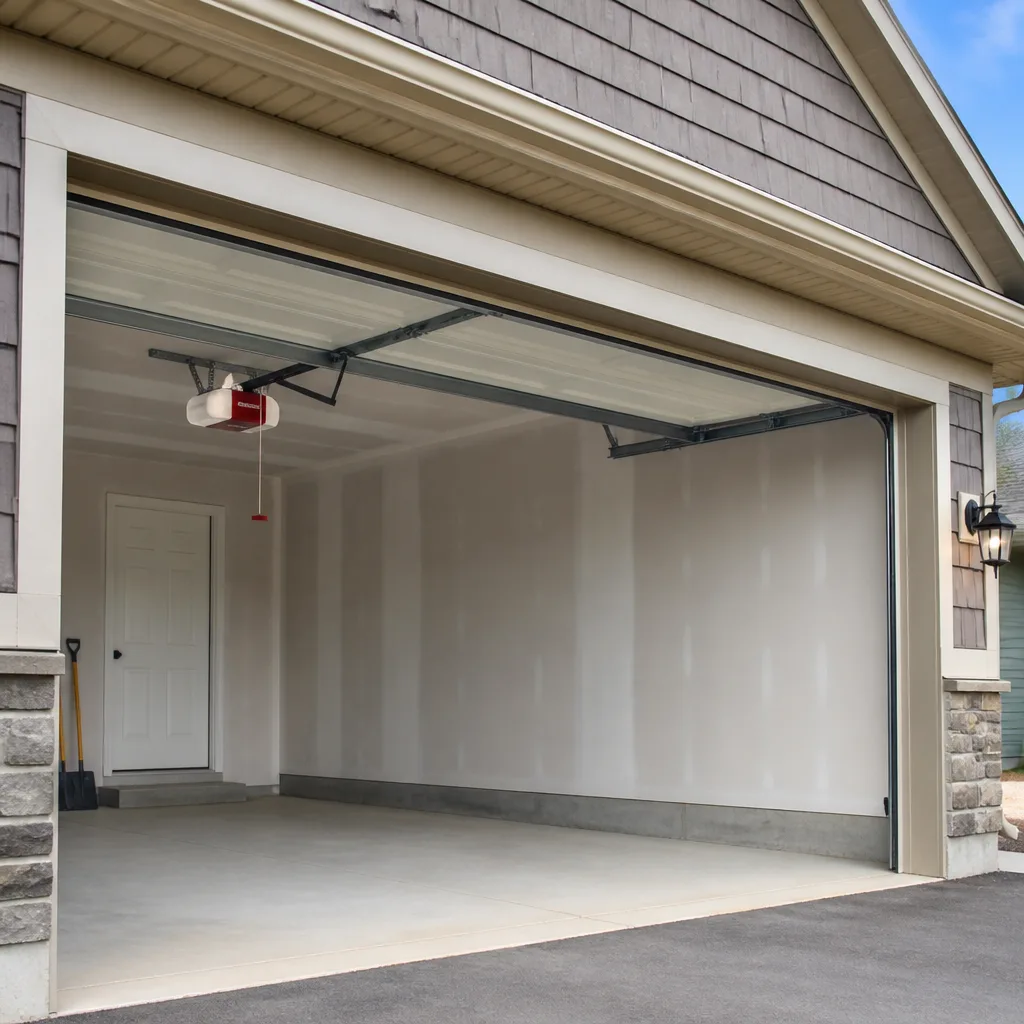 LiftMaster openers
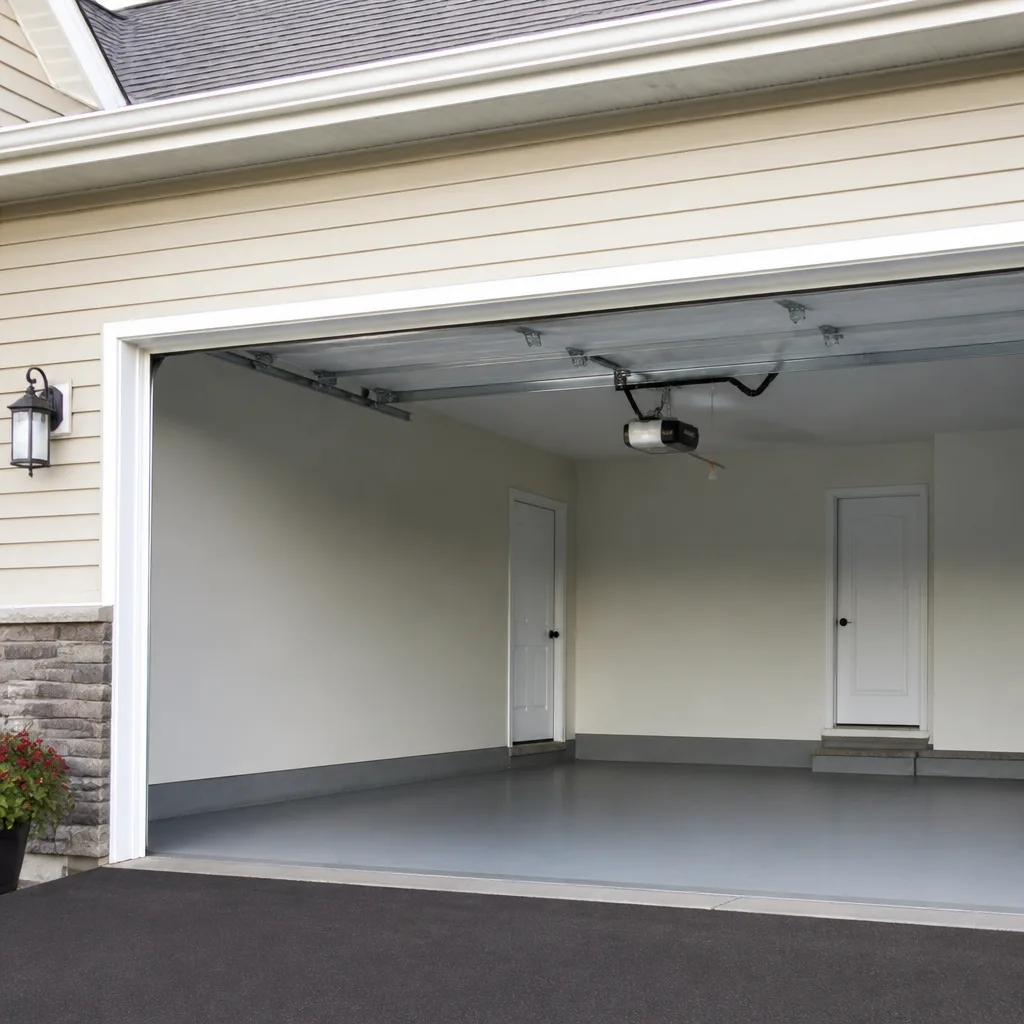 Chamberlain openers
Full 25-point door and opener safety check with every visit - springs, cables, rollers, tracks, and your LiftMaster or Chamberlain opener included
You get a price before we start. It does not change when the pro arrives.
Get your free estimateGarage Door Installation Warning Signs Every Homeowner Should Know
We re-hung a door in Mesquite last spring that a “handyman special” had installed six months earlier. The bottom seal was on backwards, one hinge had been hand-tightened and never torqued, and the track wasn’t plumb. Nobody noticed anything wrong until the door walked off its track at 11 p.m. and sealed a truck inside the garage. That’s how bad installations work. They don’t fail on day one. They fail on day 90, right when the warranty gets fuzzy and the installer’s number rolls to voicemail. This guide names the specific things you can check the afternoon after any installer leaves your driveway, so you catch the problem while you still have leverage.
Quick Answer
The clearest garage door installation warning signs are an uneven gap around the door, a door that drifts or won’t stay halfway open, a missing or undocumented auto-reverse test, hardware left off the invoice, and any popping or grinding sound in the first week. Any one of these means the door wasn’t balanced, leveled, or tested properly. Catch them in the first 48 hours and you can make the installer fix it for free. Wait three months and you’re paying for someone else’s shortcuts.
Styles & brands we work with
- Raised-panel steel
- Carriage house
- Modern flush
- Full-view glass
- LiftMaster openers
- Chamberlain openers
Table of Contents
- The 10-Minute Post-Install Inspection
- What Uneven Gaps Tell You About the Frame
- How to Tell If the Door Was Balanced by Feel
- Red Flags in the Invoice Itself
- The One Sound a New Door Should Never Make
- Why Desert Temperature Swings Expose Weak Installs
- The Safety Systems That Must Be Tested
- Common Mistakes to Avoid
The 10-Minute Post-Install Inspection You Should Do Before the Installer Drives Away
This is the most important ten minutes of the whole job. Do it while the installer is still standing there, because everything is easier to fix before the truck leaves. You don’t need tools. You need your eyes, your hands, and the door remote.
- Look at the gap. Stand inside with the door closed and check the gap between the door and the frame. It should be even all the way around, top and both sides. A consistent quarter-inch is normal. A gap that’s tight on one side and wide on the other is a leveling problem.
- Run the door halfway and let go. A properly balanced door stays put. If it slides down or creeps up on its own, the springs are set wrong.
- Test the auto-reverse. Lay a 2×4 flat on the floor in the door’s path and close the door. It must reverse on contact. Then wave your hand in front of the photo-eye sensors while the door is closing. It must reverse there too.
- Pull the red emergency release. With the door closed, pull the release handle. You should be able to lift the door by hand with reasonable effort. If it takes two hands and a grunt, the springs are wrong and a power outage will trap you.
- Listen. Run it up and down twice. It should sound like a low hum and a soft roll. Any pop, grind, or rattle is a red flag.
- Check the hardware by hand. Give each hinge a light wiggle. Loose hinges on day one mean nobody torqued them.
- Read the invoice. Make sure every piece of hardware is listed and the auto-reverse test is noted. More on that below.
If any of those seven steps fails, don’t sign the completion sheet. A good installer will fix it on the spot without an argument, because a door that fails these tests isn’t done. That’s the standard we hold ourselves to with our Garage Door Installation in Mesquite, and it’s the standard you should ask for from anyone.
What Uneven Gaps at the Top and Sides Actually Mean
An uneven gap isn’t cosmetic. It’s a message from the frame telling you the track wasn’t set plumb. When the vertical tracks aren’t level and square, the door rides crooked. The rollers bind on one side. The bottom seal doesn’t sit flat, so you get daylight, dust, and in Mesquite, a steady stream of fine desert grit blowing under the door into the garage.
Here’s what the gap is telling you depending on where it shows up:
- Wide at the top, tight at the bottom: the header or the top of the track is out of square. Left alone, the top rollers take the load and wear out fast.
- Tight on one side, wide on the other: the vertical track isn’t plumb. The door is being pulled sideways every time it moves.
- Wide at the bottom all the way across: the bottom seal wasn’t fitted to the floor, or the floor itself is crowned. In older Mesquite homes with settled slabs, we see this a lot, and the seal needs to be shaped to the floor, not just stapled on.
A gap that stays the same all the way around is fine. A gap that changes as the door moves is a symptom. That’s the difference to watch for, and it’s why we tell folks to check the gap with the door closed and then again halfway up. The gap should look identical both times. If it doesn’t, the geometry is off.
How to Spot a Door That Was Balanced by Feel Instead of a Real Spring Test
Balancing a garage door is not a matter of lifting it and saying “that feels about right.” The springs carry the door’s weight, and the tension has to be set so the door sits still at the halfway point with the operator disconnected. When we check a door, we count spring cycles the way you count tire miles, and we set the tension against the door’s actual weight, not by ear.
A door balanced by feel shows up in these ways:
- It drifts down slowly when you let go at the halfway mark, or it creeps up.
- The opener strains on the way up and lets the door fall the last few inches on the way down.
- The door is hard to lift by hand after you pull the emergency release.
- The opener motor runs hot or sounds labored even though it’s brand new.
That last one fools a lot of homeowners. If the opener is straining, the problem is almost never the opener. A new LiftMaster or Chamberlain operator is strong enough for the job it’s rated for. If it’s struggling, the door is too heavy for it, and that’s a balance problem. We’ve pulled brand-new openers off doors where the real fault was spring tension, and the homeowner had already paid for a motor they didn’t need. On a new install, you can catch it before it costs you. A balanced door is quiet, easy by hand, and doesn’t fight the motor.
Red Flags in the Invoice Itself
The invoice is a record of what actually happened, and a skimpy one is a warning. Before you pay, read it. Here’s what a proper invoice for a new door install should show, and what’s missing is the tell.
- Hardware line items. Every hinge, roller, bracket, and the bottom seal should be named. A lump sum for “hardware” tells you nothing about what went on your door.
- The spring setup. Which springs, what tension or cycle rating, and how they were set. If it just says “torsion spring,” that’s too vague to check later.
- Track and leveling notes. A line confirming the track was set plumb and the door leveled.
- The auto-reverse test. The most important line on the invoice. It should state that the safety reverse was tested and passed. If it isn’t there, assume it wasn’t done.
- Torque or fastener notes. At minimum, some record that the hardware was fastened to spec, not hand-tightened.
We write the 90-Day Done Right Promise on every invoice, and that promise is only worth something if the invoice also says exactly what we did. Two lines on a receipt aren’t a record. An invoice that documents every part and every test is how you hold any installer accountable six months from now, when the only thing left is the paper.
The One Sound a New Door Should Never Make in Its First Week
A new door should be quiet. Not silent, but a smooth, low roll with no drama. The one sound that should never come out of a new door in its first week is a sharp pop or a metallic clank, usually right at the start of the upward travel. That sound tells you the spring setup is wrong or a cable is loose, and the door is taking a jolt every time it moves.
Here’s what the other noises mean:
- A steady grind: a roller is binding, usually because the track isn’t aligned.
- A rattle over bumps: loose hinges or brackets that weren’t torqued.
- A high squeal: a dry or misaligned torsion tube.
- A pop or clank: spring tension or a cable issue. This is the one to call about right away.
That pop is the same warning we talked about at the top of this guide. It’s the sound of a door that will eventually come off its track. A door is 200 pounds riding on two springs, and respect for that weight is the whole job. If you hear a pop in the first week, stop using the door and get it looked at. Don’t wait for the warranty window to close and the installer’s number to go dead. If you’ve already got a door that’s misbehaving, our Garage Door Repair in Mesquite page covers what a fix looks like.
Why Mesquite Temperature Swings Expose Weak Installs Fast
Mesquite is hard on garage doors in a way that a lot of installers from wetter climates don’t plan for. Summer highs push past 110 degrees, winter mornings drop near freezing, and that swing happens over and over across the year. Steel expands and contracts with every one of those cycles. A door that was installed with the track set just barely plumb in mild weather will drift out of line by the time the first hot spell hits. The gap you didn’t notice in March shows up as a binding roller in July.
That’s why the plumb and level check matters more here than in a lot of places. It’s also why the bottom seal has to be fitted to the floor, not just laid on it. Desert grit and dust find every gap, and a seal that isn’t shaped to a settled slab lets the wind blow sand and fine dirt straight into the garage. We see this across town, from the older neighborhoods to the newer builds on the edges, and it’s the same story: the doors that hold up are the ones that were checked and set correctly on day one. If you want to know what a properly installed door looks like up close, stop by the Otto’s Garage Door Mesquite home page and give us a call.
The Safety Systems That Must Be Tested, and How to Check Them
Two safety systems on your door can mean the difference between a close call and a serious injury, and neither one does you any good if it was never tested. We won’t walk you through adjusting or repairing either one, because the photo-eye alignment and the spring and cable system are genuinely dangerous to work on. Testing is something you can and should do. Repairing is not.
Here’s how to test, from the outside, with no tools:
- The photo-eye test. With the door open, press the close button. While the door is coming down, wave your hand or pass a broomstick through the light beam in front of the sensors near the floor. The door must reverse immediately. If it keeps closing, the sensors are misaligned or dead.
- The contact reverse test. Lay a flat 2×4 on the floor in the door’s path and close the door. It must hit the board and reverse. If it presses down and stops, the force setting is too high.
- The balance and release test. With the door closed, pull the red emergency release and lift the door by hand. It should lift with one hand and stay where you put it. If it’s heavy or won’t hold, the springs are wrong.
Test all three the day of install and once a month after. If any of them fails, that’s the point where you call a professional. High-tension springs and cables can injure or kill someone who doesn’t know what they’re doing, and no homeowner should be adjusting tension on a door that size. That’s the work for someone who’s done it for years. Our team has up to 22 years of experience on exactly these systems, and we’d rather you call us than take that risk. The same goes if the opener itself is the problem. Our Garage Door Opener Repair & Installation in Mesquite page covers the electronics side.
Common Mistakes to Avoid
- Signing off without running the door yourself. Watch it go up and down twice, listen to it, and check the gap while the installer is still there. A completion signature given from the kitchen table is how you end up with a door nobody tested. We’ve seen it in Mesquite more than once.
- Accepting a one-line invoice. “Garage door installed” tells you nothing. You need the hardware, the spring setup, and the auto-reverse test spelled out, or you have no way to prove what was done when something fails.
- Ignoring a wide bottom gap because it’s “just dirt.” In this climate, that gap is how the desert gets into your garage. It also means the seal wasn’t fitted to the floor, which is a shortcut you’ll pay for in dust and heat.
- Blaming the opener for a balance problem. A new opener that strains is telling you the door is too heavy for it. Replacing the motor without fixing the springs just buys you a second dead motor.
- Trusting a phone quote from someone who won’t put it in writing. A price that’s quoted on the phone and then “revised” at the door is the classic bait and switch. We quote before the visit and hold the number when we get there, and we’ll give you a free second opinion on any written estimate you’ve already got.
- Waiting out the warranty window. Most installer warranties cover real defects only while the installer still picks up the phone. Report problems in the first week, in writing, so you have a record.
- Letting an unlicensed “handyman special” touch the springs. A door is 200 pounds riding on two springs. Someone who isn’t licensed and insured for that work is a liability you can’t recover from. Ask for the license number before the truck arrives.
See the difference
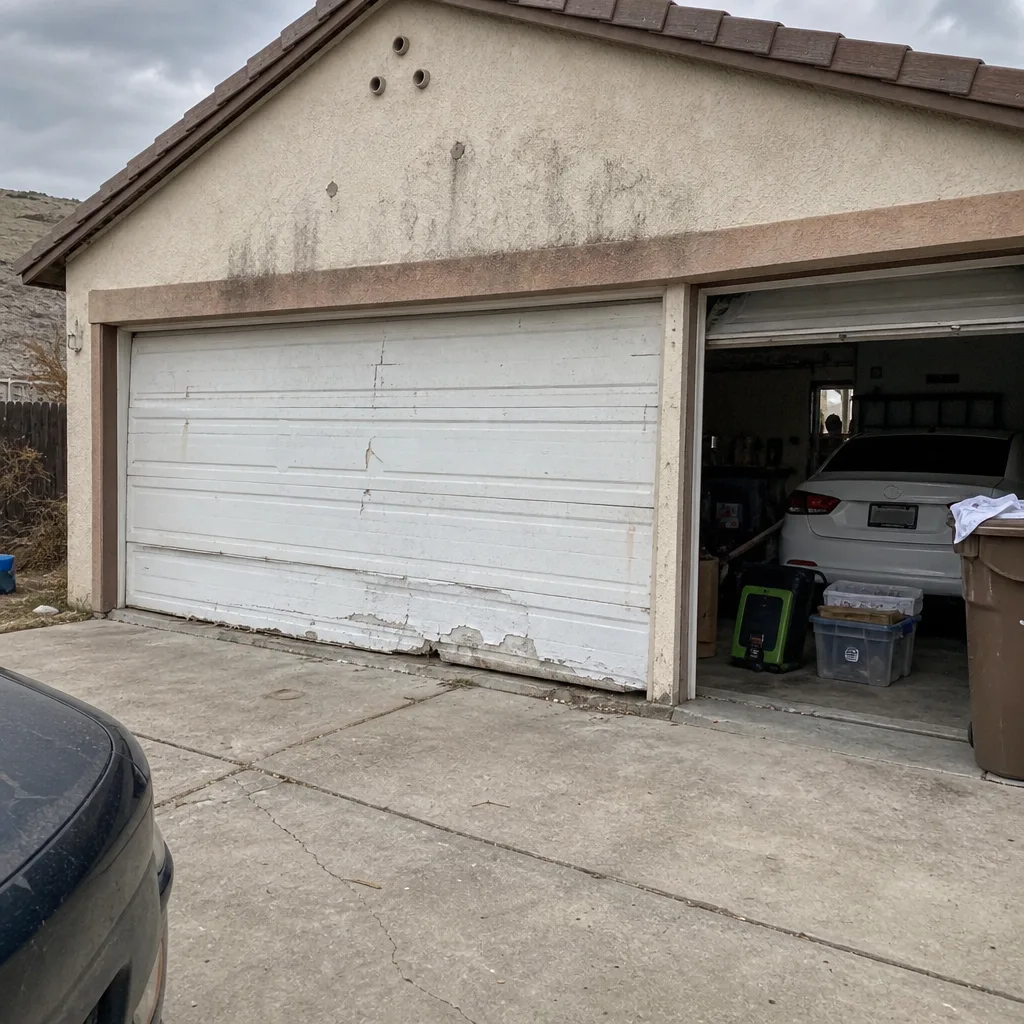 Before
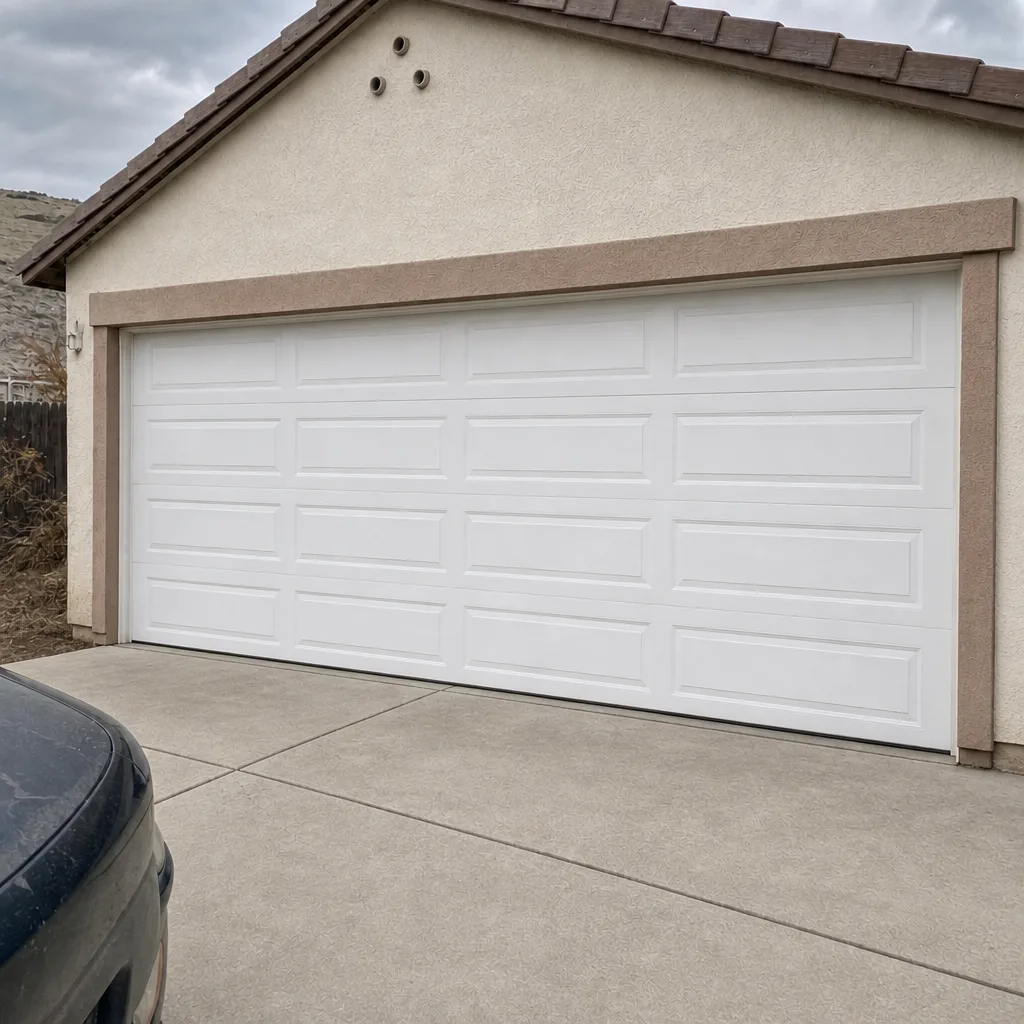 After
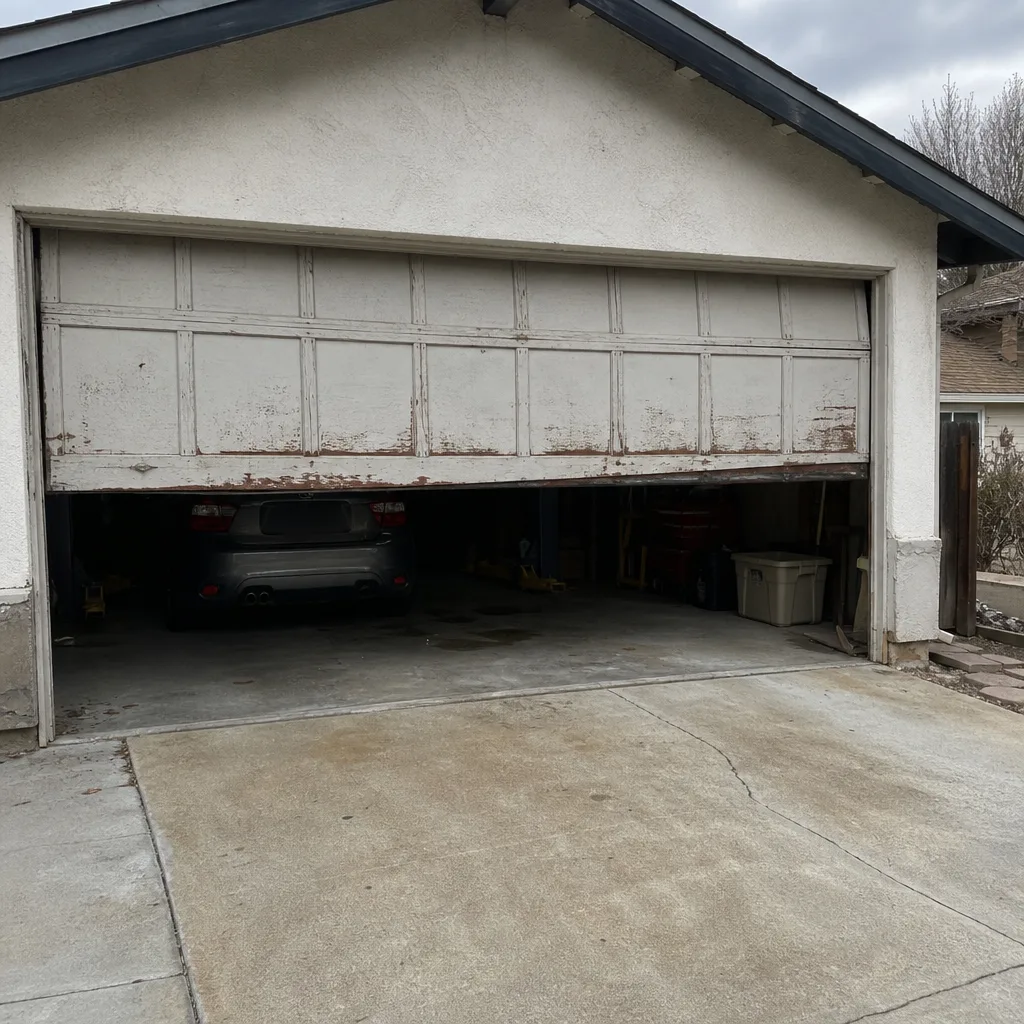 Before
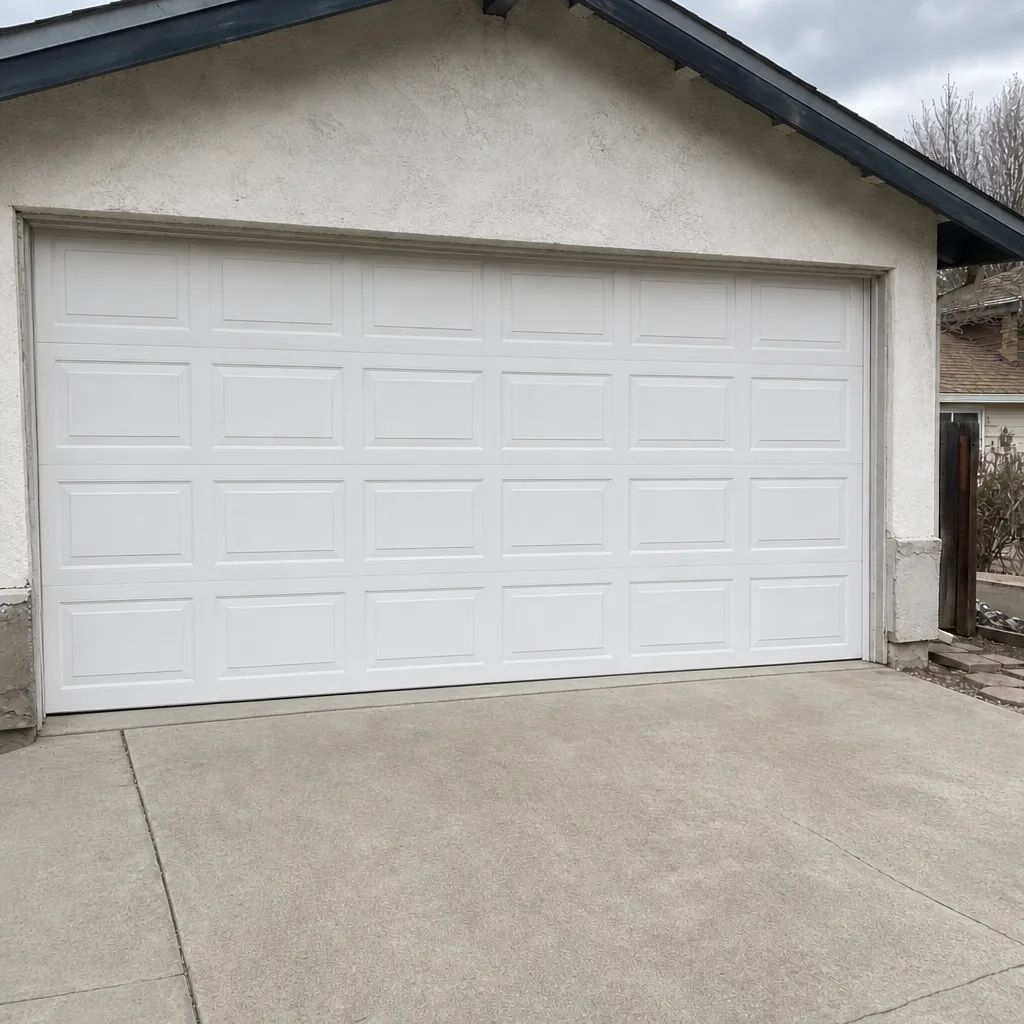 After
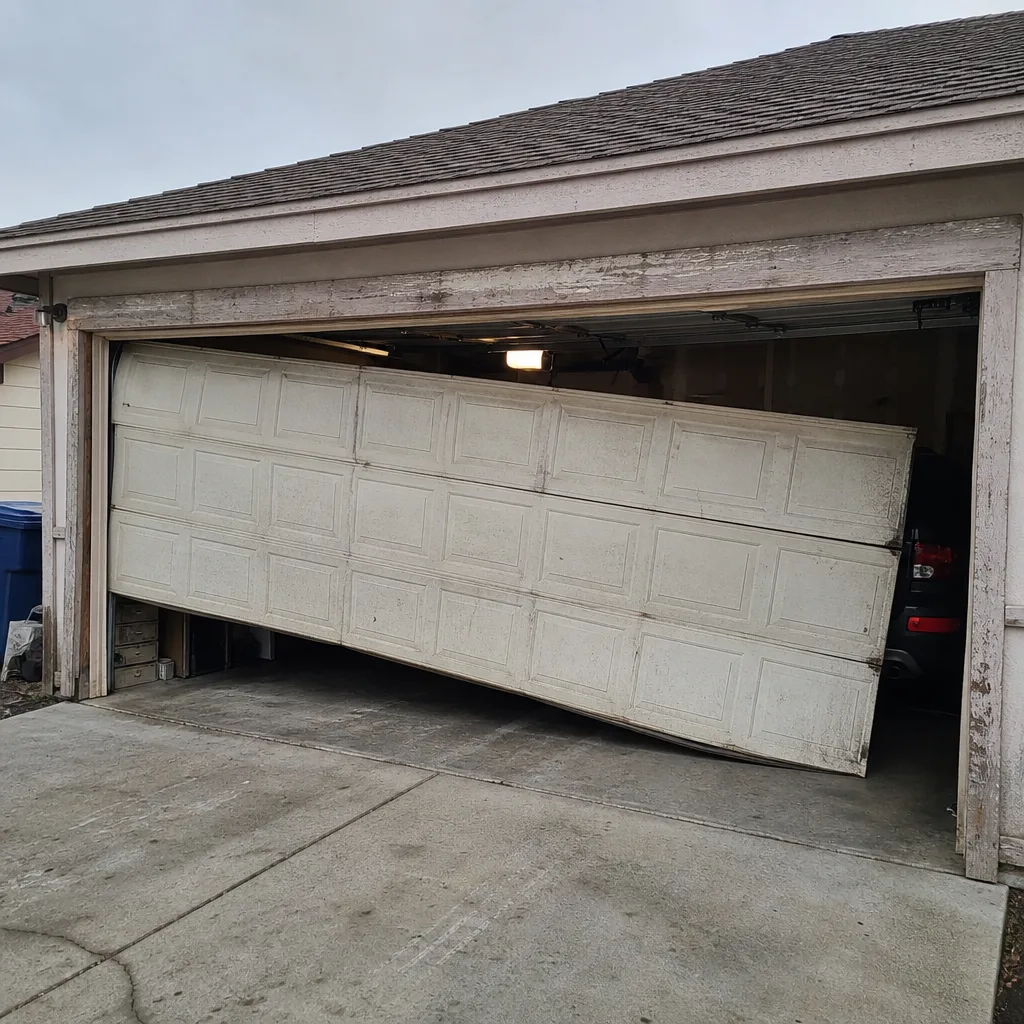 Before
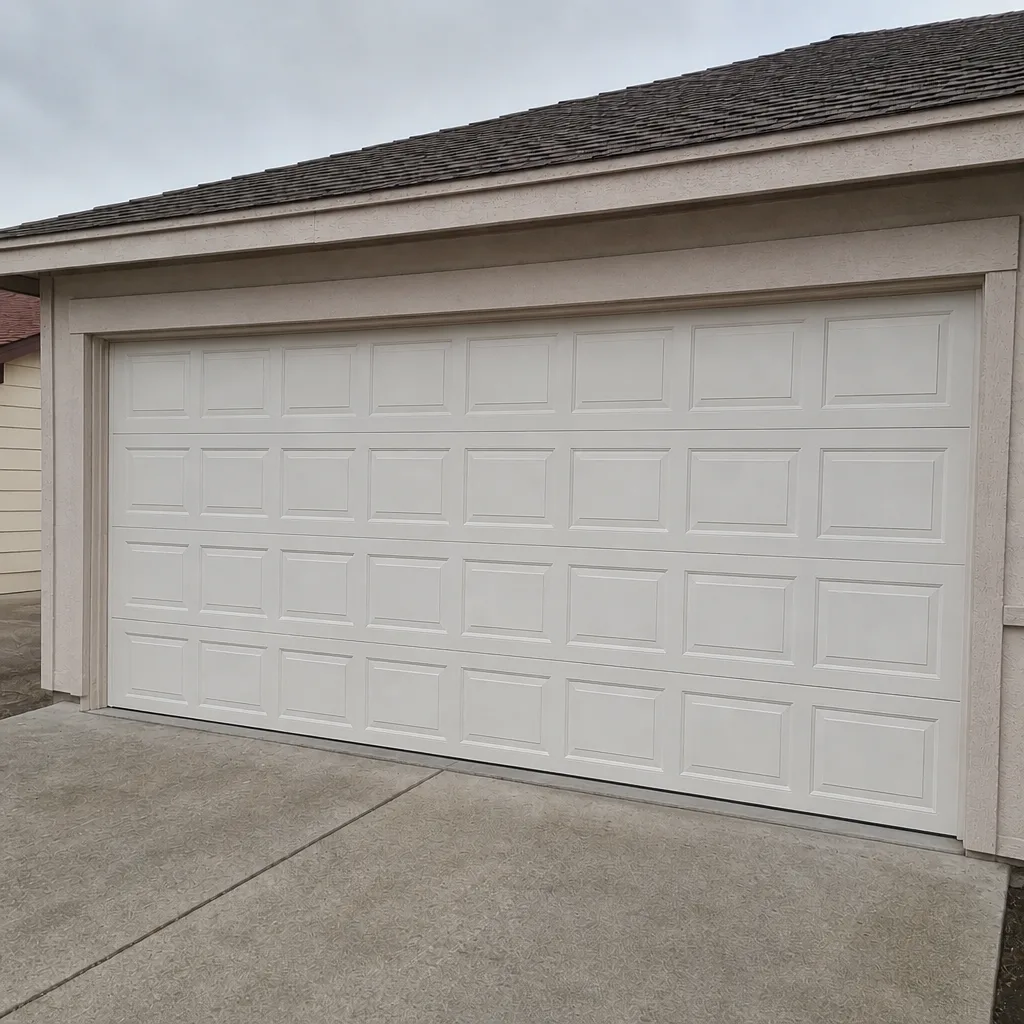 After
When to Call a Professional
Call a professional if the door drifts or won’t hold halfway up, if you hear a pop or clank, if the auto-reverse fails either test, if the gap is uneven side to side, or if the bottom seal is letting daylight and dust under the door. Those are the signs the installation wasn’t done right, and the earlier you catch them the cheaper they are to fix. Don’t wait for the door to come off the track at 11 p.m. and trap your vehicle. Anything involving the springs or cables is work for someone trained and insured, and you should never adjust tension on your own. Otto’s Garage Door Mesquite offers free estimates in Mesquite, a free second opinion on any written estimate you already have, and no trip charge inside the home county. Call (844) 320-6569 and we’ll come look.
Frequently Asked Questions
The top warning signs are an uneven gap around the door, a door that drifts when left halfway, a failed auto-reverse test, missing hardware on the invoice, and a popping sound in the first week. Any one of them means the door wasn’t leveled, balanced, or tested correctly. Check them in the first 48 hours so the installer can fix it for free. Call (844) 320-6569 if you’d like a professional to look at it.
Check it the same afternoon, while the installer is still on site. Run the door up and down twice, check the gap with it closed and halfway, pull the red release and lift it by hand, and test the auto-reverse. If anything fails, don’t sign the completion sheet until it’s fixed. A door that fails those tests isn’t done. Estimates from us are free if you need a second set of eyes.
A gap that’s wide at the top and tight at the bottom almost always means the track wasn’t set plumb. In Mesquite, where temps swing from near freezing to past 110, that error gets worse fast as the steel expands and contracts. The top rollers take the load and wear out early. Have it checked before the gap gets bigger. Call (844) 320-6569 and we’ll tell you what we see.
Usually no. If the opener is straining, the problem is almost never the opener. A new door that fights the motor is usually too heavy because the springs weren’t tensioned correctly. Replacing the motor without fixing the springs just kills the new motor too. Have the spring setup checked by someone who knows how to test it properly. Our estimates are free.
A proper invoice names every hinge, roller, bracket, and the bottom seal, states which springs were used and how they were set, notes that the track was made plumb, and confirms the auto-reverse test passed. If the safety test isn’t documented, assume it wasn’t done. We write our 90-Day Done Right Promise on every invoice, so you’ve got it in writing. Call (844) 320-6569 for a free second opinion on any estimate.
No. High-tension springs and cables can cause serious injury, and no homeowner should be adjusting them. Testing the door by hand and checking the auto-reverse is something you can do; repairing the springs is not. That’s a job for someone trained and insured, and it’s the kind of work we do every day. Call (844) 320-6569 and we’ll take care of it.
The Bottom Line
Bad garage door installs fail on day 90, not day one, and the warning signs are all visible in the first ten minutes after the installer leaves. Check the gap with the door closed and halfway. Run it and listen for a pop. Pull the release and lift it by hand. Test the auto-reverse. Read the invoice for hardware, spring setup, and the documented safety test. In Mesquite, where the temperature swings hard and the dust finds every gap, those checks matter even more. Catch the problem in the first week and it’s the installer’s job to fix it. Let us be the second opinion if you’re not sure. Free estimates, upfront pricing quoted before the visit and held when we get there, background-checked technicians, and a 90-Day Done Right Promise in writing on every job. Call Otto’s Garage Door Mesquite at (844) 320-6569 today.
Written by the team at Otto’s Garage Door Mesquite.