
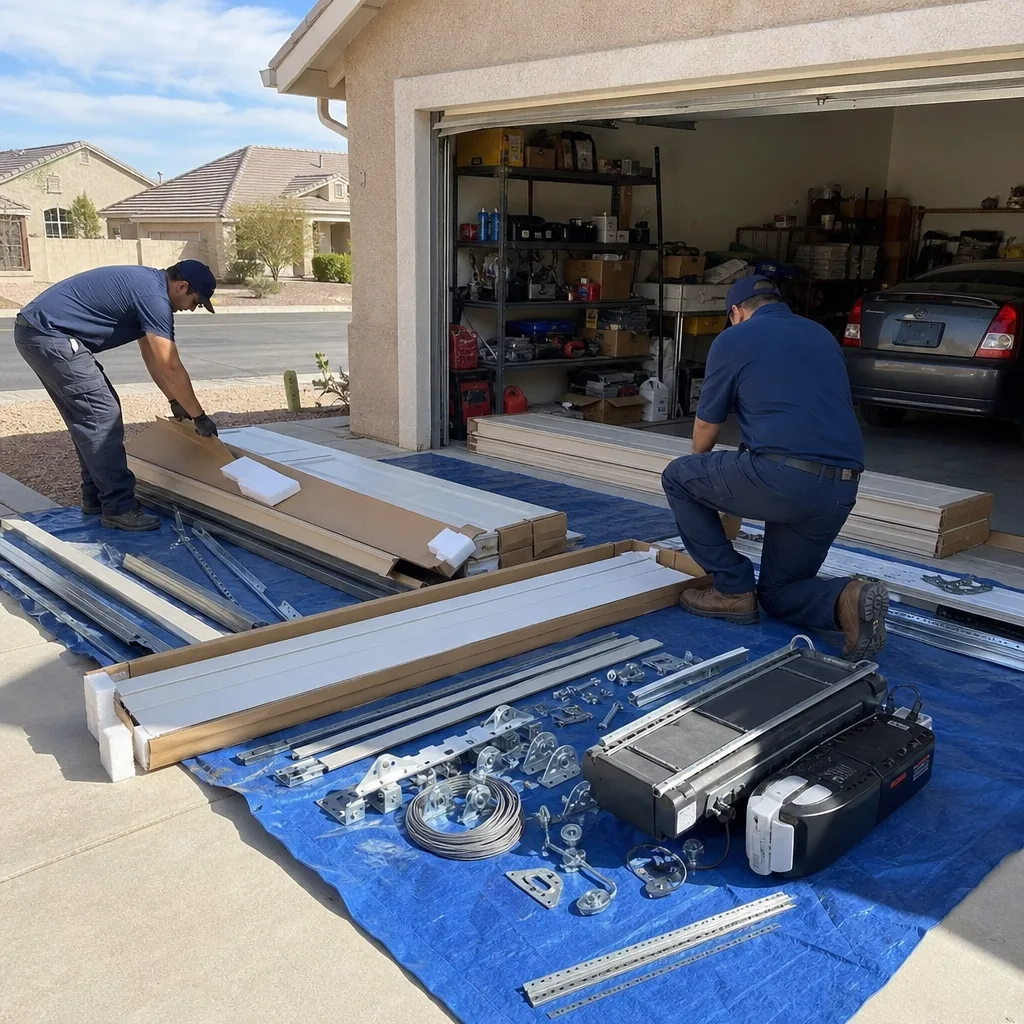
Last updated November 17, 2026
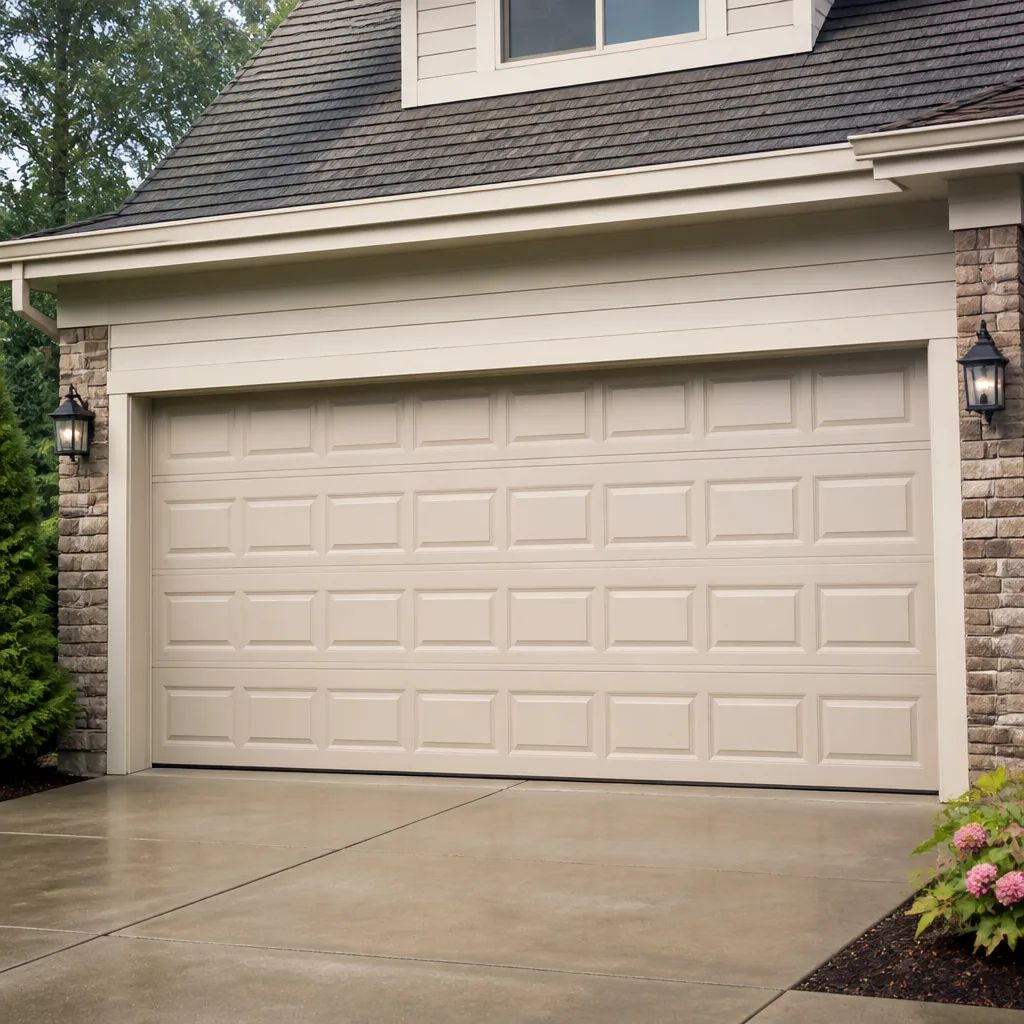 Raised-panel steel
 Carriage house
 Modern flush
 Full-view glass
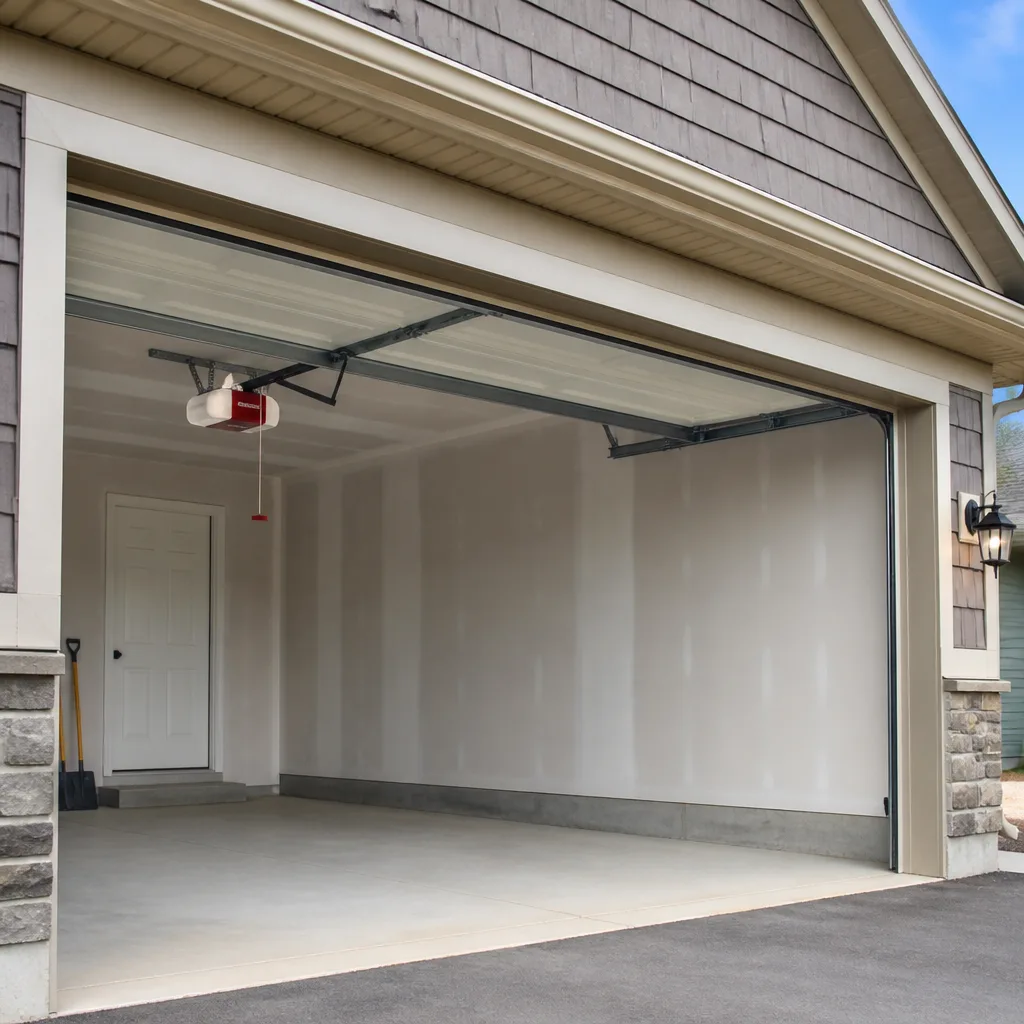 LiftMaster openers
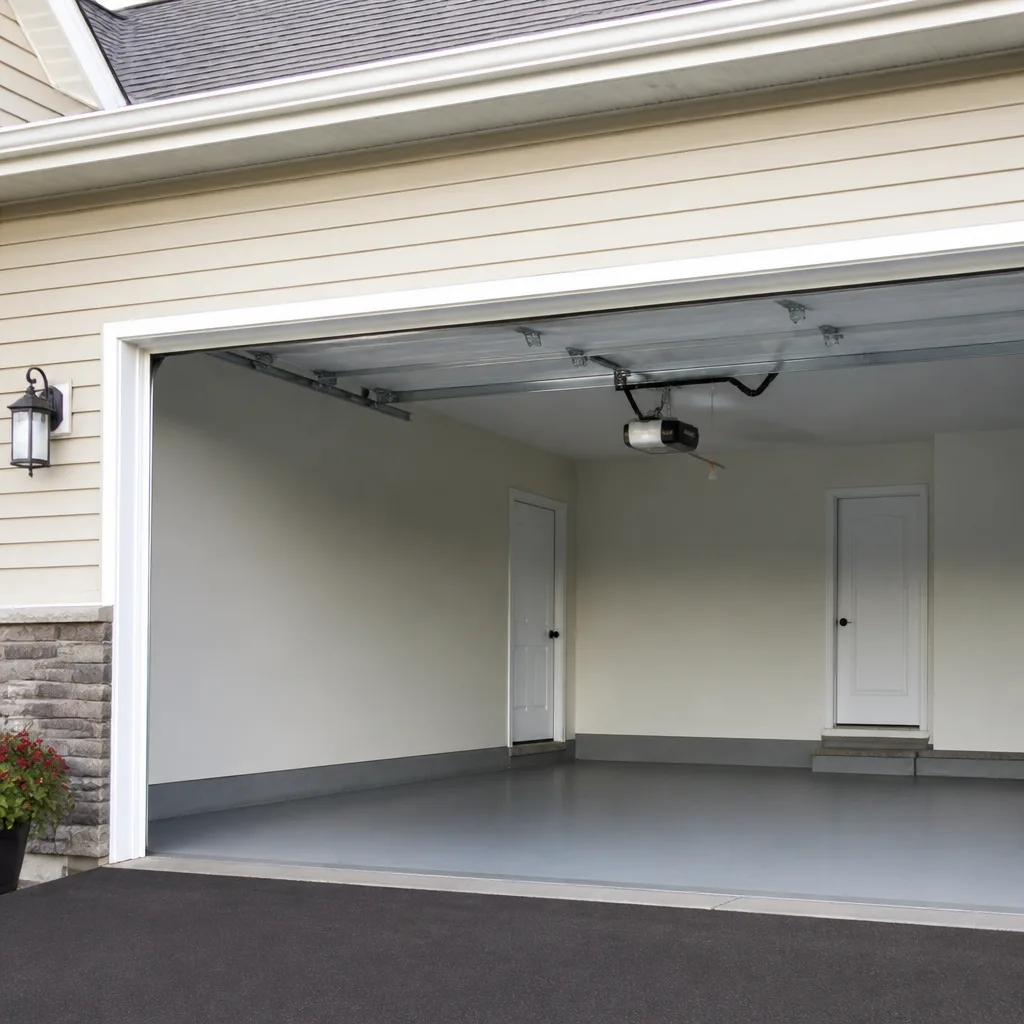 Chamberlain openers
Full 25-point door and opener safety check with every visit - springs, cables, rollers, tracks, and your LiftMaster or Chamberlain opener included
You get a price before we start. It does not change when the pro arrives.
Get your free estimateGarage Door Installation Troubleshooting: Common Problems and How to Fix Them
We get called out to “fix the opener” on brand-new garage doors at least twice a month in Mesquite. Most of the time the opener is fine. The door is out of level by an eighth of an inch and has been fighting the springs on every trip up since day one. The installer packed up and left, and nobody handed the homeowner a list of what to watch for in the first week. That’s the gap this guide fills. A freshly installed door that misbehaves is almost always telling you something about the install itself, not the motor bolted to the ceiling. Below you’ll learn which installation step tends to go wrong, how to tell an adjustment from a reinstall, and how to talk to whoever did the work with something concrete in your hand.
Quick Answer
If a new garage door isn’t working right, the cause is most often installation-related: header bracket placement off by a fraction, spring tension calibrated for the wrong door weight, or tracks that went up out of plumb against a slab that isn’t level. Run a 48-hour checklist the day the installer finishes, document anything off, and call them back while their work is still fresh. Most of these are simple adjustments, not defects.
Styles & brands we work with
- Raised-panel steel
- Carriage house
- Modern flush
- Full-view glass
- LiftMaster openers
- Chamberlain openers
Table of Contents
- The 48-Hour Post-Install Checklist
- Header Bracket Placement Errors
- Spring Tension Calibration on a New Install
- “It Closes But It’s Loud” Is a Setup Problem
- Track Alignment and Concrete Floor Variation
- What Installer Warranty Coverage Should Include
- Common Mistakes to Avoid
- When to Call a Professional
The 48-Hour Post-Install Checklist
The first two days after a new door goes up are your window. The installer is still reachable, the work is fresh in their memory, and any adjustment is a phone call instead of a service charge. Walk through this list yourself before that window closes.
- Run the door by hand with the opener disconnected. Pull the release cord and lift. A properly balanced door comes up with light effort and stays put when you let go at waist height. If it slams down or needs two hands to lift, the springs weren’t calibrated to the door’s real weight.
- Watch the door travel top to bottom. It should move smoothly with no shimmy, no jerking, and no rubbing sound at any point. Stutter in one spot is a track or bracket issue.
- Check the gap between door and floor. Slide a coin under the bottom seal along the full width. Any spot where light shows through or the seal doesn’t touch is a door out of level or a floor that isn’t flat.
- Test the safety reverse. Lay a 2×4 flat on the floor in the door’s path and close it. The door should reverse on contact. Then test the photo-eye by waving your hand through the beam while the door is closing.
- Look up at the tracks. Run a level along the vertical track on each side. Both should be plumb. Horizontal tracks should be level or slightly pitched back toward the opener, never sloped forward.
- Listen. A new door on a Genie or LiftMaster opener should be quiet enough to talk over. Grinding, rattling, or a hollow knock at the top of travel means something’s off.
Write down the date, what you found, and take a short video on your phone. That’s your leverage if you need to call the installer back. Most Mesquite installs are done in a single day, which means the checklist should be done the same evening or the morning after.
Header Bracket Placement Errors
The header bracket is the small steel piece mounted to the wall above the door that anchors the whole opener rail. If it’s placed wrong, the door binds near the top of travel and the opener strains every time it closes. A bracket mounted too low forces the door to pivot against the jamb. Too high and the rail angles down at the wrong pitch, which pulls the door into the header as it rises.
The correct height depends on the door’s high-arc travel, not on where the installer’s ladder happened to reach. On a standard 7-foot door, the bracket should sit far enough back that the rail is parallel to the horizontal track. When that alignment is off, you’ll notice:
- The door slows or hesitates in the last 6 to 10 inches of travel.
- A dull thud or rattle when the door reaches fully open.
- The top section flexes visibly as the door closes.
- The opener’s trolley grinds against the rail near the top.
Fix here is a re-drill and re-mount, which is straightforward once someone diagnoses it properly. It’s not something to chase with a ladder and a hammer yourself. The header bracket is carrying the full pull of a 200-pound door on two springs, and a wrong hole or a bad lag bolt will let go at the worst possible time. This is one of those cases where the fix is fast but the risk isn’t. If your installer is out of the picture and you’re in Mesquite, our Garage Door Installation in Mesquite team sees this specific problem regularly and can tell you in ten minutes whether it’s the bracket or something downstream.
Spring Tension Calibration on a New Install
Springs are matched to the door’s weight, not the brand on the panel. A Clopay or Amarr door in one size might weigh 20 pounds more than the same size in another line, and the springs have to be wound for the actual door. When an installer grabs a standard spring set and hopes, the door ends up either heavy on the way up or fighting gravity on the way down. That’s what manufactures the “loud but working” complaint.
We count spring cycles the way you count tire miles. A properly calibrated spring on a new install will last years before it needs the tension checked. A spring wound too tight to compensate for the wrong drum or a mis-aligned cable can fail in months. Signs of a calibration issue:
- The opener strains audibly on the first foot of lift.
- The emergency release is hard to pull while the door is down.
- The door drifts open or closed on its own once you release the manual handle.
- The bottom section lifts slightly off the ground before the top section moves.
We have to say this plainly because we’ve seen what happens when homeowners try it: spring adjustment is the single most dangerous job on a garage door. Never wind, unwind, or release spring tension on your own. There’s enough stored energy in a tensioned torsion spring to break a wrist or worse. When in doubt, call someone trained. Our Garage Door Repair in Mesquite team handles spring calibration as a routine part of post-install fixes.
“It Closes But It’s Loud” Is a Setup Problem
A noisy new door is not a defect you should just live with. Nine times out of ten it’s a setup issue, and it announces itself on the first close. New steel rolling on new tracks should be smooth and quiet, especially if the installer used nylon rollers rather than steel. If it rattles, groans, or pops, one of these is usually the reason:
- Rollers misaligned in the track. New rollers can seat crooked if the track was bent when it went up. A single misaligned roller will make the whole door sound bad.
- Hinges and bolts not snug. Every hinge, roller bracket, and panel bolt should be torqued to spec. Loose hardware turns the door into a drum.
- Missing or wrong lubricant. New springs and hinges need a proper garage door lubricant, not WD-40. Dry springs squeal.
- Opener rail out of alignment. If the opener rail was bolted with a twist, the trolley grinds all the way down.
If you’re standing in your driveway in Mesquite at 9 at night because the door woke the neighbors, something’s loose. The Garage Door Opener Repair & Installation in Mesquite page covers what to check on the motor side. But start with the door: it’s usually the door.
Track Alignment and Concrete Floor Variation
Older Mesquite slabs settled in ways newer construction didn’t. Some houses in the older parts of town have garage floors that slope toward the door by half an inch over the width of the opening, or dip at the center. When an installer anchors the vertical track to that uneven slab and sets the door’s travel off the floor line, the door ends up out of level by an eighth of an inch. That eighth is enough to make the door bind on one side near the floor.
You can spot this without a level:
- The bottom seal touches the floor on one side and shows a gap on the other.
- The door rocks slightly when it first leaves the ground.
- The gap under the door changes when you run the door up and down.
The fix requires re-shimming the track and re-anchoring it so the door’s travel path is level even when the concrete isn’t. That’s a measurement-and-mount job, not a guess job. When we’re called out for a post-install check in Mesquite, we measure the slab first, then set the track, then test the door by hand before the opener ever runs. That order matters. Getting it backwards is how a door ends up out of level in the first place.
What Installer Warranty Coverage Should Include
The manufacturer’s warranty on a Clopay or Wayne Dalton door covers the panel. It doesn’t cover the install. Those are two separate coverages and the second one is the one you actually need when something goes wrong in the first year. Before you sign off on a new install, ask the installer to put this in writing:
- Labor coverage window. How long are they responsible for adjustments, and is that a trip charge or a free callback?
- Header bracket and track placement. Explicitly covered, not “installation errors excluded.”
- Spring calibration. If a spring fails in the first year due to install-side tension, who pays?
- Opener alignment. If they mounted the opener, the trolley and rail alignment should fall under their warranty, not the opener brand’s.
- Response time. “We’ll get to it” is not a warranty. “Within X days” is.
If the installer can’t or won’t give you these in writing, that’s information. Our own promise on every install is the 90-Day Done Right Promise: if it’s not done right, we make it right, written on the invoice, one call to Otto himself. That’s what the standard should look like before you sign.
Common Mistakes to Avoid
- Adjusting the opener force settings to compensate for a binding door. Cranking up the opener’s force limit masks a door problem and wears out the motor. If the door binds, fix the door first.
- Skipping the 48-hour checklist because the installer said it looked good. The installer left. You’re the one who has to live with it. Walk the checklist yourself.
- Paying the final balance before testing the safety reverse. Once you’ve paid, the installer’s incentive to come back drops. Test everything first.
- Assuming a noisy door will “wear in.” New doors don’t wear in. They break in one specific way: quietly, then all at once. Noise is a warning, not a stage.
- Trying to adjust spring tension yourself. We’ve said it and we’ll say it again: torsion springs are dangerous. There’s no garage-door job worth an emergency room visit.
- Not documenting the problem. A video on your phone the morning after the install is worth more than a phone call a month later. Time stamps matter.
- Getting the manufacturer warranty confused with the installer warranty. They’re two different documents. Get both, read both, keep both.
When to Call a Professional
Some post-install fixes need a call to whoever did the work. Some need a trained hand you didn’t hire in the first place. Call for help when: the door binds, hesitates, or reverses on its own; the springs feel wrong under manual lift; the door is out of level at the floor; the header bracket is misaligned or you’re not sure; or the installer won’t return your calls and the window to fix it under warranty is closing. Those are the cases where a professional measurement and a written diagnosis matter more than anything you can do from a ladder. Homeowners in Mesquite can call us for a free estimate, no trip charge inside the county, and a written second opinion if you’re stuck between two installers. Call (844) 320-6569 and a live person answers around the clock.
See the difference
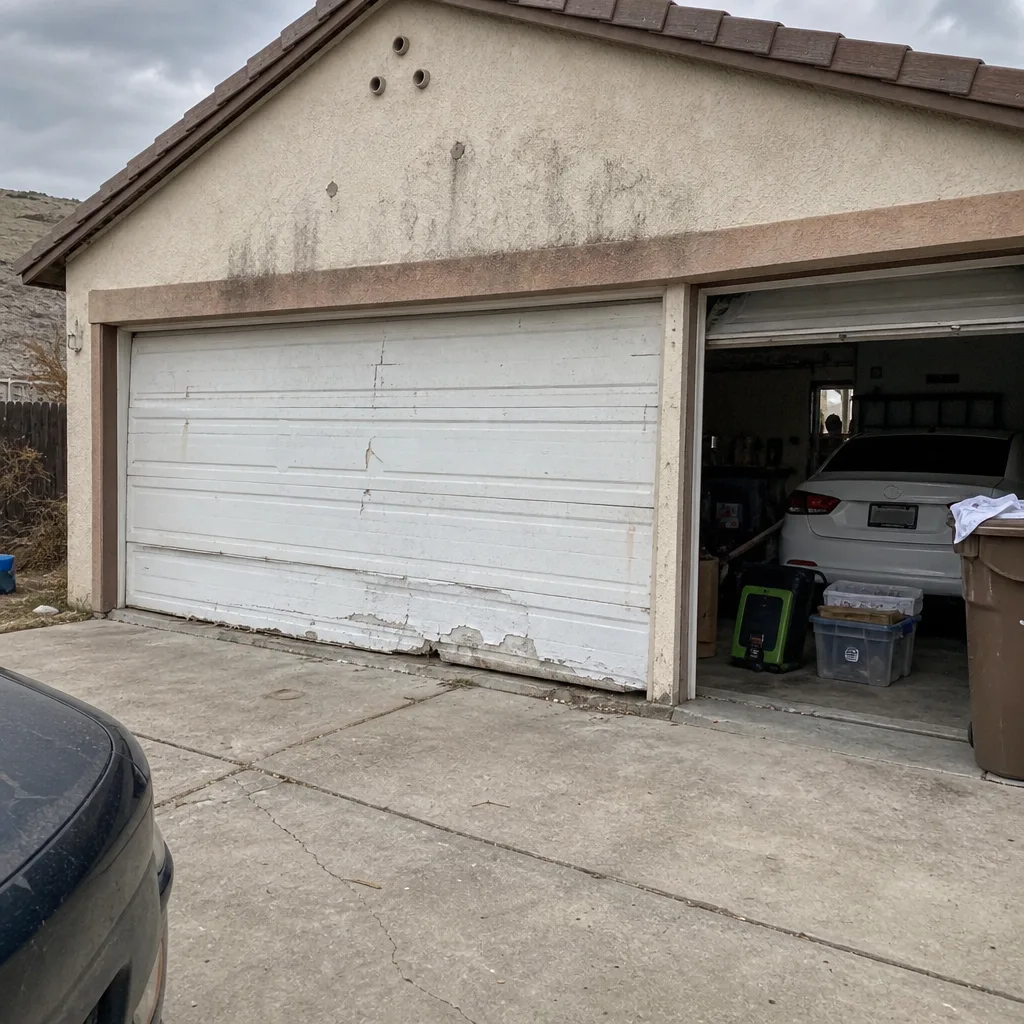 Before
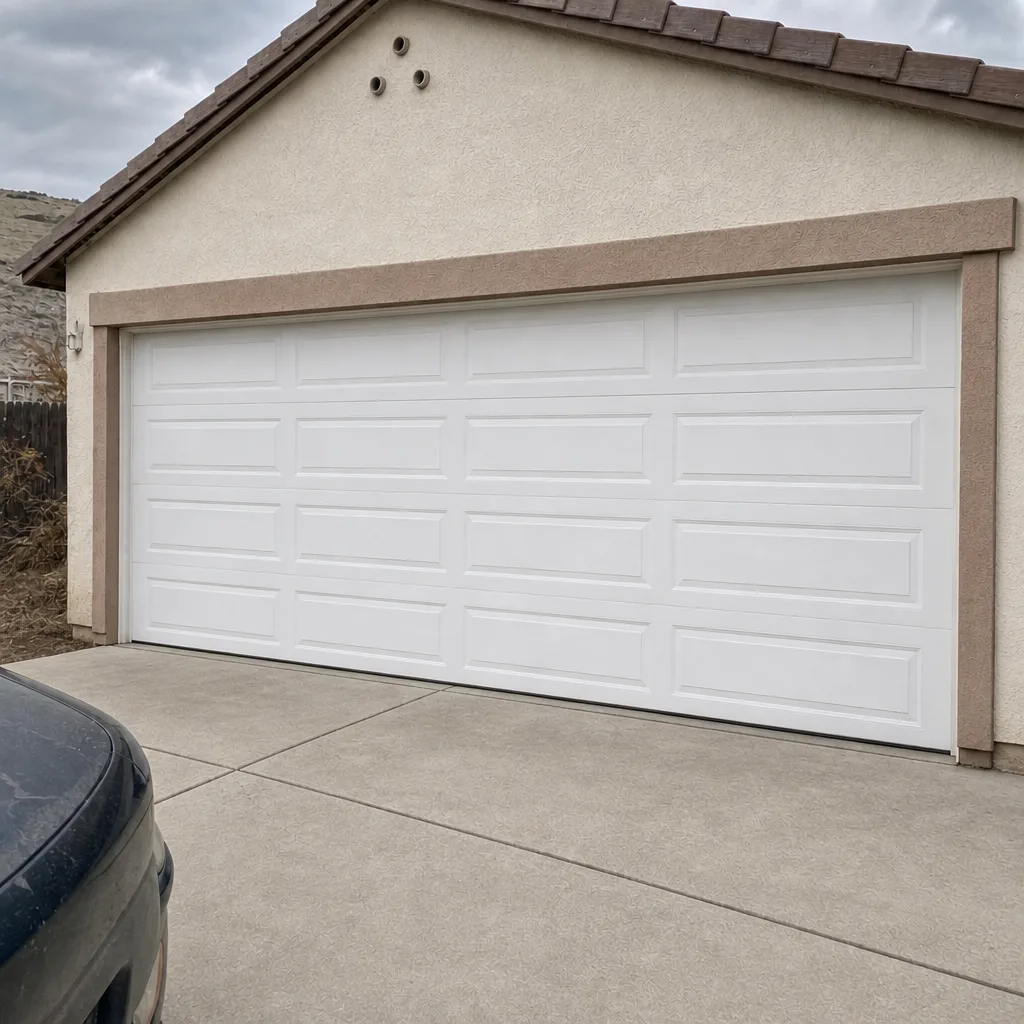 After
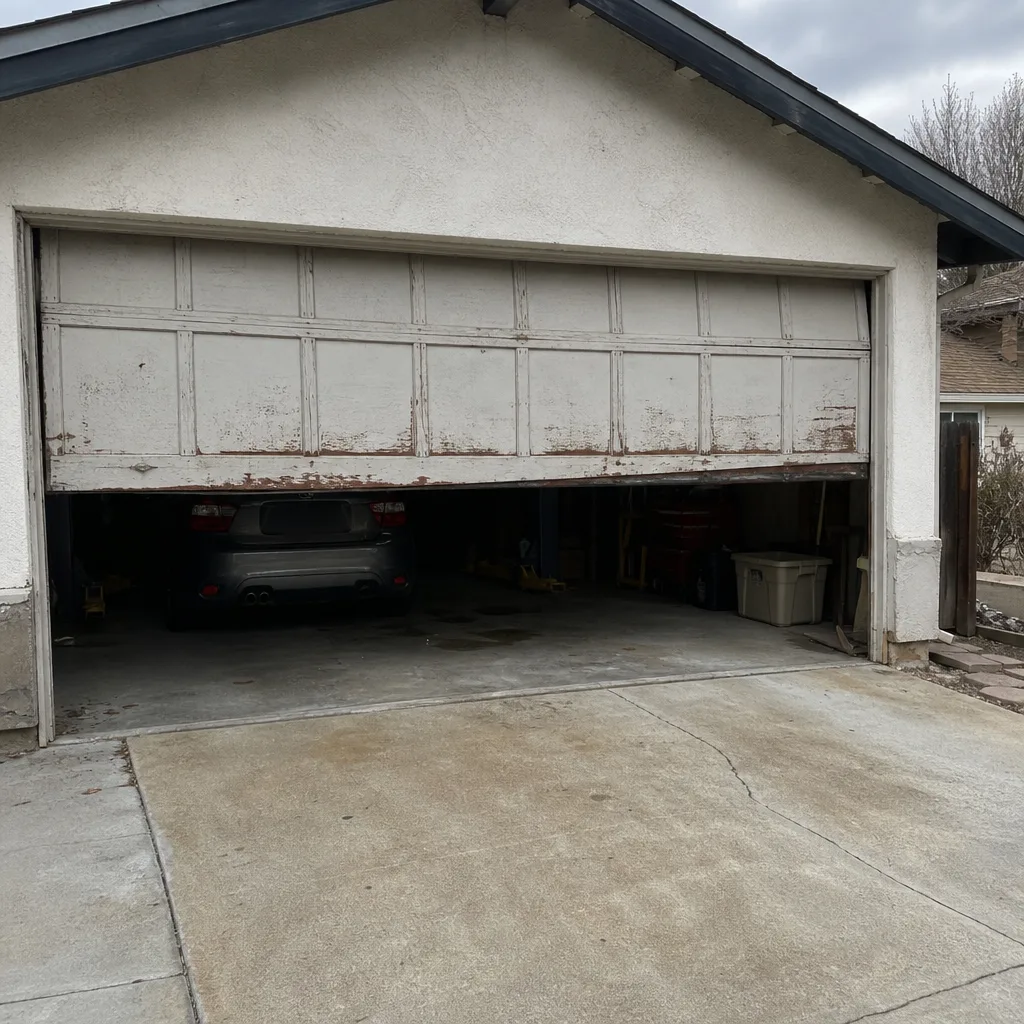 Before
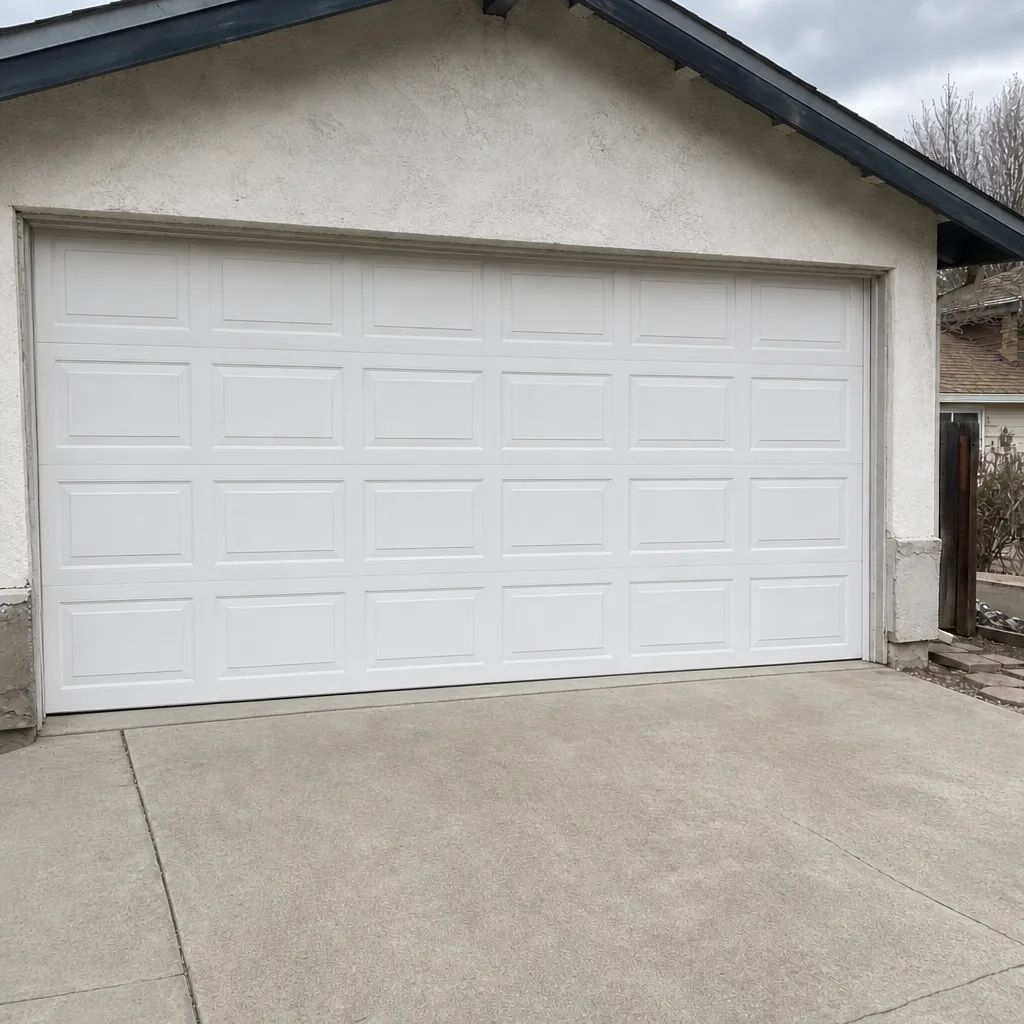 After
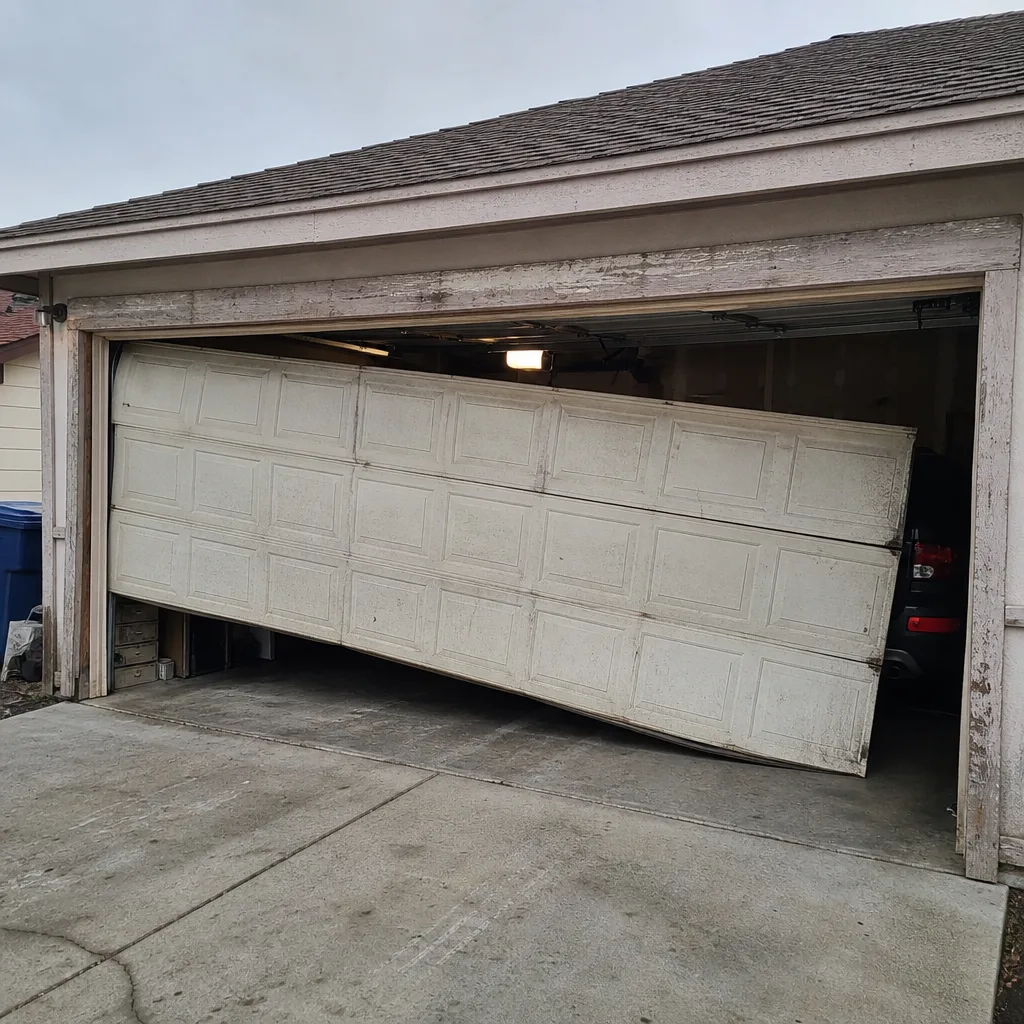 Before
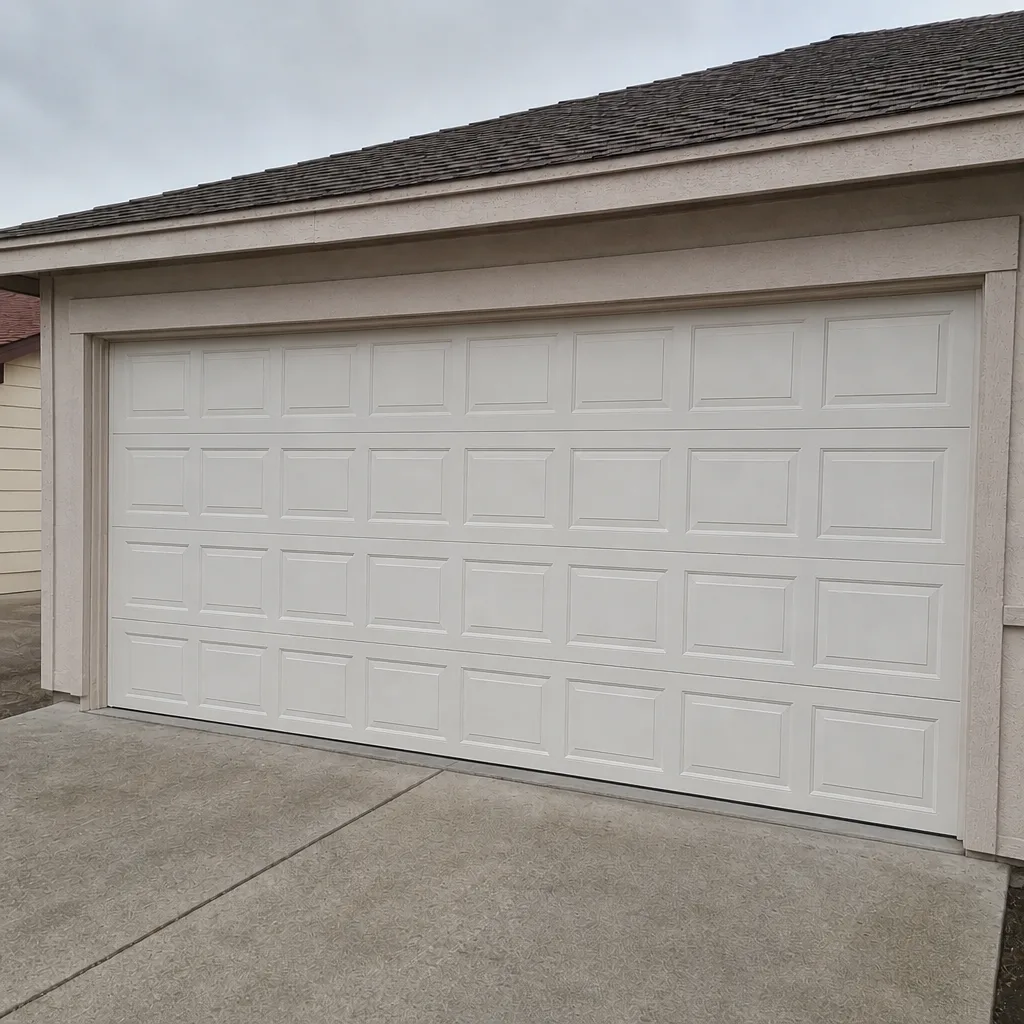 After
Frequently Asked Questions
Run a quick check before you call anyone back. Release the opener, lift the door by hand to test balance, watch the travel, check the floor gap with a coin, and test the safety reverse. If any of those fail, call the installer or a pro. The problem is almost always in the door setup, not the opener.
Yes, and it’s a routine call for us in Mesquite. Bring whatever paperwork you have and any video from the 48-hour checklist. Free second opinion on any written estimate, no trip charge inside our county. Call (844) 320-6569 for an exact quote.
Because it’s usually a setup problem, not a defect. The most common causes are misaligned rollers, loose hinges, dry springs, or a twisted opener rail. All four are fixable, and the fix is usually quick. Don’t assume it’ll “warm up” – noise on a new door is a signal, not a stage.
It’s common in older slabs, and in Mesquite it’s especially common because some of the older garage floors settled at an uneven pitch. It’s not normal in the sense of “acceptable,” though. It should be corrected with a track re-shim, not left to strain the opener for years.
Labor coverage for adjustments with a stated response time, header bracket and track placement explicitly covered, spring calibration covered, and opener alignment covered if they mounted it. Get the manufacturer warranty on the door and the installer warranty on the labor as two separate documents, both in writing.
No. Torsion springs are under a dangerous amount of stored energy and a wrong move can injure you badly. This is genuinely one of the jobs where a professional is required, not optional. Call us or call the installer – not worth the risk.
The Bottom Line
A new garage door that doesn’t work right is usually telling you about the installation, not the opener. Header bracket placement, spring calibration, track alignment against an uneven slab, and setup noise are the four areas to check first. The best defense is the 48-hour post-install checklist run while the installer is still reachable, plus a written installer warranty covering labor, brackets, springs, and alignment. Our technicians have up to 22 years of experience on all major brands and we handle this exact call regularly in Mesquite. If you’re stuck between “it should be fine” and “something’s off,” get a second opinion in writing.
Contact
Otto’s Garage Door Mesquite is the locally owned, owner-operated shop where the name on the van is the name on the invoice and the name on the license. We answer the phone around the clock, quote the job on that call, and hold the number when we get there. Proudly serving Mesquite Otto’s Garage Door Mesquite home and the surrounding county. Call (844) 320-6569 for a free estimate – $40 off any repair over $200, no trip charge inside the county, and a permanent 10% discount for seniors and veterans, always.
Written by the team at Otto’s Garage Door Mesquite.