
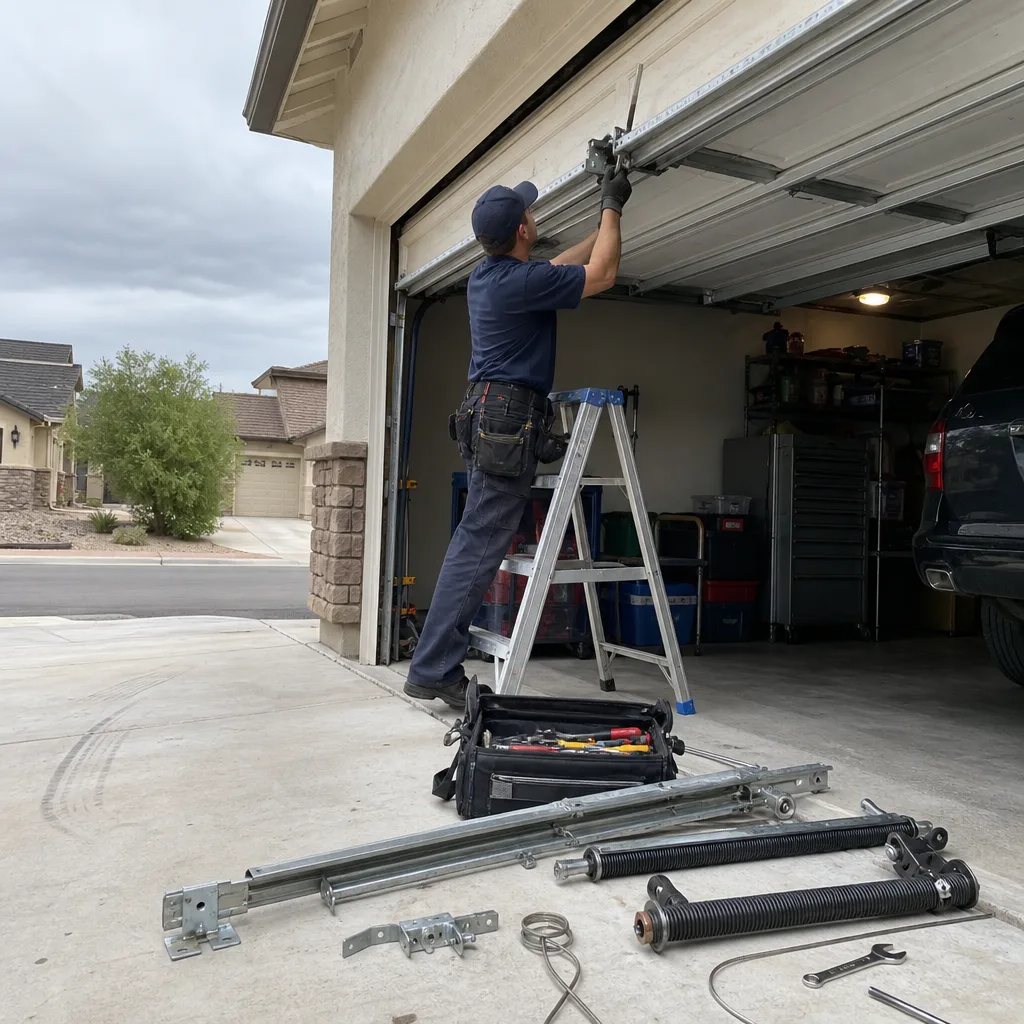
Last updated November 17, 2026
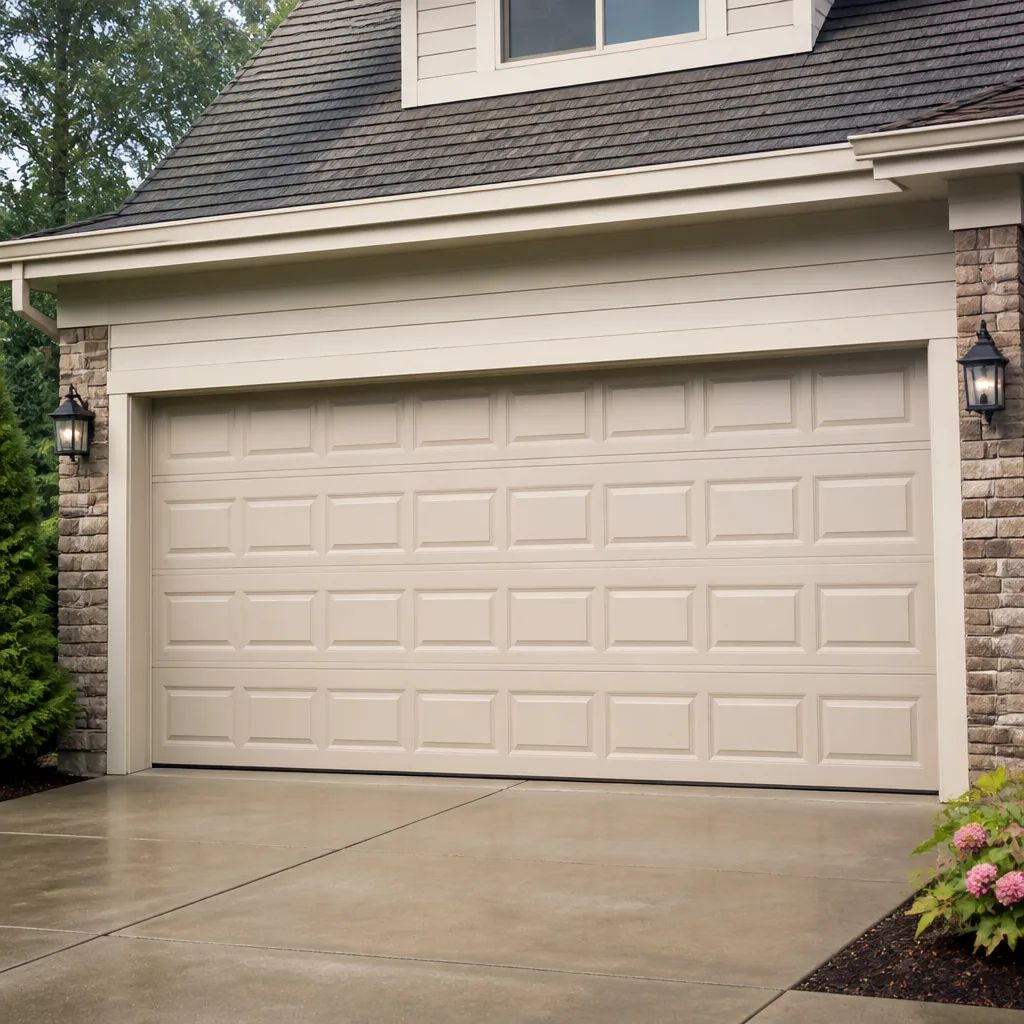 Raised-panel steel
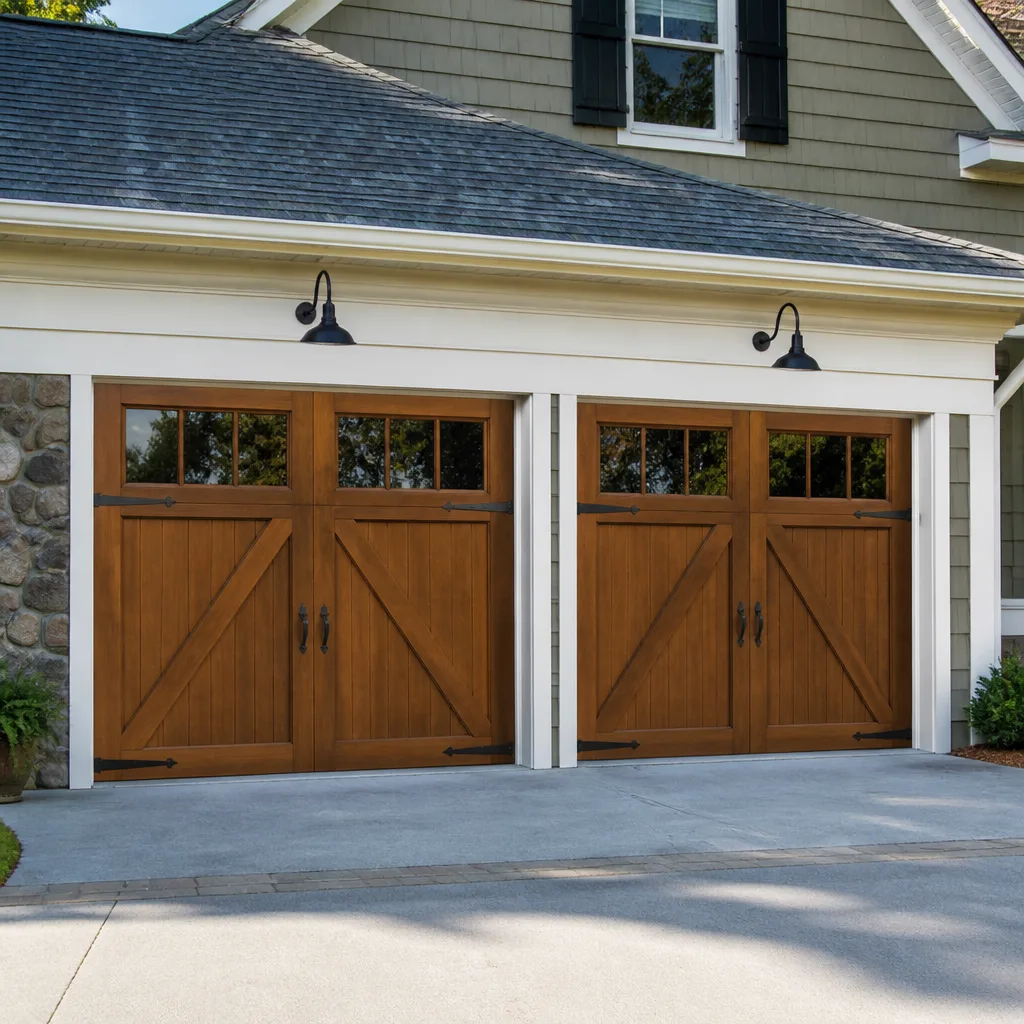 Carriage house
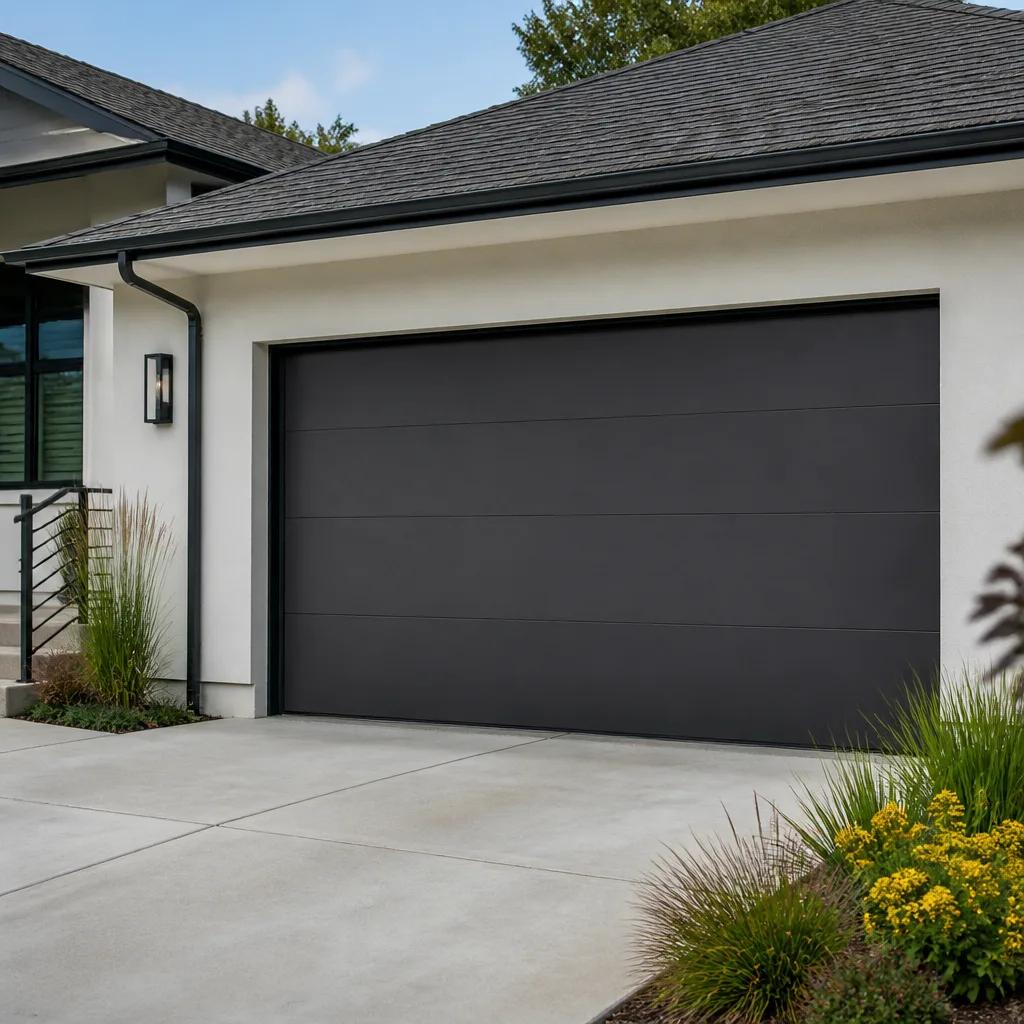 Modern flush
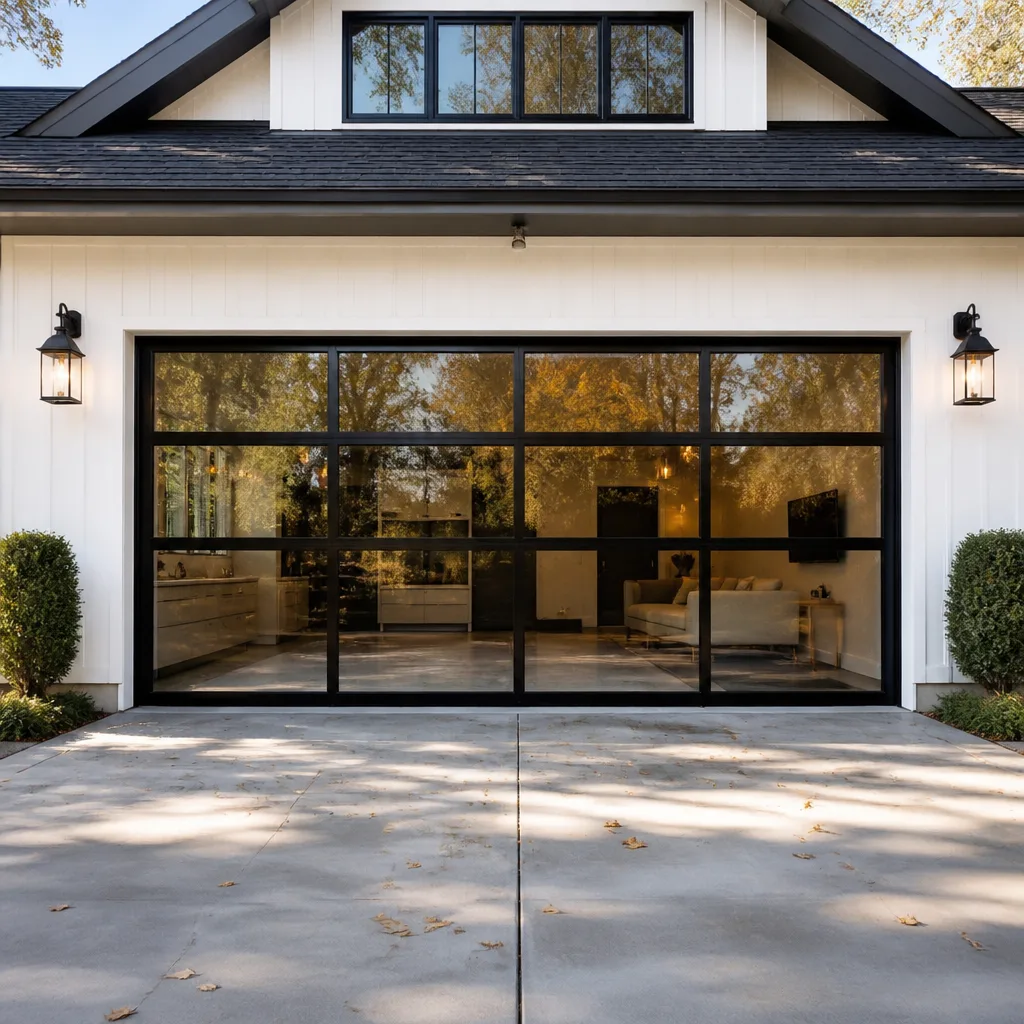 Full-view glass
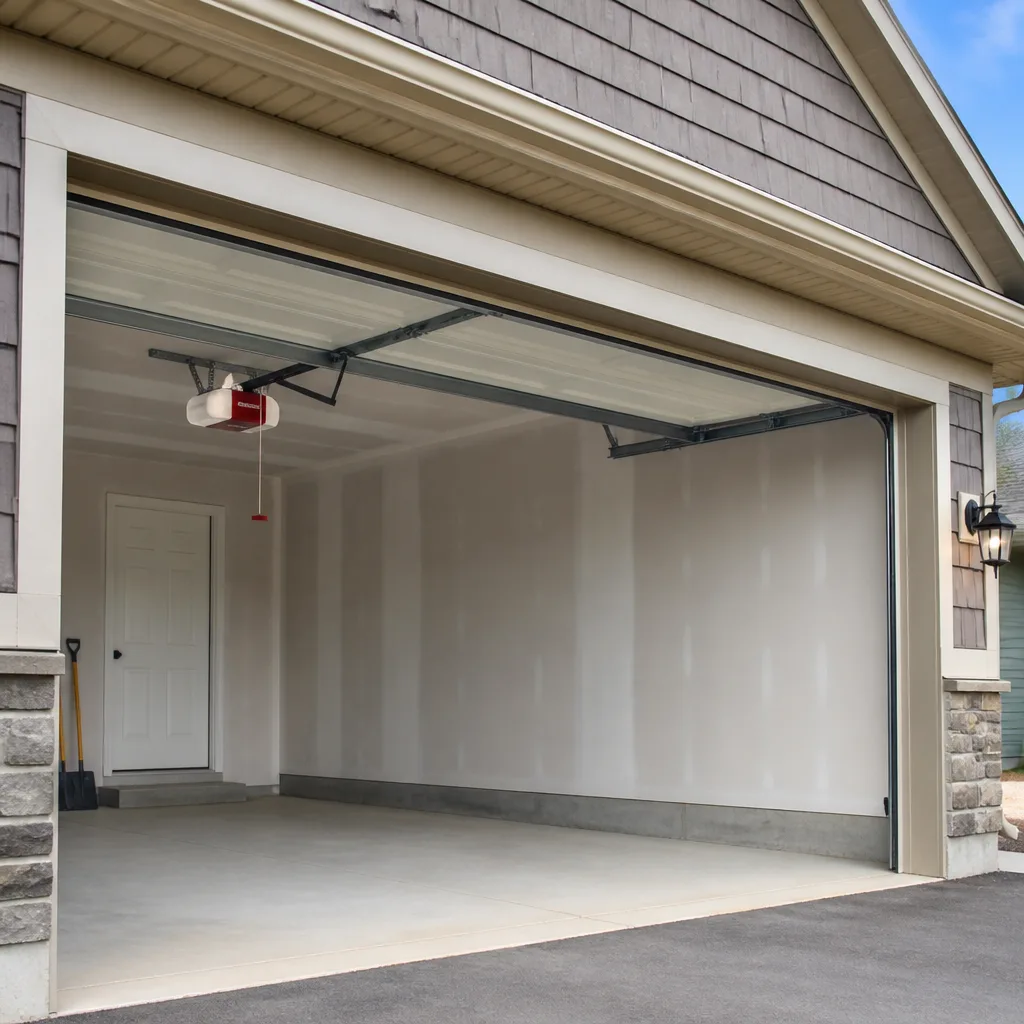 LiftMaster openers
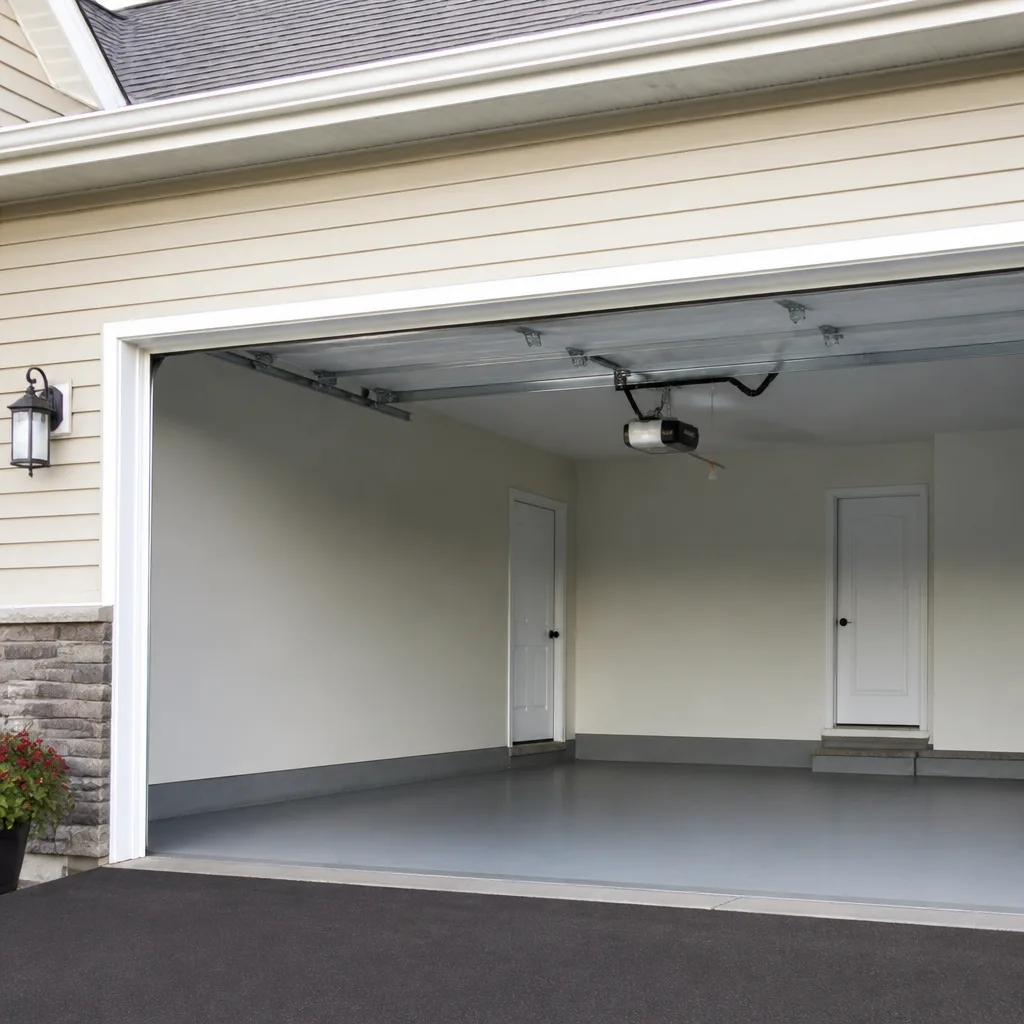 Chamberlain openers
Full 25-point door and opener safety check with every visit - springs, cables, rollers, tracks, and your LiftMaster or Chamberlain opener included
You get a price before we start. It does not change when the pro arrives.
Get your free estimateThe Complete Garage Door Parts Guide for Mesquite Homeowners
Otto once quoted a repair and the homeowner said “sounds right” because they had no idea what a cable drum was or whether $85 was reasonable for one. It was. But they had no way to know that, and that’s a bad spot to be in with any contractor. Most homeowners can’t name half the parts on their garage door, which means they can’t describe what’s wrong, can’t comparison-shop repairs, and can’t tell a fair quote from a padded one. This guide fixes that in one read for Mesquite homeowners: every major component, what it does, roughly what it costs, how long it should last, and which parts wear out fastest in our desert heat.
Quick Answer
A garage door is a system of about a dozen moving parts, and repairs usually run $95 to $650 depending on which one failed. Springs and cables do the heavy lifting and are the most dangerous to touch. Rollers, hinges, and weather seal are the cheap wear items that fail fastest in Mesquite’s heat and dry air. Knowing the parts by name is how you read a quote and know if it’s fair before you agree to it.
Styles & brands we work with
- Raised-panel steel
- Carriage house
- Modern flush
- Full-view glass
- LiftMaster openers
- Chamberlain openers
Table of Contents
- The Parts Glossary: Every Major Component Explained
- Which Parts Wear Out Fastest in Mesquite
- Standard vs. Heavy-Duty: When the Upgrade Is Worth It
- How to Read a Parts-Based Repair Quote
- Five Parts You Can Check Yourself, No Tools Needed
- The Parts You Should Never Touch
- How Long Each Part Should Last
The Parts Glossary: Every Major Component Explained
Here’s the plain-language version. If you can name what’s on your door, you can describe the problem on the phone and understand what you’re being quoted. This is the same walkthrough we do on every service call in Mesquite, just without the ladder.
- Torsion springs. The big coil mounted on the wall above the door. It stores the energy that lifts a 200-pound door. Most modern doors have one or two. Cost to replace: roughly $180 to $340 for a pair, parts and labor. Lifespan: about 10,000 cycles, which is typically 7 to 10 years for a daily-use door.
- Extension springs. Older design that runs along the horizontal tracks on each side. Cheaper to replace (often $90 to $160 each) but they stretch and fail more suddenly. Lifespan: 8 to 12 years.
- Cables. Steel braided lines that connect the springs to the bottom corners of the door. They carry the tension. Cost: about $75 to $150 per side. Lifespan: 10 to 15 years, shorter in heat.
- Cable drums. The grooved spools at the top corners that the cables wind onto. They rarely fail on their own, but they wear when the cables fray. Cost when replaced with cables: $40 to $90 each.
- Rollers. The wheels that ride inside the track, usually 10 to 12 per door. Cost: $8 to $20 each installed, or $120 to $200 for a full set. Lifespan: 5 to 7 years for nylon, longer for steel.
- Hinges. The joints between door panels. Cost: $5 to $15 each. They creak and wear faster than anything else on the door besides rollers.
- Tracks. The vertical and horizontal rails the door rides in. Cost to straighten: $60 to $120. Full replacement: $200 to $450.
- Weather seal (bottom seal). The rubber strip at the base of the door. Cost: $50 to $120 installed. Lifespan: 3 to 5 years, shorter in full sun.
- Bottom brackets. The metal plates at the bottom corners that anchor the cables. They’re under spring tension and should never be loosened by a homeowner.
- Struts. Horizontal braces added across a door panel to stiffen it. Cost: $50 to $100 each. Worth it on doors over 8 feet wide or on any door that’s starting to bow.
Which Parts Wear Out Fastest in Mesquite
Mesquite is hard on a garage door in ways that matter. The climate here runs hot and dry for most of the year, with summer highs that sit around 105 to 110 and a UV load that punishes anything rubber or plastic facing the sun. We see failures here that don’t show up nearly as often in cooler or more humid parts of the country.
Three parts go first:
- Rubber weather seal. UV cracks the bottom seal faster than humidity ever would. A seal that would last 6 years back East can fail in 3 or 4 in Mesquite sun. Once it splits, dust and heat get into the door frame and the seal stops doing its job.
- Rollers. Low humidity dries out the lubrication in the roller bearings. A dry roller drags on the track, and a dragging roller makes the opener strain. In our experience, this is the single most common cause of a “the opener is going bad” call that turns out to be $150 in rollers.
- Cable coatings. The protective coating on garage door cables breaks down faster in sustained heat. Once the coating goes, the bare cable rusts and frays from the inside. A frayed cable is a cable that’s about to fail, which is why we check both cables on any service call here.
If you own a home in a newer Mesquite development or out toward the edge of town, your door faces the same sun and the same dry air. That’s the wear pattern to expect regardless of the brand, whether it’s a Raynor, a LiftMaster system, or anything else on the market. For a closer look at how these failures get fixed, our Garage Door Repair in Mesquite page walks through the common jobs.
Standard vs. Heavy-Duty: When the Upgrade Is Worth It
You’ll get pitched an upgrade on almost every repair. Some of them are worth it. Some are just a bigger invoice. Here’s how to tell the difference.
Standard-grade parts are designed to meet the door’s original spec. For most homes, that’s fine. Heavy-duty versions are built for more cycles, more weight, or more punishment, and they cost 20% to 50% more.
- Worth it: Heavy-duty torsion springs rated for 20,000-plus cycles. If you plan to stay in the house, the math works. You’re paying a little more now for a spring that lasts roughly twice as long, which is one fewer $200-plus repair down the road.
- Worth it: Steel rollers on a door that gets used heavily, like one on a busy family driveway or a door that opens and closes many times a day. Nylon is quieter but wears faster in dry heat.
- Worth it: A strut on any door over 8 feet wide, or any panel that’s starting to bow. The strut prevents a bigger repair later.
- Not worth it: Heavy-duty hinges on a standard residential door. Standard hinges handle normal use fine, and the upgrade doesn’t buy you much.
- Not worth it: “Commercial-grade” cables on a home door. It’s a bigger number on the invoice for a door that will never see commercial cycles.
We’ll tell you straight when the upgrade pays for itself and when it doesn’t. A fair technician will too, and if someone pushes a heavy-duty part with no reason why, ask what problem it solves.
How to Read a Parts-Based Repair Quote
This is where knowing the parts pays off. A garage door repair quote should list the parts, the labor, and a total. When you can read it, you can spot a padded one in about thirty seconds.
- Check the parts line items against the glossary above. If the quote is for spring replacement and the part price is $400 for the spring alone, that’s high for a standard residential torsion spring here in Mesquite.
- Look for parts that should be included, not billed. Cables, drums, and bottom brackets are always replaced with the springs during a torsion spring job. If you see them billed as separate add-ons on a spring replacement, ask why.
- Look for a reasonable labor markup. A fair quote prices parts and labor together so the total reflects the work. A quote that prices the part at cost and then adds a large labor line is one way to make a quote look smaller than it is. What you want is the all-in number, quoted before the visit and held when the technician arrives.
- Watch for the flags. A quote with no written parts breakdown, a price that “depends” once the truck shows up, or a line for a part you can’t identify and the technician can’t explain, are all reasons to slow down.
- Ask what happens if it’s not right. A written guarantee matters. A quote without one is a quote you can’t hold anyone to.
Otto’s Garage Door quotes the job on the phone and holds that number at the door. That’s the standard to expect from anyone who writes you a quote. And if you have a written estimate from someone else, we’ll give you a free second opinion on it.
Five Parts You Can Check Yourself, No Tools Needed
You don’t need to know how to fix these. You need to know what to look at so you can describe the problem accurately. Here are five checks any homeowner can do in about ten minutes with a flashlight and their eyes.
- Rollers. Look at each roller in the track. Are they cracked, flat-spotted, or worn down? A worn roller wobbles. A worn set is a common, cheap fix.
- Weather seal. Look at the rubber strip along the bottom. Cracks, splits, or a seal that’s pulling away from the door means it needs replacing. In Mesquite sun, check it every spring.
- Cables. Look at the cables along the sides. The danger sign is fraying. If you see loose strands or the coating peeling back, stop and call, don’t touch.
- Hinges. Look at the joints between panels. Rust, cracks, or a hinge that’s pulling loose are all things to report.
- Tracks. Look at the rails from the side. A dented or bent track is easy to see. A door that jerks or shudders as it moves is often a track problem.
If any of those checks turn up something, note the part and call. Knowing which one you’re pointing at keeps the conversation honest and the quote on target. For the full scope of what we fix, our Garage Door Opener Repair & Installation in Mesquite page covers the motor and control side of the door.
The Parts You Should Never Touch
Some parts are homeowner territory. Some will hurt you, and we mean that literally. A door is 200 pounds riding on two springs. Respect it.
Torsion springs, extension springs, cables, drums, and bottom brackets are all under stored tension. The springs hold the weight of the door. The cables hold the tension. If a spring lets go while you’re near it, the force is enough to break bones. If you loosen a bottom bracket thinking you’re just removing a bolt, the cable can snap and whip. This is why a real repair on these parts is a job for someone trained to work with tension safely. We don’t write DIY instructions for spring and cable work, and no one who knows the trade will either.
What you can do: know the parts, check the wear items above, and call when something looks wrong. If a spring is broken, the door won’t lift safely, and that’s a call, not a project. For emergency repair around the clock, our Otto’s Garage Door Mesquite home page has the full picture of how we handle urgent calls.
How Long Each Part Should Last
Here’s a quick reference for what to expect. Lifespans are for a typical daily-use door, and Mesquite’s heat and sun can shorten the rubber and cable numbers.
- Torsion springs: 7 to 10 years (about 10,000 cycles).
- Extension springs: 8 to 12 years.
- Cables: 10 to 15 years, shorter in heat.
- Rollers: 5 to 7 years.
- Hinges: 10 to 15 years.
- Weather seal: 3 to 5 years, shorter in full sun.
- Tracks and struts: 15 to 20 years with normal use.
Springs are counted in cycles, not years. Otto counts spring cycles the way you count tire miles. He’ll tell you what’s left on yours during a service call, so you can plan a replacement instead of being surprised by one. New opener and door work has its own timeline; our Garage Door Installation in Mesquite page covers that side.
Common Mistakes to Avoid
- Treating rollers as a permanent part. They’re a wear item, and in our dry air they dry out faster here. Replace a worn set before it drags down the opener.
- Ignoring a frayed cable. A cable with loose strands is a cable about to fail. It’s one of the parts we see fail most in summer heat.
- Letting the weather seal go. A cracked bottom seal lets dust and heat in and stops sealing. In Mesquite sun, plan on a replacement every few years.
- Paying for a heavy-duty part with no reason. If a technician can’t say which problem the upgrade solves, it’s likely padding.
- Accepting a quote with no parts breakdown. You can’t comparison-shop what you can’t read. Ask for a written parts-and-labor breakdown before you agree.
- Confusing the opener for the door. If the opener is straining, the problem is almost never the opener. It’s usually a dry roller, a worn track, or a worn hinge.
- Touching a spring or cable yourself. This is the mistake that turns a $200 repair into a hospital visit. Leave the tension to a trained technician.
See the difference
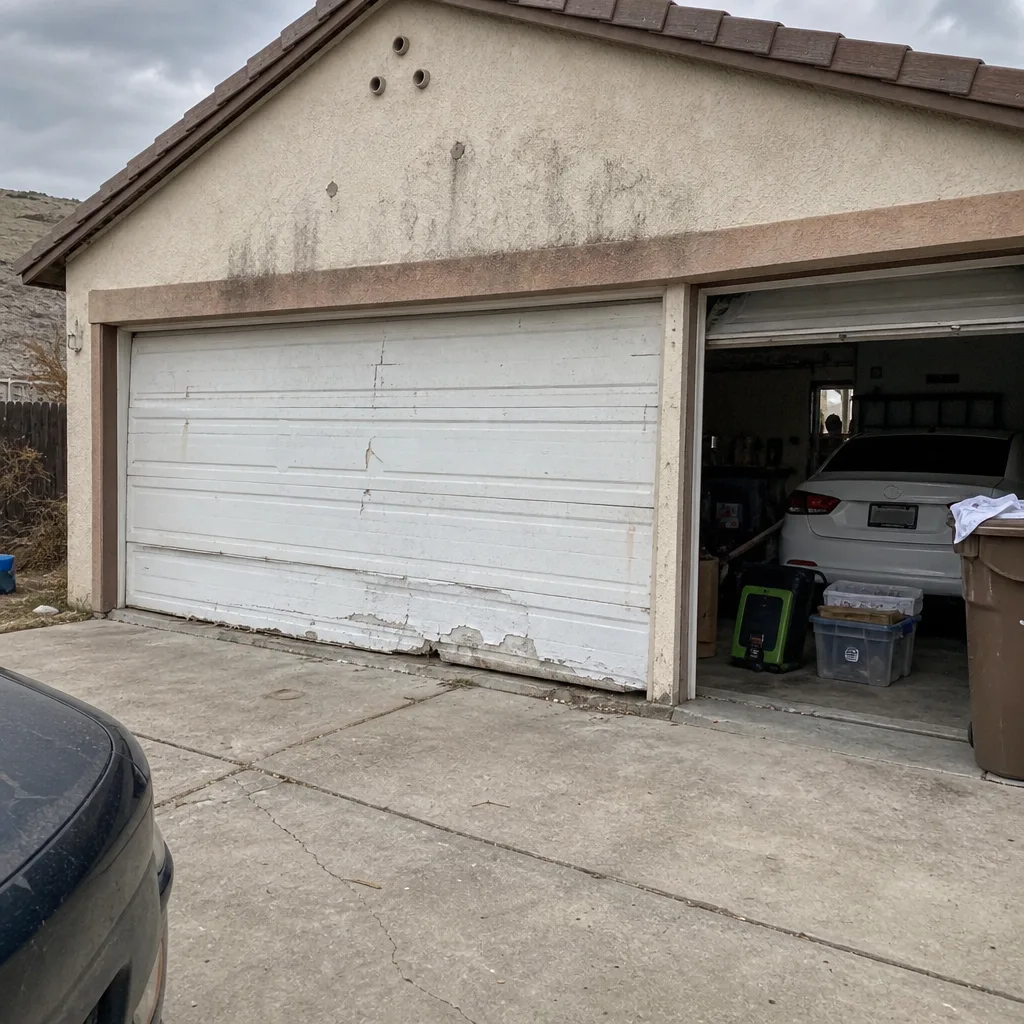 Before
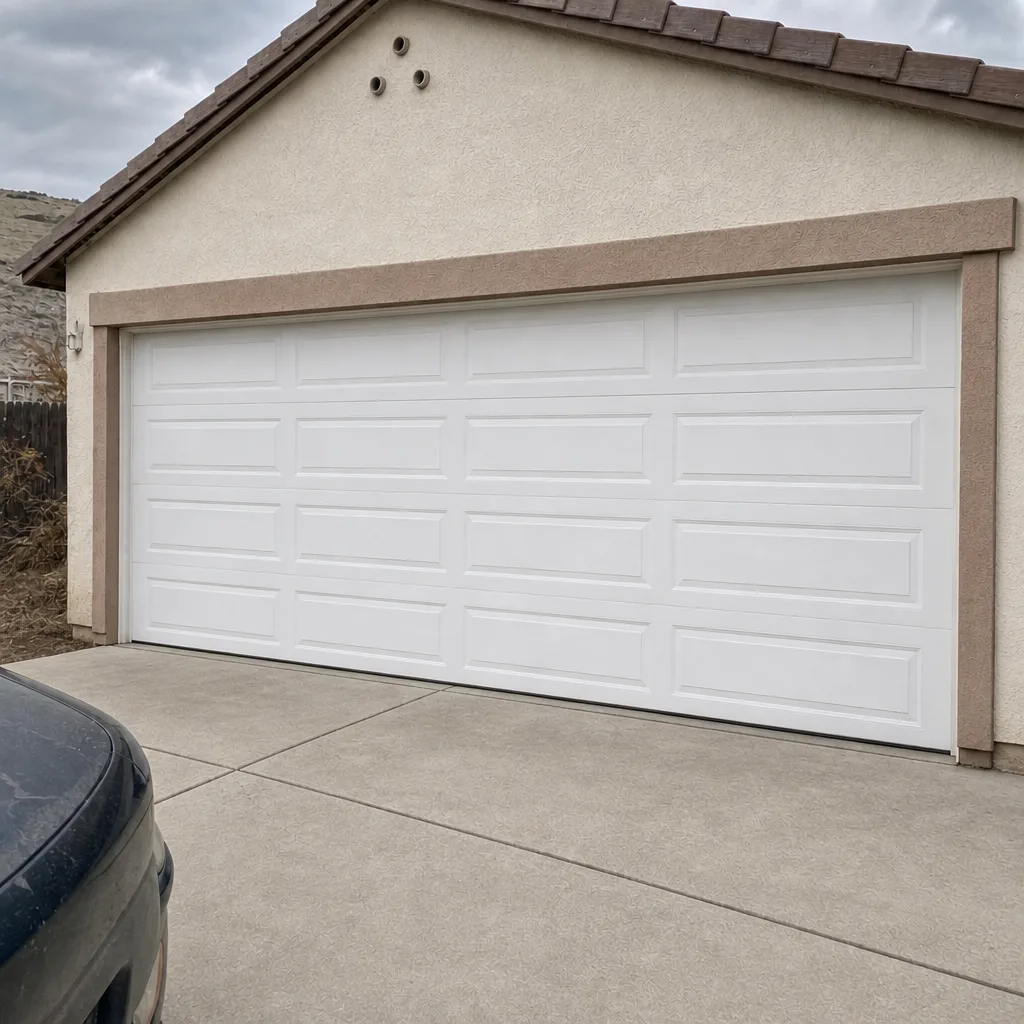 After
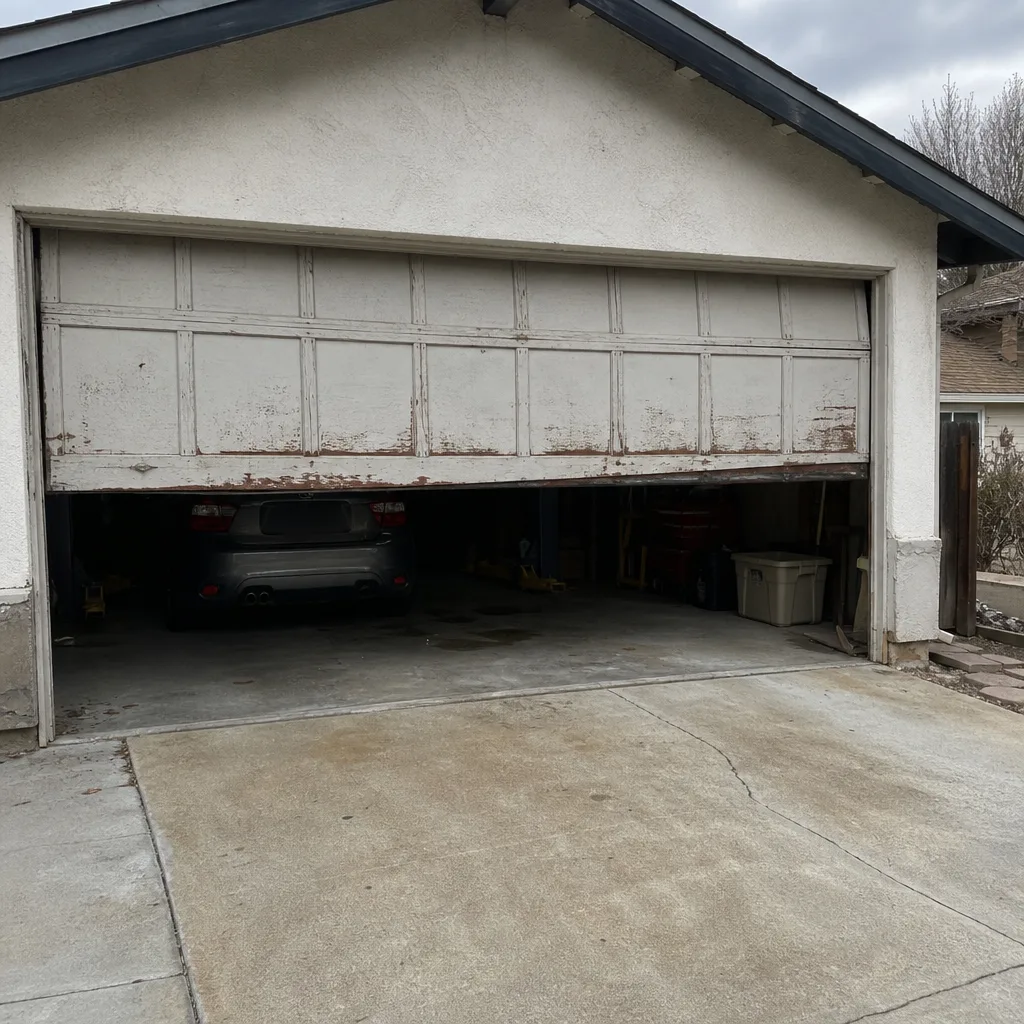 Before
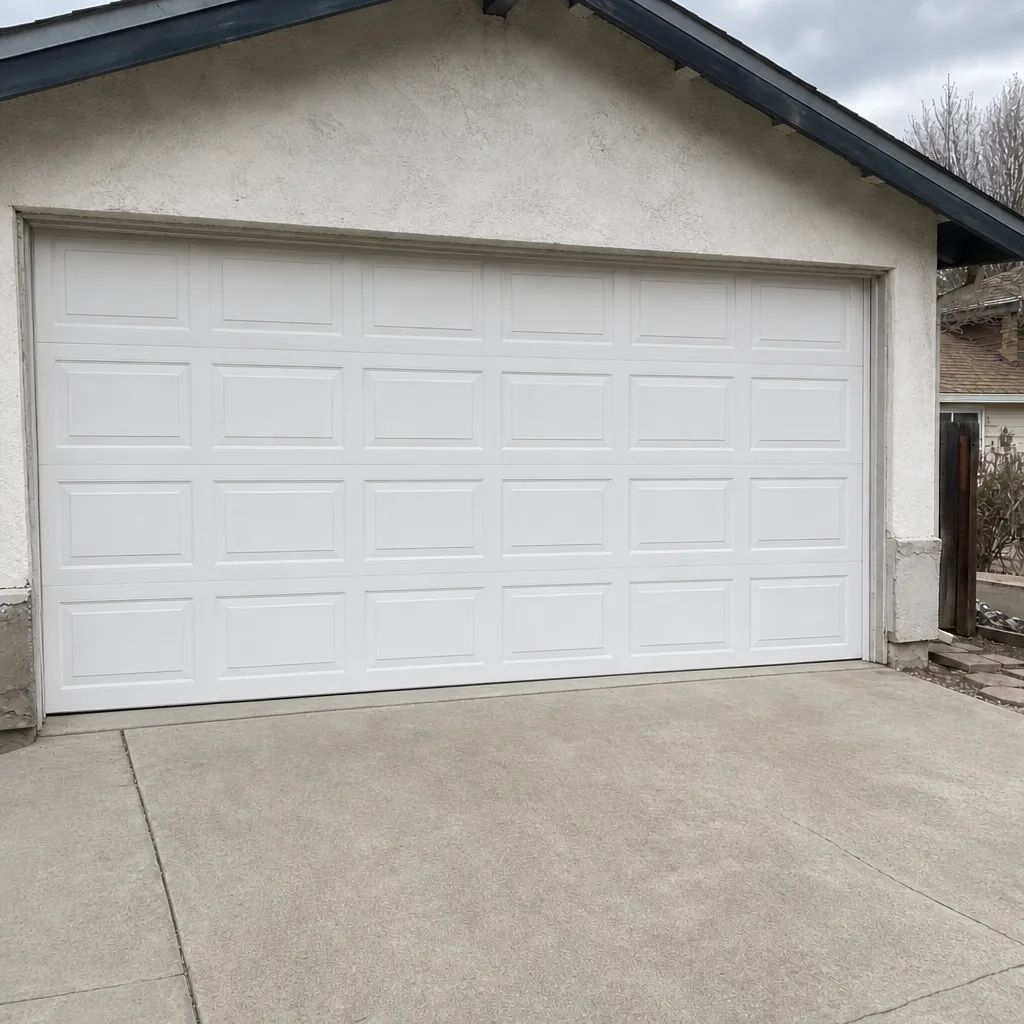 After
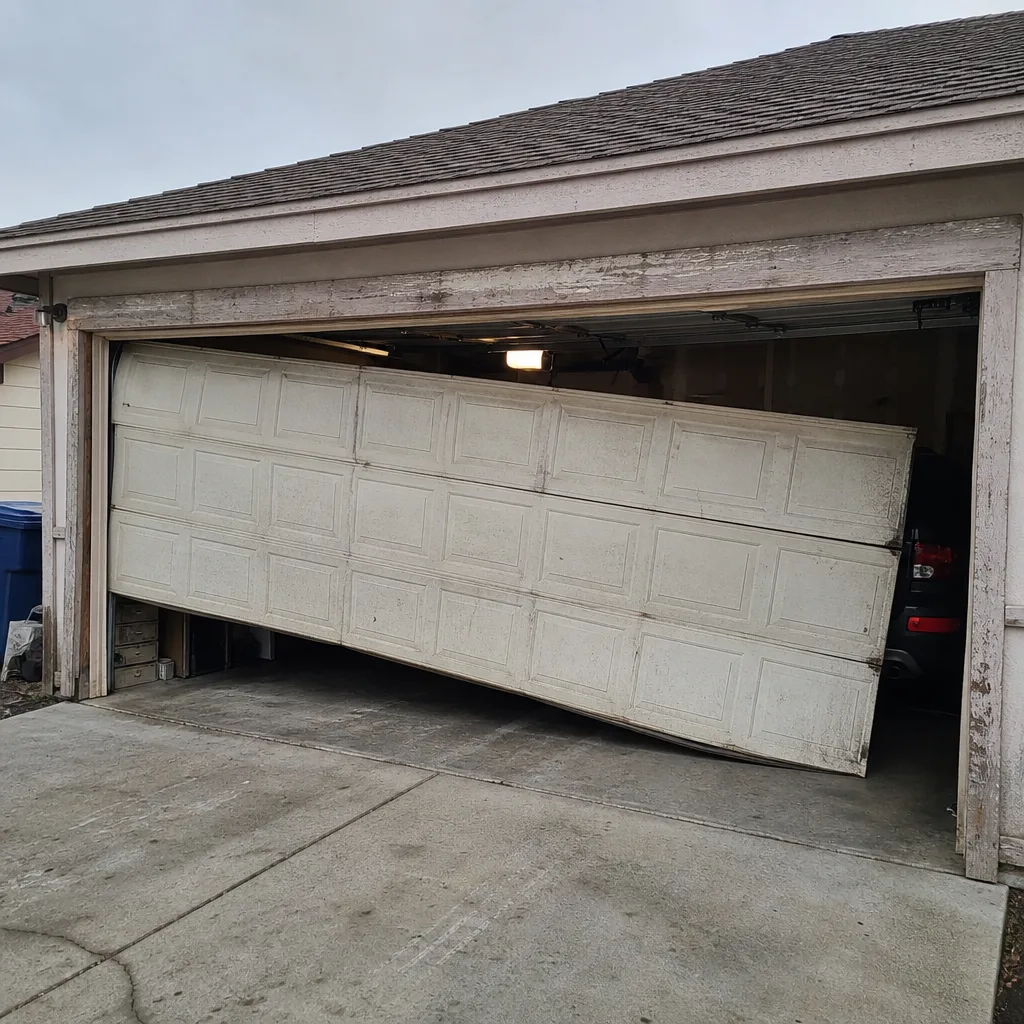 Before
 After
When to Call a Professional
Call when any of the tension parts fail or look close to failing: broken springs, frayed cables, a bent track, or a door that won’t lift or won’t stay down. Call when the opener strains even though the door itself looks fine, because the cause is usually in the rollers, hinges, or track. Call when you’re not sure which part is the problem, because a trained eye finds it in minutes. Work on springs, cables, and drums isn’t a homeowner job, and a door that’s off its tracks or hanging by a cable needs attention now, not next weekend. Otto’s Garage Door Mesquite offers free estimates in Mesquite. Call (844) 320-6569 for an exact quote, and we’ll tell you which part failed and what it costs to fix.
Frequently Asked Questions
A standard residential torsion spring replacement in Mesquite typically runs about $180 to $340 for the pair, parts and labor. Extension springs on an older door are often $90 to $160 each. The price is quoted and agreed before any work starts, so you’ll know the number before we touch the door. Call (844) 320-6569 for an exact quote. Estimates are free.
The rubber weather seal, the rollers, and the cable coatings wear fastest here. UV cracks the seal, dry air dries out the roller bearings, and sustained heat breaks down cable coatings. Those three are the parts to check every year on a Mesquite door.
Rollers are one of the safer parts to swap, but only if the door is fully up and the springs are not under load, and honestly most homeowners shouldn’t. The risk is in what’s around the roller: the track, the bracket, and the tension. If you’re not sure, it’s a quick call for us and a cheap part.
If the opener is straining, the problem is almost never the opener. It’s usually binding in the rollers, a worn hinge, or a track that’s slightly out of alignment. Checking those first saves you from paying for a new motor you don’t need.
A fair spring replacement includes the spring, the cables, the drums, and the bottom brackets, because those come apart together and should go back together new. If those show up as separate add-on line items, ask why.
Yes. Otto’s Garage Door is locally owned and operated, with a published address and license number any homeowner can check before the work begins, and technicians are background-checked and trained across all major brands. The price is quoted before the visit and doesn’t change between the phone and the driveway.
The Bottom Line
A garage door has about a dozen parts, and once you know their names, everything else about the repair gets easier. You can describe the problem, compare quotes, and spot the padding. Springs and cables are the dangerous ones and belong to a trained technician. Rollers, hinges, and weather seal are the cheap wear items that fail fastest in Mesquite heat and dry air, and they’re the ones worth a yearly look. The parts and labor ranges in this guide are what a fair quote looks like here, and any quote you get should hold its number when the truck arrives. That’s the standard we hold ourselves to.
Call Otto’s Garage Door Mesquite at (844) 320-6569 for a free estimate. We’ll tell you which part failed, what it costs, and what’s left on your springs, and we’ll back the work with our 90-Day Done Right Promise in writing.
Written by the team at Otto’s Garage Door Mesquite.