
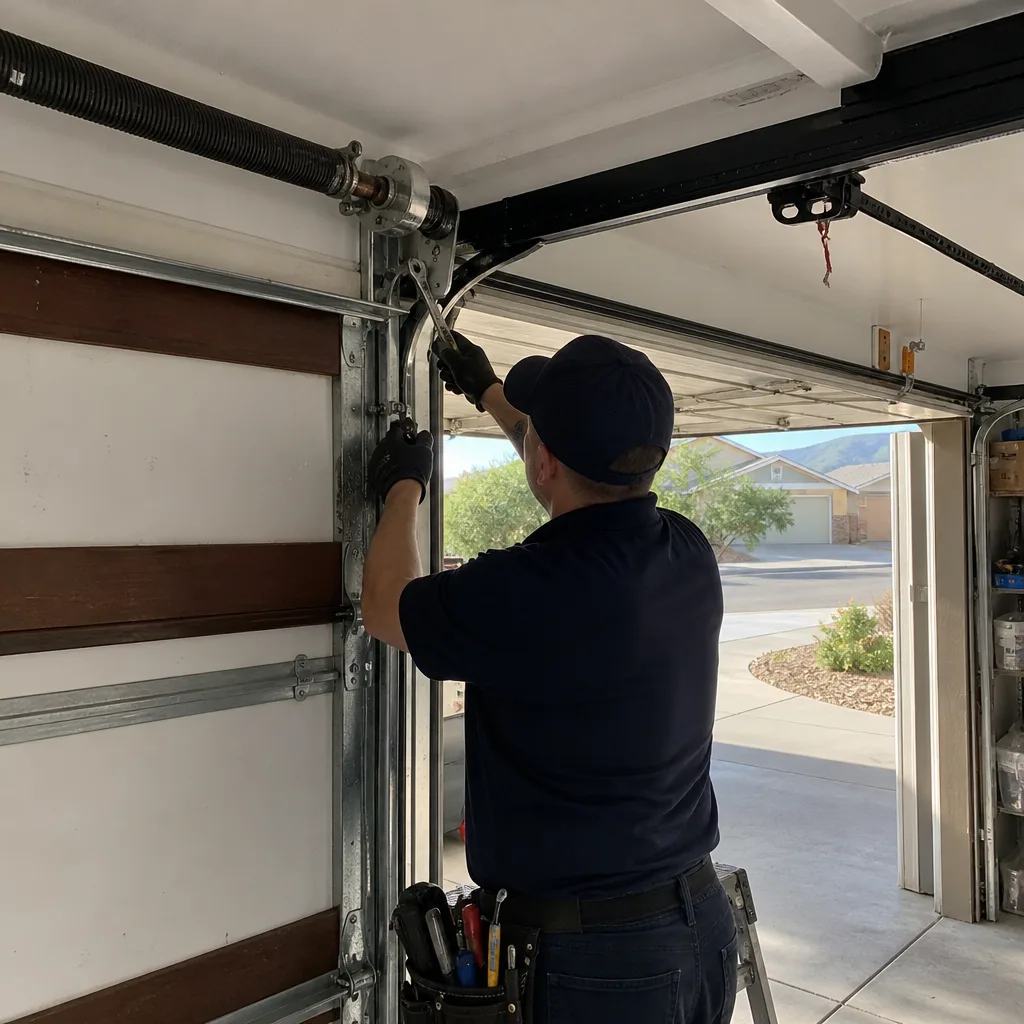
Last updated November 17, 2026
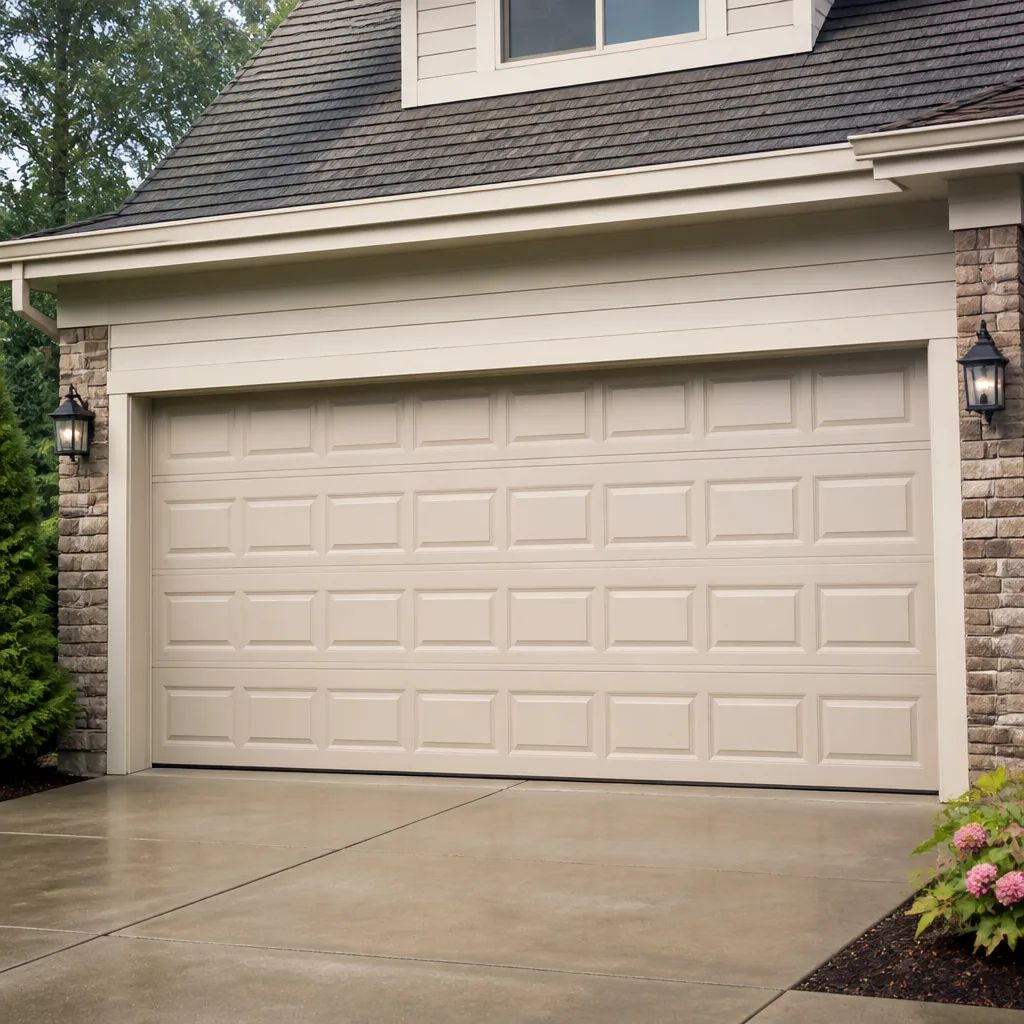 Raised-panel steel
 Carriage house
 Modern flush
 Full-view glass
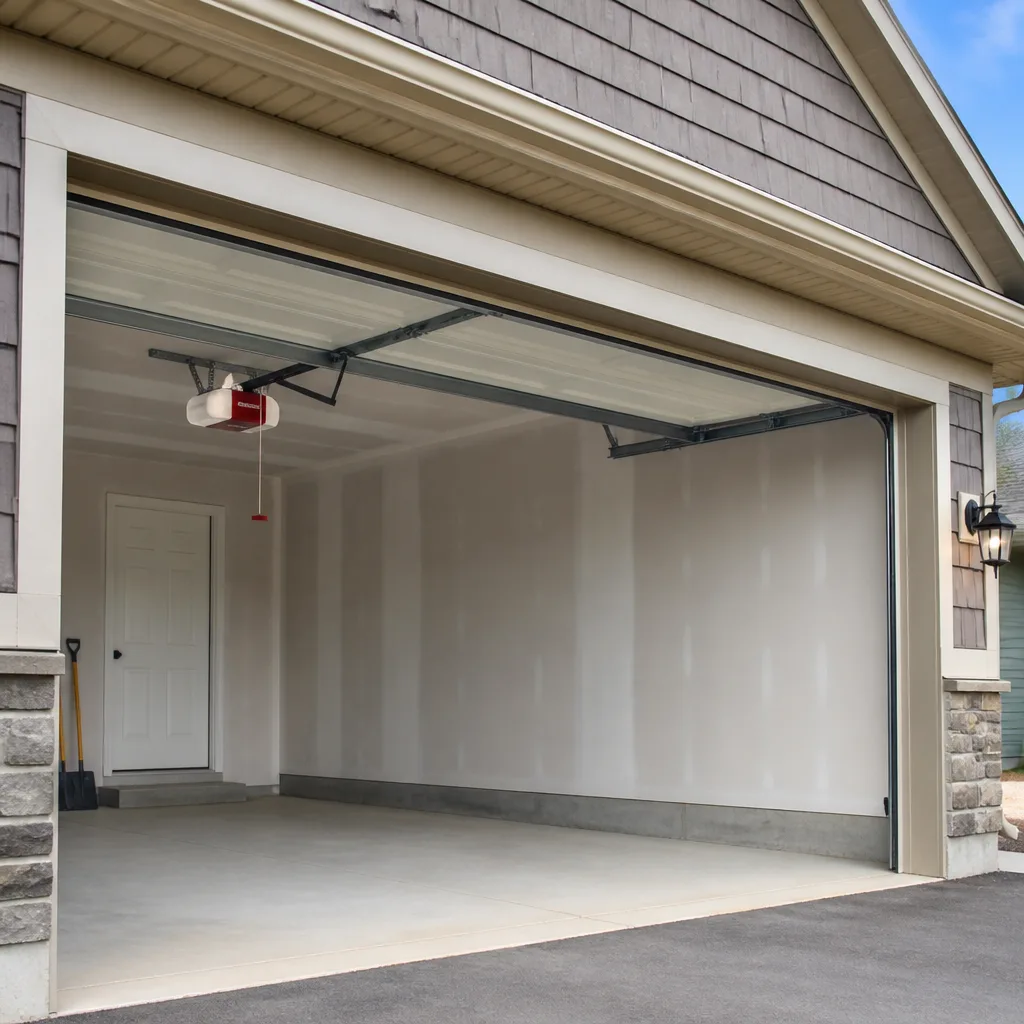 LiftMaster openers
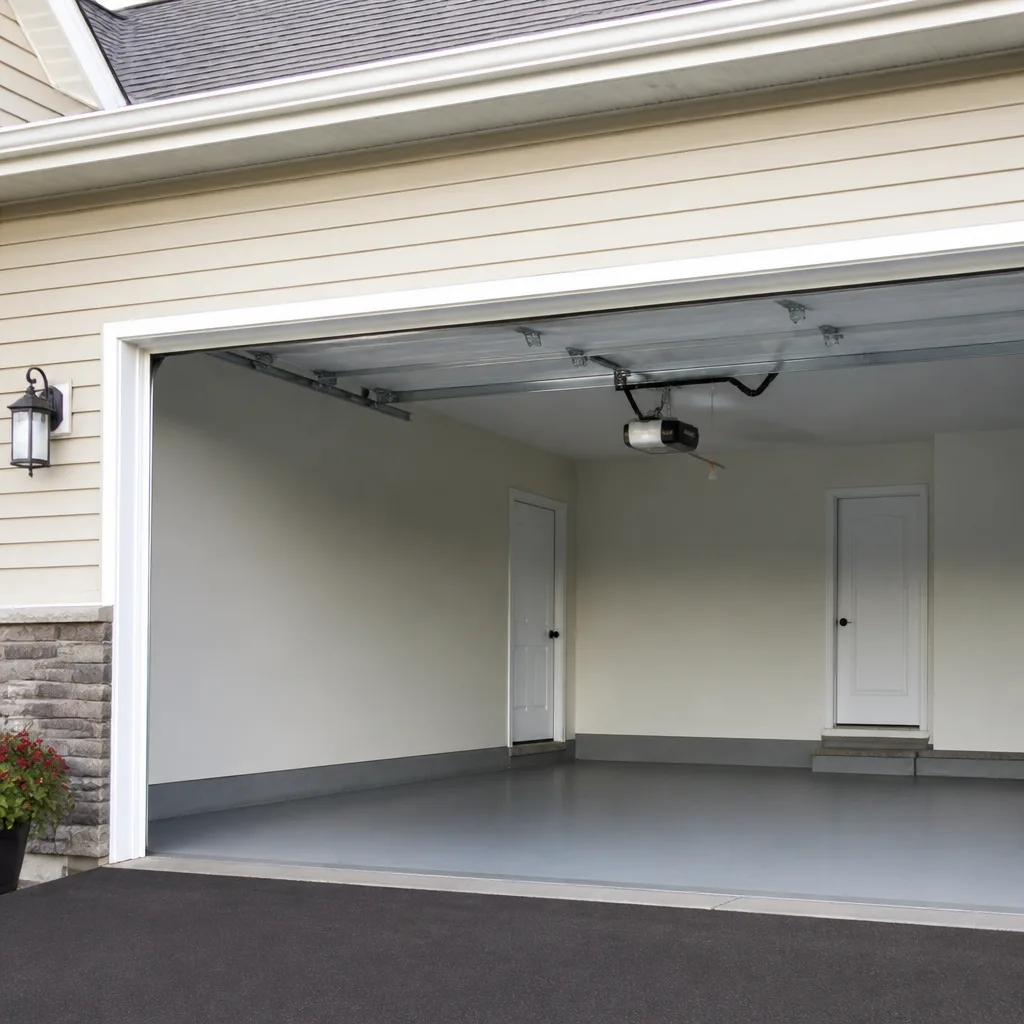 Chamberlain openers
Full 25-point door and opener safety check with every visit - springs, cables, rollers, tracks, and your LiftMaster or Chamberlain opener included
You get a price before we start. It does not change when the pro arrives.
Get your free estimateGarage Door Repair Maintenance Schedule: What to Do and When
Last August, we replaced three sets of torsion springs that had been installed the same week, two years earlier. Same brand, same gauge, three different doors in three different neighborhoods. The only thing those doors had in common was that nobody had lubricated the springs since install. In Mesquite heat, that’s a two-year countdown running on a clock nobody could see. This guide is the maintenance schedule we actually use: one built around temperature thresholds and how hard your door is working, not around the calendar month printed on some national checklist. By the end you’ll know what to do, when to do it, what to put on your springs, and what to leave alone.
Quick Answer
In Mesquite, service your garage door twice a year – once in late spring after the first sustained stretch of 100°F days, and once in fall when the overnight lows drop under 60°F. Lubricate springs, hinges, and rollers with a PTFE or silicone-based dry lubricant (never grease or WD-40), run a 10-second balance test every three months, and replace the weather seal in fall before the cold snaps hit. Skip those two service points and you can expect spring and roller failure years ahead of schedule.
Styles & brands we work with
- Raised-panel steel
- Carriage house
- Modern flush
- Full-view glass
- LiftMaster openers
- Chamberlain openers
Table of Contents
- Why a Calendar-Based Schedule Fails in Mesquite
- The Bi-Annual Checklist: Spring Warm-Up and Fall Cool-Down
- Exactly What to Lubricate, and What Melts in 110°F Heat
- The 10-Second Balance Test That Predicts Spring Failure
- Why Weather Seals Are a Fall Task in Mesquite
- What We Check First on Doors Over 10 Years Old
- The Three-Minute Monthly Walk-Around
- Common Mistakes to Avoid
Why a Calendar-Based Schedule Fails in Mesquite
Most maintenance schedules floating around the internet were written somewhere with four seasons and mild summers. In a desert climate, that advice doesn’t hold. Your door cycles through a much wider temperature swing than the national average – morning lows near 45°F in January and afternoon highs over 110°F in July are both part of a normal Mesquite year. Metal expands and contracts across that range. Lubricant that flows fine on a spring morning turns to sludge or cooks off entirely by August. Rubber seals harden and crack from UV exposure, not from cold.
Here’s the practical upshot: a door in Mesquite works hardest in June, July, and August. Spring tension is under maximum load when the metal is hot. Rollers are wearing fastest when the tracks are warmest. If you’re only maintaining your door once a year in October, you’ve already missed the season that does the most damage.
What we’re suggesting here is a schedule anchored to temperature thresholds and usage patterns. Two service points a year, timed to the warm-up and the cool-down. Plus a quick monthly check that takes three minutes. That’s the whole program.
If you’re not sure of your door’s current condition, our team handles garage door repair in Mesquite and will give you an honest read on where your door stands before anything else happens.
The Bi-Annual Checklist: Spring Warm-Up and Fall Cool-Down
Two full service sessions per year. One around late May or early June, once the afternoon temps are consistently above 95°F. One around late October, once the overnight lows drop under 60°F. Same door, two very different jobs.
Late Spring Session (Warm-Up)
The warm-up session is about heat survival. Emphasize lubricant and seals before the brutal stretch arrives.
- Lubricate all torsion springs, hinges, and roller axles with a PTFE or silicone dry lubricant. Two light coats, wiped clean between.
- Wipe down the tracks with a damp cloth and dry them. Do not grease tracks – they’re supposed to stay clean and dry. Grease attracts dust, and dust accelerates wear.
- Inspect the weather seal along the bottom edge for cracks and gaps. Heat is about to make any weak spots worse.
- Test the auto-reverse by placing a 2×4 flat on the ground across the door’s path. Door should reverse on contact. If it doesn’t, stop – call us.
- Check the photo-eye safety sensors at the bottom of the tracks. Wipe the lenses clean. Dusty lenses are the #1 false-trip cause in Mesquite.
- Look at spring wear (see balance test below). Note any new gaps, dark spots, or loose coils.
Late Fall Session (Cool-Down)
- Lubricate springs and hinges again – a lighter coat this time, since cold lubricant stiffens.
- Replace the weather seal if you haven’t yet this year (see the weather seal section below).
- Tighten every hinge bolt and the track mounting bolts. Cold weather shrinks metal slightly, and loose hardware rattles louder.
- Test the balance manually with the opener disconnected.
- Check the rollers for flat spots. Nylon rollers often show wear at this point.
- Recheck auto-reverse and photo eyes. The door doesn’t care what month it is for safety testing.
Exactly What to Lubricate, and What Melts in 110°F Heat
This is where most do-it-yourself schedules fall apart. The wrong lubricant is worse than no lubricant in a desert climate. Grease-based products melt and run at high temps, then re-thicken overnight as a sticky film that catches every grain of dust blowing across the Mojave. That dust-in-grease paste becomes grinding paste the moment the door moves.
What works in Mesquite heat
- PTFE (Teflon) dry lubricant: The standard. It goes on wet, dries to a light film, and holds up through 110°F without running. Our first pick for springs, hinges, and roller axles.
- Silicone dry spray: A solid second choice. Slightly less durable than PTFE, but easier to find locally and stays put.
- White lithium grease (sparingly): Only for hinge pivot points where a small amount won’t drip. Never on springs.
What to avoid
- WD-40 (the blue-and-yellow can): It’s a solvent, not a lubricant. It cleans and displaces water, then evaporates and leaves your springs drier than before.
- Petroleum-based grease: Melts in summer, thickens in winter, and collects dust year-round.
- Cooking spray or motor oil: We’ve seen both. Neither works. Motor oil drips onto the driveway and stains the concrete.
One more thing: apply lubricant to springs, hinges, and roller bearings only. Not the tracks. Not the door panels. Not the opener rail. Tracks need to stay clean and dry so the rollers can roll freely. Lubricating them actually causes more problems than it prevents.
If your opener is straining or the door won’t respond, the opener is usually not the culprit – the stalling door is. Our page on garage door opener repair & installation in Mesquite covers how we separate opener symptoms from door problems.
The 10-Second Balance Test That Predicts Spring Failure
This is the single most useful diagnostic a homeowner can run, and almost nobody does it. It takes ten seconds, tells you the condition of your springs, and can give you six to twelve months of warning before a failure.
How to do the balance test
- Close the door fully.
- Pull the red emergency release cord hanging from the opener rail. This disconnects the door from the opener so you can move it by hand.
- Lift the door to waist height.
- Let go.
What you want to see: the door stays roughly where you left it. A small drift of a few inches is normal. What you don’t want to see: the door slams down hard, or shoots upward on its own. Both mean the spring tension is out of balance – the door is either over-sprung or under-sprung, and either way the springs are working harder than they should.
A door that won’t hold itself up is a door whose springs are already telling you something. If you do this test every three months, you’ll notice the change gradually. If you only do it once a year, you’ll notice it the morning the spring actually snaps and your car is trapped inside the garage.
Other spring warning signs
- A visible gap in one of the torsion springs above the door. That gap means the spring has already broken and is just hanging.
- A loud bang from the garage at an odd hour. That’s a spring letting go, and it’s memorable.
- Dark or rust-stained spots on the coils. Not always a failure indicator, but worth flagging.
- The door looking heavier or the opener working harder. Those two things go together.
A warning about the springs themselves: please don’t try to adjust or replace torsion springs yourself. A garage door weighs 200 pounds minimum, most of that weight is riding on two springs under enormous tension, and a spring that gets away from you can break an arm or worse. That’s not a warning to scare you off – it’s a safety line we don’t cross, and neither should you. If the balance test tells you something’s off, that’s the moment to call us.
Why Weather Seals Are a Fall Task in Mesquite
Every national maintenance guide tells you to replace your weather seal in spring. Around here, that’s backward. The seal spends all summer baking under direct sun and 110°F heat, which is when it degrades fastest. By October, that seal has done its worst season already. Replacing it in the fall means it’s fresh for the winter cold snaps and has a full cool season to cure and settle before the next brutal summer arrives.
How to check your seal
- Close the door fully.
- Look along the bottom edge for daylight showing through. Any light means the seal has failed.
- Run your hand along the seal – if it’s hard, cracked, or crumbling, replace it.
- Check for gaps at the corners. Corner gaps let in dust, insects, and (in Mesquite) the occasional scorpion or snake.
How to measure for the right size
Measure the width of your door opening at the widest point, edge to edge (not the frame). Then measure the thickness of the door itself at the bottom. Most residential doors are either 1-3/8″ or 2″ thick, and the seal you buy has to match that thickness. Bring those two numbers to the hardware store, or better, bring the numbers to us and we’ll pull the right seal off the shelf.
The wrong-sized seal will either fall off within a month or leave a gap that defeats the purpose. Measuring takes two minutes. Getting it right the first time saves the second trip.
What We Check First on Doors Over 10 Years Old
Once a door passes its tenth year, the checklist shifts. The annual tune-ups most services run focus on the obvious – lube and photo eyes and a quick wiggle of the hinges. Fine as far as it goes, but on an older door they’re skipping the parts that actually fail first. Here’s what we look at before anything else.
1. The spring cycle count
Torsion springs are rated in cycles – one cycle is one open plus one close. Standard springs are rated for 10,000 cycles; heavy-duty spring options go up to 20,000 or more. In a household that cycles the door four times a day, that’s roughly seven years on standard springs, give or take. In a household that cycles it ten times a day (two working vehicles, kids in and out), you’re looking at under three years. On any door over 10 years old, spring age and what’s left on the clock are the first thing we check. If we can’t tell you when the springs were last replaced, we treat them as overdue.
2. The bearings in the rollers
Most rollers get checked for cracks. The bearings inside them almost never do. On a 10-year-old door in Mesquite heat, bearings are often the source of the squeal that a hinge lubricant won’t fix. Nylon rollers tend to outlast steel ones in our climate, but both wear.
3. The opener’s drive gear and logic board
Openers have a surprising failure pattern around year 10 to 12. The gears inside the housing strip, or the logic board loses its programming. We test the opener with the door disconnected to isolate the opener’s health from the door’s. If the opener runs smooth with an empty rail, the door is the problem. If it grinds on an empty rail, the opener is on its way out. On brands like Genie and LiftMaster, parts are usually available – but replacement vs. repair is a real conversation at that age.
4. The track’s straightness
Older doors often have subtle bends in the vertical tracks that don’t show up until the door binds mid-travel. We check with a level and follow the rollers by hand to feel for binding.
5. The door panels themselves
Steel doors that have survived 10 summers in the desert can hide internal rust around the bottom panel and hinges. Clopay and Amarr panels from that era are usually solid, but the attachment points at the hinge and strut start to show. A panel replacement in year 12 is often cheaper than a full door replacement in year 14.
If a door of that age needs work beyond maintenance, our page on garage door installation in Mesquite walks through what replacement looks like when the time comes.
The Three-Minute Monthly Walk-Around
Between the two big service sessions, this is enough. Do it on the first Saturday of the month, or anytime you happen to notice the door looks off.
- Watch the door open and close once. Listen for new sounds – grinding, popping, squealing. Any new sound is worth a second look.
- Check the safety reverse. The 2×4 test. Ten seconds.
- Wipe the photo eye lenses. A dry rag, both sides.
- Look up at the springs. Any visible gap or new sag is a stop sign.
- Visually scan the tracks for anything loose, bent, or obstructed. Wayne Dalton doors in particular run tracks that don’t love impact.
Total time: about three minutes. That’s the whole monthly routine. Anything more and we’re doing it during the bi-annual service visits.
Common Mistakes to Avoid
- Greasing the tracks. People think lubrication helps everything. On tracks it does the opposite – grease catches desert dust, the rollers slide instead of roll, and you wear through them faster. Tracks should be wiped clean and dry.
- Using WD-40 on the springs. The blue can is the world’s most popular wrong answer. It’s a solvent, not a lubricant, and it’ll leave your springs drier than when you started.
- Skipping the balance test because the door “feels fine.” Spring failure is almost always invisible until it happens. The balance test is how you catch it six months out.
- Replacing weather seals in spring in Mesquite. The seal is about to endure its hardest season. Replace it in fall so it gets a cool-weather cure before summer attacks it.
- Ignoring a new sound. A new squeal, grind, or pop is a diagnostic clue. By the time it becomes a bang, you’ve missed a window. We’ve seen this in Sun City Mesquite especially, where doors get cycled morning and evening every single day.
- Replacing openers when the door is the problem. If the opener is straining, assume the door is dragging until proven otherwise. Replacing a healthy opener to solve a door problem costs you twice.
- Adjusting tension on your own. We said it once and we’ll say it again – springs carry lethal force. Don’t touch them.
See the difference
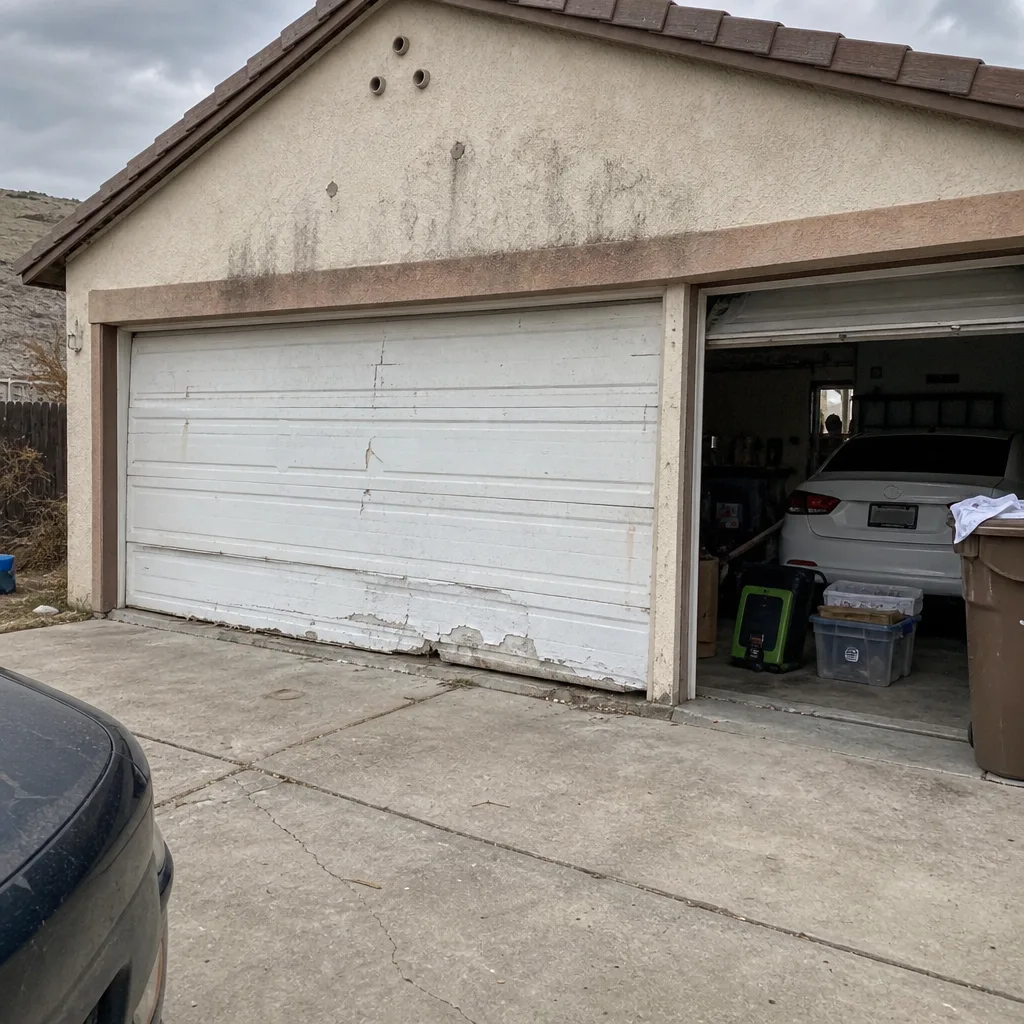 Before
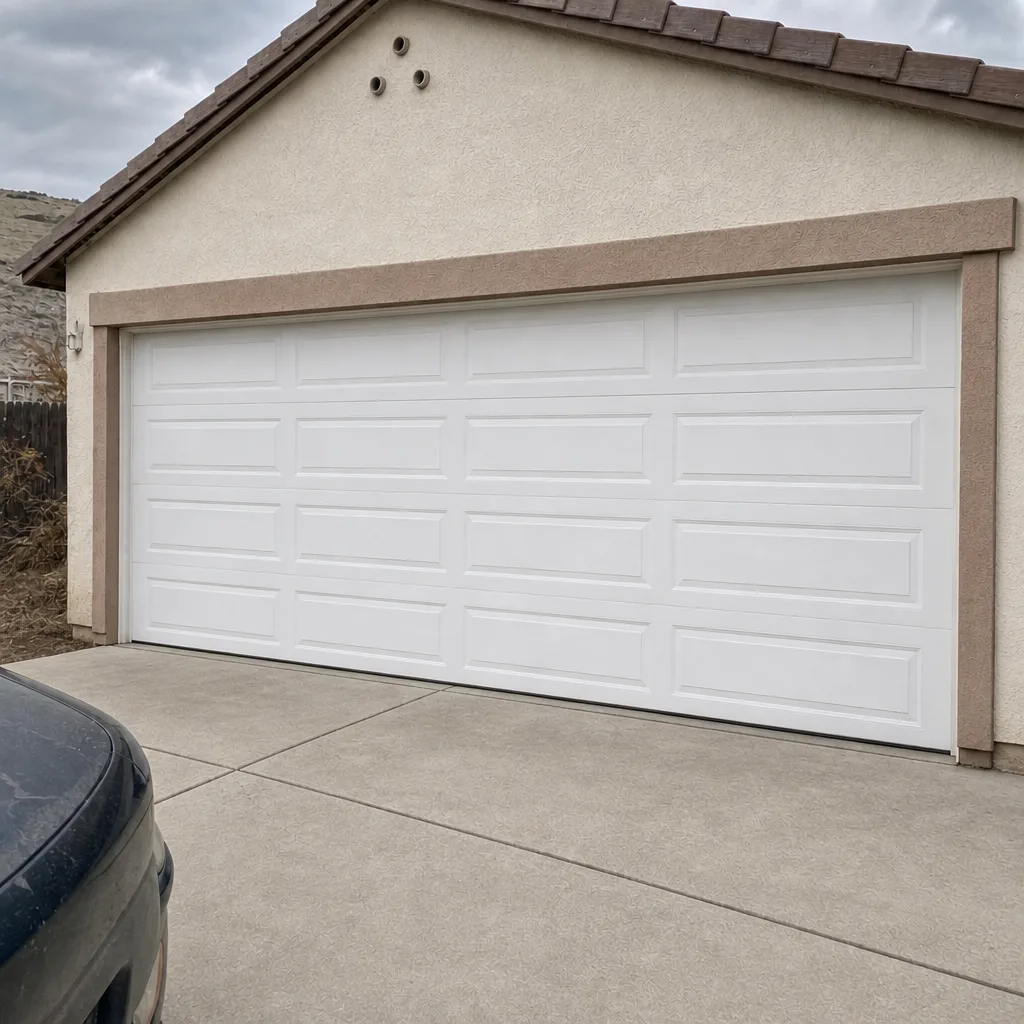 After
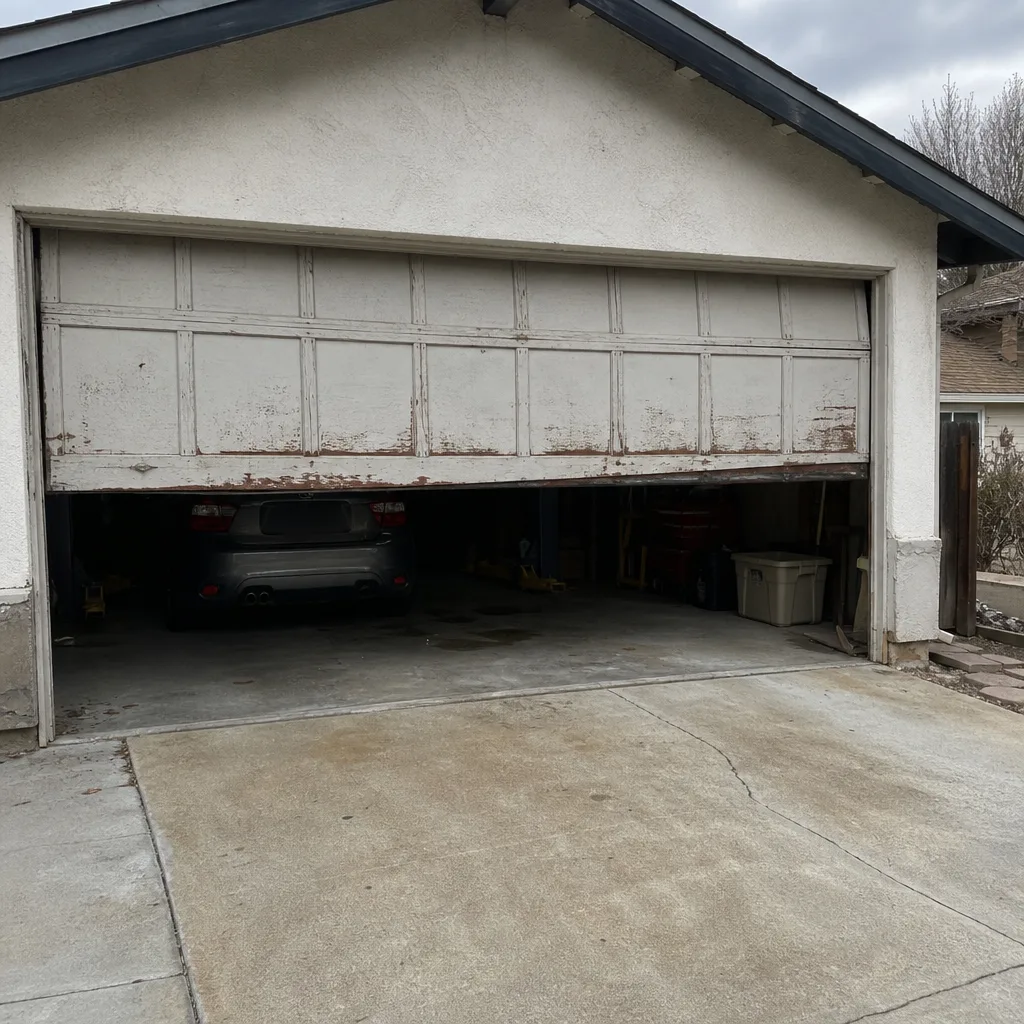 Before
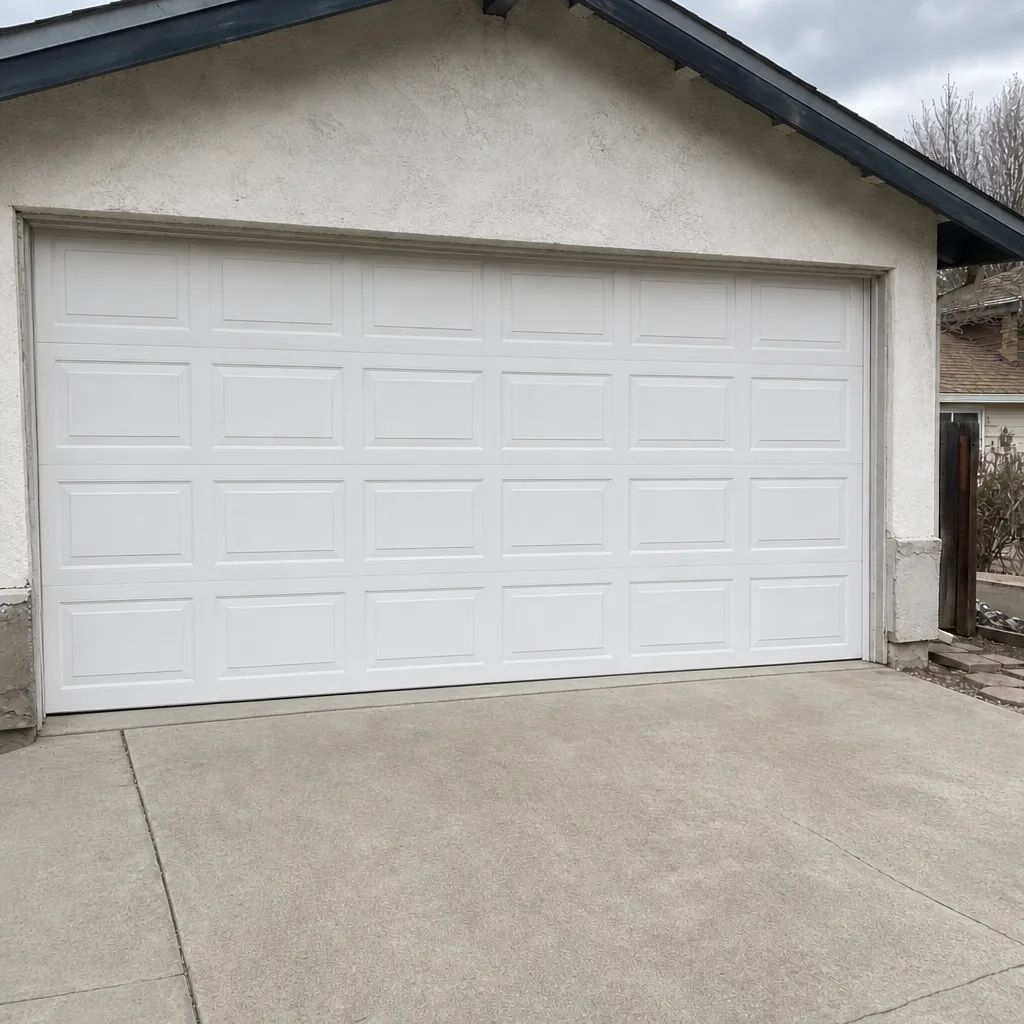 After
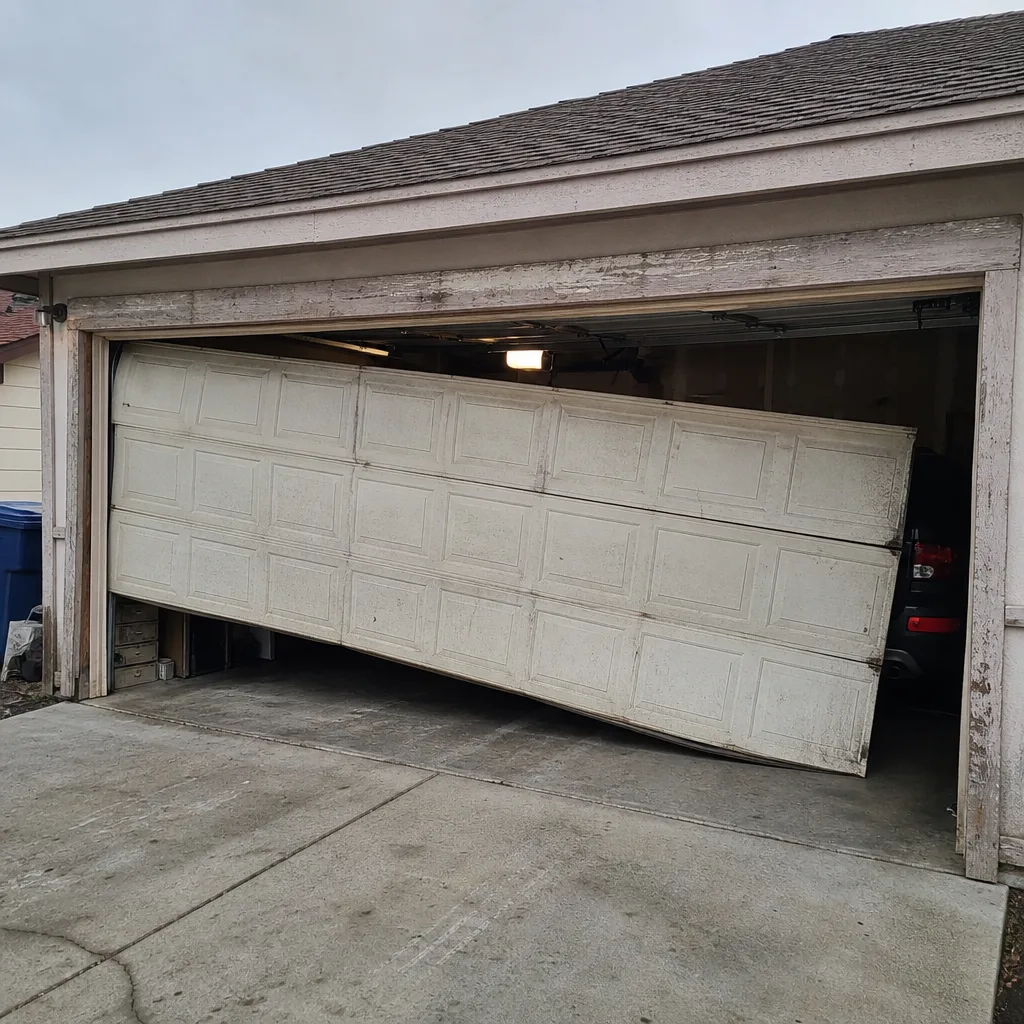 Before
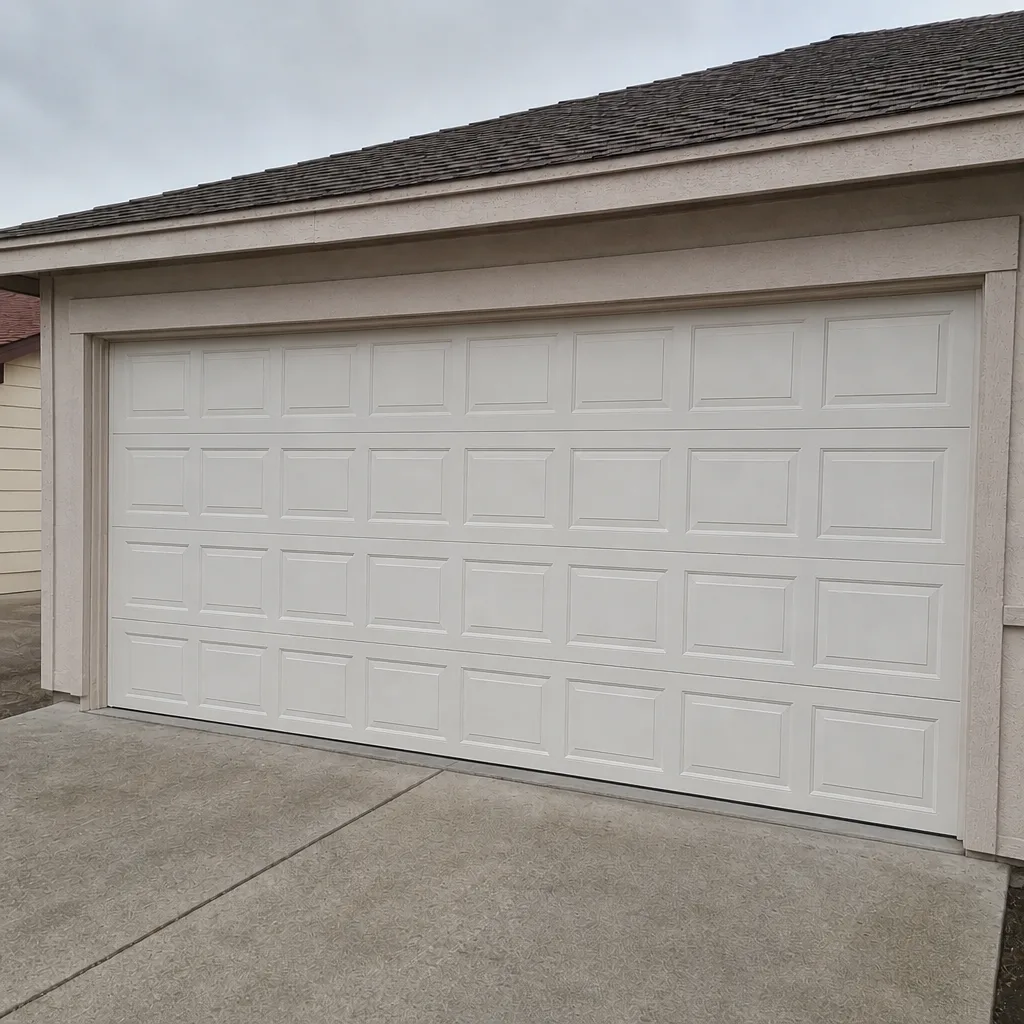 After
When to Call a Professional
Some jobs are maintenance. Some are calls to a professional. Here’s the line. If you see a visible gap in a torsion spring, if the balance test shows the door slamming down or shooting up on its own, if the auto-reverse fails the 2×4 test, if the door has come off one of its tracks, or if you’ve been running the same springs for more than eight years without knowing the cycle count – that’s when we come out. Same goes for anything that involves you getting on a ladder near the springs, or reaching up to the opener housing with a tool. We’d rather you call before than after.
Otto’s Garage Door Mesquite offers free estimates in Mesquite and the surrounding county – call (844) 320-6569. We’ll give you a straight read on your door, quote on the phone, and the number doesn’t change when we get there. That’s the promise on every visit, in writing, with a 90-day Done Right guarantee backing it up. Start at our Otto’s Garage Door Mesquite home page if you want to see how the whole thing works before you call.
Frequently Asked Questions
Twice a year – once in late spring before the sustained 100°F stretch begins, and once in fall when overnight lows drop under 60°F. Use a PTFE or silicone dry lubricant, not WD-40 or grease. Springs are the single most heat-stressed part on your door, and skipping lubrication is the fastest way to burn through them. Call (844) 320-6569 for a free inspection if you’re not sure of the last service date.
PTFE (Teflon) dry spray is the best choice because it holds up through 110°F heat without melting or running. Silicone dry spray is a close second. Avoid WD-40 (it’s a solvent, not a lubricant), petroleum grease (melts in summer), and any product that leaves a sticky film – in Mesquite, sticky film catches every grain of dust and turns into grinding paste.
Heat expands the metal, thickens whatever lubricant was applied, and dries out rubber seals. The loudest season for garage doors in Mesquite is reliably July and August. A proper spring-and-hinge lubrication in late spring usually quiets it. If the noise is grinding rather than squealing, stop running the door and call us for a look. Free estimates – (844) 320-6569.
No. Torsion springs are under extreme tension, and adjusting or replacing them without training and the right tools can cause serious injury. This is the one part of garage door maintenance we tell every homeowner to leave alone. Lubricating them is fine. Touching the tension is not.
Run the 10-second balance test every three months – disconnect the opener, lift the door to waist height, and let go. If it won’t hold, the springs are out of balance. You can typically get six to twelve months of warning this way before an actual failure. A visible gap in a spring, or a loud bang at an odd hour, means the spring has already let go.
Yes, especially here. The desert climate wears doors faster than a mild climate does, and the two service visits per year cost far less than a single emergency spring replacement or, worse, a door that comes off its tracks when your vehicle is inside. The math works out. Call (844) 320-6569 and we’ll quote you a maintenance plan on the phone.
The Bottom Line
Your garage door doesn’t care what month it is. It cares how hot it is, how many times you cycle it, and whether anyone has bothered to lubricate the springs since install. Build your schedule around those facts – two full service sessions timed to the warm-up and cool-down, a three-minute monthly walk-around, a ten-second balance test every quarter – and you’ll get years more out of the springs and rollers than the national checklist would give you. Skip them, and you’ll be calling us in August. We’d rather talk to you in April.
Written by the team at Otto’s Garage Door Mesquite. Call (844) 320-6569 for a free estimate on any garage door repair, opener, or maintenance work in Mesquite.