
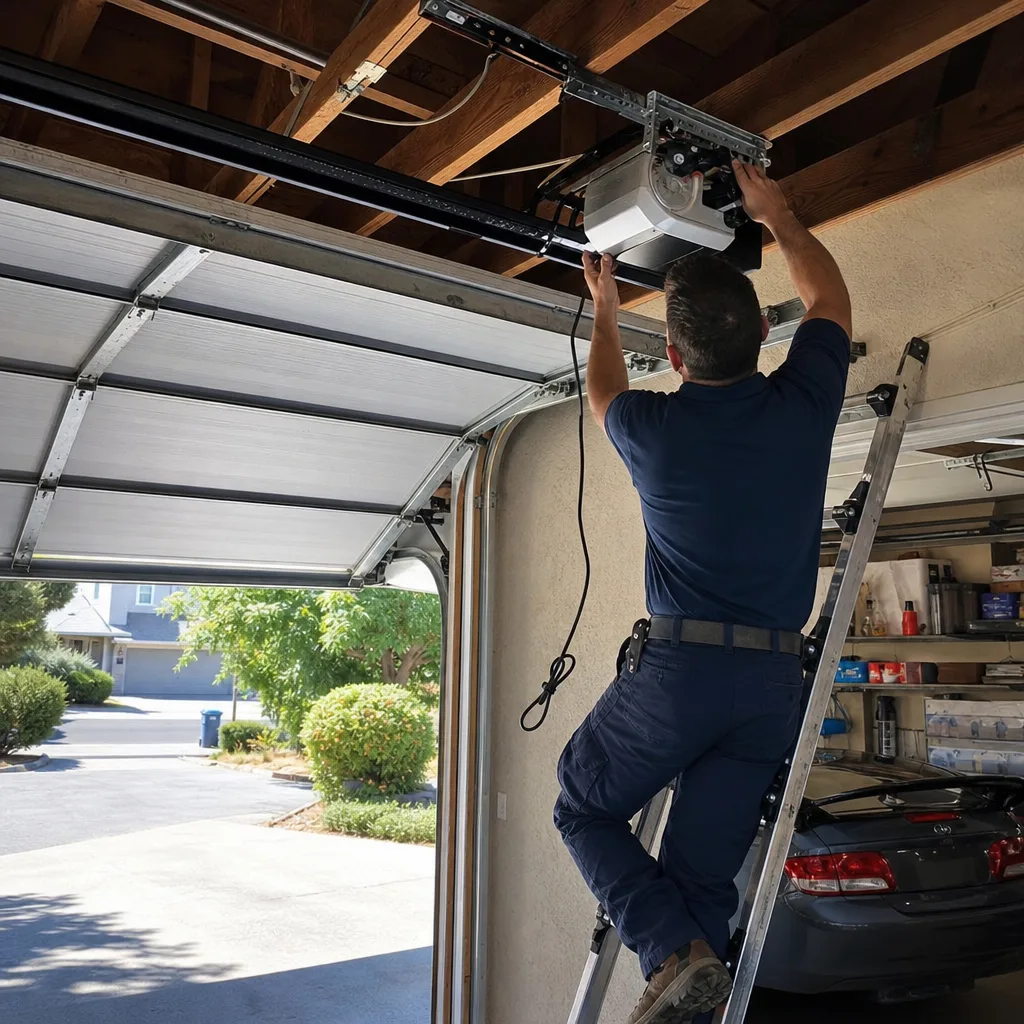
Last updated November 17, 2026
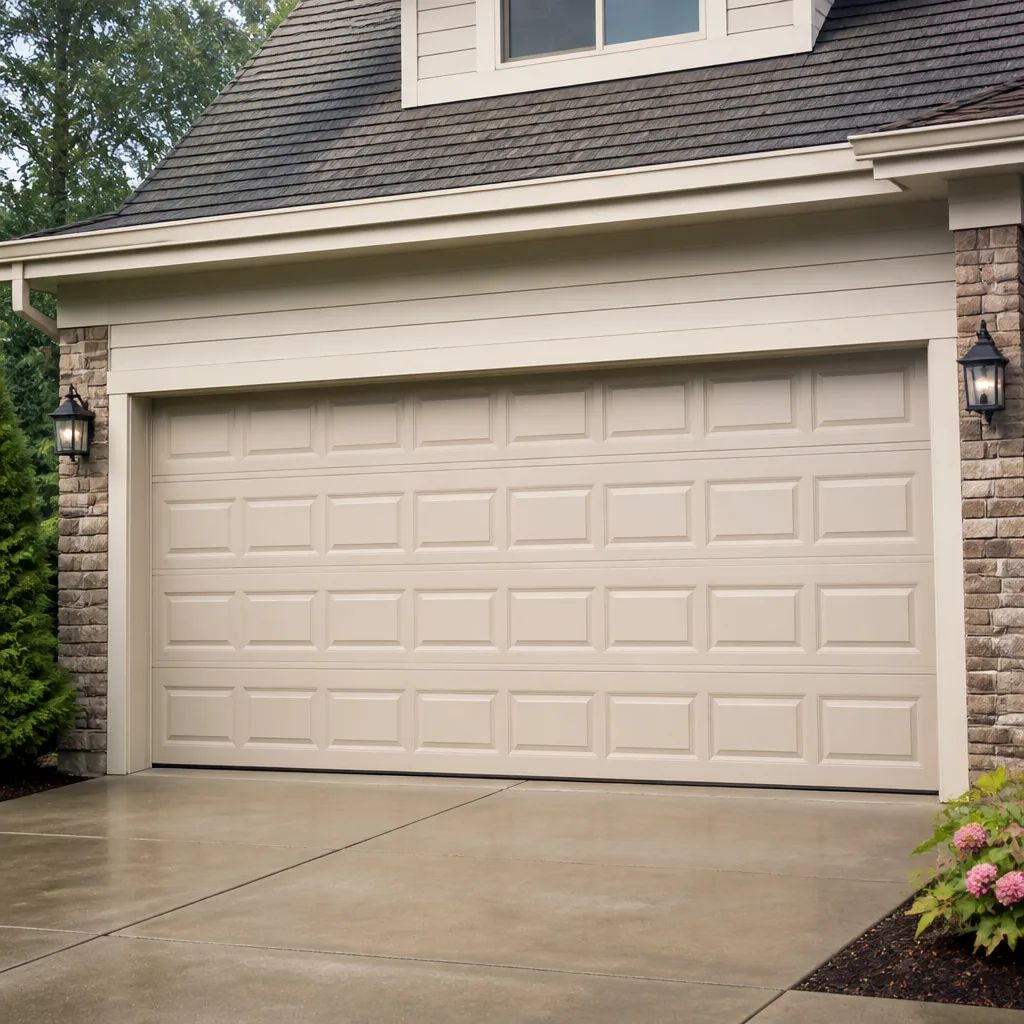 Raised-panel steel
 Carriage house
 Modern flush
 Full-view glass
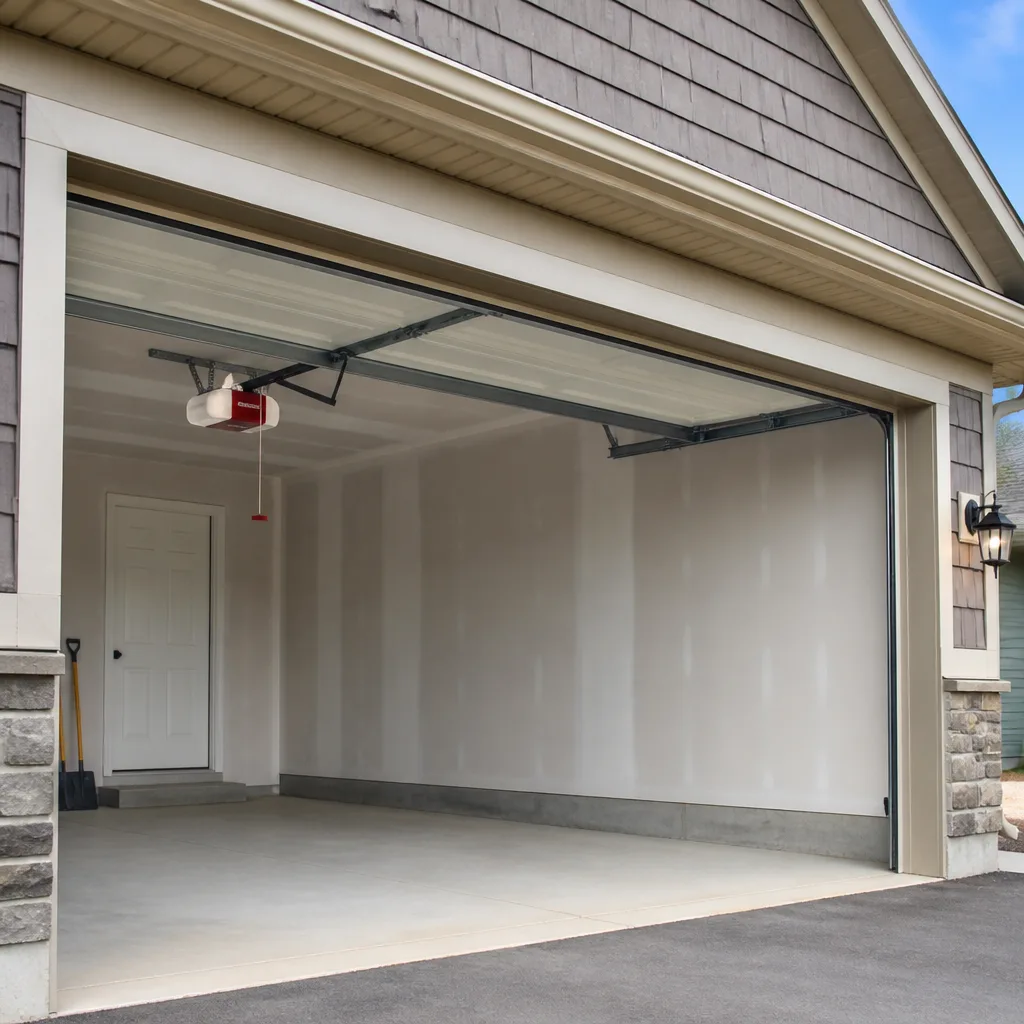 LiftMaster openers
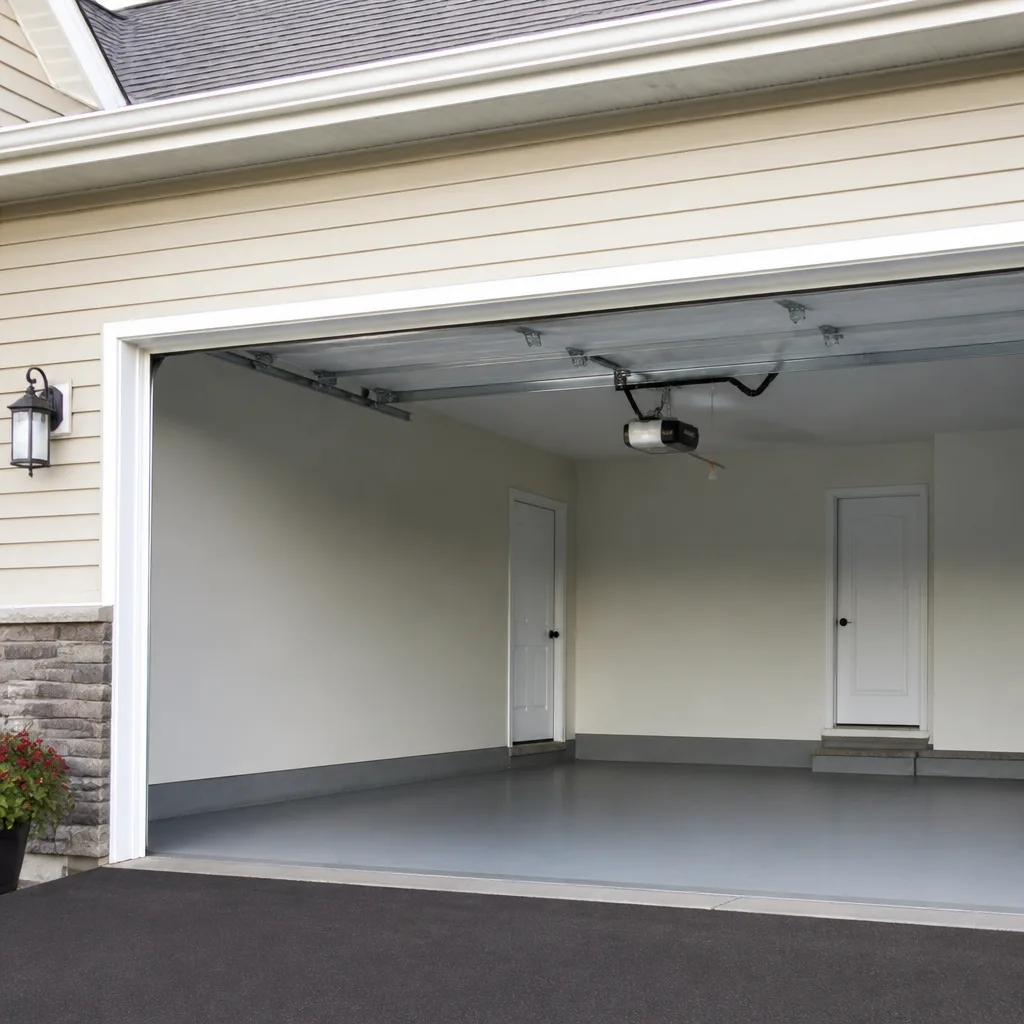 Chamberlain openers
Full 25-point door and opener safety check with every visit - springs, cables, rollers, tracks, and your LiftMaster or Chamberlain opener included
You get a price before we start. It does not change when the pro arrives.
Get your free estimateEmergency Garage Door Warning Signs Every Homeowner Should Know
The cable that snaps without warning actually snapped with warning. It was fraying for two months on the drum, but a fraying cable looks like a texture, not a problem, until you know what you’re looking for. That’s the whole game with garage doors. Almost nothing fails out of nowhere. There’s a stretch – usually two to eight weeks – where the door is telling you something is wrong and the fix is still cheap. Miss it, and the same problem turns into a snapped cable, a bent track, or a burned-out opener, and now you’re calling somebody at nine at night with your truck stuck inside. This guide walks you through what to watch for in Mesquite, so emergency becomes scheduled.
Quick Answer
Emergency garage door warning signs show up two to eight weeks before a failure: fraying cables on the drum, separated or rusted spring coils, stress cracks at the bottom bracket, and rollers wearing grooves into your track. Add the behavioral signs – a door that reverses on its own, opens crooked, or makes the opener strain on cold mornings – and you have a clear pre-emergency window. Catch any one of these and a repair stays a scheduled, affordable job instead of a weekend emergency.
Styles & brands we work with
- Raised-panel steel
- Carriage house
- Modern flush
- Full-view glass
- LiftMaster openers
- Chamberlain openers
Table of Contents
- What Is the Pre-Emergency Window?
- The Visual Tells: What to Look For
- Behavioral Warning Signs
- The Sounds That Mean “Schedule This Week”
- Springs and Cables: Why You Don’t Touch These Yourself
- The One-Page Warning Sign Reference Card
- Mesquite-Specific Factors That Speed Up Wear
- Common Mistakes to Avoid
What Is the Pre-Emergency Window?
The pre-emergency window is the stretch where a failing part is still repairable on your schedule. It’s how we think about every door we look at here in Mesquite: is this a fix-it-this-week problem or a fix-it-tonight problem? The difference in cost, hassle, and collateral damage is bigger than most homeowners realize.
Here’s the tradeoff in plain terms. During the window, a frayed cable gets replaced for the price of a cable. After the window, that same cable snaps, the door drops crooked, and it can twist a track, burn out the opener motor fighting the imbalance, or crack a panel. Now you’re paying for the cable plus the track plus maybe the opener, and you’re doing it at night with your wife’s car sealed inside.
What closes the window? Time and cycles. A door that runs four times a day racks up cycles slowly. A door with a house full of kids, a work truck coming and going, and a dog that needs out every two hours wears parts faster. In our experience across Mesquite, doors on the older streets near the Virgin River corridor tend to run more cycles than folks expect because the garages double as workshops and storage.
The point of this whole guide is to move the diagnosis earlier. When you know what fraying looks like, or what a straining opener sounds like, you call while it’s still a $200 repair instead of a $900 recovery.
The Visual Tells: What to Look For
You don’t need tools to catch most of these. A flashlight and five minutes at the door will do. Here are the four visual signs that matter most, in order of how often we see them turn into emergencies.
Cable fraying on the drum
Look at where the cable winds around the drum at the top corners of the door. A healthy cable is a smooth, tight coil of wire. A failing one shows broken strands sticking out like a frayed rope end, or a fuzzy texture along the length. That fuzz is the warning. Cables on most doors here run alongside Amarr and Wayne Dalton hardware, and the drums collect grit from our desert dust, which speeds up the wear. If you see fraying, that cable is on borrowed time.
Spring coil separation or rust
Torsion springs (the horizontal ones above the door) should have tight, even coils with a light oil sheen. When you see a visible gap between coils, or orange rust blooming along the wire, the spring is losing tension and heading toward a break. A gap means the spring has already stretched past spec.
Bottom bracket stress cracks
The bottom bracket is the metal plate at the lower corner where the cable attaches. Look for hairline cracks radiating from the bolt holes. This part carries the full tension of the cable, and a cracked bracket is a serious failure waiting to happen. If you see cracks, stop using the door and get it looked at.
Rollers wearing grooves into the track
Rollers should roll smooth and quiet in the track. When a roller’s bearing seizes, the roller stops rolling and starts dragging, and dragging cuts a scoring line into the steel track. Run your finger along the inside of the track (door down, opener off). If you feel ridges or gouges, the rollers are shot and the track is next.
Behavioral Warning Signs
Some of the loudest warnings aren’t visual at all. The door behaves differently, and most homeowners write it off as a quirk. These three behaviors should get your attention:
The door reverses without touching an obstruction
If your door goes down, hits nothing, and pops back up, that’s either a misaligned safety sensor or a spring tension problem. Sensors near the floor get knocked out of alignment by a broom, a recycling bin, or the dog. That’s usually a quick fix. But if the sensors are clean and aligned and the door still reverses, the springs are out of balance and the opener is reading the resistance as an obstruction. On a LiftMaster or Chamberlain opener, the force settings may be masking a real mechanical problem.
The door opens unevenly
Stand back and watch the door travel. If one side rises faster than the other, or the door racks slightly to one corner, you have a cable or spring balance issue. This one is dangerous to ignore because an unbalanced door puts uneven load on the tracks and the opener, and it’s the most common precursor to a snapped cable.
The opener strains on cold mornings
Desert nights get cold enough that a stiff, dry door is harder to move, and if your opener groans or hesitates on those mornings, it’s telling you the door needs lubrication or the springs are losing tension. If the opener is straining, the problem is almost never the opener. The motor is the messenger, not the culprit.
If any of these show up, that’s your cue to book an opener repair and installation visit in Mesquite or a balance check before the behavior turns into a break.
The Sounds That Mean “Schedule This Week”
Garage doors make noise, and most of it is normal. The trick is telling the difference between a one-time pop and a repeating grind. That distinction drives urgency more than anything else on this list.
One-time pop
A single sharp pop when the door starts moving, then nothing after, usually means a cable has slipped in the drum or a spring coil has shifted. It’s not an emergency yet, but it’s a warning. Get it looked at within a week or two. A slipped cable left alone tends to fray and then snap.
Periodic grinding
A grinding that repeats every time the door moves, especially near one corner, almost always means a roller bearing is disintegrating. Those metal shavings are scoring the track. This is a schedule-this-week sound, because a seized roller becomes a snapped cable or a bent track fast. Raynor and Craftsman door hardware is especially prone to this when rollers go dry.
Rattling or banging
Loose hinges and bolts rattle on every cycle. Usually a tightening-and-lubrication job, not an emergency, but worth a look because vibration loosens more over time.
A bang followed by silence
If you hear a loud bang and then the door won’t move at all, a spring has broken. That’s the emergency. Stop using the door and call. Don’t try to force it, because a door with a broken spring can drop.
The rule of thumb: one-time noises get checked soon, repeating noises get checked this week, and a bang-with-silence gets a call today.
Springs and Cables: Why You Don’t Touch These Yourself
A door is 200 pounds riding on two springs. Respect it. Torsion springs and the cables on the drum are under heavy tension, and releasing that tension wrong can cause serious injury. This is the part of the guide where we slow down, because a DIY mistake here isn’t a wasted afternoon – it’s a trip to the ER.
What we want you to do is inspect, not repair. Watching for fraying, gap, and rust is safe. Adjusting track, replacing rollers, and lubricating springs and hinges are the kind of maintenance many homeowners handle. But spring replacement, cable replacement, and bottom-bracket work belong to a trained professional with the right winding bars and the knowledge of how those springs store energy. A cable that’s under load doesn’t give you a second chance.
This is also why so many “emergency” calls start with a homeowner who tried to fix it. In our experience, a good share of the emergencies we get in Mesquite trace back to somebody who watched a video and decided the spring swap looked easy. It isn’t. Springs are rated by cycle life and wire gauge, and the wrong spring on the wrong door is dangerous even if it fits. Stick to inspection and simple lubrication, and call when tension or cables are involved.
If you’re not sure whether what you’re looking at is safe, a garage door repair visit in Mesquite settles it in minutes.
The One-Page Warning Sign Reference Card
Print this, tape it inside the garage door jamb, and use it to make a calm, informed call instead of guessing. Here’s the format: sign, what it means, how urgent it is, and what happens if you ignore it.
| Warning Sign | What It Means | Urgency | If Ignored |
|---|---|---|---|
| Frayed cable on drum | Cable strands breaking | Schedule within 1-2 weeks | Cable snaps, door drops, track damage |
| Gap or rust in spring coils | Spring losing tension | Schedule within 1-2 weeks | Spring breaks, door unusable |
| Cracks at bottom bracket | Bracket failing under load | Stop using, call now | Bracket fails, cable releases, injury risk |
| Grooved or scored track | Seized roller dragging | Schedule this week | Roller seizes fully, track bends, opener strains |
| Door reverses on its own | Sensor misalignment or spring imbalance | Check sensors today; call if clean | Opener forces mask a mechanical problem |
| Uneven travel | Cable or spring imbalance | Schedule within a week | Snapped cable, bent track, opener burnout |
| Opener strains cold mornings | Dry door or weak springs | Lubricate, then call if it persists | Opener motor burns out |
| Repeating grinding | Roller bearing disintegrating | Schedule this week | Track scoring, then a snapped cable |
| Single pop then normal | Cable slipped in drum | Check within 1-2 weeks | Slip becomes fray, fray becomes snap |
| Bang then silence | Spring broken | Emergency – call today | Door won’t open; don’t force it |
Work top to bottom when you inspect. Anything in the first two columns lands you in the pre-emergency window, where the repair is easy and the price is small. Anything that says “call today” is already an emergency. One page of paper is the difference between a $200 fix and a $900 recovery – and Otto’s Garage Door answers the phone around the clock if you land in the bottom rows.
Mesquite-Specific Factors That Speed Up Wear
Garage doors wear differently here than they do in wetter, cooler parts of the country. That’s not a sales line – it changes what to look for and how often. Three factors matter most in Mesquite.
Desert dust and grit
Our wind brings fine dust that works its way into rollers, hinges, and cable drums. That grit acts like sandpaper over thousands of cycles, which is why we see rollers and cables wear faster on doors that never get cleaned. A wipe-down of the track and a light oil on hinges and rollers a couple of times a year pays for itself.
Temperature swings
Summer afternoons push past 110°F and winter nights near the Virgin River valley drop into the 30s. That swing expands and contracts every metal part on the door. Springs and cables take the brunt, which is why cold-morning opener strain is a common early warning in Mesquite. It’s the door telling you the springs are tired, not that the opener is broken.
Sun exposure and seal cracking
South-facing doors in Mesquite bake all day. The bottom weather seal and any rubber components dry out and crack, letting dust and critters in. A cracked seal is cheap to replace and keeps grit out of the tracks, which slows the whole wear cycle. It’s the least glamorous sign on this list and one of the most worth fixing early.
When doors wear on this schedule, a fresh garage door installation in Mesquite with a modern, dust-tolerant seal often makes more sense than patching a 25-year-old door. That’s a call we’re happy to walk through with you.
Common Mistakes to Avoid
- Wait for the actual failure. Most homeowners call only after the door stops working. The whole point of this guide is that the failure was visible weeks earlier. Inspect monthly and call during the window.
- Treat a one-time pop as nothing. A pop means a cable slipped or a spring shifted. Ignored, a slip turns into a fray and a fray turns into a snap. Get it checked within a week or two.
- Keep forcing a reversing door. A door that reverses on its own is trying to tell you something. If the sensors are clean and it still reverses, the springs are out of balance and forcing it damages the opener.
- Ignore a grinding roller because “it still works.” That grind is metal eating your track. A roller swap is cheap; a track and cable job is not.
- DIY a spring or cable because a video made it look easy. A 200-pound door riding on springs under tension is not a beginner job. Springs and cables belong to a trained professional.
- Skip lubricating because the desert is dry. Dry doesn’t mean maintenance-free. Dust and grit actually make lubrication more important in Mesquite, not less.
- Assume a national outfit’s phone quote is the final price. Ask for a written estimate and a guarantee before the truck arrives. We quote on the call and hold the number at the door, backed by the 90-Day Done Right Promise in writing on every job.
See the difference
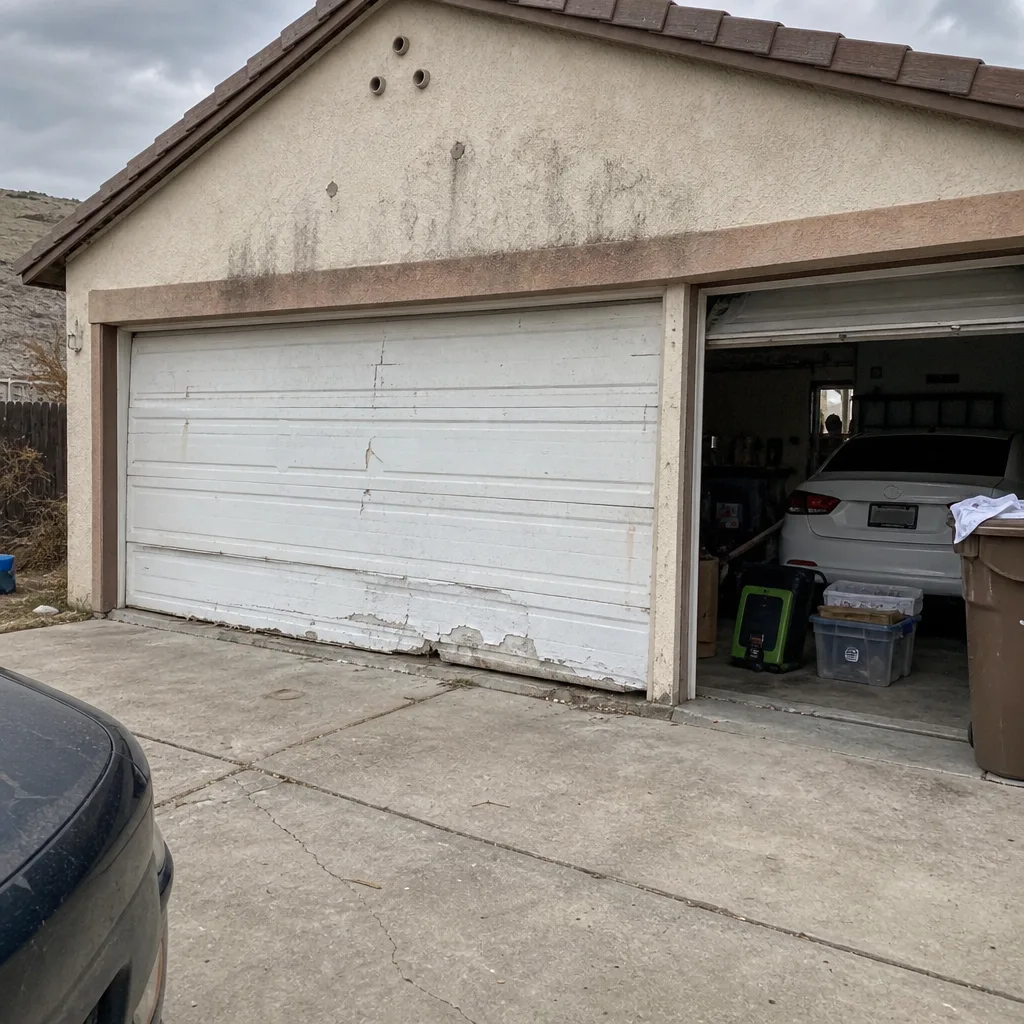 Before
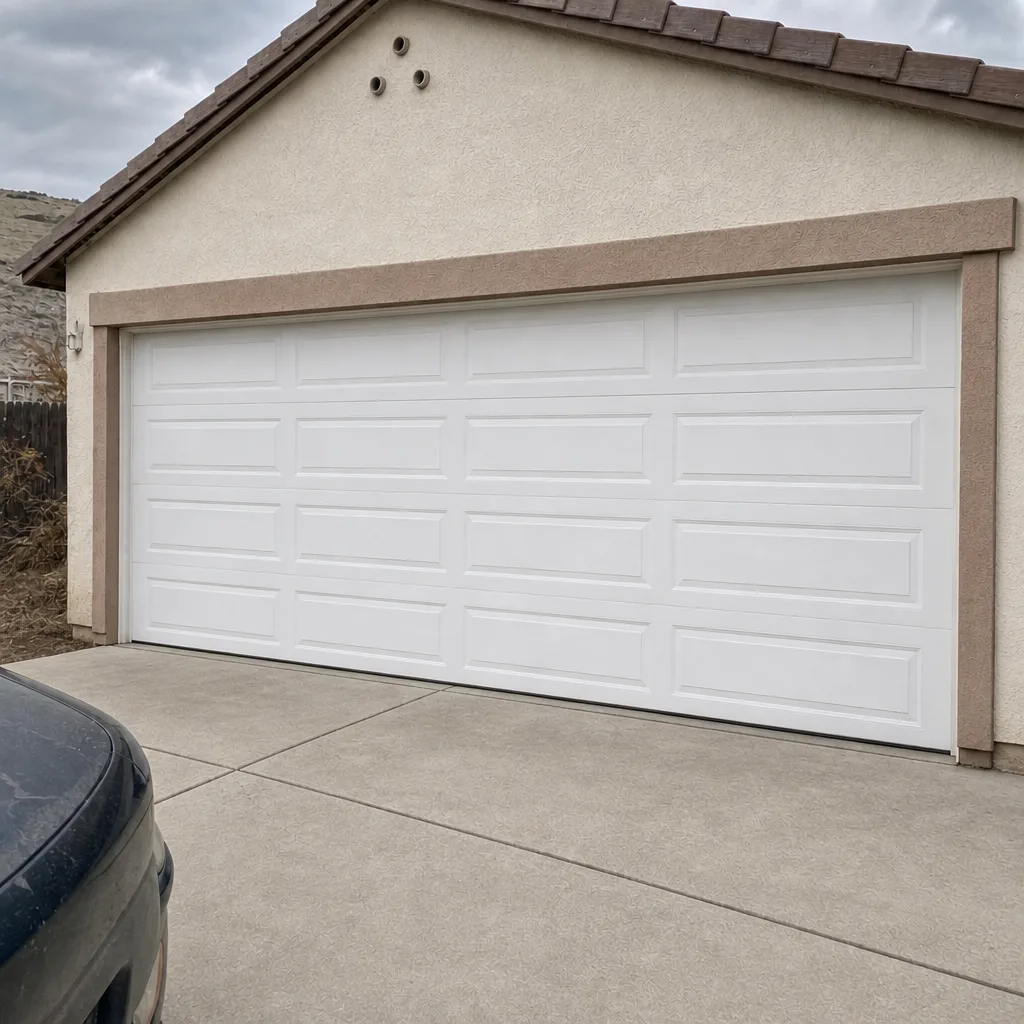 After
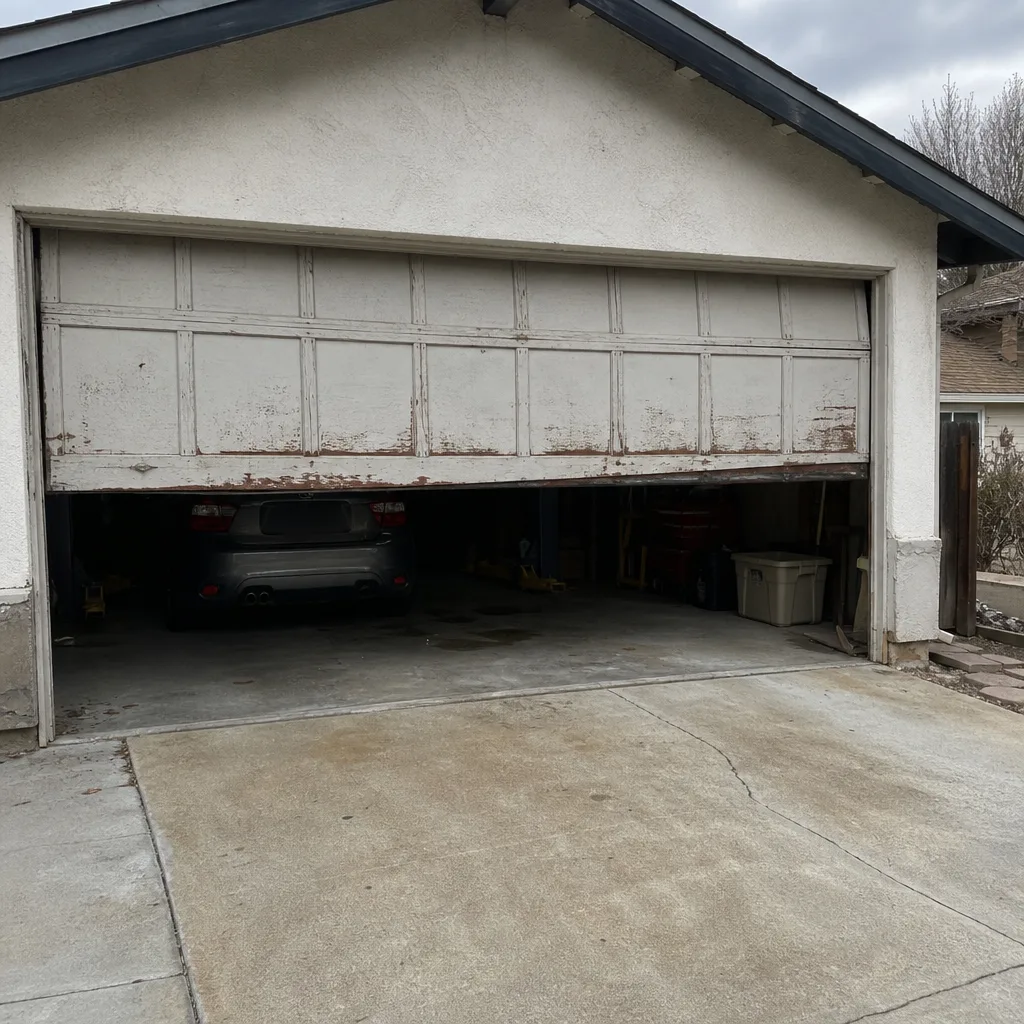 Before
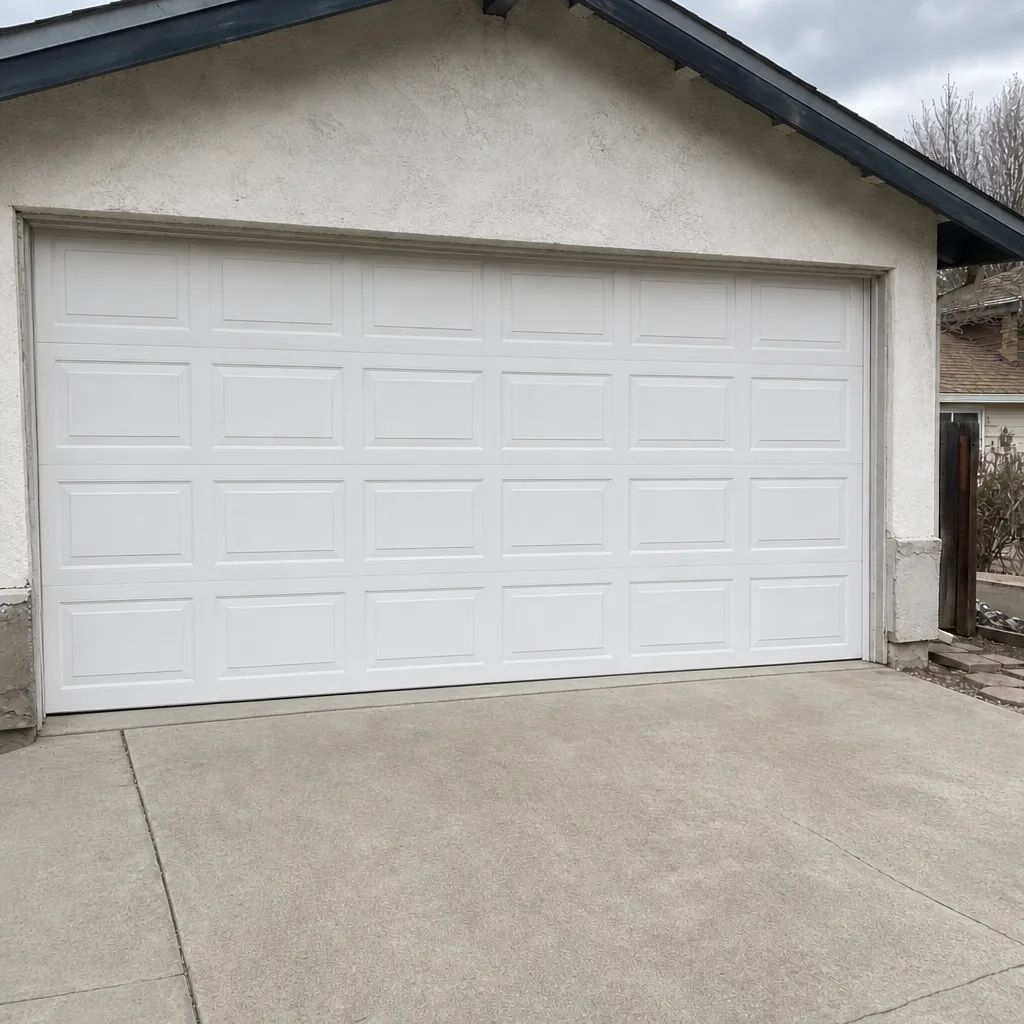 After
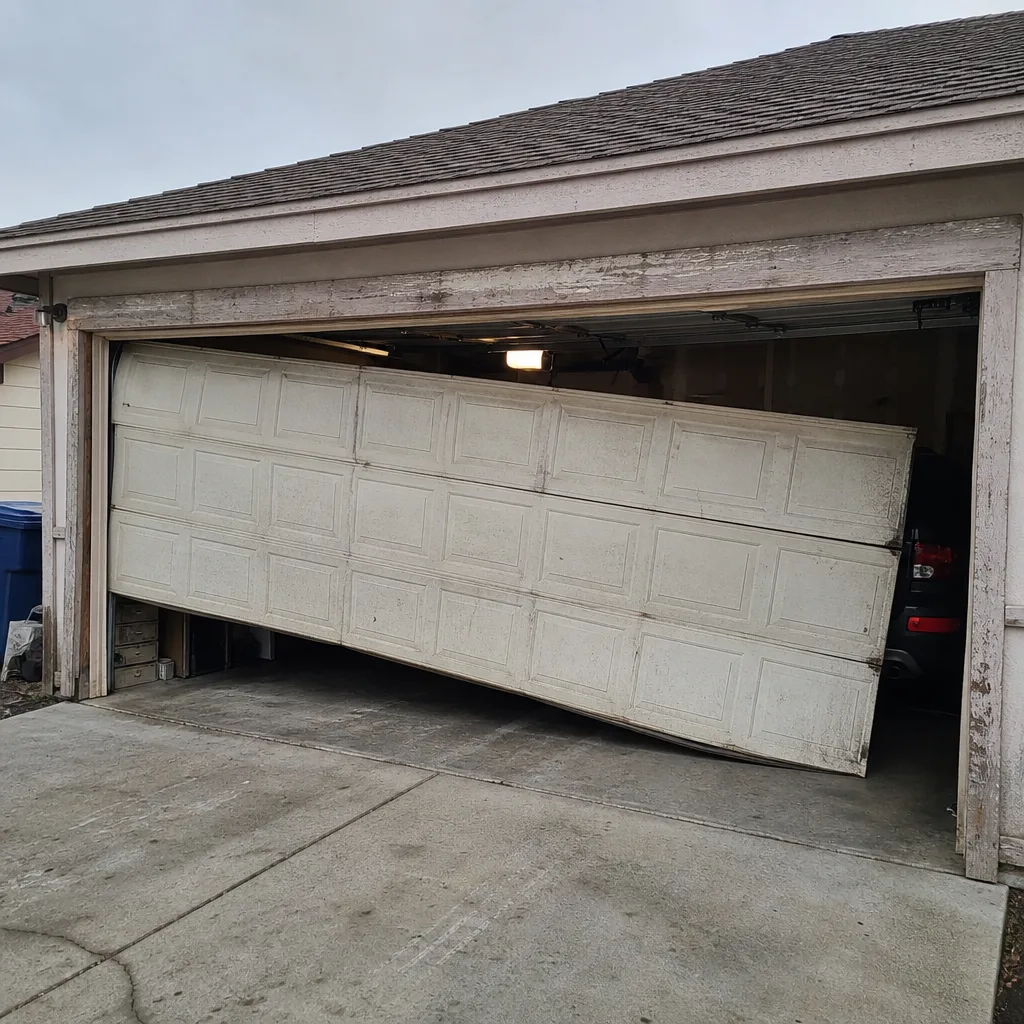 Before
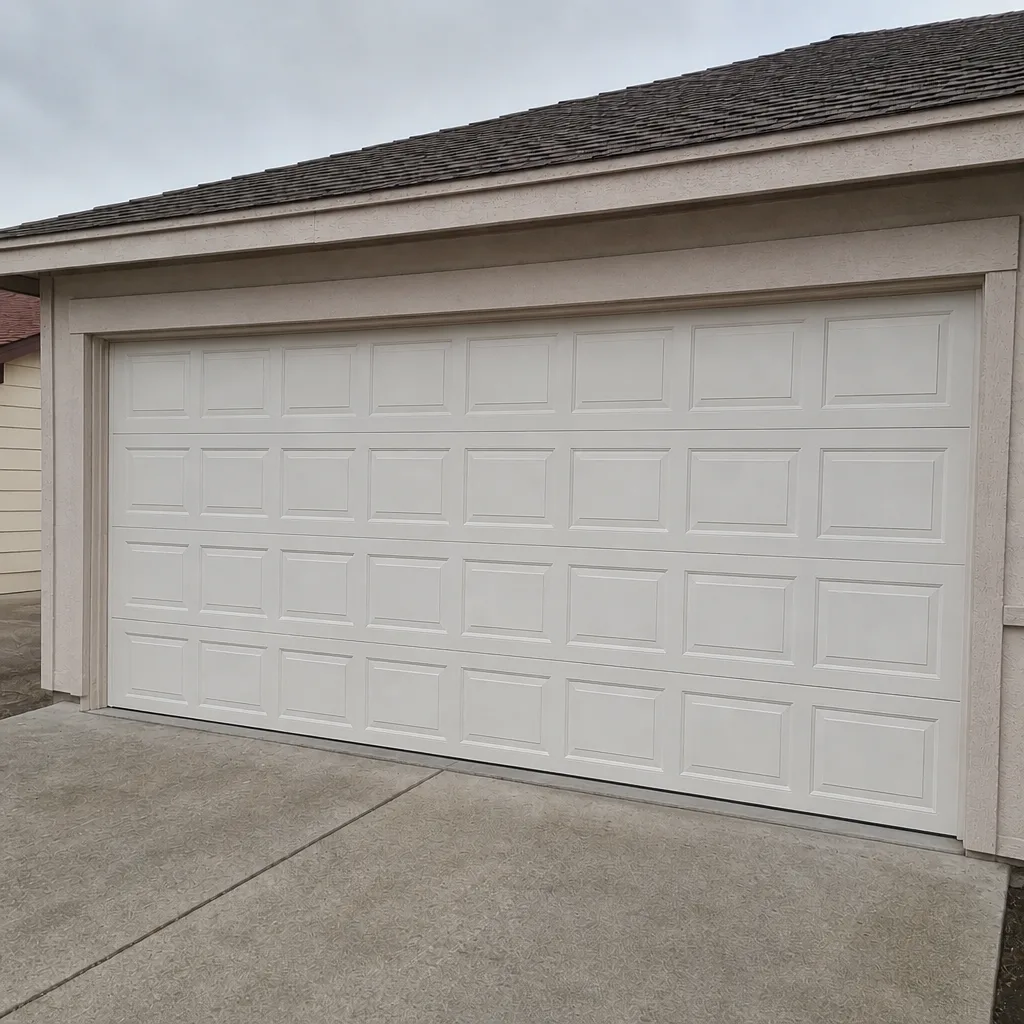 After
When to Call a Professional
Call today if the door won’t open, if you hear a bang followed by silence, if you see cracks at the bottom bracket, or if you’re not sure whether a spring or cable is safe. Call this week if you see fraying on the drum, a gap in the spring coils, a repeating grind, or uneven travel. Call within a couple of weeks for a one-time pop, a cold-morning strain, or a door that reverses when the sensors are clean.
If you’re in Mesquite, you can skip the guesswork. We’ll look at the door, tell you exactly what’s wrong, and give you a written price before any work starts. The quote you get on the phone is the quote at the driveway. No trip charge inside our county, and a Free Second Opinion on any written estimate you already have. Otto’s Garage Door Mesquite offers free estimates in Mesquite – call (844) 320-6569. Our technicians have up to 22 years of experience, and the 90-Day Done Right Promise rides on every job in writing.
Frequently Asked Questions
Frayed cable strands on the drum are the most common early warning we see in Mesquite. Cables fray for weeks before they snap, and the fuzzy texture along the wire is the giveaway. If you catch it, a cable replacement is a quick scheduled repair. If you miss it, the snap takes the track and opener with it. Call (844) 320-6569 for a look before it lets go.
Almost never. What looks like a sudden failure is usually a warning that went unrecognized – fraying that read as texture, a gap in the spring coils, a grind written off as normal noise. Every emergency we see in Mesquite was preceded by a sign. The goal is to recognize the sign during the pre-emergency window, usually two to eight weeks before the break. Call us and we’ll inspect the whole door, not just the obvious part.
Not always. If the safety sensors near the floor are dirty or knocked out of alignment, that’s a quick fix, not an emergency. But if the sensors are clean and aligned and the door still reverses, the springs are out of balance and the opener is reading resistance as an obstruction. That one gets checked soon, because continuing to force it burns out the motor. Call (844) 320-6569 for a balance check.
Cold mornings stiffen the door and the moving parts, so the opener works harder to lift. That strain usually means the door needs lubrication or the springs are losing tension. If the opener is straining, the problem is almost never the opener; it’s the door. We carry lubrication and spring work for LiftMaster, Genie, Amarr, and Wayne Dalton systems. Call for a free estimate.
It depends on cycles, not calendar time. A door that runs a few times a day lasts years; a door running a dozen times a day wears out its springs much faster. We can’t print an exact number without looking at your door, but we can tell you how much life is left when we see it. If you’re seeing gaps or rust, don’t wait. Call (844) 320-6569.
No. Springs and cables are under heavy tension, and a 200-pound door riding on two springs is not a beginner repair. Releasing that tension wrong can cause serious injury. Do the inspection and the lubrication yourself; leave the spring and cable work to a trained professional. If a spring has already broken, stop using the door and call (844) 320-6569.
The Bottom Line
Your door almost always tells you before it fails. Fraying cables, separated or rusted springs, cracked brackets, grooved tracks, a door that reverses or travels crooked, an opener that strains on cold mornings – each of these opens a two-to-eight-week window where the fix is a scheduled repair. Catch the sign, make the call, and the emergency never happens. Miss it, and the same problem takes the track and the opener with it. Everything on the reference card is something you can check with a flashlight and five minutes. That’s the whole guide: recognize the sign, call early, and let a name you can verify do the work.
If you’re in Mesquite and want a second set of eyes on your door before something lets go, call (844) 320-6569 for a free estimate. Upfront pricing, the 90-Day Done Right Promise in writing, and a live person on the line around the clock.
Written by the team at Otto’s Garage Door Mesquite.