
Last updated November 17, 2026
 Raised-panel steel
 Carriage house
 Modern flush
 Full-view glass
 LiftMaster openers
 Chamberlain openers
Full 25-point door and opener safety check with every visit - springs, cables, rollers, tracks, and your LiftMaster or Chamberlain opener included
You get a price before we start. It does not change when the pro arrives.
Get your free estimateEmergency Garage Door Maintenance Schedule: What to Do and When
Last spring we replaced a lift cable on a door with a torsion spring that was maybe three weeks from letting go. The homeowner had no clue. The door went up and down every morning, made no obvious complaint, and gave no warning she recognized as a warning. What she had was a spring with a worn coil and a cable with a stray wire starting to separate, and nobody had ever walked her through what either one looks like before it fails. That is the whole problem with the phrase “emergency garage door maintenance”: there is no maintaining a door in case of emergency. There is only the set of inspections you do now that decide whether the next failure costs you a cable or an entire door system. What follows is the schedule we hand Mesquite homeowners, tied to the specific emergencies each step prevents.
Quick Answer
You can’t prevent every garage door emergency, but you can shorten how often they happen and keep one failed part from taking the whole system down with it. The core schedule is a monthly five-minute look at springs, cables, rollers, and the safety reverse, a seasonal checkpoint tied to Mesquite’s heat and monsoon dust, and one professional inspection a year to measure the things you can’t see from the driveway – spring cycle count, cable wire separation, and motor amp draw. Do these three and most of the emergencies we get called out for at 9 p.m. simply don’t happen.
Styles & brands we work with
- Raised-panel steel
- Carriage house
- Modern flush
- Full-view glass
- LiftMaster openers
- Chamberlain openers
Table of Contents
- Why Prevention Beats “Emergency Maintenance”
- The Cascade Failure: How One Worn Part Takes Down Four
- The Monthly Five-Minute Inspection
- Seasonal Checkpoints for the Mesquite Climate
- The Annual Professional Inspection: What We Catch That You Can’t
- Your Garage Door Inspection Log
- Common Mistakes to Avoid
- When to Call a Professional
Why Prevention Beats “Emergency Maintenance”
A garage door isn’t maintained “in case of emergency” the way a spare tire sits in the trunk. It’s a 200-pound panel riding on two springs under constant tension, running on rollers in a track, pulled by a motor that reads resistance. Every one of those parts wears at a predictable rate, and every one of them fails in a way that leaves a signature beforehand – if you know the signature. The whole point of a schedule is to read the signature before the part quits.
We think about it in cycles, the same way you’d think about tire miles. A standard torsion spring is rated for a set number of open-and-close cycles, and every door in Mesquite is burning through them. A household that runs the door four times a day uses about 1,460 cycles a year. Run it more – a house with two working vehicles, kids coming and going, a delivery driver punching the keypad – and you’re using up that spring faster than you think. When we tell a homeowner “you’ve got maybe a season left on that spring,” we’re not guessing. We’re counting what’s left.
Prevention pays off in a specific, unglamorous way. A spring replaced on schedule is a scheduled repair at a known cost. A spring that snaps on a Sunday night with the truck sealed inside is an emergency call, a possible bent track, and a door that can’t be opened until someone gets there. Same part, different bill. The schedule is the thing that decides which one you get.
If you want the full picture of how we handle a repair once something has already gone, our Garage Door Repair in Mesquite page walks through it. But the goal here is to keep you off that page.
The Cascade Failure: How One Worn Part Takes Down Four
This is the concept most homeowners have never had explained, and it’s the reason a cheap part turns into an expensive week. Garage door systems fail in chains, not in isolation. Here’s how the chain usually runs:
- A worn roller stops turning smoothly and starts dragging in the track. It’s a small part, a few dollars, and it’s easy to miss.
- The dragging roller chews the track. The door starts catching, the track bends slightly out of alignment, and now the door isn’t traveling true.
- The misaligned door pulls the cables off-center. A cable that runs at an angle starts to fray where it wraps the drum.
- The opener burns out trying to push a door that’s fighting itself. The motor strains against the drag, the amp draw climbs, and eventually the opener quits – which is the failure the homeowner actually notices, even though the opener was the last thing to go.
That’s a cascade. A five-dollar roller became a track repair, a cable replacement, and a new opener. And here’s the part that matters: almost every cascade has a single cheap inspection point that breaks the cycle. Catch the roller in step one and none of the rest happens. Catch the frayed cable in step three and you save the opener. The inspection schedule is really a list of where in the chain you’re checking.
We see this constantly with openers in particular. If the opener is straining, the problem is almost never the opener. It’s the door it’s trying to move. Replacing a burned-out Chamberlain or Genie without fixing the drag that killed it just sets up the next failure. Our Garage Door Opener Repair & Installation in Mesquite page covers that side of things; the maintenance schedule is how you avoid needing it.
The Monthly Five-Minute Inspection
This is the part you do yourself, and it takes about five minutes once a month. You’re not fixing anything here. You’re looking and listening for change. Do it with the door closed, then again while it runs.
- Look at the springs. With the door closed, check the torsion spring above the door (or the extension springs alongside the track on older doors). You’re looking for a visible gap in the coil, rust, or a spring that looks stretched compared to how it used to sit. A gap means the spring has already broken.
- Look at the cables. The cables run from the bottom corners up to the drums. Run your eyes along each one. You’re looking for fraying, a stray wire poking out, or a cable that’s jumped its drum. A frayed cable is a cable that’s about to fail.
- Check the rollers. The little wheels in the track should turn freely by hand. A roller that’s flat-spotted, cracked, or won’t spin is dragging.
- Listen to the door run. Open and close it. It should sound steady. Rattles, grinding, or a door that shudders mean something’s out of line.
- Test the safety reverse. Put a roll of paper towels or a 2×4 in the door’s path and close it. The door should reverse on contact. If it doesn’t, stop using it and call us – that’s a safety failure, not a nuisance.
Write down anything that’s changed since last month. That’s the whole job. A safety note before we go further: never put your hands near the springs, cables, or drums while the door is under tension, and never try to adjust or loosen a torsion spring yourself. Respect the springs – they’ll hurt you. This inspection is eyes and ears only.
Seasonal Checkpoints for the Mesquite Climate
Mesquite is hard on garage doors in a specific way. The summer heat bakes lubricant off metal and cooks weatherseal until it cracks. The monsoon season blows fine desert dust into every track and sensor gap. Cold winter mornings change how cables and springs behave as the metal contracts. Your seasonal checkpoints should match that, not a generic spring-and-fall calendar written for Ohio.
Pre-summer (May): Lubricate the rollers, hinges, and the spring before the heat arrives, while the lube will still sit on the metal instead of flashing off. Check the bottom weatherseal now, before cooling bills spike – a cracked seal lets hot air pour into the garage and through the wall it shares with the house. We recommend this in April or early May, before it’s consistently triple digits.
Post-monsoon (September): This is the dust checkpoint. Clean the tracks with a dry cloth – not a greasy lubricant, which just collects grit – and wipe down the safety sensors at the bottom of each track. Dust on the sensor lens is one of the most common reasons a door refuses to close on a perfectly good day. Check that the tracks haven’t shifted from the heat-and-dust cycle.
Winter prep (November): On cold mornings, cable tension changes as metal contracts and the door can act sluggish or slightly off-balance for the first few cycles. Listen for a door that strains on the first open of a cold day. That’s your cue to check balance and cable condition before it becomes a snap.
A Clopay or Amarr steel door in this climate will last a long time with this rhythm. Skip it and the desert gets to work on the seals and the metal hardware. Our Garage Door Installation in Mesquite page covers what to look for in a new door if yours is past saving – and doing this maintenance is how you get your money’s worth out of it once it’s up.
The Annual Professional Inspection: What We Catch That You Can’t
This isn’t an upsell. There are three things a trained eye catches that no homeowner inspection can, and all three are the ones that turn into emergencies:
- Spring cycle count. We count the cycles a spring has on it and tell you what’s left on yours. You can’t see remaining life on a spring from standing in the driveway – we’re measuring the part and comparing it against its rating.
- Cable wire separation. A cable can have individual wires separating internally before anything shows on the outside. From the floor, it looks fine. Up close with a light, it’s a cable that’s about to go.
- Motor amp draw. We can meter how many amps the opener is pulling to move the door. A rising amp draw tells us the door is fighting drag before the opener fails – it’s the early-warning gauge on the whole cascade. That’s the Chamberlain or Genie you saved by catching it in time.
One inspection a year catches these. It’s a scheduled visit at a known cost, and it’s the single best thing you can do to keep your door out of the emergency column. Our technicians have up to 22 years of experience and go through the whole system – springs, cables, rollers, balance, opener draw. It’s not about finding work. It’s about being honest with you about what’s left on each part.
Your Garage Door Inspection Log
Keep a log in the garage so you can tell the person who shows up exactly when you last noticed a change. It doesn’t need to be fancy – a clipboard or a notepad on a hook works fine. What matters is the date and what changed. Here’s a template you can copy onto your first page:
- Date – the day you looked
- Springs – any gap, rust, or change in how they sit?
- Cables – fraying, stray wire, anything off the drum?
- Rollers – all spinning freely? Any flat-spotted or cracked?
- Noise – steady, or rattling/grinding/shuddering?
- Safety reverse – passed the paper-towel test?
- Weatherseal – cracked or sealing?
- Notes – anything that felt different this month
The value of the log is the change, not the entry. A single note that says “door felt heavier this week” tells us more than anything we can see in a fifteen-minute visit. It shortens the diagnosis and it tells us where in the cascade to look first.
Common Mistakes to Avoid
- Lubricating the tracks. We see it all the time in Mesquite – the door gets noisy, someone grabs the WD-40 and sprays the tracks, and now the desert dust sticks to the grease and gums up the whole system. Lubricate the rollers, hinges, and spring, never the track surface.
- Ignoring a frayed cable because the door still works. A frayed cable doesn’t fail when it’s convenient. It fails mid-travel, usually with the door half up, and that’s a mess to get down safely. If you see a stray wire, stop and call.
- Replacing the opener without fixing the drag. If the opener is straining, the problem is almost never the opener. Putting a new one on a door that’s fighting itself just burns out the new one too.
- Skipping the pre-summer lube. In Mesquite heat, dry hardware runs hot and wears fast. The five-minute April lube is the cheapest insurance on the schedule.
- Not testing the safety reverse. It’s the one inspection with a safety consequence, not just a cost consequence. A door that won’t reverse on contact can hurt someone. Test it every month.
- Adjusting the springs yourself. This is the one we’ll say plainly: don’t. Torsion springs are under severe tension and the wrong move can cause serious injury. This is a trained-professional job, and we mean it.
- Letting the weatherseal crack through summer. A failed bottom seal is a heat leak into the garage and a pest opening. Check it before the cooling bills climb.
When to Call a Professional
Call us when you see a gap in a spring, a frayed or off-drum cable, a door that won’t reverse on the safety test, a door that’s come off-balance, or an opener that’s visibly straining – any of those is a today call, not a next-month item. Call too if you’re in Mesquite or one of the nearby rural counties and you’ve simply never had the door looked at since you moved in; a first inspection tells you where you stand. Otto’s Garage Door Mesquite offers free estimates in Mesquite – call (844) 320-6569. We answer the phone around the clock, quote the job on that call, and hold the number when we get there. No trip charge inside our county, and a free second opinion on any written estimate you’ve gotten from someone else.
See the difference
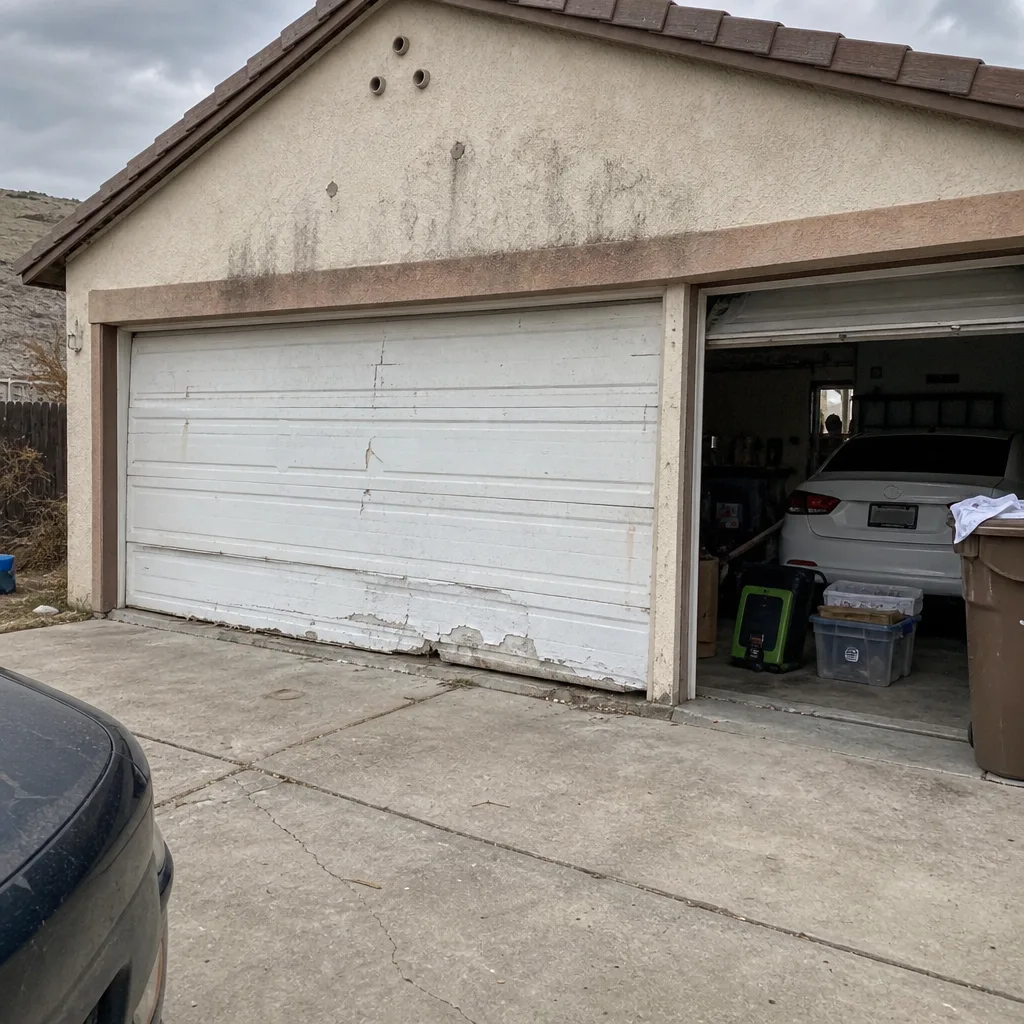 Before
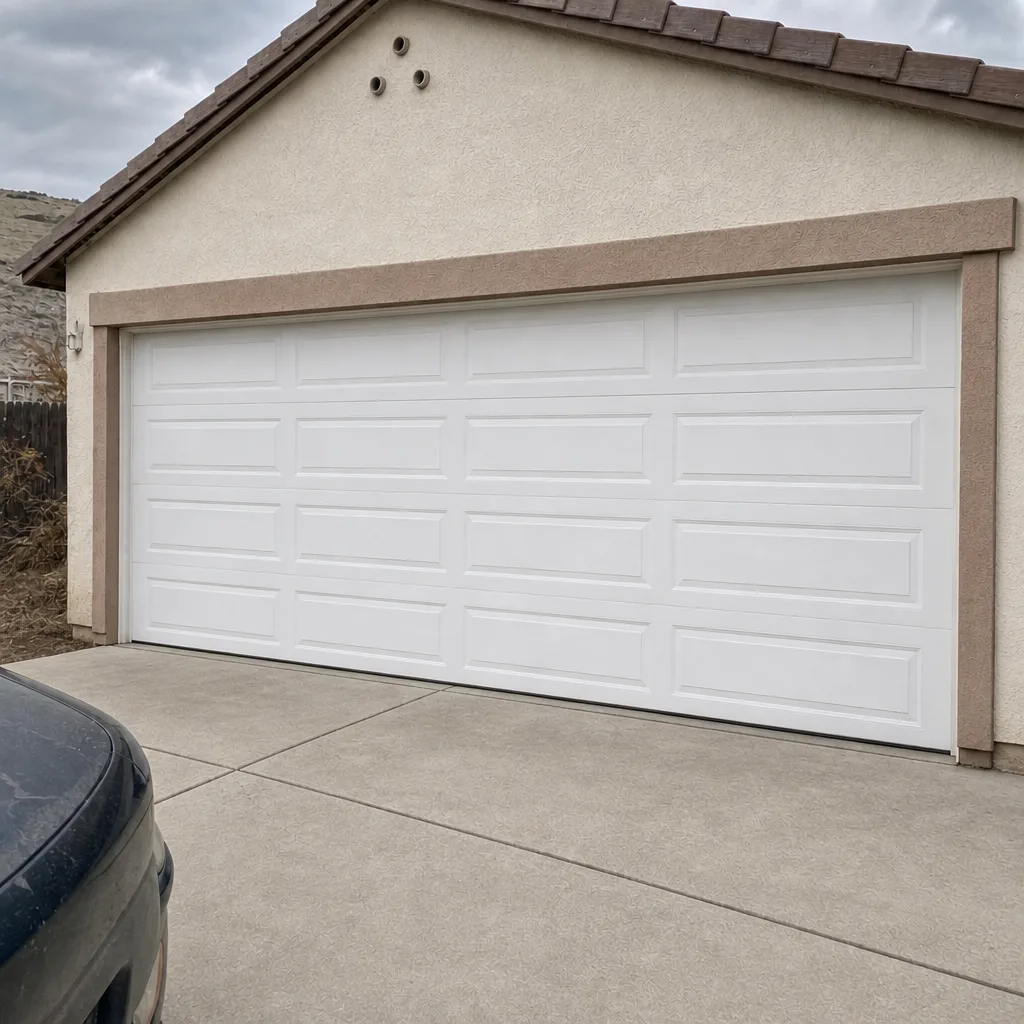 After
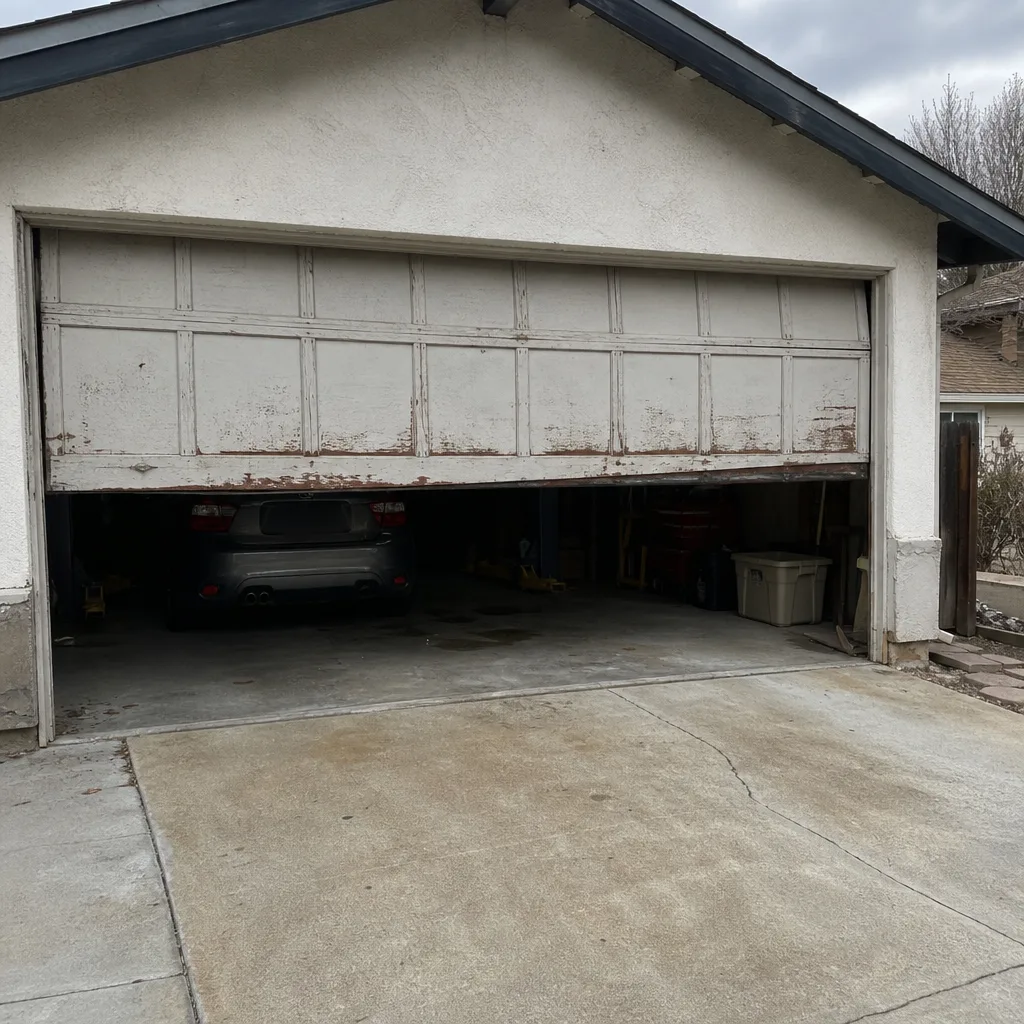 Before
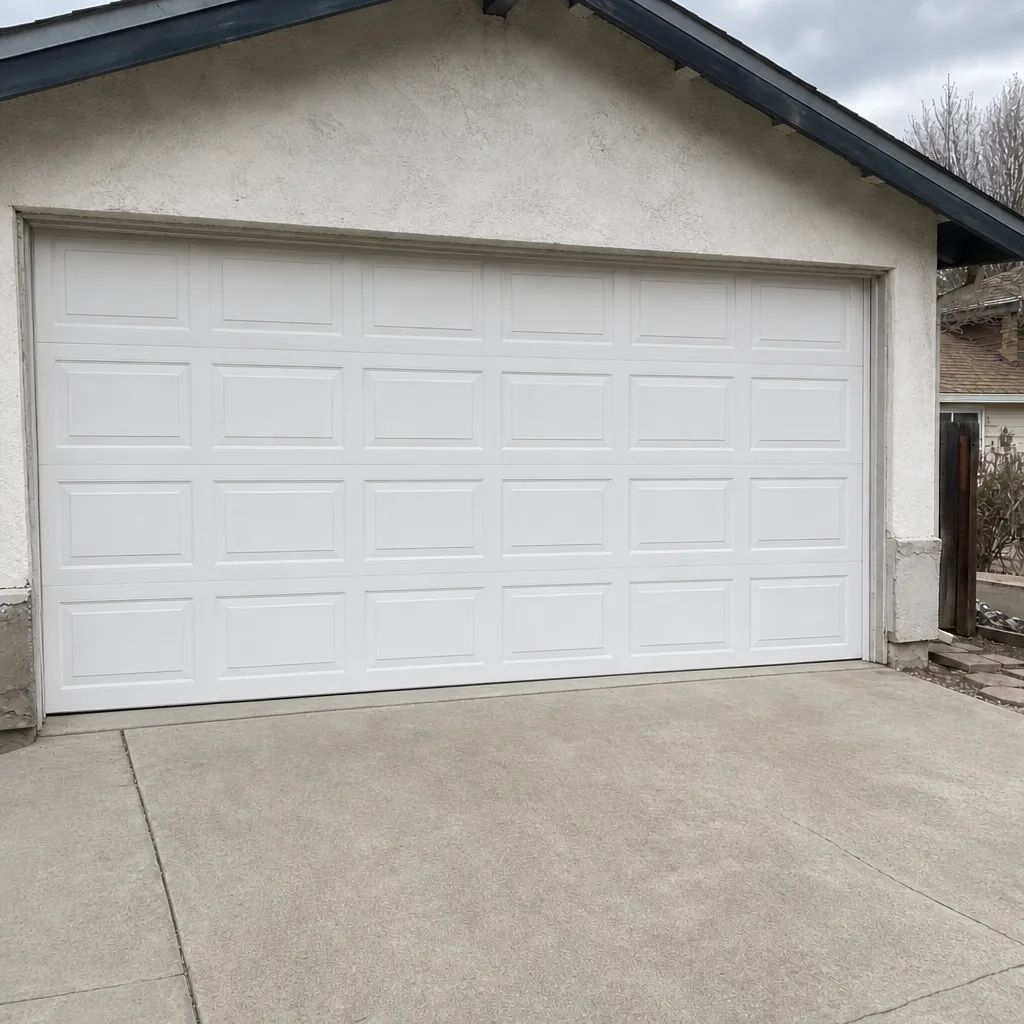 After
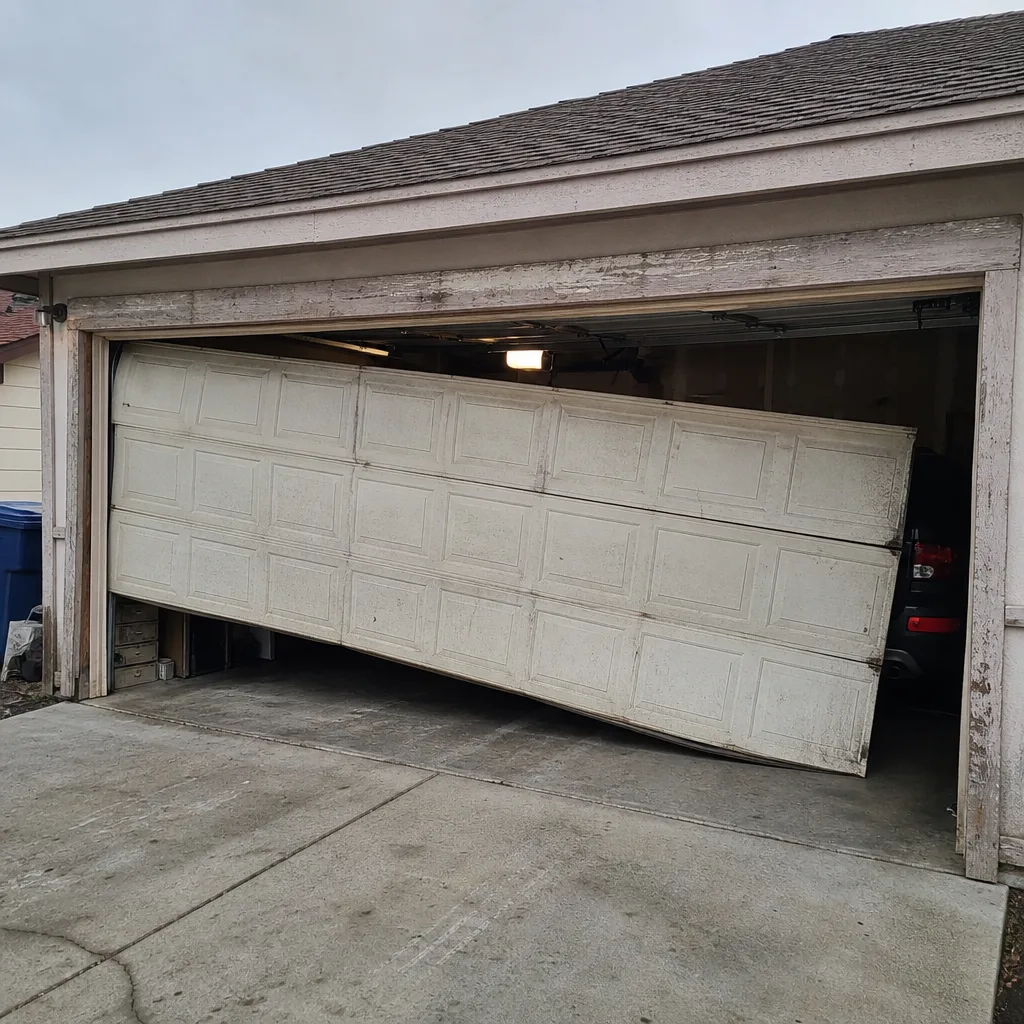 Before
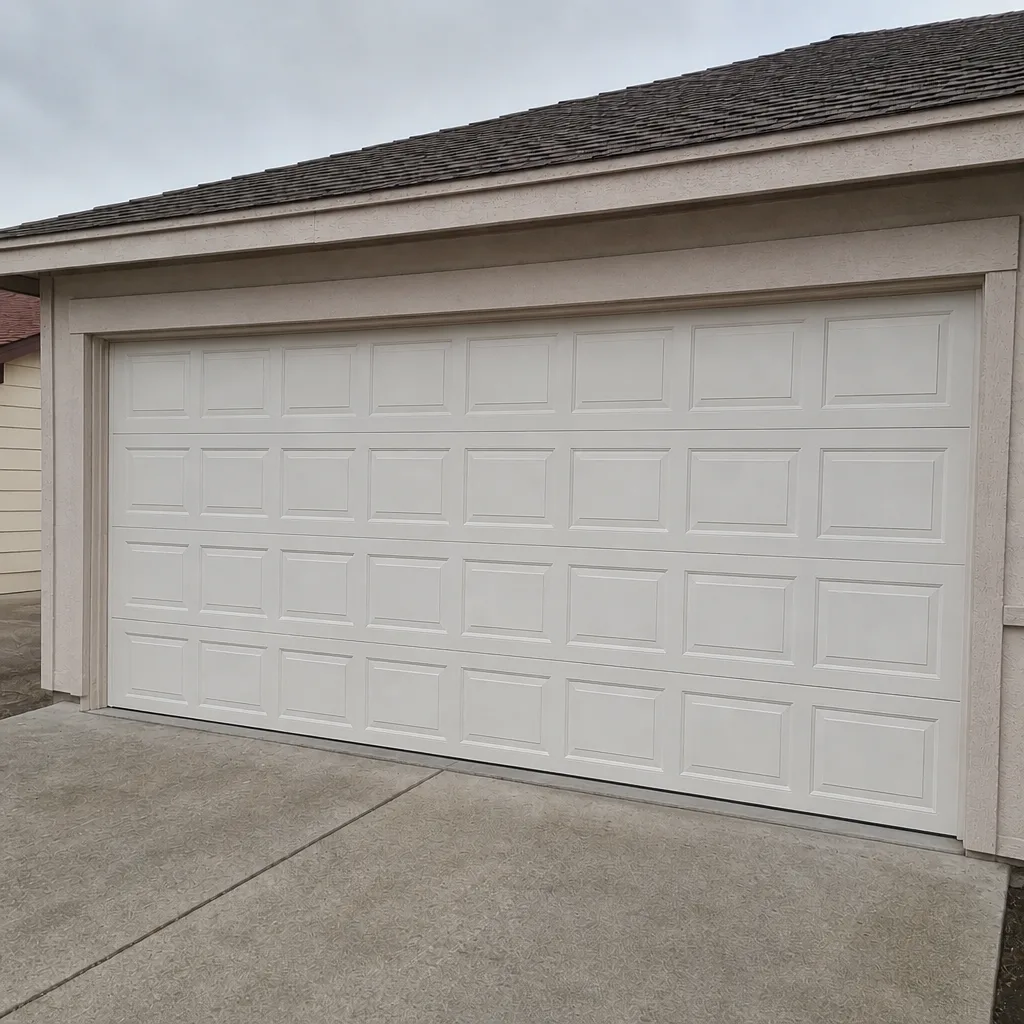 After
Frequently Asked Questions
Once a month for the five-minute homeowner check, plus one professional inspection a year. The monthly check catches changes early; the annual inspection measures the things you can’t see – spring cycle count, cable wire separation, and motor amp draw – which is where most emergencies start. Call (844) 320-6569 to get that annual inspection scheduled before something lets go.
It depends on the part, but a snapped spring or frayed cable is a known, category-based job, and we quote it on the phone before we come out – the price doesn’t change between the call and the driveway. What raises the bill is a cascade: a worn roller that bent a track and burned out an opener. Call us for an upfront quote before you agree to anything, and remember the standing $40 off any repair over $200.
Yes – a snapped spring or a door stuck open is exactly the kind of call we answer around the clock and get to as fast as we can. Call (844) 320-6569, and if it’s after hours, a live person still answers. Don’t force a door with a broken spring; it’s dangerous to try. We quote the job on that call and hold the number.
No, not upward. We quote on the phone and hold that number at the door. We give you an upfront price before any work starts and it’s the price on the invoice – backed by our 90-Day Done Right Promise, written on every invoice, with one call to the owner if it’s ever not done right.
Monsoon dust is the big one in Mesquite – it packs into the tracks and coats the safety sensors, and a dusty sensor is a common reason a door won’t close. Wind events can also nudge a track out of alignment. That’s why we put the post-monsoon clean-and-check on the schedule. If your door’s acting stubborn after the season, call (844) 320-6569 and we’ll take a look.
Yes. We’re locally owned and owner-operated, with a published address and license number you can verify before anyone shows up, and background-checked technicians trained across all major brands. The name on the van is the name on the invoice. Call (844) 320-6569 if you’d like to verify before you book – we’ll give you the details.
The Bottom Line
There’s no such thing as maintaining a door “in case of emergency” – but there is a schedule that decides how often emergencies find you and how much of the system they take with them. A five-minute monthly look at springs, cables, rollers, and the safety reverse. A seasonal checkpoint built for Mesquite’s summer heat, monsoon dust, and cold-morning tension shifts. One annual professional inspection to catch the spring cycles, cable separation, and amp draw you can’t see from the driveway. And a log on a hook in the garage so the person who shows up knows exactly what changed and when. That’s the whole schedule. It’s a lot cheaper than the alternative.
If you’re in Mesquite and want a straight answer on where your door stands, the team at Otto’s Garage Door Mesquite is a phone call away. Check our Otto’s Garage Door Mesquite home to see what we do, then call (844) 320-6569 for a free estimate. A live person answers around the clock, quotes the job on the call, and holds the number at the door – because the name on the license is the name you’ll see again at the feed store.
Written by the team at Otto’s Garage Door Mesquite.