
Last updated November 17, 2026
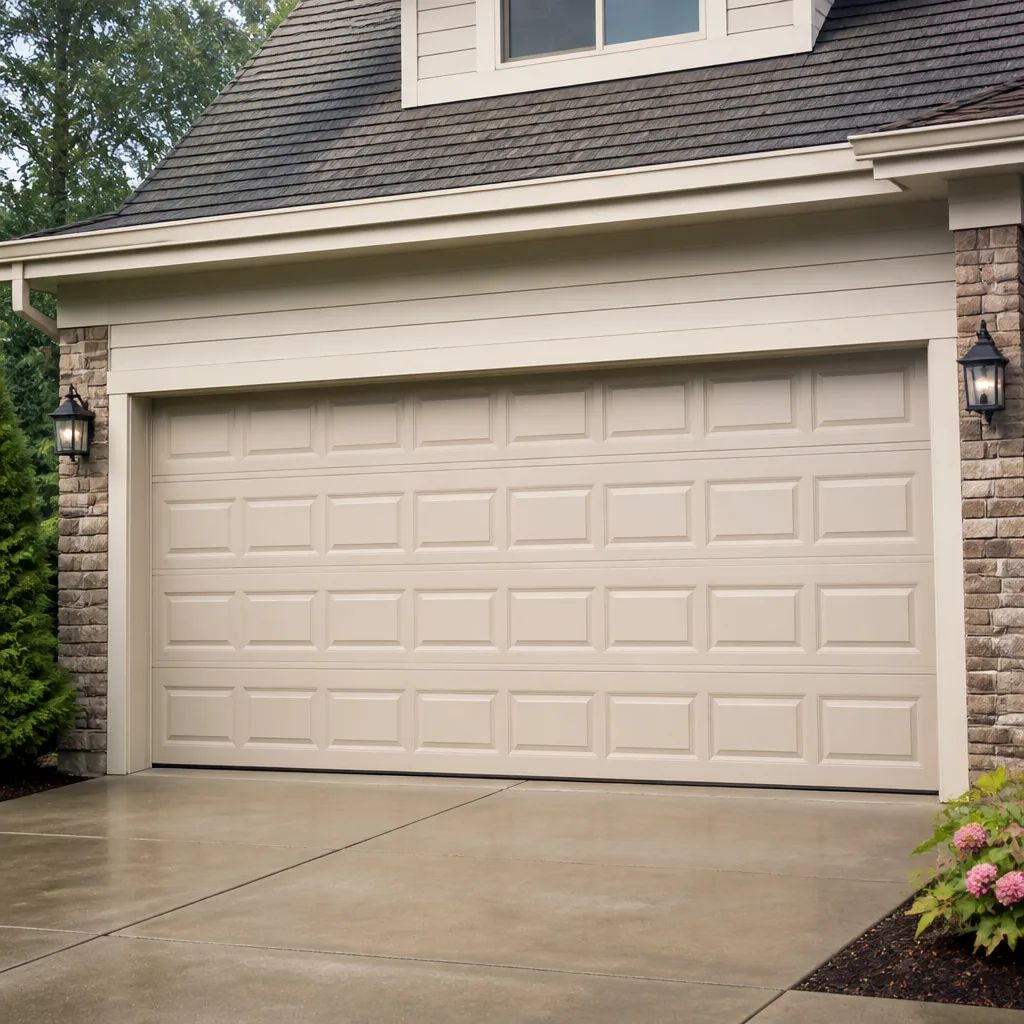 Raised-panel steel
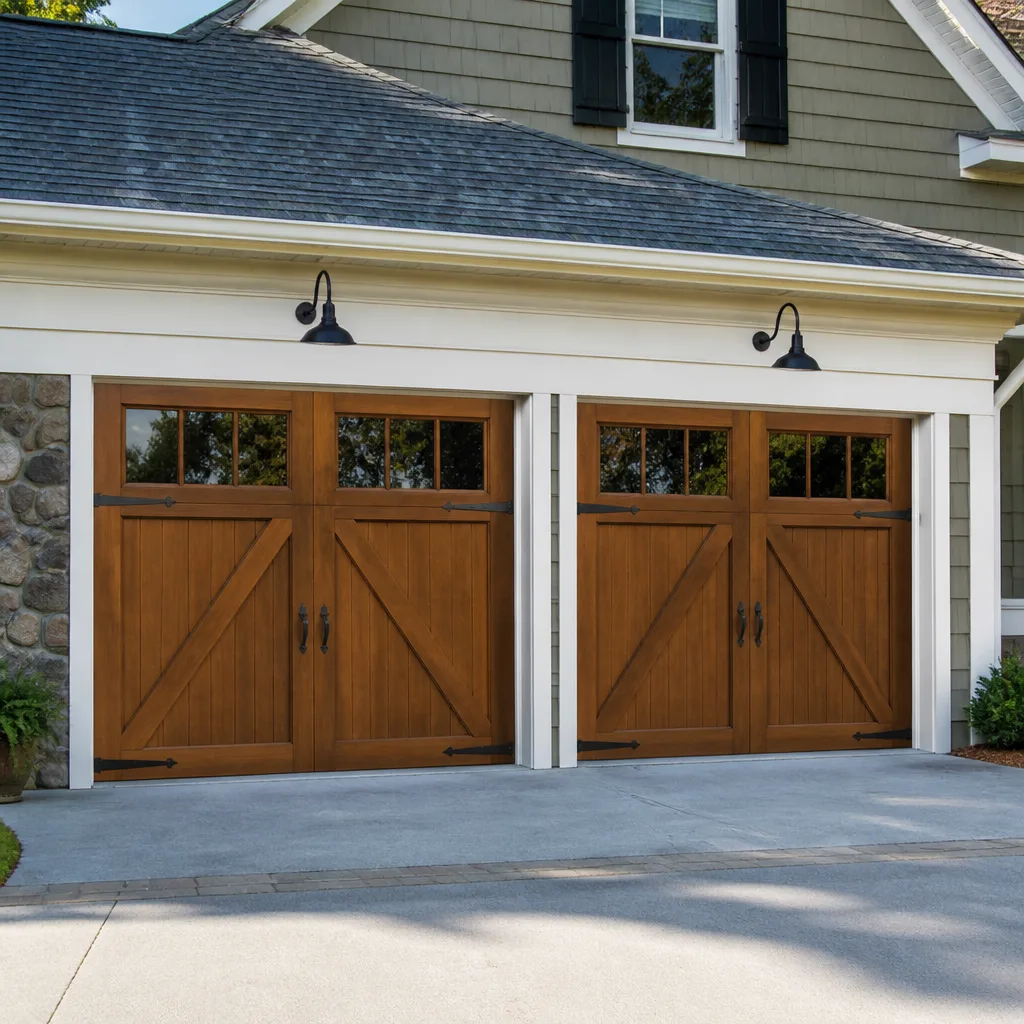 Carriage house
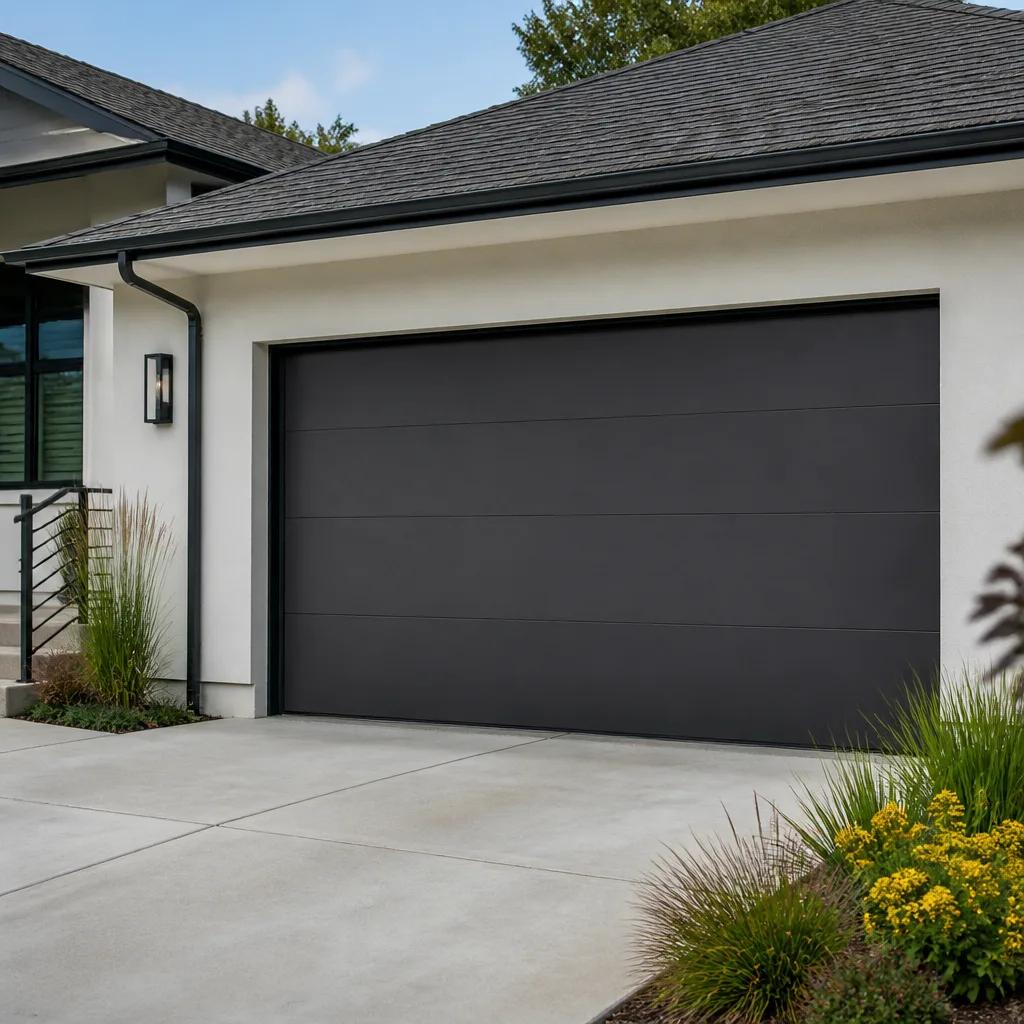 Modern flush
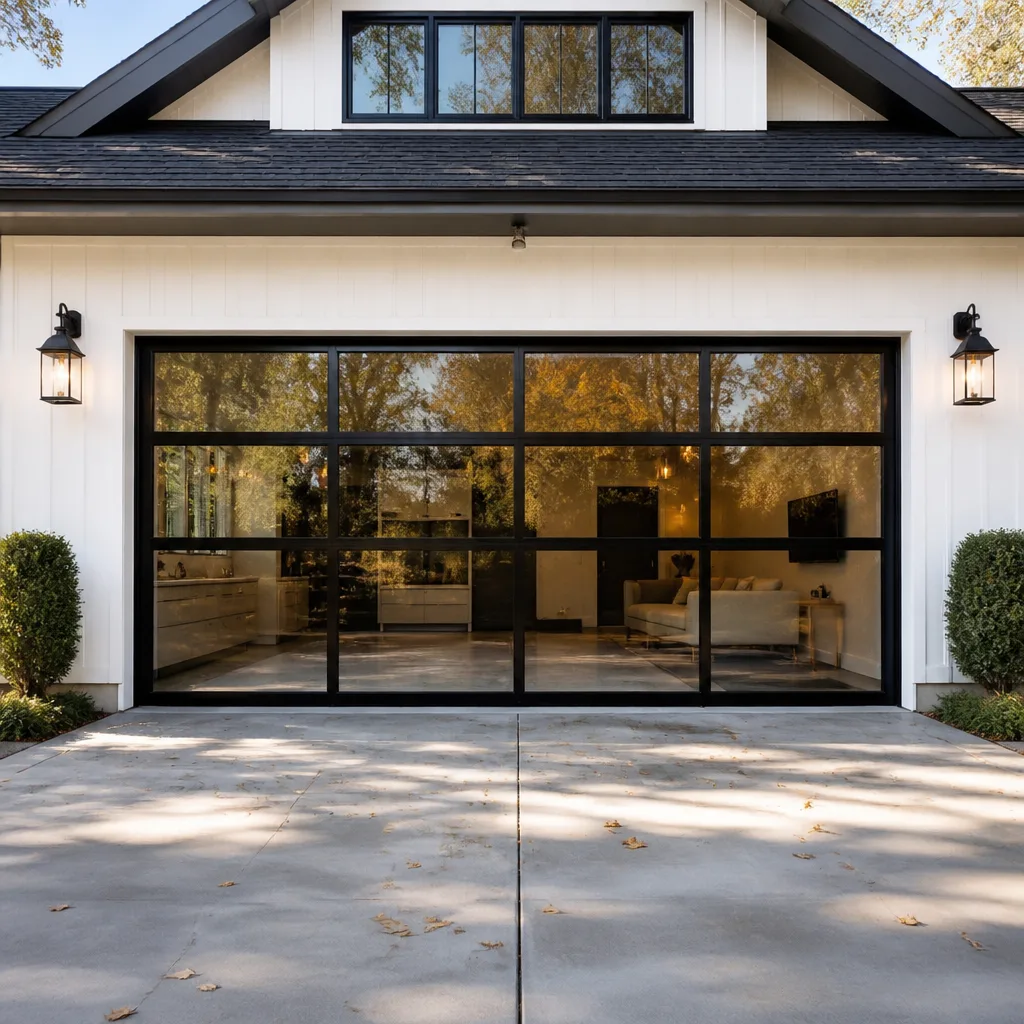 Full-view glass
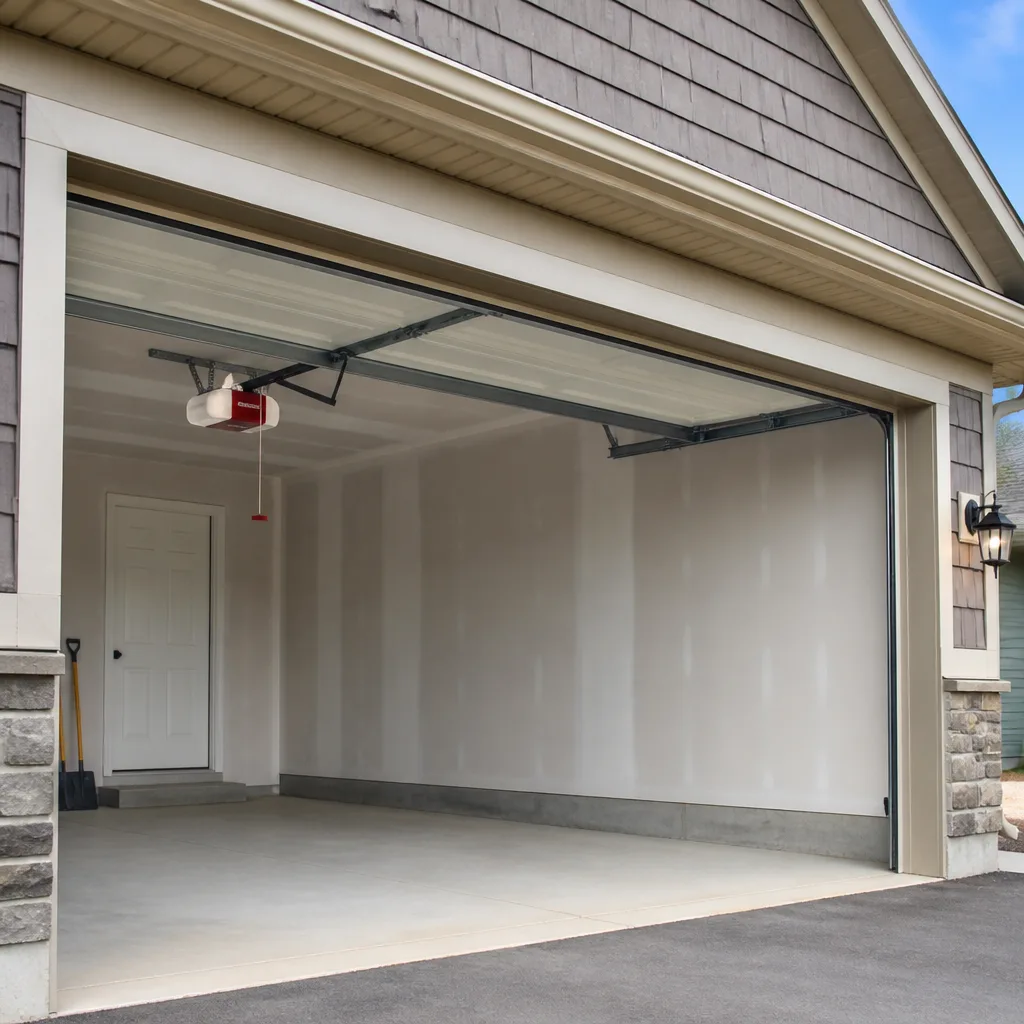 LiftMaster openers
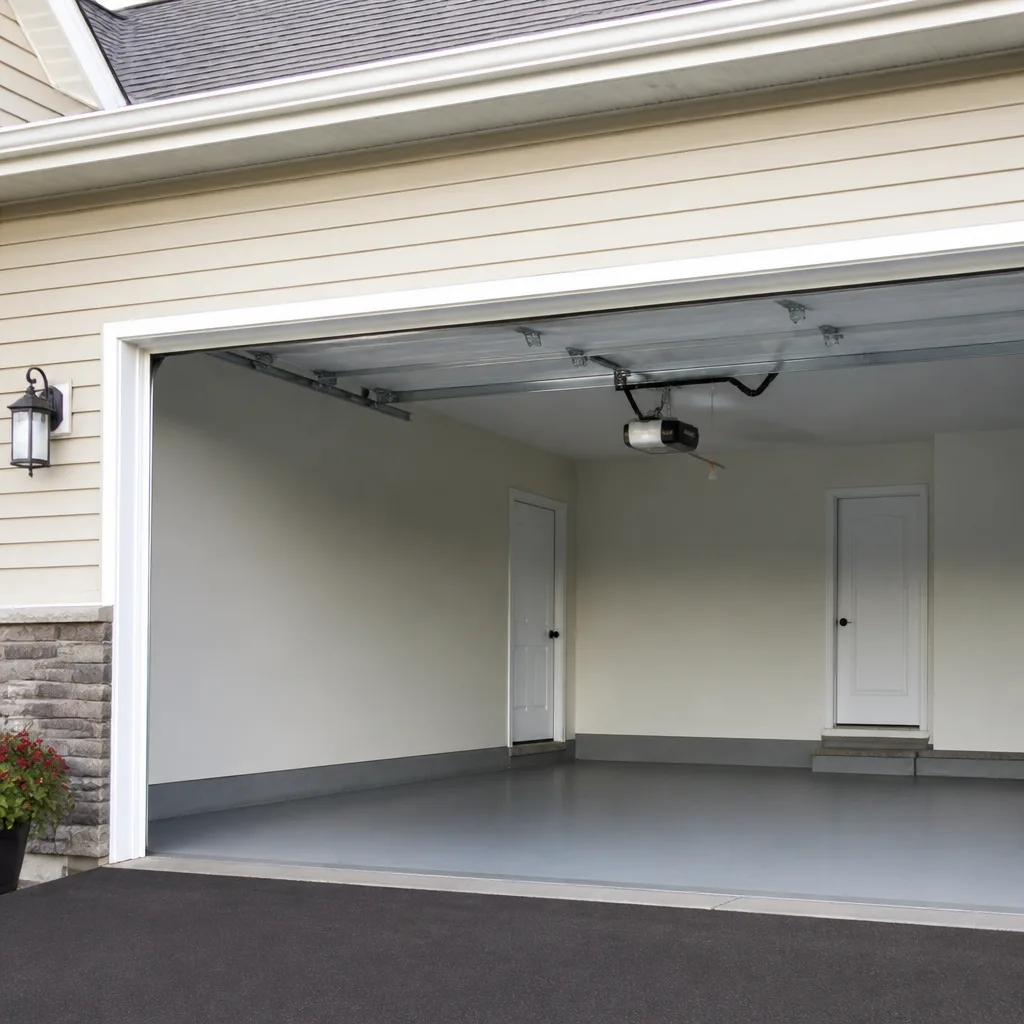 Chamberlain openers
Full 25-point door and opener safety check with every visit - springs, cables, rollers, tracks, and your LiftMaster or Chamberlain opener included
You get a price before we start. It does not change when the pro arrives.
Get your free estimateEmergency Garage Door Troubleshooting: Common Problems and How to Fix Them
If your door started working again after you wiggled the safety sensor, that’s not a fix. The sensor mount is loose, and the next time it fails will probably be when you’re already late and the car is on the wrong side of a closed door. We’ve watched this exact movie play out across Mesquite more times than we can count. A door that suddenly quits almost always leaves a clue, and a wiggle-and-hope repair hides it. This guide walks the same diagnostic sequence we run on a service call, but it does the thing most guides skip: it tells you how to know whether you actually fixed the problem or just bought yourself a few more days. Mesquite heat, wind, and a steady diet of dust make certain failures predictable, so we’ll name those too.
Quick Answer
A garage door that stopped working suddenly is usually one of five things: the opener lost power, a safety sensor is misaligned, the remote lost its signal, a spring snapped, or a cable failed. Check power first, then sensors, then the remote, and finally whether the door lifts by hand. If the door feels extremely heavy or hangs crooked, stop using it and call a pro. If it moves normally and the opener simply won’t run, the problem is electrical or in the opener itself.
Styles & brands we work with
- Raised-panel steel
- Carriage house
- Modern flush
- Full-view glass
- LiftMaster openers
- Chamberlain openers
Table of Contents
- The Diagnostic Sequence: Power, Sensors, Remote, Manual
- Real Fix or Temporary Restore? How to Tell the Difference
- The Five Sudden-Failure Scenarios We See Most in Mesquite
- The Two-Minute Safety Check Before You Use That Door Again
- When Troubleshooting Is Over and the Phone Call Needs to Happen
- Why Your Door Works Sometimes and Not Others
- Simple Habits That Prevent Most Emergency Calls
The Diagnostic Sequence: Power, Sensors, Remote, Manual
Order matters. If you start swapping batteries while the opener is unplugged, you’ll chase your tail for an hour. Run these four steps in order, and each one either ends the problem or hands you cleanly to the next.
- Check power. Look at the opener’s light. Does it come on when you press the wall button? Check the breaker panel for a tripped circuit, and check the outlet the opener plugs into. In Mesquite, summer storms roll through fast and a power surge can knock an opener offline without tripping a single breaker. If there’s no light and no sound at all, unplug the opener for about 30 seconds and plug it back in. Many modern units, including LiftMaster and Chamberlain models, reset cleanly this way after a surge. If it still does nothing, the logic board may have taken the hit.
- Check the safety sensors. These are the two small eyes at the bottom of the tracks, one on each side. Each should glow. If one is dark or flickering, the door won’t close and often won’t open. Wipe both lenses with a dry cloth – desert dust coats them faster than you’d think – then check alignment. A string, a loose bracket, or a bump from a wheelbarrow will knock them out of line.
- Check the remote and wall button. Does the wall button work while the remote doesn’t? That points at the remote or its battery, not the door. Swap the battery, then re-pair the remote to the opener. If neither the wall button nor the remote works, go back to step one.
- Test manual operation. Pull the red release handle to disconnect the door from the opener, then lift the door by hand about halfway. It should move with steady, moderate effort and stay where you leave it. A door that feels extremely heavy or fights you coming down has a spring or cable problem – release the handle, lower it carefully, and stop here.
Each step is a fork. Power or sensors or remote solved it? You may be done, and the section below shows you how to confirm that. Manual operation failed? You’re not troubleshooting anymore, and that’s the honest handoff.
Real Fix or Temporary Restore? How to Tell the Difference
Here’s the part nobody writes about. Wiggling a sensor until the light comes back on is a temporary restore. Tightening the bracket that holds it, so it can’t drift again, is a real fix. The difference matters because a temporary restore almost always fails at the worst possible moment.
Use this test on any repair you make yourself:
- Did you correct the cause or the symptom? A sensor knocked out of line by a loose bracket means the bracket is the cause. Re-aiming the sensor without tightening its mount is treating the symptom.
- Does it survive a nudge? Gently tap the track or bracket that was involved. If the light flickers, the mount is still loose.
- Does it survive a full open-close cycle, twice? One clean cycle proves little. Two in a row, plus a close using the wall button and a close using the remote, gives you real information.
- Is the original trigger still present? If a tree branch or a garden hose knocked the sensor, remove the trigger. If the spring is sagging or the door drops hard at the bottom, no amount of fiddling is a fix.
We’d rather tell you straight than let you find out at 9 p.m. with the truck inside. If a repair you made doesn’t pass all four checks, it’s a temporary restore, and you should schedule the real repair before it strands you. For anything that goes beyond a sensor or a battery, our Garage Door Repair in Mesquite team can take it from there.
The Five Sudden-Failure Scenarios We See Most in Mesquite
1. Dead opener after a power surge
Summer storms and the grid stutter that follows are the top reason a door goes dead in this valley. The opener’s logic board takes the hit, and the door won’t budge. Try the 30-second unplug first. If the unit still shows no life, the board or a fuse in the unit is the culprit. Raynor and Genie units handle surges about as well as anyone else’s, which is to say a direct hit can take any of them out.
2. Sensor misalignment from wind or yard equipment
Mesquite wind is real, and so are string trimmers and wheelbarrows. The sensor brackets on many doors are thin stamped metal that bends easily. A sensor that’s out of line by a quarter inch will stop a door cold. This is the single most common call we get that turns out to be a five-minute fix – and the single most common one homeowners “fix” without actually fixing.
3. Broken spring (the door feels extremely heavy)
If your door suddenly weighs what feels like 300 pounds, a torsion spring snapped. You may have heard it – it sounds like a gunshot from the garage. This is a hard stop. The door is now 200 pounds riding on one spring instead of two. Do not run the opener. High-tension springs and cables can cause severe injury, so this is not a repair to attempt yourself. On a Mesquite door, springs see brutal heat cycling and dry air, and they fail on their own schedule.
4. Snapped cable (the door hangs crooked)
A door that goes up crooked, or looks like one side is lagging, has likely lost a cable. Cables are under heavy tension and can whip if they fail. Stop using the door and keep clear of the cable. This one needs a trained tech who can inspect the drum and the whole assembly, not just swap the cable.
5. Lost remote signal
The remote worked yesterday and now nothing. Battery first, then re-pairing. If you’ve recently added a new opener, a neighbor’s remote, or a wireless device on the same frequency, interference is possible. LiftMaster and Chamberlain remotes re-pair in under a minute with the learn button on the opener. Our Garage Door Opener Repair & Installation in Mesquite page covers re-pairing steps in detail if yours won’t take.
The Two-Minute Safety Check Before You Use That Door Again
Before you press that button and walk away, spend two minutes confirming the door is safe to use until a tech arrives – or confirming it isn’t.
- Lift it halfway by hand. With the door disconnected, raise it to waist height and let go. A healthy spring system holds the door there. A door that drops or takes real muscle to lift has a spring problem.
- Look at the cables. Both cables should run cleanly along the sides with no fraying, no slack, and no birds-nesting at the drums. Any damage means stop.
- Check the brackets and hinges. Look for cracks, loose bolts, or metal that’s pulled away from the door or the frame.
- Test the auto-reverse. With the door connected and the sensors aligned, lay a 2×4 flat on the ground in the door’s path and close the door. It should reverse on contact. If it doesn’t, don’t use the door unattended.
- Listen. Grinding, scraping, or a bang on the way down is a warning, not a quirk.
Any failure in steps one through three means the door stays down until someone qualified looks at it. Steps four and five are the ones people skip, and they’re the ones that matter when a kid or a pet is under the door.
When Troubleshooting Is Over and the Phone Call Needs to Happen
There’s no shame in this part. We’ve had plenty of homeowners call us after a failed DIY attempt, and the door is usually fine – it just needs the right part and the right hands. Here’s the honest list of when it’s time to call:
- The door feels extremely heavy or won’t hold itself up.
- It hangs crooked, or a cable looks slack or damaged.
- You heard a bang and now the opener runs but the door doesn’t move.
- The opener is dead even after a power reset.
- A sensor won’t stay aligned after you’ve tightened everything you can find.
- The door reverses on its own, or closes on things in its path.
One of these, and you’ve done your troubleshooting. What’s left is a spring, a cable, or a board, and none of those are a homeowner job. High-tension springs and cables in particular can hurt you badly, and we’d rather you hand it to us than find out why the hard way. If you’re weighing whether to repair or replace an aging door, our Garage Door Installation in Mesquite guide covers when a new door makes more sense than a string of repairs.
Why Your Door Works Sometimes and Not Others
Intermittent failures are the most frustrating, because the door seems fine right up until it isn’t. In Mesquite, we see three common causes.
Heat-related sensor drift. A sensor bracket that’s snug at 70 degrees can shift a hair when the afternoon hits 110 and the metal expands. The door closes fine in the morning and refuses in the afternoon. That’s a mount problem, not a sensor problem.
Loose wiring at the sensor or the opener. Vibration from a door that runs a little rough loosens connections over time. Wiggle the low-voltage wire at both ends and see if the sensor light flickers.
A failing logic board or a tired opener. If the opener strains, hesitates, or the light flickers mid-cycle, the unit itself may be on its way out. If the opener is straining, the problem is almost never the opener – it’s usually a door that’s out of balance or a spring that’s lost tension. But an opener that’s simply old can fail intermittently too, and diagnosis is how you tell which you’re dealing with.
The tell is a pattern. Track when it fails – time of day, temperature, which button you used – and you’ll hand a technician a real clue instead of a shrug.
Simple Habits That Prevent Most Emergency Calls
Most of the emergency calls we get in Mesquite were preventable with a few minutes a month. None of it is complicated.
- Wipe the sensor lenses every few weeks. Dust here is relentless, and a coated lens fails the same as a misaligned one.
- Lubricate the springs, hinges, and rollers with a garage-door-rated lubricant once or twice a year. Dry air and heat dry out moving parts fast.
- Test the auto-reverse monthly by closing the door on a 2×4. It should reverse every time.
- Rinse the door and tracks down with a garden hose now and then to keep grit out of the rollers.
- Watch the springs. When they start to visibly sag or the door gets harder to lift, deal with it before a failure.
- Balance the door once a year by disconnecting the opener and lifting it by hand. If it feels heavier than it used to, the springs are telling you something.
If you’d rather have someone look it over, our Otto’s Garage Door Mesquite home page is the place to start.
Common Mistakes to Avoid
- Forcing a heavy door. If the door feels like it weighs 300 pounds, don’t lean into it. A broken spring under load can snap the remaining one, and you’ll turn a repair into a real hazard.
- “Fixing” a sensor without tightening the bracket. Re-aiming a loose sensor is the most common temporary restore we see. It’ll fail again, and usually when you’re already late.
- Greasing the tracks. Track grease attracts Mesquite dust and turns into grit. Lubricate the springs, hinges, and rollers, not the tracks.
- Replacing the opener when the door is the problem. A straining opener is usually fighting an out-of-balance door. Swapping the opener doesn’t fix a binding door.
- Pulling the manual release while the door is up. Release the door only when it’s fully closed, or it can come crashing down.
- Ignoring a crooked door. A door that hangs unevenly has a cable or spring problem. Running the opener on it makes the damage worse.
- Skipping the auto-reverse test. It’s the one safety check that protects the people and pets under the door, and it takes 30 seconds.
See the difference
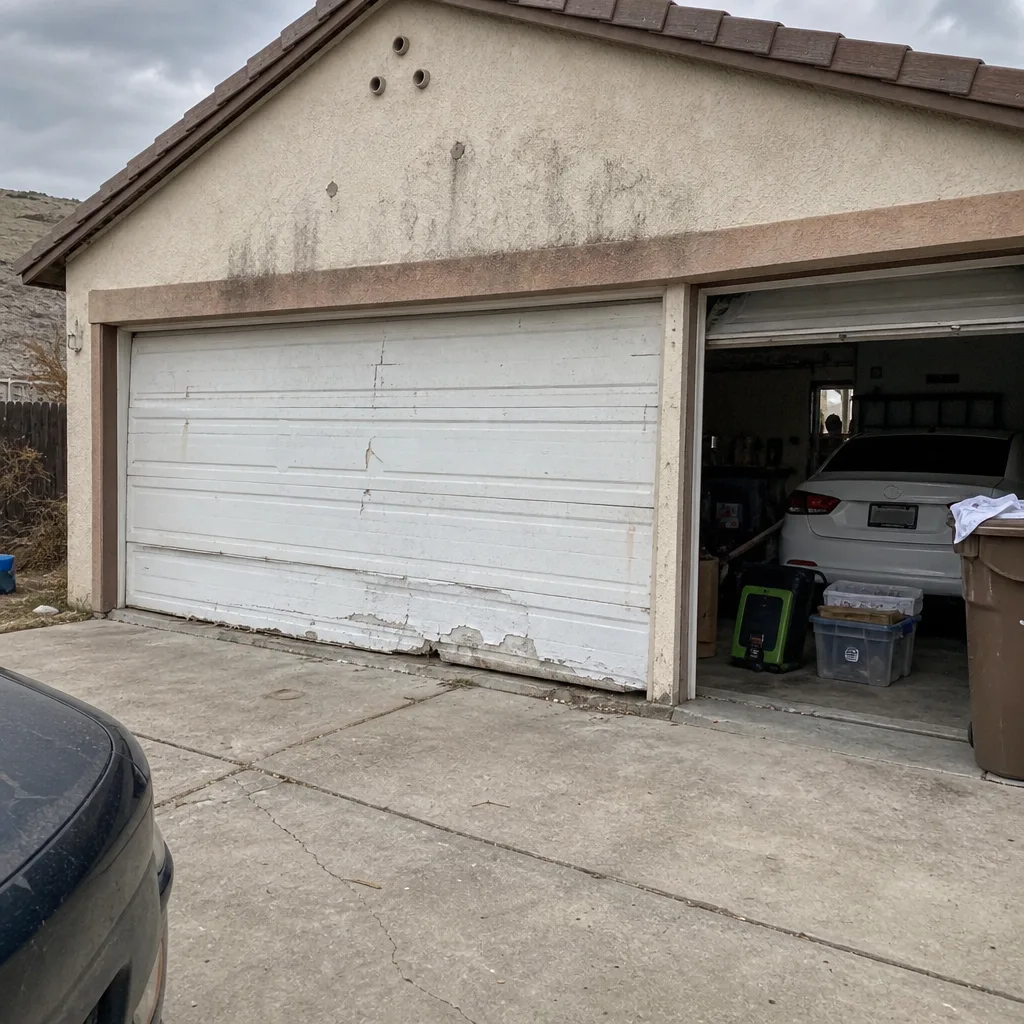 Before
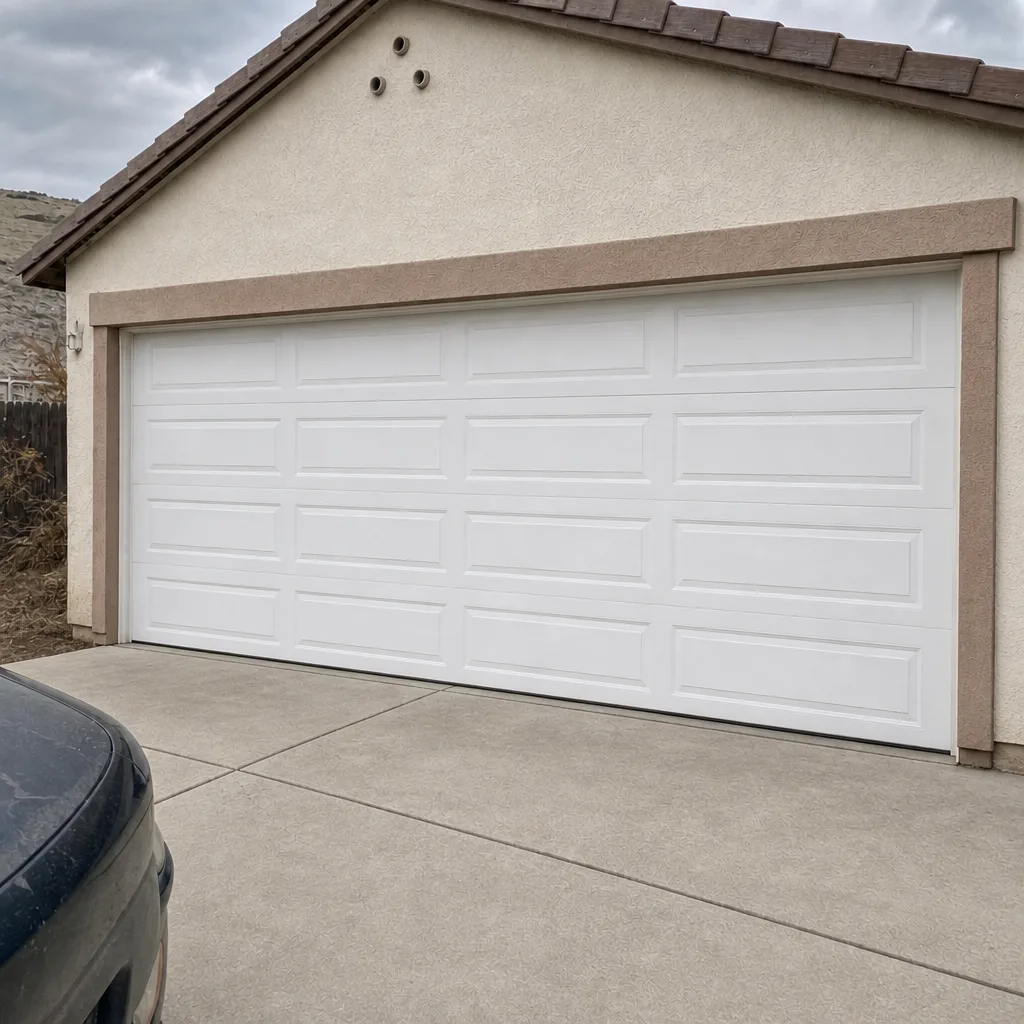 After
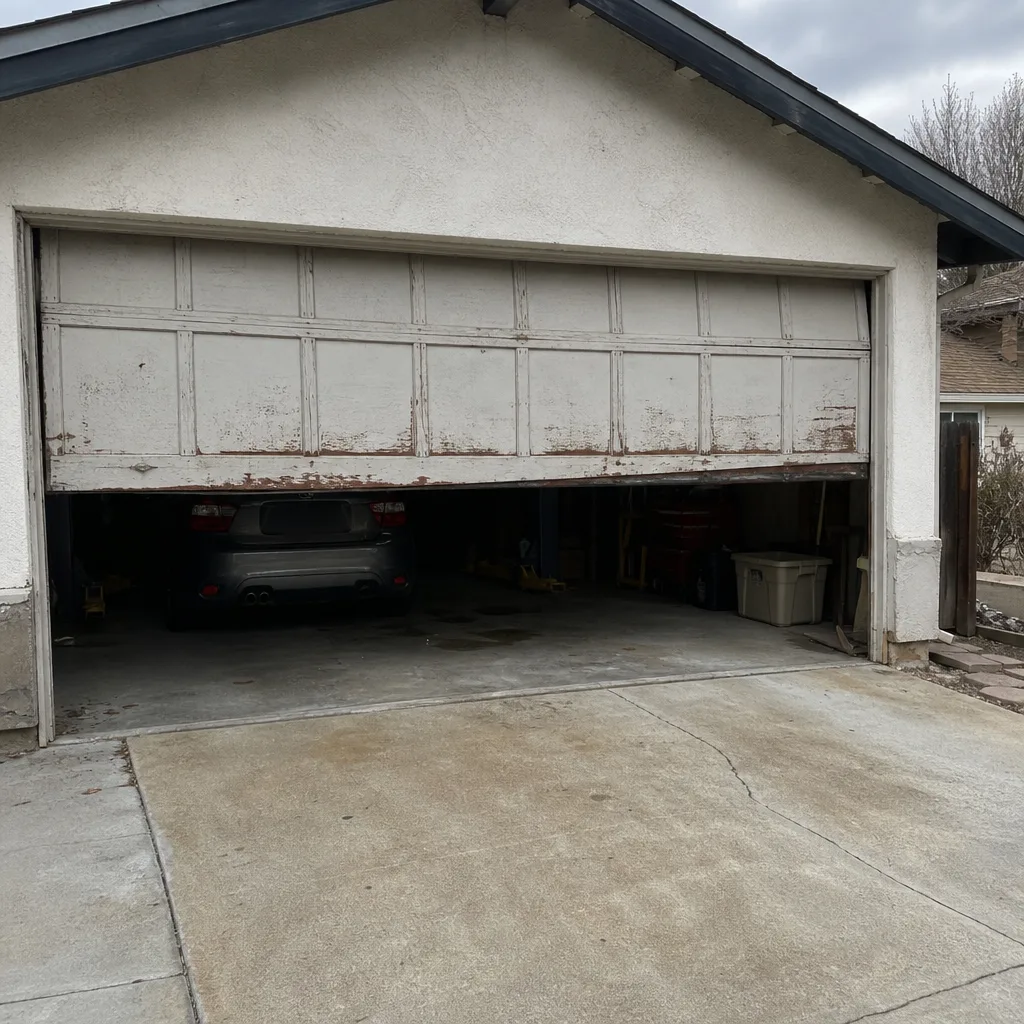 Before
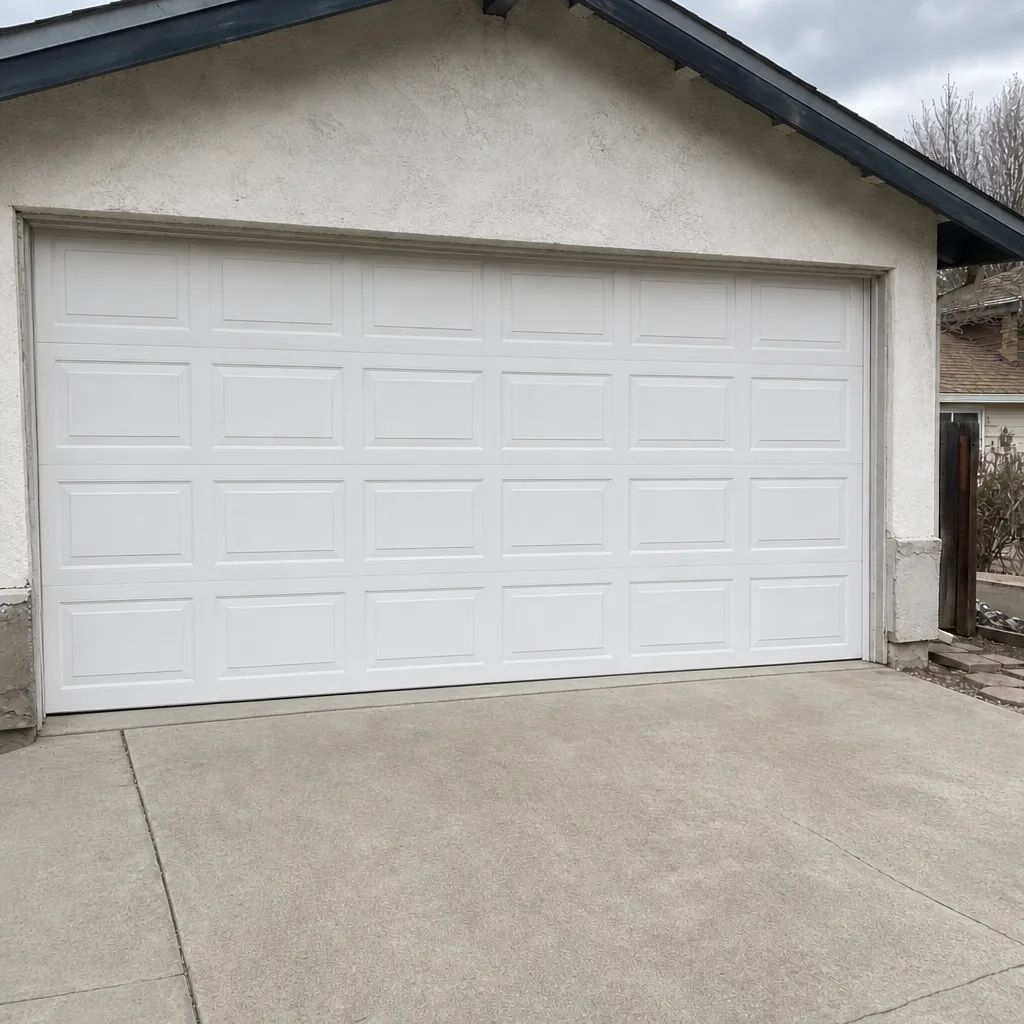 After
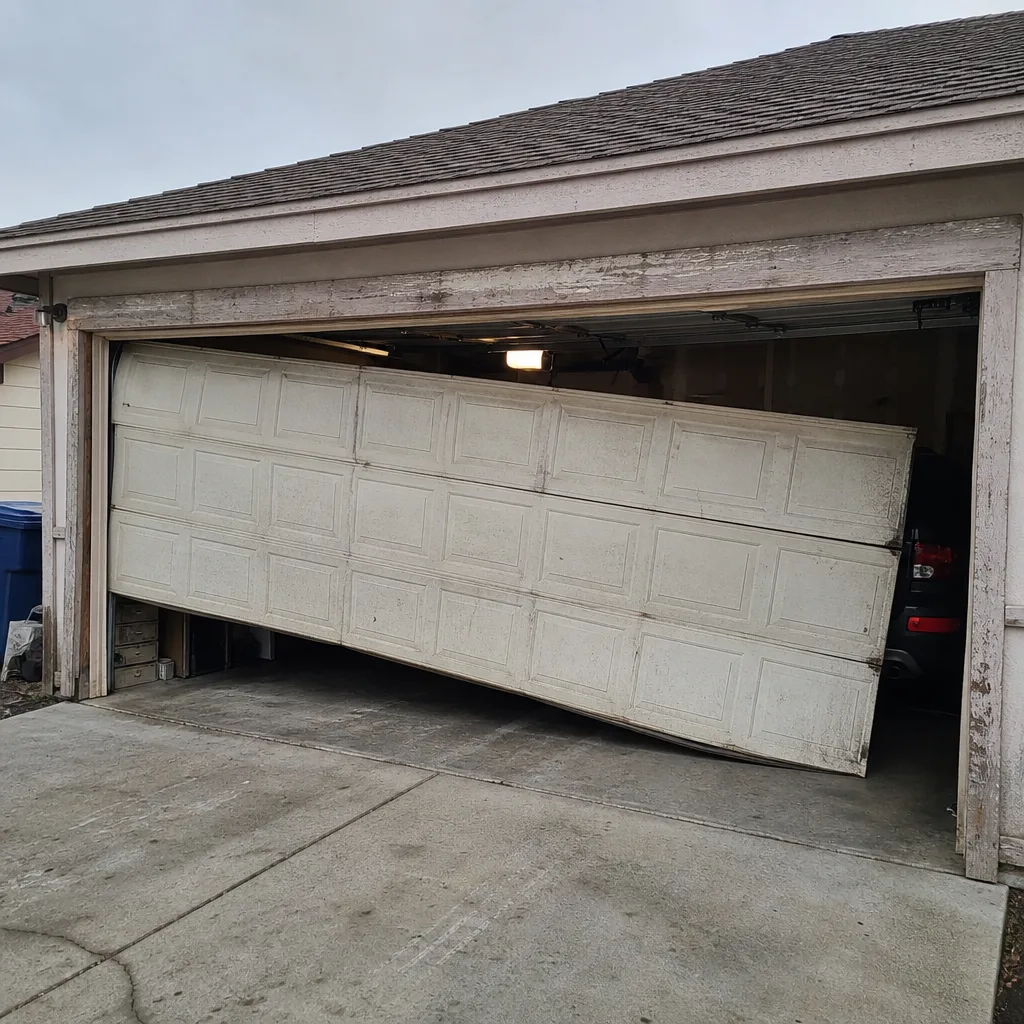 Before
 After
When to Call a Professional
Call when the door is heavy, crooked, dead, or dangerous – or when a self-repair didn’t survive the checks above. Springs and cables are genuinely high-risk, and a logic board isn’t a homeowner part. If the door works but you’re not sure it’s safe, that’s a call too. Otto’s Garage Door Mesquite offers free estimates in Mesquite – call (844) 320-6569. A live person answers around the clock, and we quote the job on that call and hold the number when we get there. Pricing is quoted before the visit and agreed before any work starts, so there are no surprises at the door.
Frequently Asked Questions
Check power first. Confirm the opener’s light comes on, check the breaker, and unplug the unit for 30 seconds to reset it after a possible surge. If the opener has power, check the safety sensors next, then the remote, then lift the door by hand to rule out a spring or cable.
Most emergency repairs in Mesquite run between $180 and $450 depending on the failed part – a sensor or remote issue sits at the low end, a spring or cable repair at the higher end. We quote the job on the phone and hold that number at the door, so the price is agreed before any work starts. Call (844) 320-6569 for an exact quote – estimates are free.
Yes, in most cases. We run 24/7 emergency service, and a live person answers when you call – including late at night. A door stuck open is a security problem, and a door stuck closed traps your vehicle. Call (844) 320-6569 and we’ll tell you honestly when we can be there.
No. We quote the job on the call and hold that number when we arrive. The one difference is if the initial diagnosis turns up something the phone quote couldn’t see – and in that case we tell you before we touch anything, and you decide. Call (844) 320-6569 for a free estimate.
Yes. Our technicians are state-licensed, insured, background-checked, and trained across all the major brands – LiftMaster, Chamberlain, Genie, Raynor, Clopay, Amarr, Wayne Dalton, and Craftsman. They carry the owner’s name on their back, and the 90-Day Done Right Promise is written on every invoice.
That pattern almost always points at a sensor bracket that shifts as the metal heats up during the day – common in Mesquite summer heat. Tighten the sensor mounts and retest through a full afternoon cycle. If it still drifts, a technician can find the loose mount or wiring causing it.
The Bottom Line
A door that suddenly quits is usually one of five things: power, sensor, remote, spring, or cable. Run the four steps in order, and each one either solves it or hands you to the next. The real skill is telling a fix from a temporary restore – tighten the cause, not just the symptom, and make sure the repair survives a nudge and a full cycle. If the door feels heavy, hangs crooked, or the opener is dead after a reset, stop and call. Springs and cables are 200 pounds of stored energy, and they deserve a trained hand. Otto’s Garage Door Mesquite is here around the clock at (844) 320-6569 for a free estimate, and we’ll quote it straight before anyone touches the door.
Written by the team at Otto’s Garage Door Mesquite.