
Last updated November 17, 2026
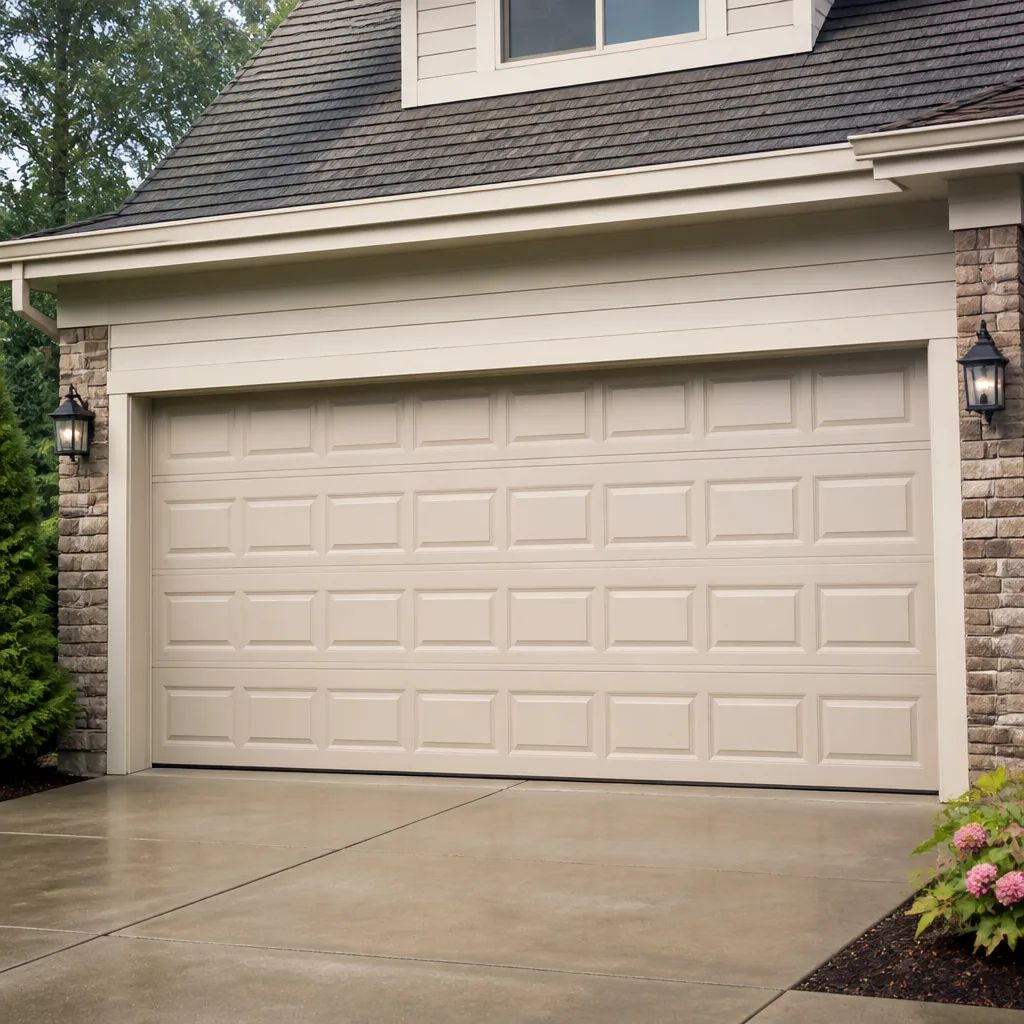 Raised-panel steel
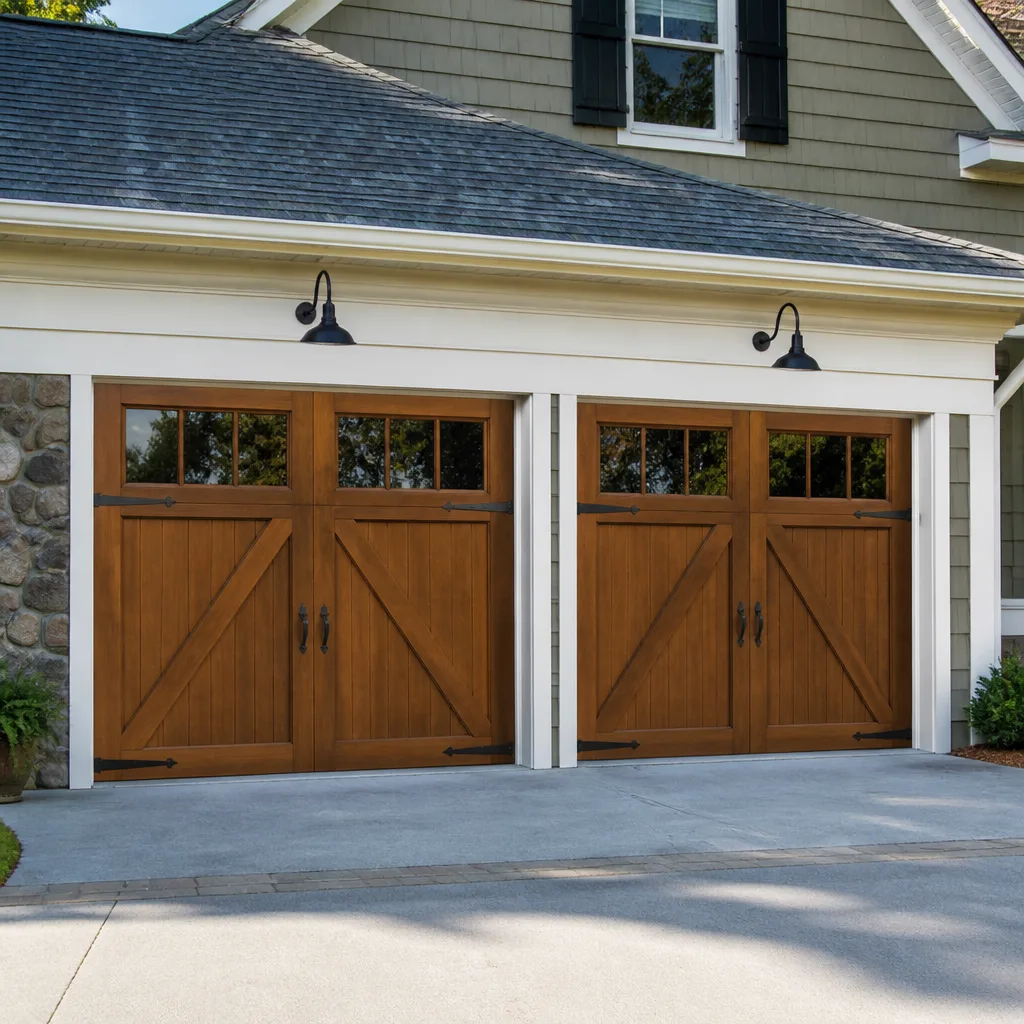 Carriage house
 Modern flush
 Full-view glass
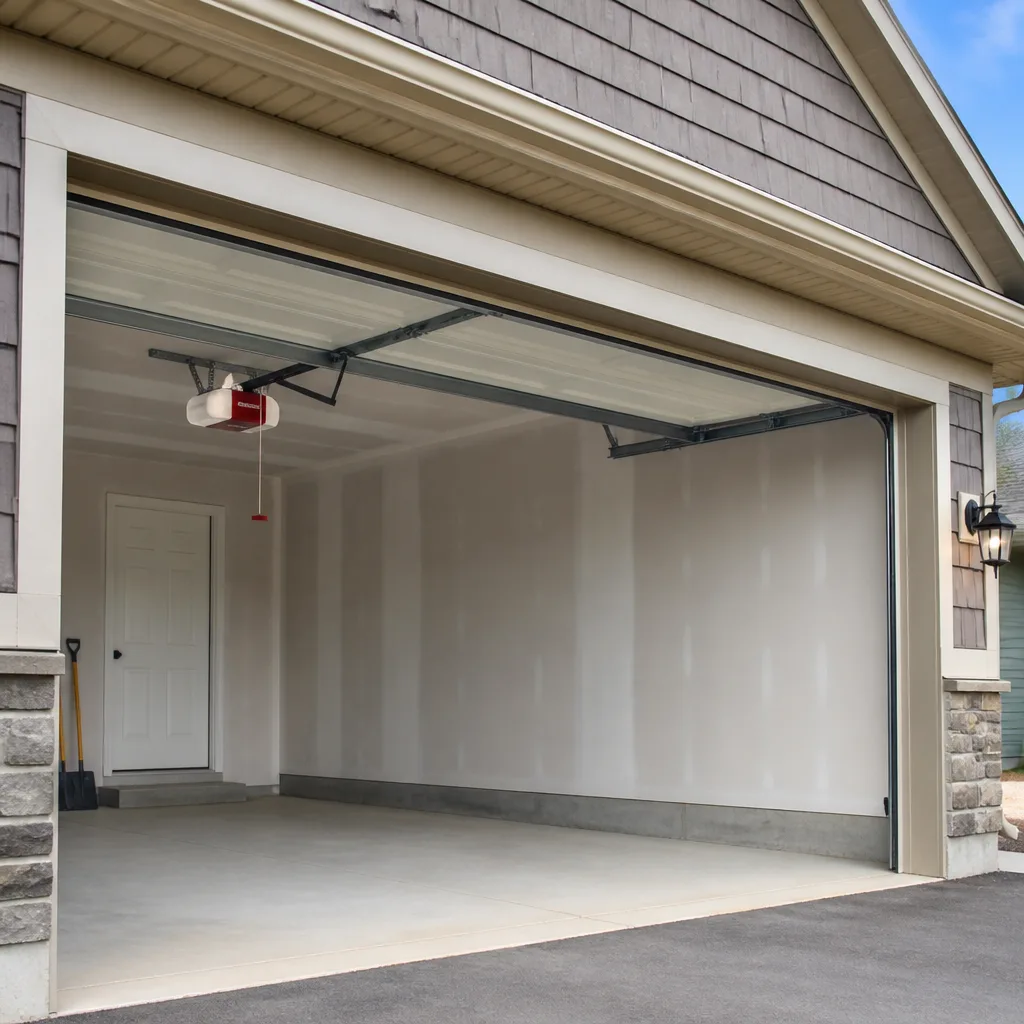 LiftMaster openers
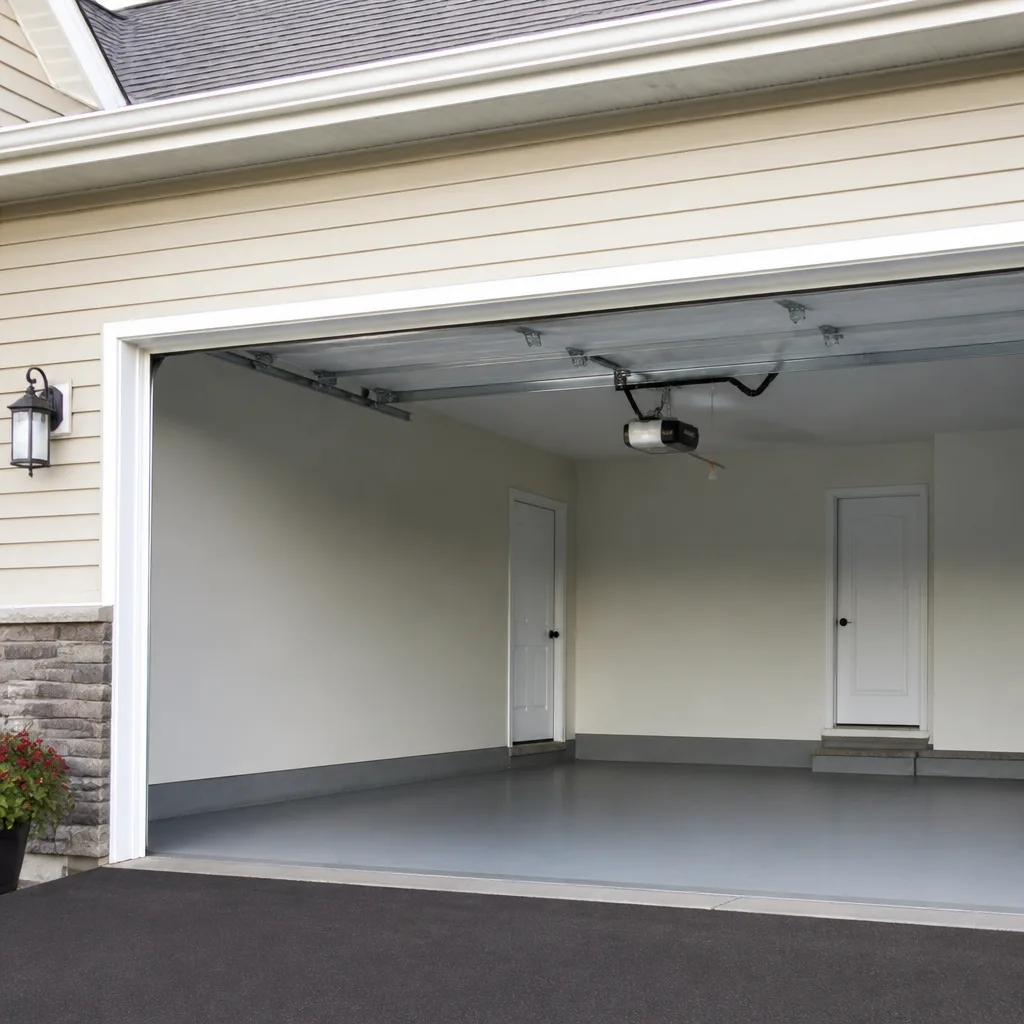 Chamberlain openers
Full 25-point door and opener safety check with every visit - springs, cables, rollers, tracks, and your LiftMaster or Chamberlain opener included
You get a price before we start. It does not change when the pro arrives.
Get your free estimateDIY vs Professional Garage Door Repair: What’s Safe to Do Yourself
We’ve been doing this since 2004, and every technician here still uses a winding bar set, stands to the side, and keeps his face away from the spring every single time. That’s not a habit. That’s the reason he still has all ten fingers. A door is 200 pounds riding on two springs, and when somebody asks whether DIY garage door repair is safe, the honest answer is: some of it is, and the part that isn’t can put you in the ER. This guide draws the line at physics. Everything on the safe side is yours to do. Everything on the other side belongs to a trained pro. We’ll show you which is which, written from a shop that works on Mesquite doors every week.
Quick Answer
Some garage door repairs are genuinely safe for a careful homeowner: aligning safety sensors, reprogramming a remote, swapping weather seals, and replacing rollers on an extension-spring door. Anything involving torsion springs, cables, or the door’s counterbalance is not a DIY job. Torsion springs store enough torque to break a wrist or worse, which is why the math on “saving money” flips the moment the repair touches that tension.
Styles & brands we work with
- Raised-panel steel
- Carriage house
- Modern flush
- Full-view glass
- LiftMaster openers
- Chamberlain openers
Table of Contents
- What Repairs Can You Safely Do Yourself?
- The Anatomy of a Torsion Spring System
- How to Tell Which Spring System You Have
- The Hidden Cost of a Half-Done DIY Repair
- Lubrication, Adjustment, and the Line You Shouldn’t Cross
- Three Questions to Verify a Technician Is Actually Licensed in Nevada
- What Mesquite Homeowners Should Know About Our Climate and Doors
What Repairs Can You Safely Do Yourself?
Plenty. We’d rather you handle the simple stuff than pay us to drive out for a two-minute fix, and we’ll tell you on the phone when a repair is that easy. Here’s the honest list of jobs a careful homeowner can take on without touching stored energy.
- Safety sensor alignment. If your door closes partway and reverses, the photo-eye sensors near the floor are probably misaligned or blocked. Straighten them until the indicator lights go solid.
- Remote reprogramming. A remote that stops working is usually a dead battery, followed by a lost code after a power outage. Both are in your owner’s manual and safe to handle.
- Weather seal swap. The rubber strip along the bottom and the brush or vinyl seals on the sides pull out and slide back in. A four-foot step and a hand screwdriver gets it done.
- Roller replacement (extension springs only). If your door has springs running along the horizontal tracks above the door, and the door is all the way down with the opener disconnected, a squeaky roller can be swapped safely.
- Track dusting and lubrication of the rollers and hinges. A light coat of garage-door lubricant on hinges, rollers, and the opener rail quiets a door fast.
What each of these shares: you’re not fighting the tension that holds the door up. That’s the dividing line. On the safe side, you’re adjusting small parts. On the other side, you’re working against the spring, and the spring always wins if you misread it.
The Anatomy of a Torsion Spring System
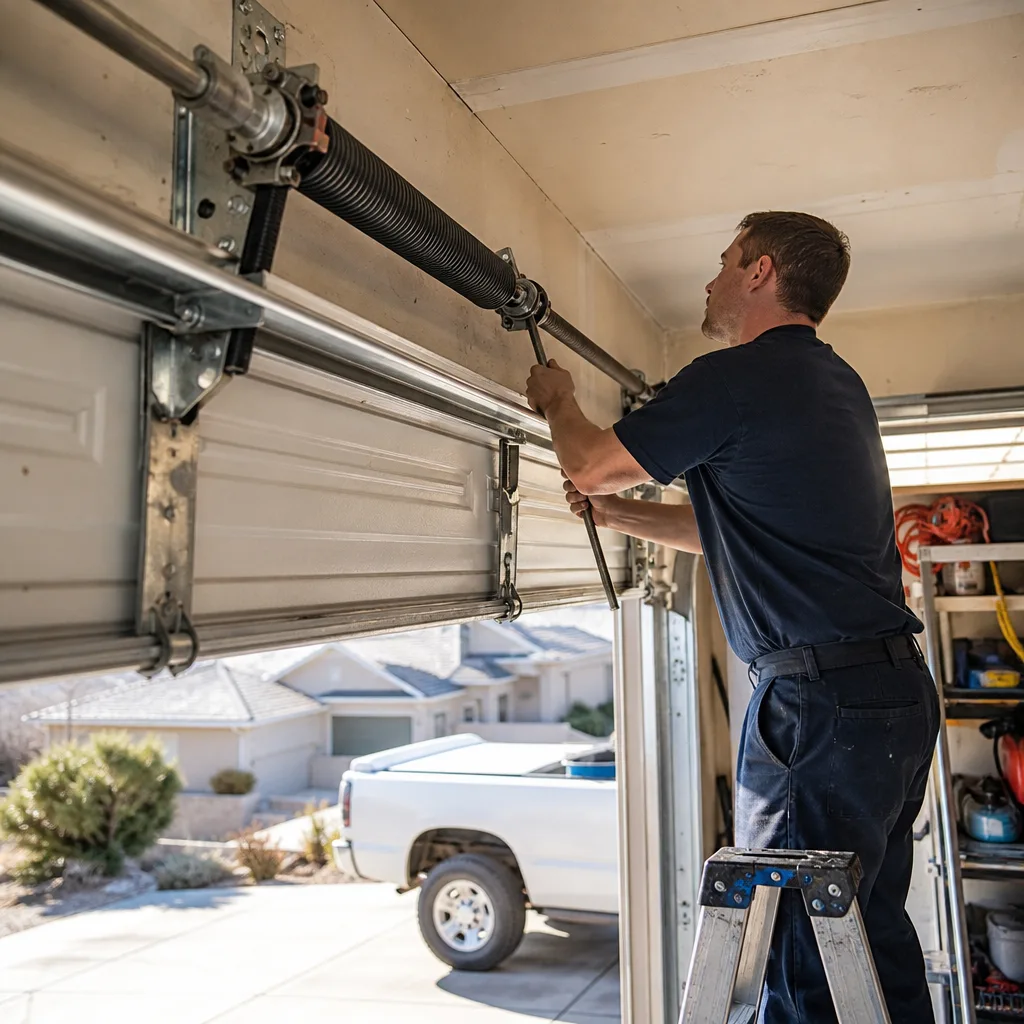
Here’s why torsion work is categorically different from any other repair around your house. When you replace a light switch, the danger is off until you flip the breaker. When you work on a torsion spring, the danger is already loaded and waiting. The spring is wound tight around a steel shaft above the door, and it’s holding enough stored torque to lift a 200-pound door every time you hit the button.
That stored torque is the whole point. The spring is a coiled battery. It releases a controlled amount of twist into the cables each time the door moves. To replace it, you have to unwind all that stored energy first, using steel winding bars inserted into the collar, then re-wind the new spring to the correct number of turns. Get the count wrong and the door won’t balance. Slip a bar while the spring is loaded and it can throw you or break bone.
Experienced techs wear out their fear response on purpose. They hold the bars with both hands, stand clear of the spring’s line of fire, and count turns out loud. Even on a routine spring swap, we treat it like the loaded tool it is. That’s why this is the one repair a homeowner should never attempt, no matter how many videos they’ve watched.
We also count spring cycles the way you count tire miles. Torsion springs are rated for a set number of cycles, and a door opened four times a day burns through them faster than one opened twice. When we quote a spring replacement, we can tell you roughly what’s left on yours.
How to Tell Which Spring System You Have
Before you decide anything, look at your door with the opener disconnected and the door all the way down. The spring location tells you the type.
- Look up. If you see one or two springs mounted on a horizontal steel shaft directly above the door opening, running parallel to the header, you have torsion springs. Stop. This is not a DIY system.
- Look along the track. If the springs stretch along the horizontal tracks above the door, one per side, you have extension springs. These are safer to work around for roller and seal swaps, still not for spring replacement.
- Count the springs. A torsion system with two springs on a double door is common. Note it, but don’t touch the winding collars.
- Check the color band. Torsion springs carry a painted stripe that encodes the wire gauge and inside diameter. That’s how a pro matches a replacement without guessing.
Mesquite has a mix of both systems across neighborhoods like Sun City and the older blocks around Pioneer Boulevard, and we’ve seen plenty of doors on newer builds near the Wolf Creek golf side with two-spring torsion setups. If you’re not sure which you’re looking at, send us a photo. We’ll tell you over the phone, no charge.
The Hidden Cost of a Half-Done DIY Repair
The thing nobody tells you about a failed DIY repair is that it usually costs more than skipping the DIY altogether. When a homeowner starts a fix and stops halfway, we don’t just finish the job. We first have to undo their work carefully, check for damage they may not have noticed, and then do the repair properly. That adds time, and time shows up on the invoice.
Common examples we’ve seen in Mesquite: a homeowner re-winds a torsion spring to the wrong number of turns and the door slams down, bending the bottom section and snapping a cable. Or a roller swap on a torsion door that goes sideways because the tension wasn’t released, gouging the track. The repair starts at a roller, then becomes a roller, a cable, a bottom section, and a realignment. What would have been a $200 ticket becomes a $600 one.
Then there’s the risk that isn’t a repair cost at all: a spring that lets go while somebody is standing under it. That’s the calculation we want you to run before you pick up a wrench. The savings on a DIY spring job is real money only if nothing goes wrong. When something does, the bill is bigger and sometimes the injury is permanent.
If you’ve already started and stopped, call us. We’ll walk you through what needs to happen next and give you a straight price before anyone rolls up. Estimates are free, and we’d rather have the honest conversation than send somebody out blind.
Lubrication, Adjustment, and the Line You Shouldn’t Cross
Between the safe stuff and the torsion work there’s a middle zone where homeowners get themselves into trouble because the job looks small. Here’s how we think about it, and where the line actually sits.
Safe in the middle zone, with the door down and the opener disconnected:
- Adjusting the door’s down limit on the opener so it seats flush without squashing the seal. That’s a setting on the opener unit, not on the door.
- Tightening loose hinge bolts on the panels. Hand-tight, not power-tool tight, or you’ll crack the panel.
- Cleaning and lightly lubricating the track, rollers, hinges, and torsion shaft bearings. Lubricant, not grease, and not on the cables.
Not safe, no matter how confident you feel after a video:
- Replacing or re-winding a torsion spring
- Replacing cables or the cable drums
- Cutting turns off an extension spring
- Straightening a bent track with the door’s weight still on it
The middle zone is where most garage door injuries in our experience actually happen, because people think a “small adjustment” is harmless. It’s not small if it touches the tension. A door is 200 pounds riding on two springs. Respect it. That single rule keeps homeowners out of trouble.
Three Questions to Verify a Technician Is Actually Licensed in Nevada
You should be able to ask any garage door company three plain questions and get straight answers. We put ours on paper and will happily run through them with you before you book anything. Here’s what to ask.
- “What’s your Nevada license number, and where can I look it up?” A real, verifiable number should be given to you on the phone, on the estimate, and on the invoice. If the answer is “the office handles that” or the number changes between calls, that’s a red flag.
- “Who is physically showing up, and is that person background-checked and licensed for this work?” A company that sends a different subcontractor every time isn’t the same as a shop whose crew is on the payroll. You want a name attached to the credential.
- “Where is your physical address, and who do I call if the work isn’t right?” Ask for the address and the name that backs the 90-Day Done Right Promise. A published address you can verify and a live person who answers the phone around the clock tell you whether the company has skin in the game.
We encourage every Mesquite homeowner to ask these before any repair. A shop that won’t answer them has told you something. When you’re ready to compare, our garage door repair in Mesquite page spells out exactly how we quote and what the guarantee covers.
What Mesquite Homeowners Should Know About Our Climate and Doors
Mesquite’s desert air is hard on garage doors in ways that surprise folks moving here from wetter climates. The heat in summer bakes the rubber weather seal until it hardens and cracks, so seal replacement is one of the most common jobs we do in the county. The dry air is also rough on wood-look doors, so if you have a Clopay or Amarr steel door with a woodgrain finish, keep an eye on the paint film. Sun fade and cracking panels on south-facing doors are routine here.
The dry climate does give one gift: rust on rollers and hinges is far less of a problem than in coastal states. That’s why a light lubrication schedule holds up so well. But the abrasive desert dust finds its way into rollers and tracks, so a yearly cleaning and re-oil does more here than it does almost anywhere else.
We’ve also seen plenty of doors on homes in Sun City and along the older streets around Mesquite Boulevard where a 15- or 20-year-old opener is still pushing a door it was installed with. If the opener is straining, the problem is almost never the opener. It’s usually a failing spring, and putting a new opener on a tired door just wears the new one out faster. If you’re weighing that call, our garage door opener repair & installation in Mesquite page walks through it, and the full guide to garage door installation in Mesquite covers what to expect when it’s time to replace the whole door.
Common Mistakes to Avoid
- Assuming a “small” adjustment near the torsion shaft is safe. The spring is loaded whether the door is open or closed. A little tweak near it is not little.
- Cutting coils off an extension spring to “tighten” the door. You’re changing the balance the system was built around, and the door can still crash down. Never do it.
- Hiring a company that quotes one price on the phone and a higher one at the door. Upfront pricing should not change between the call and the driveway. Ours doesn’t.
- Ignoring a straining opener. If it’s working hard to lift the door, the spring is failing, not the opener. Replace the opener and you’ll just wear out the new one.
- Skipping the weather seal in the desert. A cracked seal lets in dust and heat, and it’s the cheapest fix on this page. Replace it before summer.
- Believing “experienced” is the same as “licensed.” In Nevada, ask for the license number and where to verify it. Every reputable shop will give it to you.
- Trying a $0 DIY fix from a video on a 200-pound door. If the fix involves the tension, put the phone down and call a pro.
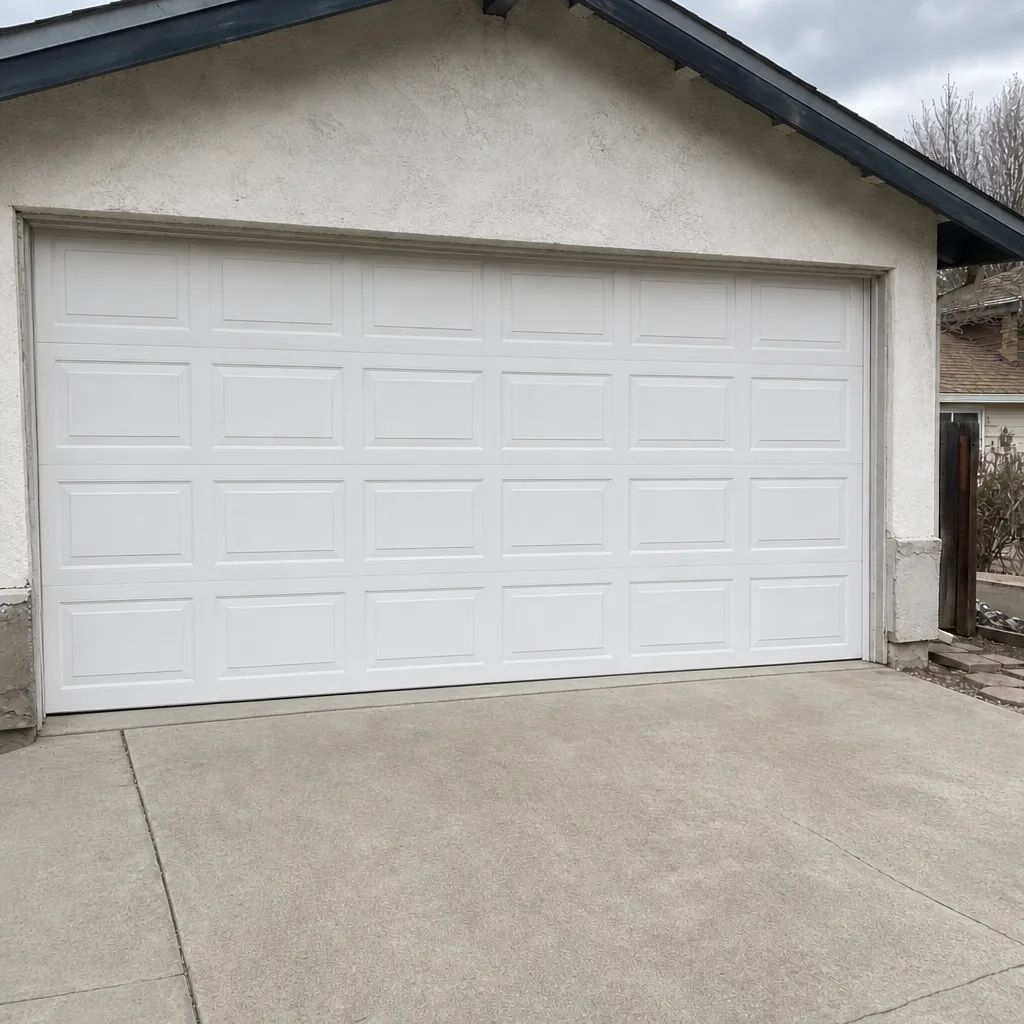
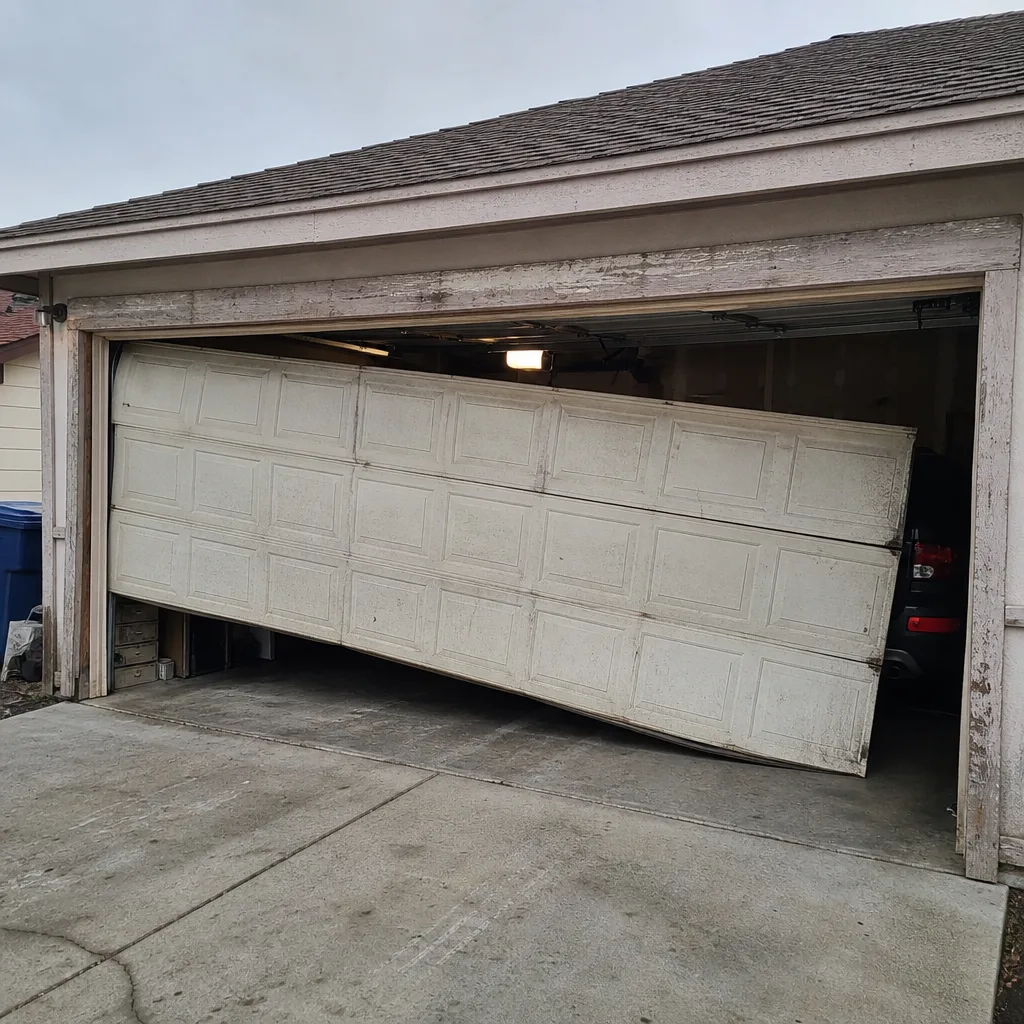
See the difference
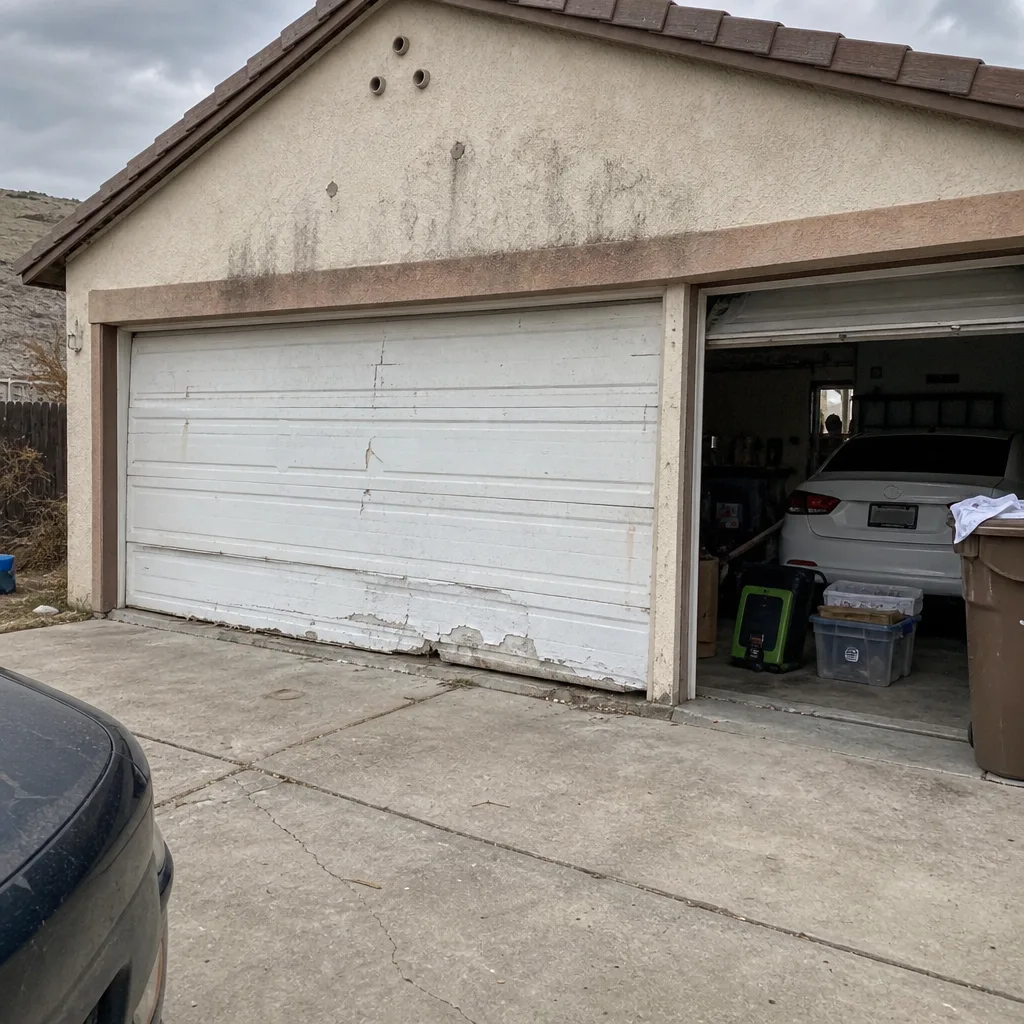 Before
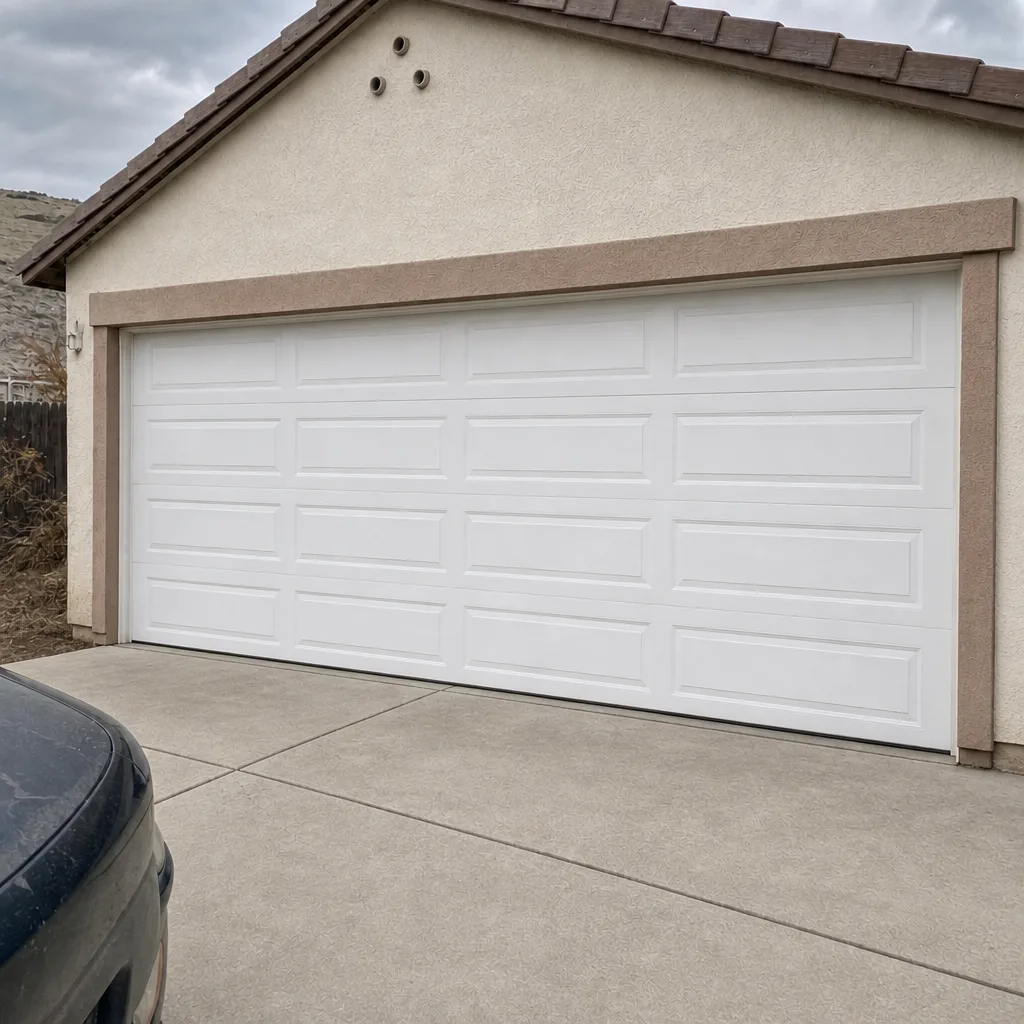 After
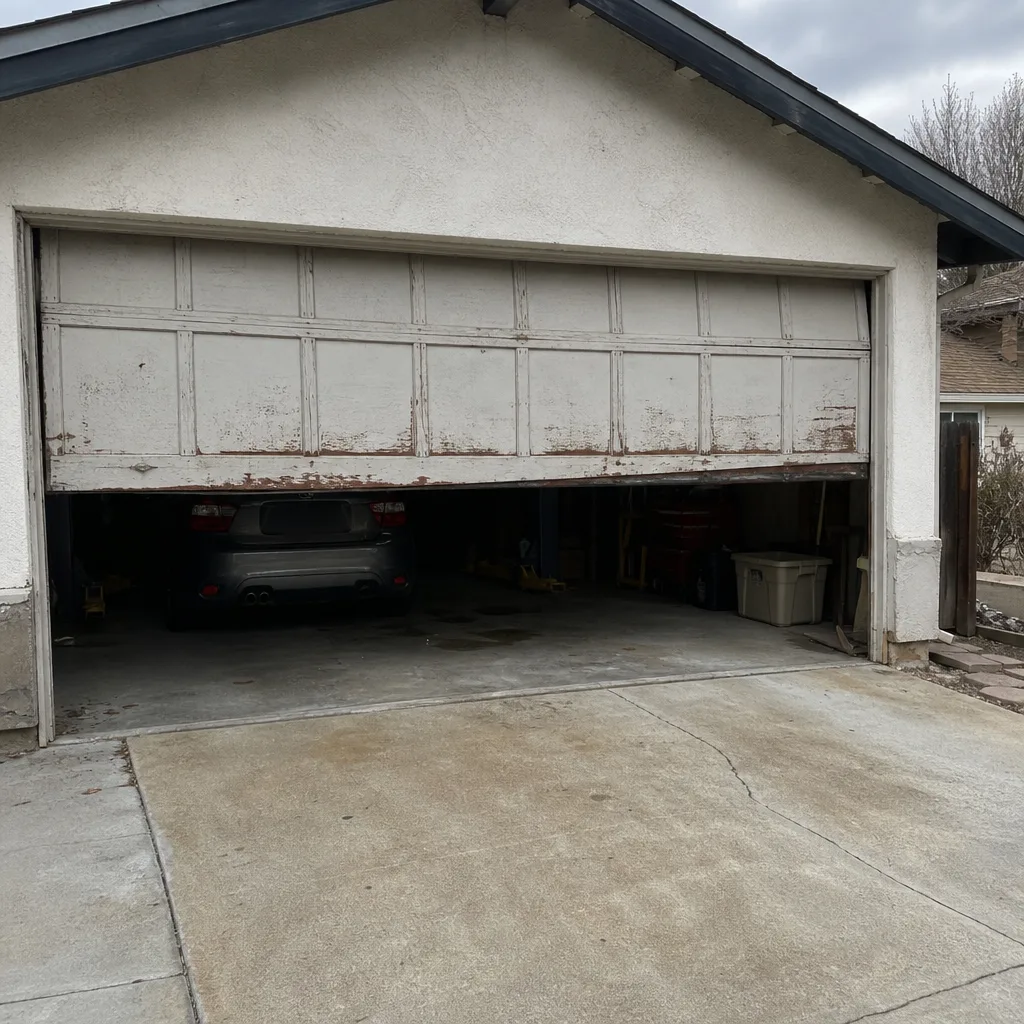 Before
 After
 Before
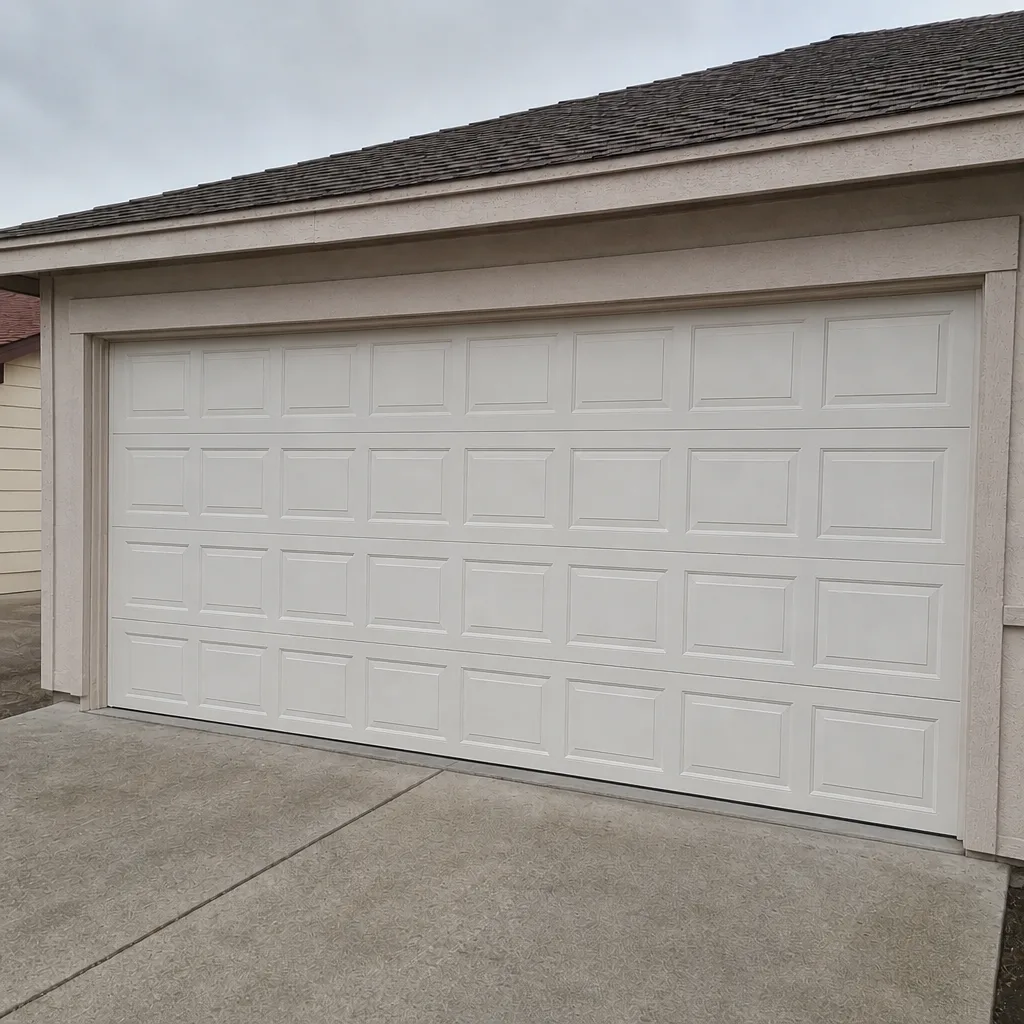 After
When to Call a Professional
Call us the moment the repair touches a spring, a cable, a drum, or the door’s balance. If the door is crooked in the opening, won’t stay up on its own when you lift it halfway, won’t close flush, or one side is higher than the other, that’s a counterbalance problem and not a DIY job. Popping sounds from above the door mean a spring is about to let go. Don’t wait for it to break while you’re under it.
Otto’s Garage Door Mesquite offers free estimates in Mesquite and quotes the number on the call, then holds it at the door. Call (844) 320-6569 any time, and a live person answers.
Frequently Asked Questions
It depends entirely on whether the repair touches the spring system. Sensor alignment, remote reprogramming, weather seals, and roller swaps on extension-spring doors are safe for a careful homeowner. Torsion springs, cables, and drums are not safe to DIY, because the stored torque can seriously injure you. Call (844) 320-6569 for a free estimate if you’re not sure which side of the line your repair falls on.
No. Torsion spring replacement requires unwinding and re-winding stored torque with steel winding bars, and a slip can break a wrist or worse. Extension spring replacement is also not a homeowner job. That’s the one repair where the savings almost never outweigh the risk. Call (844) 320-6569 and we’ll quote the spring replacement before anyone comes out.
Repair costs in Mesquite generally run from about $95 to $175 for a sensor alignment or a simple adjustment, $150 to $275 for a roller, cable, or seal job, and $225 to $450 for a spring or pair of springs, depending on the door. The price we quote on the phone is the price you pay at the door, agreed before any work starts. Call (844) 320-6569 for an exact quote – estimates are free.
No. Our upfront pricing is quoted before the visit and doesn’t get revised upward at the door. If we find something else wrong, we’ll show you and price it separately before touching it. You decide, not us. In our experience, the surprise invoice is the number one thing homeowners come to us trying to escape. Call (844) 320-6569 and we’ll hold the number we quote.
Yes. Our technicians are background-checked and licensed for the work, and our license number and physical address are there for any homeowner to verify before the technician arrives. We won’t ask you to take “experienced” on faith. Call (844) 320-6569 and we’ll walk you through the credentials.
Often, yes. A live person answers around the clock, and we do same-day and emergency repair across Mesquite, including nine at night when a spring lets go and your car is sealed inside. Call (844) 320-6569 and we’ll tell you straight whether it’s a same-day fix or a scheduled job.
The Bottom Line
The word “DIY” gets thrown around a lot in garage door repair, and most of it is bad advice. The line isn’t cost. It’s physics. Sensor alignment, remote codes, weather seals, and roller swaps on extension-spring doors are yours to handle, and we’ll help you over the phone. Torsion springs, cables, and counterbalance work belong to a trained pro, every time. Mesquite’s heat makes the seals and the balancing worse than most places, so stay ahead of the small stuff and call when anything touches the tension. Upfront pricing, a written 90-Day Done Right Promise, and a name you can verify are why homeowners here keep calling back.
Ready for a free, no-pressure look? Call (844) 320-6569 and a live person will pick up, quote the job, and hold the number when we arrive. New doors start the same way, and you can see what we offer on our Otto’s Garage Door Mesquite home page. We serve the whole county, and second opinions on any written estimate are always free.
Written by the team at Otto’s Garage Door Mesquite.