
Last updated November 17, 2026
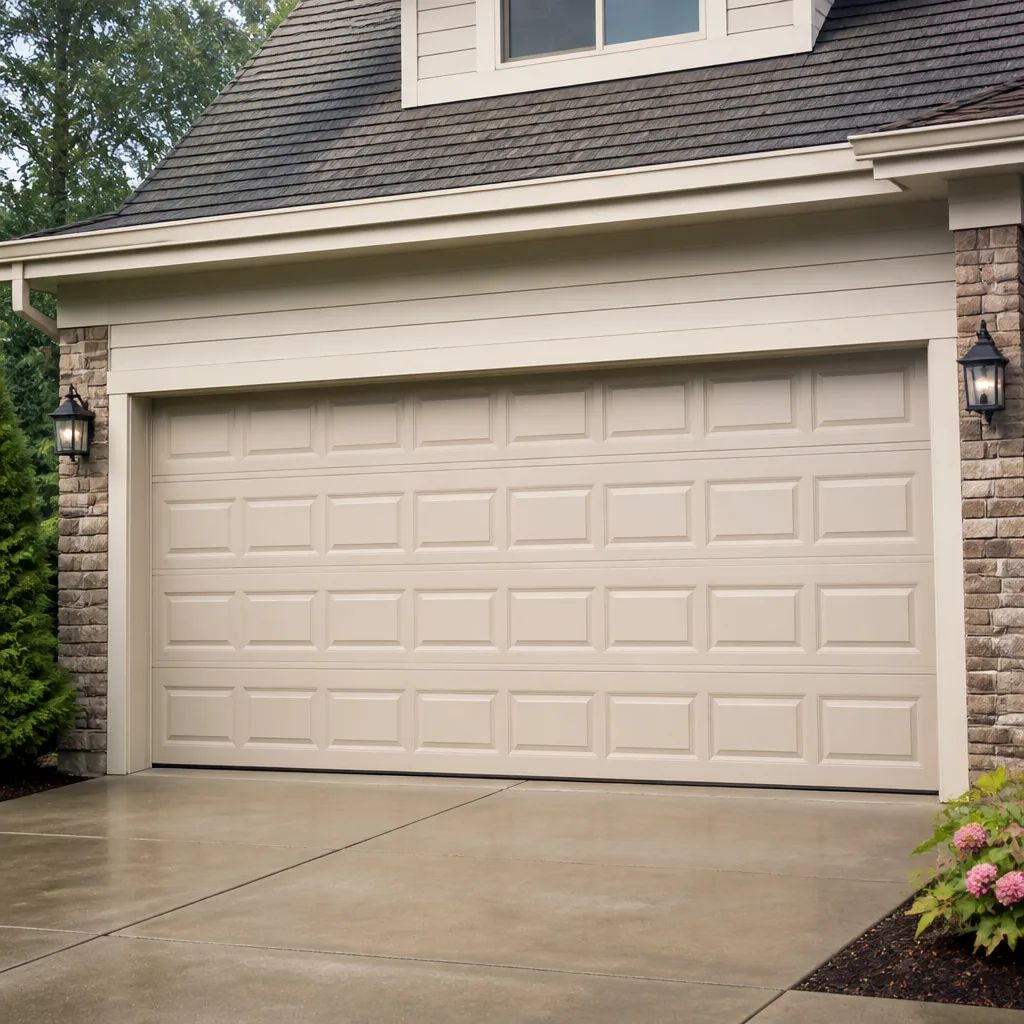 Raised-panel steel
 Carriage house
 Modern flush
 Full-view glass
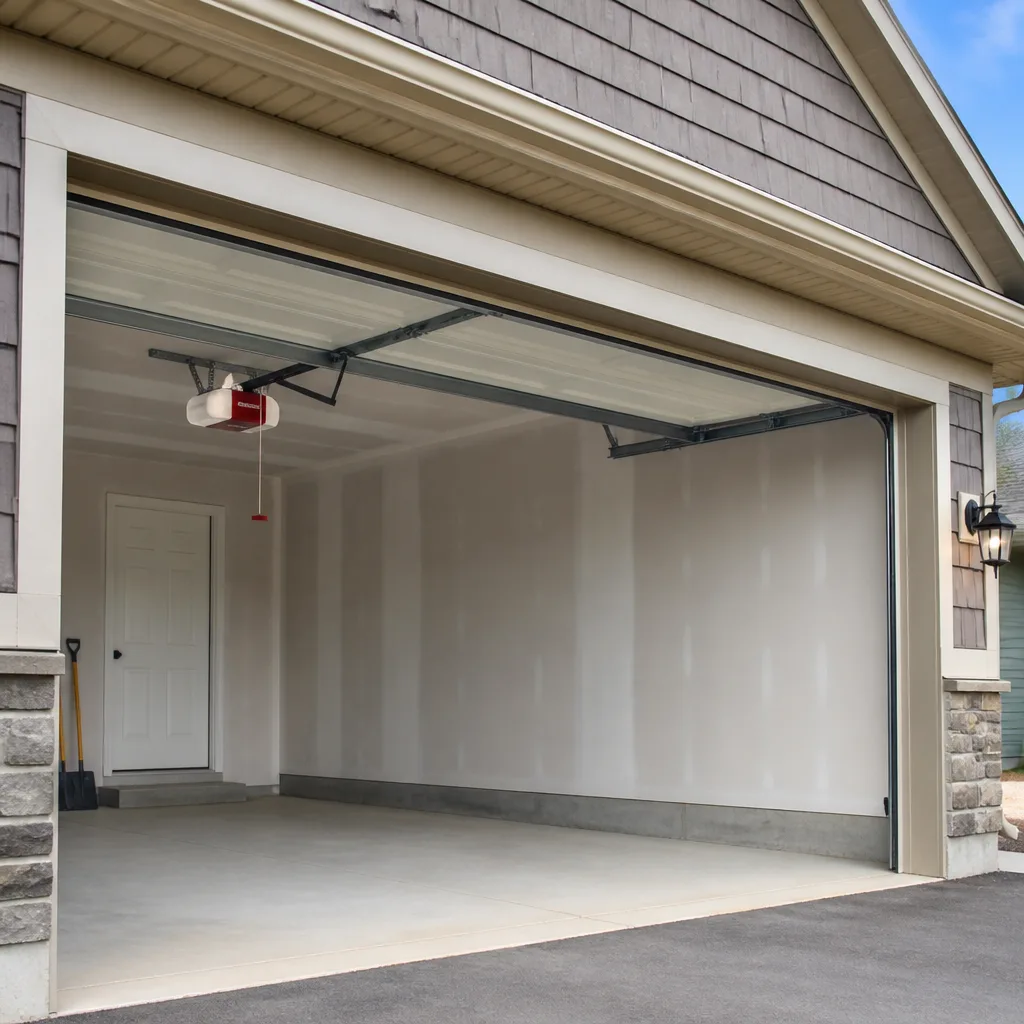 LiftMaster openers
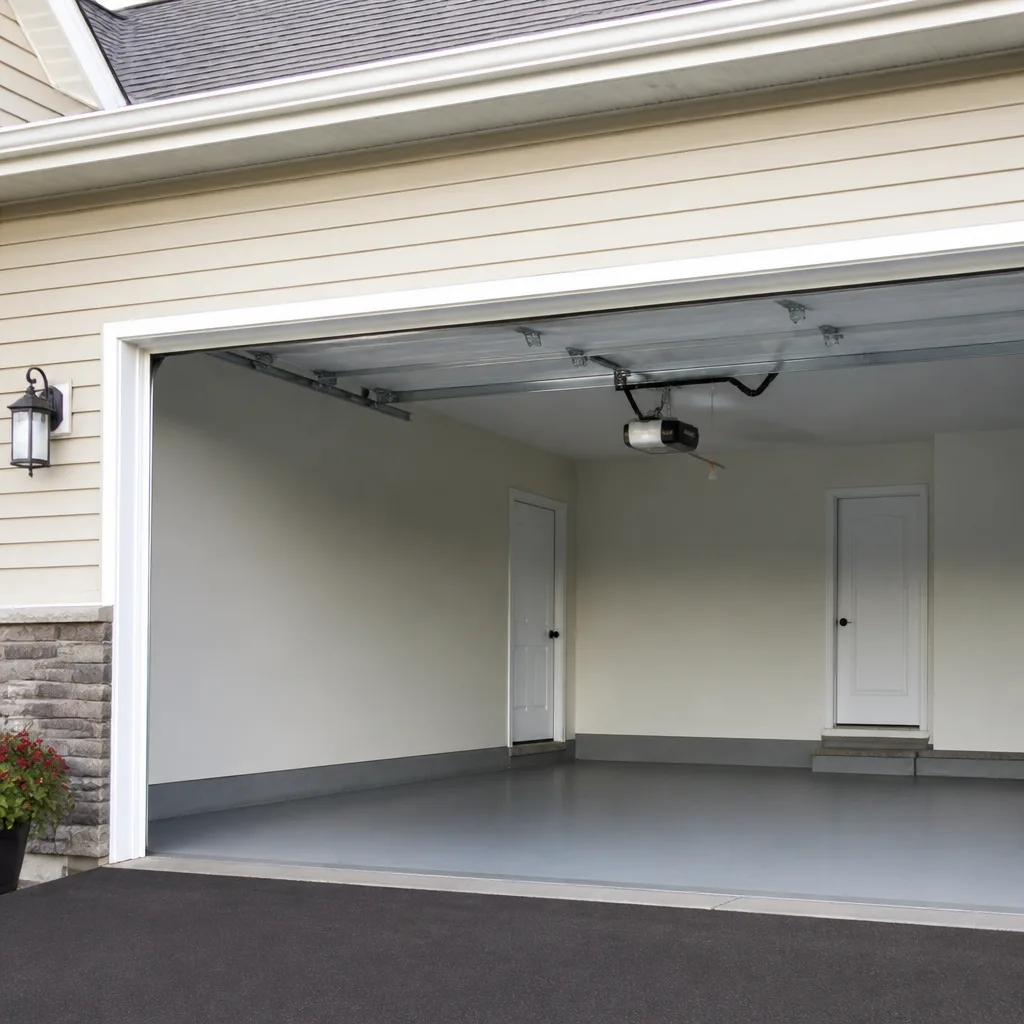 Chamberlain openers
Full 25-point door and opener safety check with every visit - springs, cables, rollers, tracks, and your LiftMaster or Chamberlain opener included
You get a price before we start. It does not change when the pro arrives.
Get your free estimateDIY vs Professional Garage Door: The Mesquite Homeowner’s Decision Guide
A torsion spring stores roughly 100 foot-pounds of torque. Otto has seen what happens when someone adjusts one without the right tools. He’d rather you read this first.
Here’s the part most guides won’t tell you: some garage door work is genuinely fine for a homeowner to do on a Saturday morning. Lubricating rollers, reprogramming a remote, swapping weatherstrip. Simple, safe, worth doing yourself. But a short list of jobs has put people in the hospital, and that list is specific, not a blanket “hire a pro for everything” disclaimer. This guide draws the line for Mesquite homeowners, covering what you can safely handle, what you shouldn’t touch, what a botched repair actually costs, and how to judge your own skill level honestly before you pick up a wrench.
Quick Answer
Most garage door maintenance, like lubrication, weatherstrip replacement, sensor cleaning, and remote reprogramming, is safe for a handy homeowner to do. Spring work, cable replacement, and opener electrical work are not; these involve stored tension and a real risk of serious injury, so they belong with a trained professional. Everything in between comes down to your tools, your physical ability, and whether the job puts you under metal under load.
Styles & brands we work with
- Raised-panel steel
- Carriage house
- Modern flush
- Full-view glass
- LiftMaster openers
- Chamberlain openers
Table of Contents
- Where the Line Actually Sits
- Genuinely Safe DIY Tasks (With Notes)
- Jobs That Are Not Safe to DIY, Ever
- The Hidden Cost of a Botched DIY Repair in Mesquite
- How to Judge Your Own Skill Level Honestly
- Otto’s Rule of Thumb
- Mesquite Climate and Your Door
- Common Mistakes to Avoid
- When to Call a Professional
- Frequently Asked Questions
Where the Line Actually Sits
The line between safe and dangerous garage door work isn’t about how confident you feel or how good the YouTube tutorial looks. It’s about stored energy. A standard residential door is a 200-pound panel riding on two springs. Those springs are wound to counterbalance that weight, and when they’re under tension they hold a load that will release whether you’re ready or not.
In our experience, the jobs that go wrong for Mesquite homeowners fall into two buckets: work that requires releasing stored tension, and work that puts your hands above your head near metal under load. Nearly every serious injury we’ve seen or heard about involved one of those two conditions.
Here’s the distinction that matters. Maintenance tasks (lubrication, cleaning, adjusting sensors) don’t touch the tension system. You’re working on the door’s moving surfaces, not the energy that moves it. Repair tasks on springs and cables do touch it directly. And opener electrical work is its own category, because 120-volt wiring is dangerous in a way that’s easy to underestimate.
This guide isn’t a liability shield. It’s a map. Some of these jobs you can do this afternoon. Others you shouldn’t do at all, and the reason isn’t paperwork. It’s physics.
Genuinely Safe DIY Tasks (With Notes)
These five tasks are reasonable for a homeowner with basic tools and no fear of a stepladder. None of them require you to release stored tension, and none put you near high-voltage wiring. If you can change a car tire or hang a shelf, you can handle these.
- Lubrication. Use a silicone-based or lithium grease spray on the hinges, rollers, and the torsion bar bearings (not the springs themselves). Wipe the old grit off first. Do this every few months in Mesquite’s dusty climate, where grit builds up faster than in wetter places. A dry, squeaky door is asking for premature wear.
- Weatherstrip replacement. The rubber seal along the bottom of the door wears out from sun and heat. Cut a new length to size, slide it into the bottom retainer channel, and trim the ends. Ten-minute job, under $30 in materials, and it keeps dust and summer heat out of the garage.
- Minor track realignment. If a track is visibly bent a little out of line, you can often nudge it back with a rubber mallet and a wrench. Don’t force anything, and if the track is badly out of square or the door won’t move smoothly, stop and get it looked at.
- Sensor cleaning. The two small photo-eye sensors near the floor get dusty, which trips the safety reverse. Wipe the lenses with a soft cloth and make sure nothing is blocking the beam. If the door still won’t close, the sensors may be misaligned or the problem is elsewhere.
- Remote reprogramming. Replacing a remote or resetting one is a matter of pressing the learn button on the opener and following the manual for your brand. Genie, LiftMaster, and Chamberlain all have straightforward pairing steps. Nothing here is dangerous.
You’ll notice none of these involve the springs, cables, or opener wiring. That’s not an accident. If you want the full picture on repairs that fall outside this list, our page on Garage Door Repair in Mesquite lays out what a proper service call covers.
Jobs That Are Not Safe to DIY, Ever
We won’t hand you step-by-step instructions for these, and no honest guide should. Here’s the danger with each, so you understand why the line is where it is.
- Torsion spring work. The spring is wound to hundreds of foot-pounds of torque. The winding bars need to be the right size and seated correctly, and if one slips out under load, the bar or the spring can strike you at speed. This is the single most dangerous job on a garage door. It has caused serious hand, arm, and head injuries, and it’s killed people. There is no version of this that’s safe without proper training and tools.
- Cable replacement. Cables are under the same tension as the springs, and they can snap without warning. A cable that fails while you’re handling it whips out with enough force to break bones. Cables also have to be routed and tensioned correctly, and a bad installation can drop the door.
- Opener wiring. Standard openers run on 120-volt household current. Working inside the opener housing, replacing a capacitor, or chasing a wiring fault means working near live voltage. It’s not worth the risk for a homeowner without electrical training, and it’s genuinely dangerous even for someone who’s handy.
In our experience, the homes we get called to in Mesquite where someone tried a spring repair themselves tend to share one thing: they read enough to feel confident and not enough to understand the load. A door is 200 pounds riding on two springs. Respect it. The Garage Door Opener Repair & Installation in Mesquite page covers what proper opener service looks like when something inside the unit fails.
The Hidden Cost of a Botched DIY Repair in Mesquite
Here’s what people don’t budget for. A DIY repair that goes wrong doesn’t cost you what the job would have cost. It costs you that plus the repair of your repair, and the second call usually runs higher than the first would have.
Why? Two reasons. First, labor. When someone has already been inside the door and left things partially disassembled or bent, getting it back to a workable state adds time. Second, parts. A failed DIY fix often damages the part next to it: a bent track, a stripped hinge, a spring that’s been wound wrong and now has a damaged cone. So the second visit is fixing two things, not one.
In the Mesquite market, spring replacement typically runs in the low-to-mid hundreds installed. If a homeowner tries it, the spring slips, and it takes out a track or a panel on the way down, the bill climbs fast. Panels alone can push a job well past what a straight professional service call would have cost. The math only works for DIY when the DIY actually works.
There’s also the timeline cost. Salt-and-pepper mesquite dust and desert grit get into anything you leave open, and a door left in pieces in a garage during a Mesquite summer is a door that’s baking in 110-degree heat along with everything inside.
One more thing worth naming: a failed DIY repair is often invisible to a homeowner. The door closes, so it must be fine. But a cable that’s slightly off its drum or a spring that’s overwound will fail later, usually at the worst moment. The hidden cost is the failure you don’t see coming.
How to Judge Your Own Skill Level Honestly
Before you start any garage door job, run through these questions. They’re not meant to talk you out of it. They’re meant to give you a straight read on whether this is a good idea.
- Do you have the actual tools, not a version of them? Spring work requires proper winding bars, not screwdrivers. Cable work requires the right crimpers. If you’re improvising the tool, you’re improvising the safety margin too.
- Can you lift and hold a 200-pound door safely? Some jobs require you to hold the door in position while you work. If your back, shoulders, or grip won’t do that reliably, the job isn’t for you regardless of skill.
- Are you comfortable working above your head with metal under load? This one is about more than strength. It’s about whether you can keep steady hands and clear judgment when something heavy is right above you.
- Have you done this exact job before? “I’ve fixed other things” isn’t the same as having done this job. Garage doors are a specific system with specific failure modes.
- What happens to your household if this job takes all weekend or goes wrong? If the door is your only way in and out and your car is inside, a stalled DIY job means your vehicle is sealed in.
- Are you doing this to save money or because you’re confident it’s safe? If it’s the money, look at the hidden-cost section above. If it’s genuine confidence and the job is on the safe list, go for it.
Be honest with yourself on these. Not because a pro is watching. Because the failure mode on a garage door is not a leaky faucet. It’s a heavy door coming down or a loaded spring letting go.
Otto’s Rule of Thumb
If you remember nothing else from this guide, remember this. If the fix requires releasing stored tension, or working above your head with metal under load, call a pro. Not because of liability. Because the physics are unforgiving.
Store tension and overhead loaded metal are the two conditions that turn a routine repair into an injury. Everything on the safe list in this guide avoids both. Everything on the unsafe list involves one or both. That’s the whole test. You don’t need to know the technical name for every part to apply it.
In our experience, the homeowners who get themselves in trouble are the ones who skipped this question and went straight to the tutorial. This county has plenty of capable, handy people who can do most of their own home repairs. Garage door springs are a different category of thing.
Mesquite Climate and Your Door
Mesquite is hard on garage doors in ways that most garage door guides don’t mention. The dry desert air, the summer heat, and the fine grit that blows through the valley all work on a door’s moving parts. That affects both which DIY tasks are worth doing and when to call someone.
- Heat and sun break down the bottom weatherstrip faster here than in cooler places. Replacing it yearly keeps dust and heat out and saves your door’s bottom edge.
- Dry air dries out the rollers and bearings. A lubrication routine matters more in Mesquite than it would in a humid climate.
- Grit gets into the track and collects in the rollers. Wiping the track down and re-lubricating is a genuinely useful monthly habit here.
- A garage door left partially disassembled during a Mesquite summer is exposed to extreme heat. If a job stalls, the door and everything inside it bake.
When it’s time for a new door rather than a repair, proper measurement and installation matter more here because of the heat cycling. That’s the kind of job that gets measured, ordered, and scheduled rather than handled same-day. Our page on Garage Door Installation in Mesquite covers what that process looks like with a brand like Amarr or Clopay.
Common Mistakes to Avoid
- Trusting a YouTube tutorial over the actual load. A video can make a spring adjustment look simple. The camera doesn’t show the stored energy, and the person filming knew what they were doing. Two sentences of confidence from someone else’s edit isn’t training.
- Improvising tools on spring or cable work. A screwdriver is not a winding bar. When the tool slips, the spring is still loaded. Use the right tool or don’t start.
- Leaving a door half-disassembled over a Mesquite summer. Grit, heat, and time all work against you. A stalled DIY job in July is worse than a scheduled professional call in June.
- Assuming the door is fine because it closes. A slightly misrouted cable or an overwound spring can pass the closes test and fail a week later. Visible ease of operation is not the same as correct operation.
- Buying cheap parts that fail early. Springs and cables have cycle ratings. A bargain part with no rating can fail in a fraction of the cycles a quality part would last, and a failed spring is a loaded spring that lets go.
- Chasing an opener fault into the wiring. If the opener is straining, the problem is almost never the opener. It’s usually the door or the springs, and the fix isn’t electrical.
- Extending a remote or sensor job into something bigger. Cleaning a sensor is fine. Rewiring the safety reverse circuit or moving a sensor mount into electrical territory is not. If the fix keeps growing, stop.
These are the ones we hear about most. A trained technician with the right tools turns most of them into a non-issue in a single visit. Our team’s technicians have up to 22 years of experience, and that experience is mostly about knowing where the line sits on each job.
When to Call a Professional
Call a pro when the job involves springs, cables, or opener wiring, and also when you’ve done the safe tasks and the door still isn’t right. A door that’s still binding after you lubricated and adjusted the track isn’t a lubrication problem. A door that reverses on its own after you cleaned the sensors may have a sensor or opener fault. A door that’s gotten noticeably harder to lift has a spring or balance problem, and that’s a loaded-tension job.
If you’re on the fence, that’s another reason to call. The homeowners around here who’ve been burned by a national outfit that quoted one price on the phone and billed another at the door tend to be careful about who they let in. Otto’s Garage Door Mesquite offers free estimates in Mesquite. Call (844) 320-6569 and a live person answers, quotes the job on that call, and holds the number when the truck arrives. We’re local, we’ve been in this county since 2004, and the price we quote is the price you pay. Start at our Otto’s Garage Door Mesquite home page, or call and ask for a free second opinion on any written estimate you’ve already got. No trip charge inside the home county, and a permanent 10% discount for seniors and veterans.
Frequently Asked Questions
Lubrication, weatherstrip replacement, minor track realignment, sensor cleaning, and remote reprogramming are all safe for a homeowner to handle. These jobs don’t involve releasing stored tension or touching electrical wiring, and none of them put you under metal under load. If you can change a tire, you can do these. Keep the door in one piece and you’re fine.
No. Spring replacement is the most dangerous job on a garage door and should be left to a trained technician. The spring stores hundreds of foot-pounds of torque, and a winding bar that slips under load can cause serious injury or death. The savings are not worth the risk, and no step-by-step instructions should be followed for this work. Call a pro for an exact quote.
Spring replacement in the Mesquite market typically runs in the low-to-mid hundreds installed, though the exact number depends on the door and the spring. What you can count on with us is that the price is quoted on the phone and agreed before any work starts, so it won’t change at the door. Call (844) 320-6569 for an exact quote; estimates are free.
Sometimes, and it’s because there’s more to fix, not because a pro is punishing you. A failed DIY fix often adds labor time and sometimes damages the part next to it. Even so, we quote the job and hold that number before we start, so you’ll know what you’re paying before we touch the door. Call for a free estimate based on what you’re dealing with.
Not necessarily. A door that closes can still have a misrouted cable or an overwound spring that fails later, usually without warning. Visible ease of operation is not the same as correct operation. If the door feels different than it used to, that’s worth an inspection. Call us for a free estimate and we’ll tell you straight what we see.
Yes. We’re locally owned and owner-operated, with a published address and license number you can verify before anyone shows up. Our technicians are background-checked and trained across all the major brands, including Genie, Clopay, and Amarr. Every job comes with our 90-Day Done Right Promise in writing. Call (844) 320-6569 with any questions.
The Bottom Line
Some garage door work belongs in your hands and some doesn’t, and the line is specific. If the fix requires releasing stored tension or working above your head with metal under load, that’s the call for a pro. Lubrication, weatherstrip, sensor cleaning, track nudges, and remote reprogramming are yours to handle. Get the safe tasks on a routine and the door will live longer. Get the unsafe ones right by hand them to someone who knows what they’re doing. The hidden cost of a botched DIY repair is almost always higher than a straight professional call would have been. In Mesquite, with the heat and the grit working on your door year-round, that math matters.
Ready to get a door that works the way it should? Call Otto’s Garage Door Mesquite at (844) 320-6569 for a free estimate. A live person answers around the clock, the price is agreed before work starts, and it doesn’t change at the door. Free second opinion on any written estimate, no trip charge inside the home county, and 10% off for seniors and veterans. The name on the van is the name on the invoice.
Written by the team at Otto’s Garage Door Mesquite.
See the difference
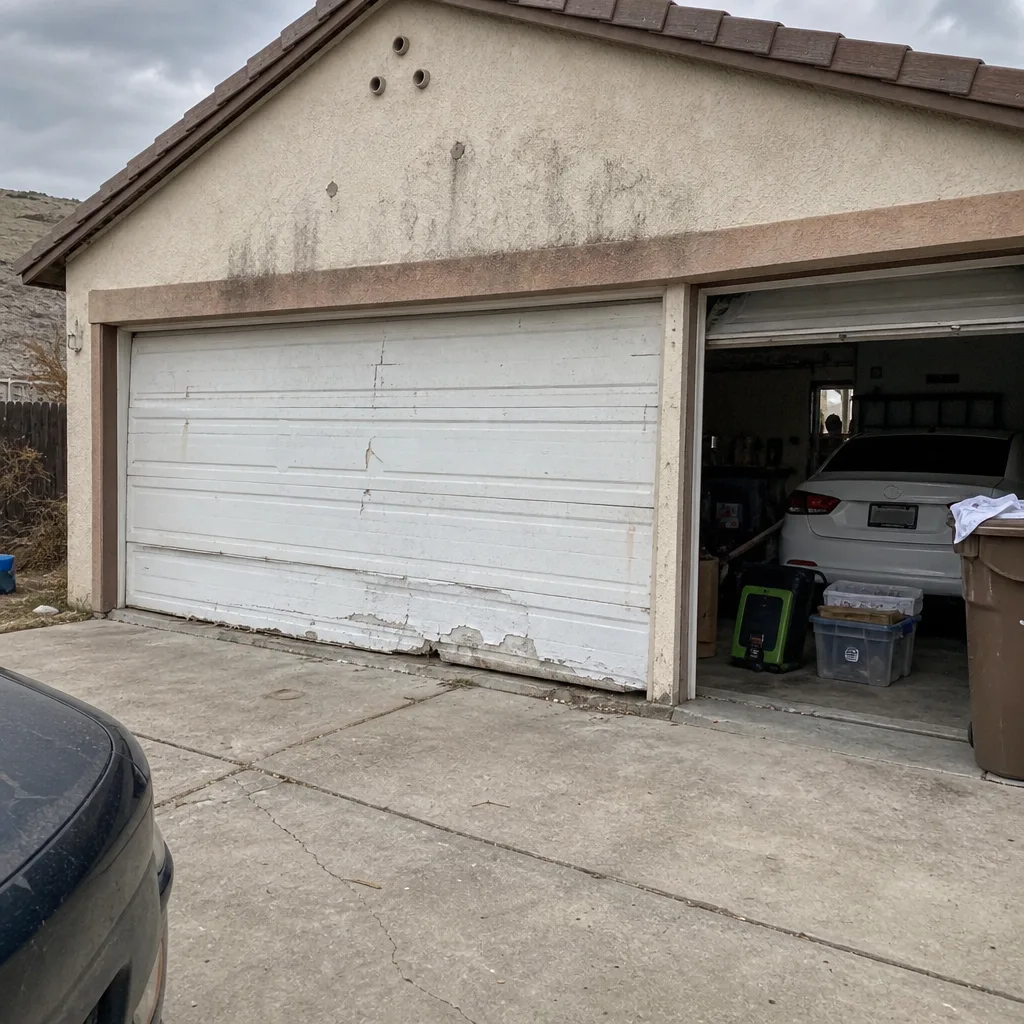 Before
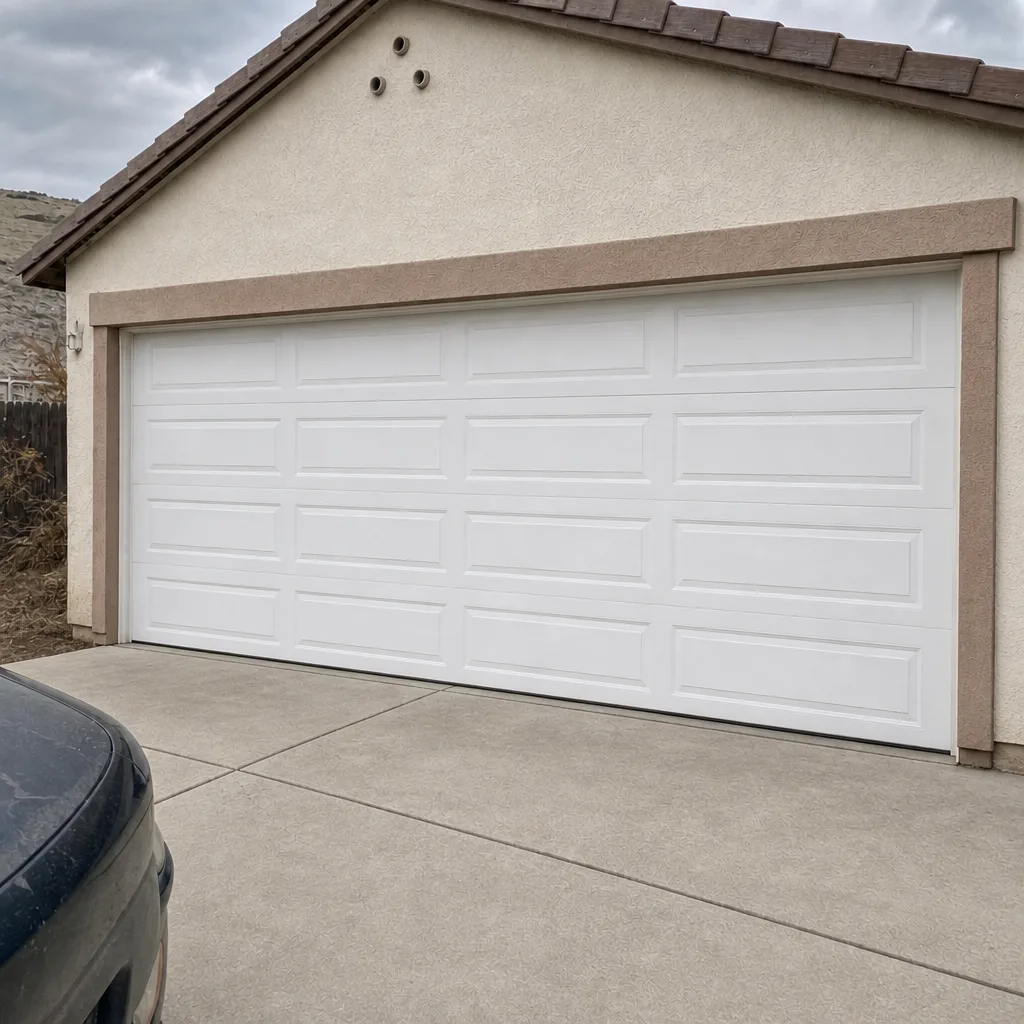 After
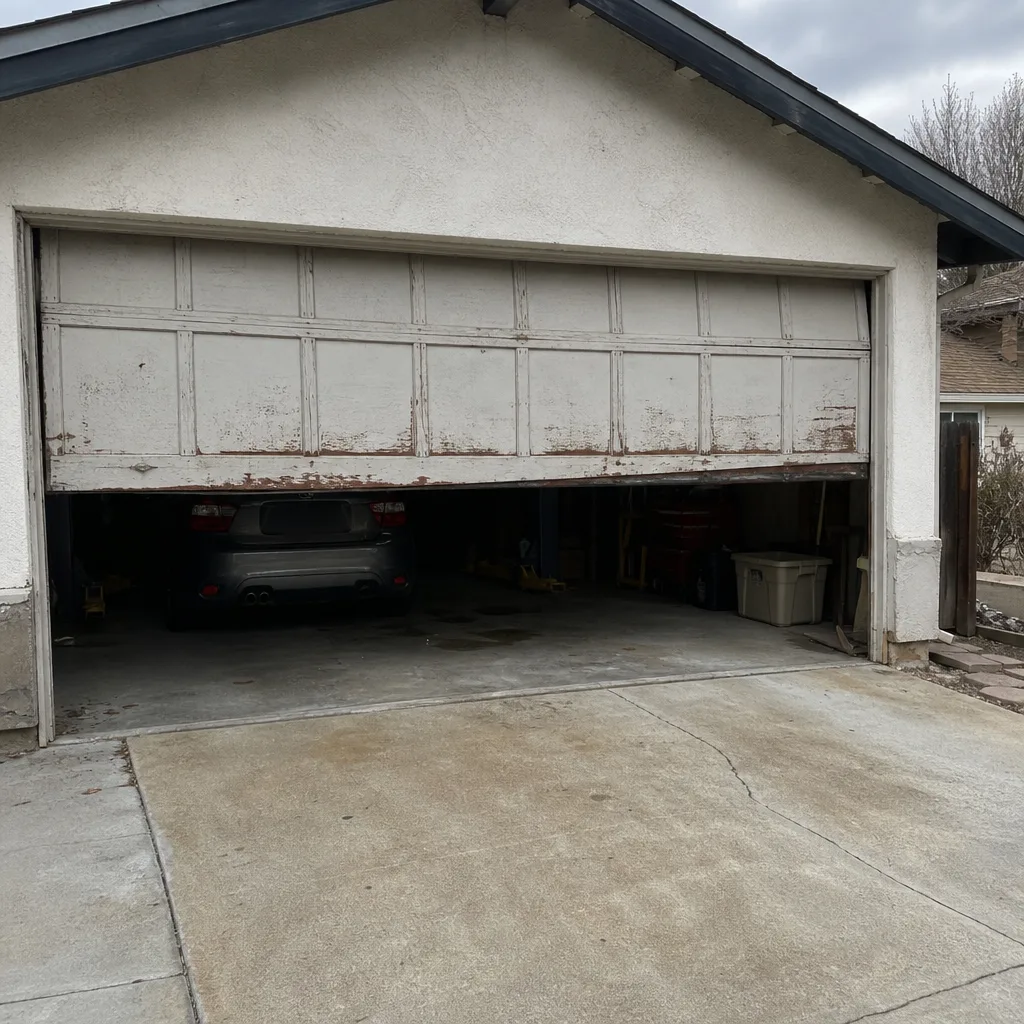 Before
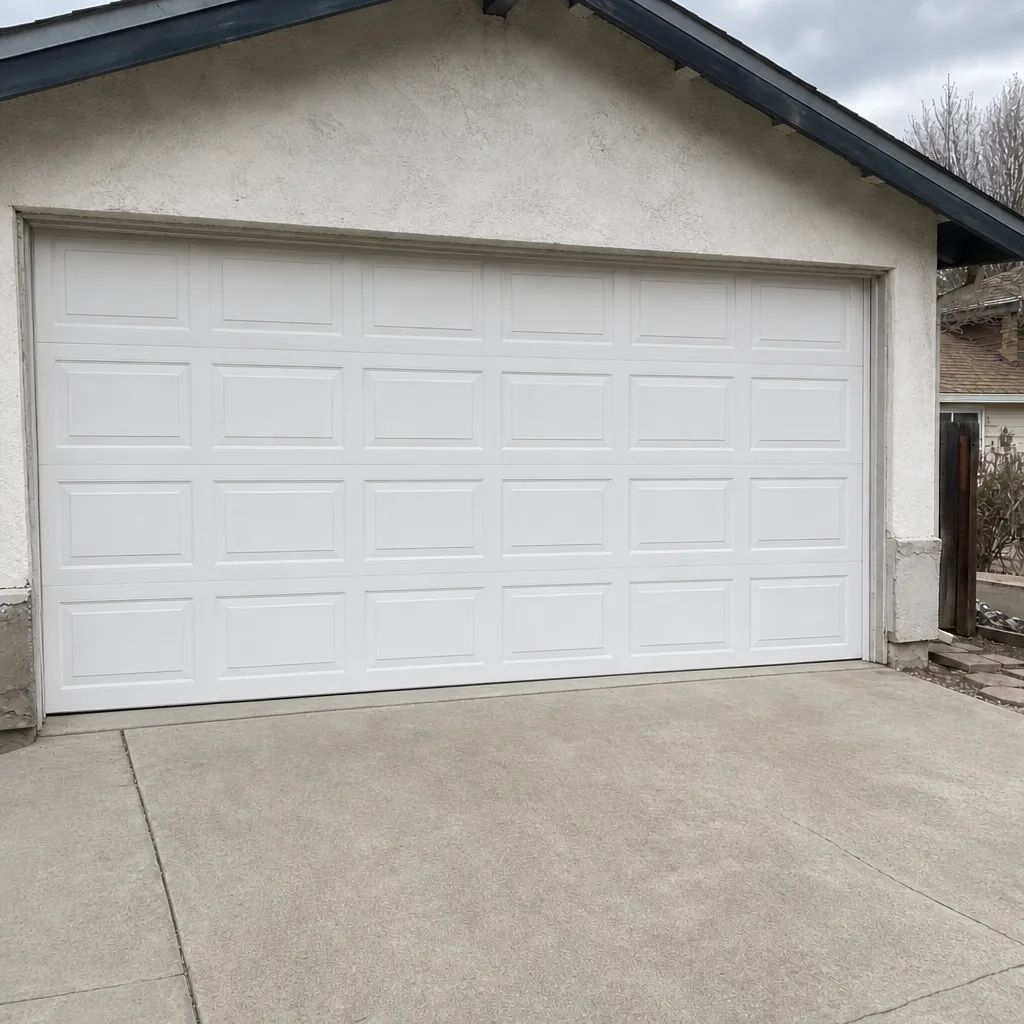 After
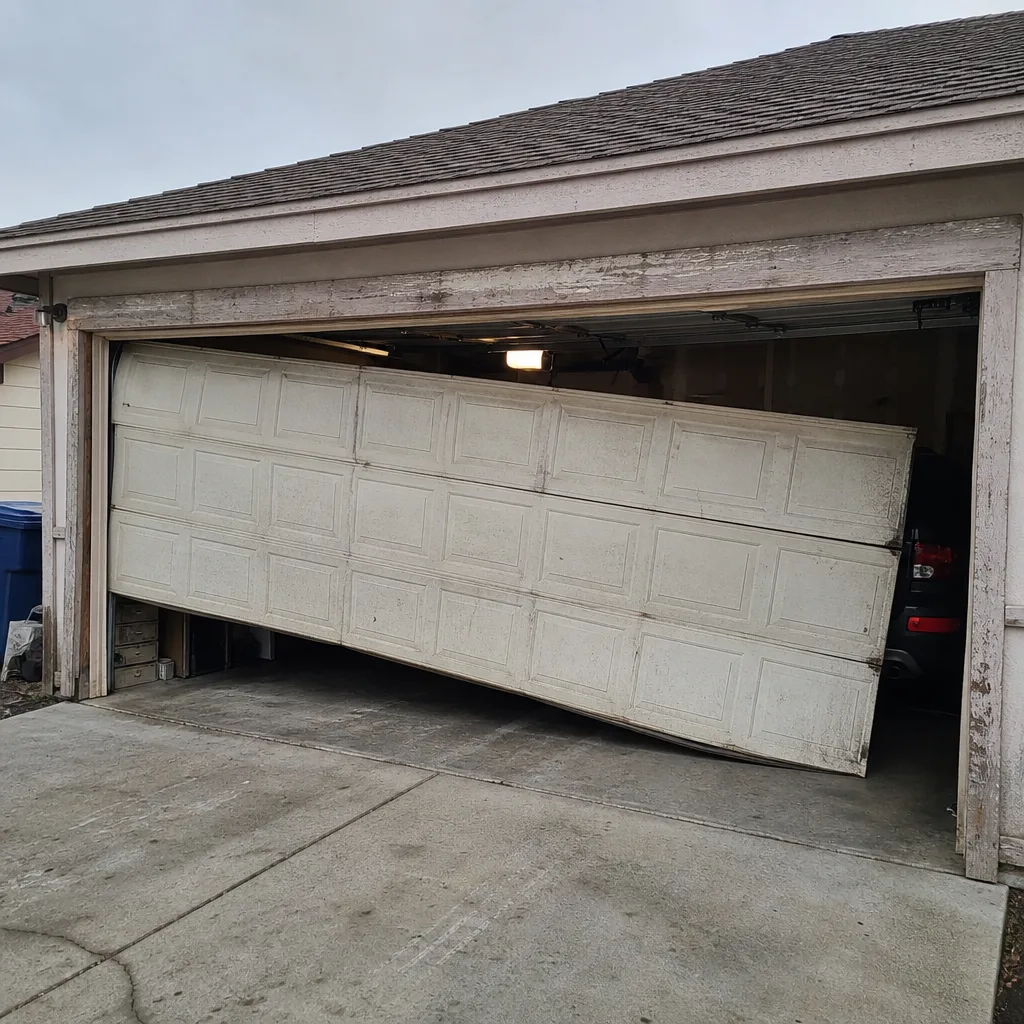 Before
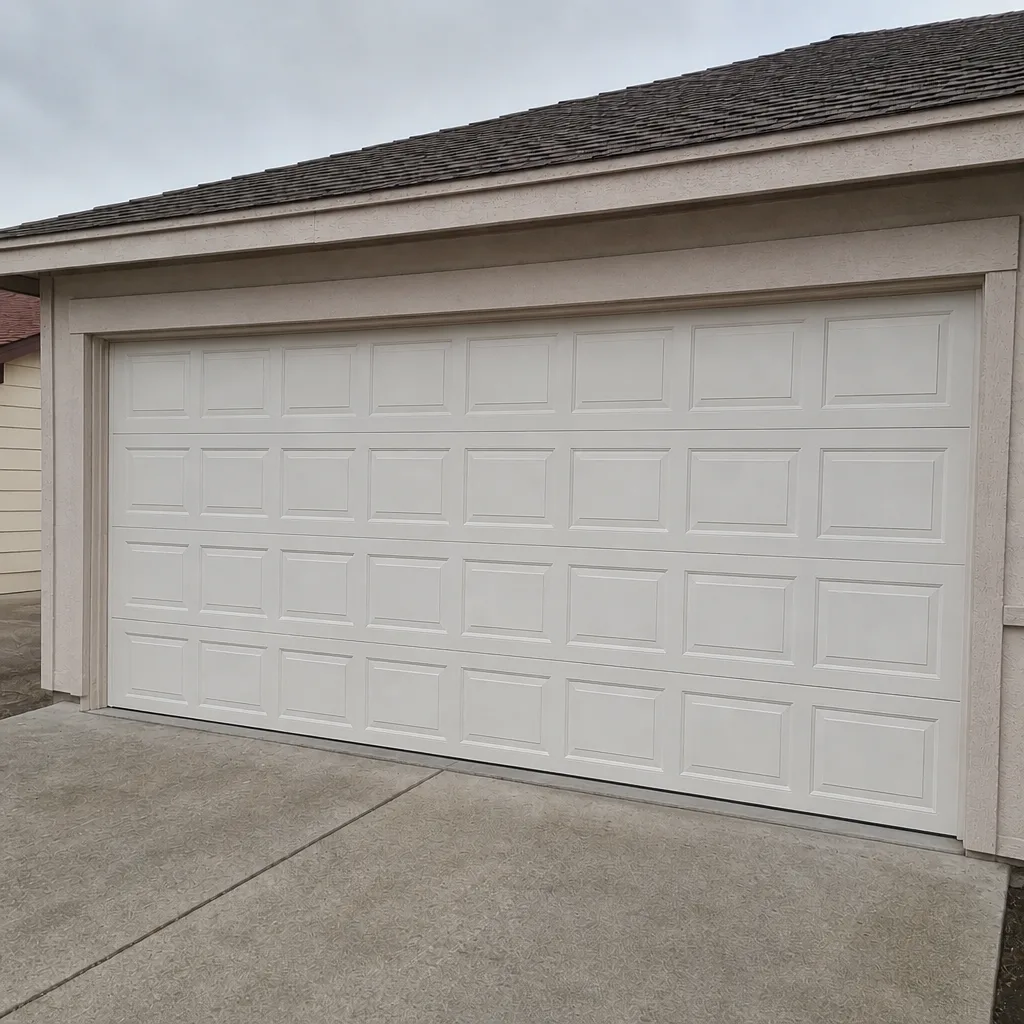 After